
Selecting the right wrist weights requires matching specific design features to your fitness level, joint health, and intended exercises. In warm, humid tropical environments, choosing the wrong pair can quickly lead to skin chafing, slipping, or premature wear from sweat. By understanding how weight increments, material choices, and strap systems affect comfort and performance, you can choose a pair that safely enhances your workout without causing joint strain or skin irritation.
When shopping on local online marketplaces, you will find options ranging from ₱300 to ₱1,500. Making the right choice depends on evaluating how the weights are constructed, how they distribute load, and how they secure to your body during movement.
Understanding Weight Increments and Load Distribution
Weight capacity and increment style dictate both your current workout comfort and your long-term fitness progression. Wrist weights generally fall into two categories: fixed and adjustable. Fixed-weight designs feature a set, non-removable load, making them highly durable, streamlined, and straightforward for consistent, low-intensity routines. Adjustable designs utilize pockets or slots where you can add or remove small weight inserts. While adjustable models offer excellent versatility for progressive overload, they tend to be bulkier and require careful checking to ensure the inserts remain tightly secured during movement.
Products mentioned in this guide
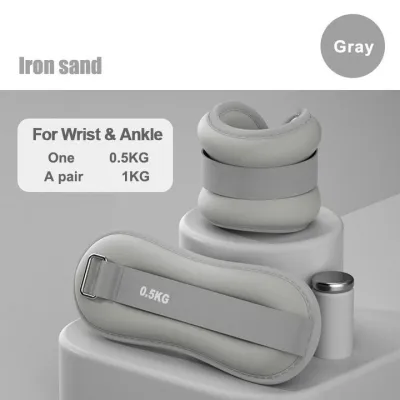
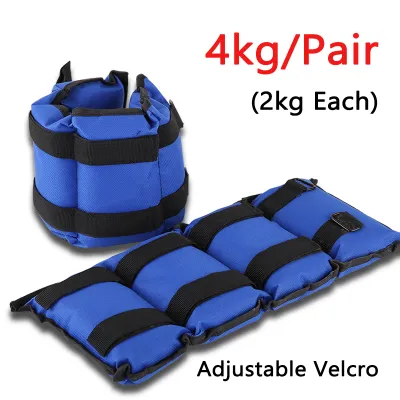
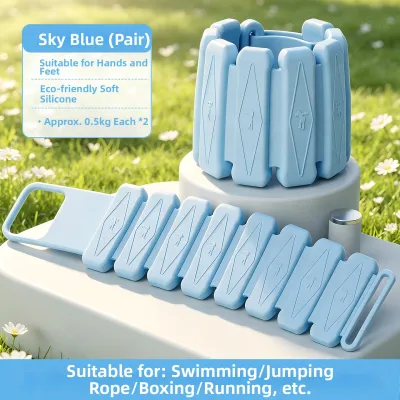
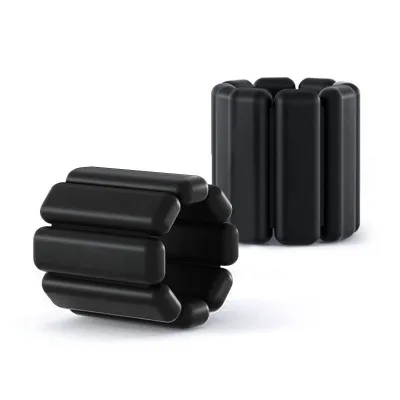
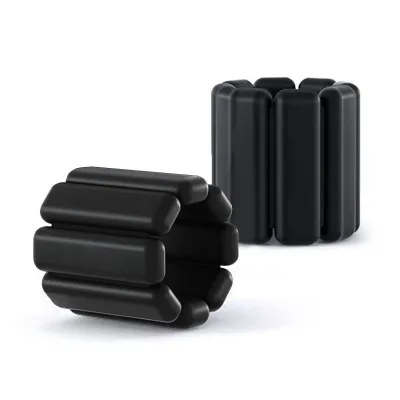
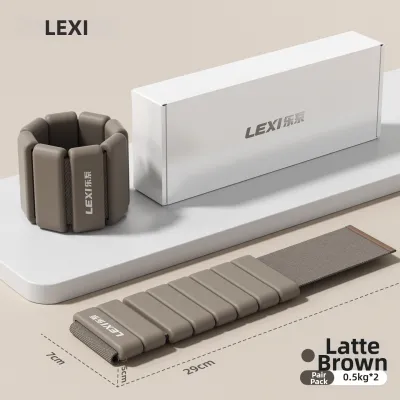
Prices are valid at publication and may change. Please refer to the product page for the latest price.
How the weight is distributed around your wrist also plays a critical role in balance and joint safety. Weights filled with evenly spaced sand, iron sand, or tiny iron shots contour smoothly to the natural shape of your wrist. This even distribution prevents awkward shifting and minimizes localized pressure points. Conversely, designs that use concentrated solid metal blocks or bars offer a more compact profile but can feel unbalanced during rapid movements, potentially causing the weight to bounce against your wrist bone.
To avoid joint strain, always check the maximum load limit per wrist before purchasing. For repetitive or high-velocity movements, starting with lighter increments—such as 0.5 to 1.5 pounds (approximately 0.2 to 0.7 kilograms) per wrist—is highly recommended. Heavy external loads placed at the end of your limbs amplify the torque on your elbows and shoulders, meaning even a small increase in weight can significantly impact your joint alignment and movement mechanics.
Evaluating Materials for Comfort and Durability
The outer fabric and internal filling of your wrist weights directly influence how they handle sweat, friction, and long-term wear. Neoprene is a highly popular outer material because it feels soft against the skin and stretches comfortably. However, in hot and humid climates, neoprene tends to absorb sweat, which can lead to odor buildup if not washed and dried thoroughly. Breathable mesh fabrics offer superior ventilation and dry quickly, making them excellent for outdoor walking, though they may provide less cushioning against heavy loads.

Silicone-coated wrist weights have become a preferred choice for fitness enthusiasts looking for hygiene and ease of maintenance. Silicone is completely waterproof, sweat-resistant, and easy to wipe clean after a workout. The trade-off is that silicone does not absorb moisture, so sweat can pool underneath the band, potentially causing it to slip if it is not fastened snugly against your skin.
Inside the weights, the filling material determines the overall bulkiness of the product. Regular sand is inexpensive but bulky, requiring a larger sleeve to achieve the target weight. Iron sand and solid metal weights are much denser, allowing for a sleeker, low-profile design that does not interfere with your clothing or natural arm swing. Regardless of the filling, inspect the seam reinforcement and stitching quality closely. Double-stitched seams or heat-sealed edges are essential to prevent internal fillings from leaking during high-impact routines.
Choosing the Right Strap and Closure System
A secure closure mechanism is vital to keep the weights from sliding up and down your arm, which can cause painful friction burns and disrupt your exercise rhythm. Hook-and-loop (Velcro) straps are the most common closure system, offering quick adjustability and ease of use during fast workout transitions. When evaluating hook-and-loop straps, look for high-density fasteners that maintain their grip even when exposed to moisture, as lower-quality velcro can easily degrade and slip when wet with sweat.
For vigorous, multi-directional movements, a D-ring or buckle system provides a much more customized, locked-in fit. By looping the strap through a metal or heavy-duty plastic D-ring, you can pull the strap tighter and secure it flat against your wrist. This mechanical advantage prevents the weight from shifting or rotating during dynamic exercises like jumping jacks or shadowboxing.
Finally, verify the strap width and the presence of edge padding. Narrow straps tend to concentrate pressure on a small area of your wrist, which can restrict blood flow or dig uncomfortably into your skin. A wider strap distributes the pressure more evenly across your forearm, while soft edge padding ensures that the buckle or raw edges of the strap do not rub against your skin during repetitive motions.
Matching Wrist Weights to Your Workout Type
Your chosen fitness activity should ultimately dictate the specifications of the wrist weights you buy. For cardio, walking, or aerobic routines, select lighter, highly streamlined weights. Keeping the load minimal allows you to maintain a natural arm swing and prevents unnecessary shoulder and rotator cuff strain. In these active scenarios, a breathable mesh or easy-to-clean silicone exterior is ideal for managing sweat.
If your goal is targeted strength training, rehabilitation, or controlled physical therapy exercises, heavier and highly secure adjustable options are more appropriate. These activities involve slow, deliberate movements where a secure D-ring strap and denser metal fillings help you maintain precise control over the resistance. Always consult a physical therapist or fitness professional to determine the correct weight progression for rehabilitation.
There are several scenarios where you should avoid using wrist weights entirely to protect your joints and tendons. High-impact running, heavy barbell lifting, and high-velocity boxing workouts generate extreme deceleration forces that can easily hyperextend your wrists or elbows when external weights are attached. In these situations, prioritize joint safety by relying on bodyweight resistance or dedicated gym equipment rather than adding external loads to your limbs.
Frequently Asked Questions (FAQ)
Can wrist weights help tone arms during walking?
Using light wrist weights during walking can slightly increase your cardiovascular output and muscular endurance, but they are not designed for significant muscle building. True muscle hypertrophy requires progressive resistance and higher mechanical tension than light wrist weights can provide. If you choose to wear them while walking, keep the weight under 1.5 pounds per wrist, maintain a natural arm swing, and avoid over-striding or locking your elbows to prevent joint strain.
How do I clean sweat off my wrist weights?
To clean your wrist weights, start by wiping the outer surface with a damp cloth and a small amount of mild, skin-safe soap. Never submerge weights filled with iron sand or metal parts in water unless the manufacturer’s care label explicitly states they are waterproof, as internal moisture can cause rusting or clumping. After wiping them down, lay the weights flat to air-dry completely in a well-ventilated, shaded area away from direct sunlight to preserve the elasticity of the straps and prevent mold growth.
Community discussion
Share your experience or ask a question. Comments are reviewed before publication.