
Choosing the correct taekwondo uniform, or dobok, is one of the first and most important decisions you will make when starting your martial arts journey. The choice between World Taekwondo (WT) and International Taekwon-Do Federation (ITF) uniforms depends entirely on your specific dojang’s affiliation and the competition rules you plan to follow. WT doboks typically feature a pull-over V-neck jacket, while ITF doboks use a vertical front closure with specific badge placements. Before purchasing, verify your instructor’s requirements to ensure compliance, as wearing the incorrect style can result in disqualification at official events or grading tests.
In tropical climates like the Philippines, where training halls can become exceptionally warm and humid, selecting the right uniform involves more than just matching the federation’s style. You must also consider how the fabric handles heavy perspiration and repeated washing. A uniform that fits perfectly in the store might shrink or become heavy and restrictive during intense sparring sessions if the material is not suited to local training conditions. Understanding the structural differences between these two major styles will help you make an informed purchase that keeps you comfortable and compliant.
Understanding the Foundation of WT and ITF Dobok Styles
To understand why these uniforms differ so significantly, it helps to look at the history and philosophy of the two major taekwondo federations. World Taekwondo, which is aligned with the Kukkiwon headquarters in South Korea, is the style seen in the Olympic Games. Because WT focuses heavily on fast-paced, continuous sparring and dynamic sport poomsae (forms), its uniforms have evolved to prioritize athletic movement, lightweight performance, and a streamlined silhouette. The modern WT dobok is designed to minimize drag and prevent opponents from grabbing loose fabric during close-quarters exchanges.
Products mentioned in this guide
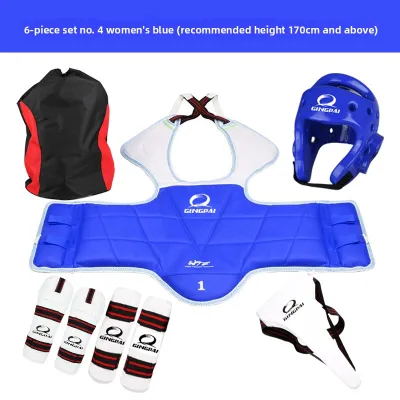
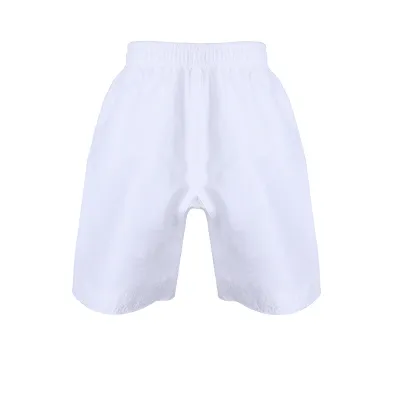
Prices are valid at publication and may change. Please refer to the product page for the latest price.
In contrast, the International Taekwon-Do Federation retains a design that reflects traditional military martial arts aesthetics. Founded with an emphasis on self-defense, traditional forms (tul), and semi-contact sparring, the ITF system utilizes a uniform that maintains a structured, classic appearance. The overall cut of an ITF dobok is generally more tailored than the flowing, loose silhouette of a WT uniform. This structured fit is intended to showcase precise body alignment and posture during the execution of traditional techniques.
Mixing these two styles is strictly prohibited in official settings, such as promotional belt exams, national tournaments, and inter-school seminars. Wearing a WT jacket with ITF pants, or vice versa, is seen as a lack of respect for the discipline and lineage of your specific style. Even within a local dojang, instructors usually require students to wear the uniform that matches the school’s official charter. Before you browse online marketplaces or visit a local martial arts supply shop, confirm which federation your school belongs to so you do not waste your budget on unusable gear.
Comparing Jacket Closures: Pull-Over vs. Button-Up
The most immediate visual difference between WT and ITF uniforms lies in the construction of the jacket. The WT jacket features a solid, pull-over design with a V-neck (sometimes referred to as a Y-neck) collar. This design completely eliminates front openings, buttons, zippers, or fabric ties. The practical rationale behind this is safety during continuous sparring. Without any loose flaps or fasteners, there is virtually no risk of an opponent’s fingers, toes, or protective gear getting caught in the jacket during high kicks or clinches.

Conversely, the ITF jacket features a vertical front opening that splits down the middle, similar to a traditional karate gi but secured differently. Modern ITF doboks typically use a high-quality hook-and-loop fastener strip or flat buttons along the front seam to keep the jacket closed during movement. This design allows practitioners to put on and remove the jacket easily without pulling it over their head, which can be convenient during hot training days when you need to cool down quickly between drills.
When evaluating these jackets, pay close attention to the sleeve length and hem adjustments listed on product specifications. WT sleeves are often cut slightly wider to allow free arm movement during blocks, while ITF sleeves tend to be more fitted. The lower hem of the jacket also differs; WT jackets are designed to sit flat against the hips, whereas ITF jackets often feature a split side hem to accommodate deep, wide stances without pulling or restricting the thighs. Always check the manufacturer’s size chart to ensure the sleeve and jacket length align with your body proportions.
Navigating Badge Placement and Branding Rules
Federation rules dictate exactly where logos, flags, and school names must be placed on the dobok. For WT uniforms, the branding is highly standardized. The WT or Kukkiwon logo is typically embroidered or printed directly in the center of the V-neck collar or on the right chest. The left chest is commonly reserved for your national flag or your specific dojang’s custom patch. Additionally, WT-approved uniforms often feature the manufacturer’s logo in small, designated areas, such as the lower sleeve or hip, but these must comply with strict size limits set by the federation.
ITF uniforms follow a different, highly detailed set of embroidery guidelines. The official ITF crest must be sewn onto the left chest of the jacket. The back of the ITF dobok features a distinct, arched design containing the words “Taekwon-Do” in English and Korean, often accompanied by the ITF tree logo. For black belt uniforms, a black border or trim is added to the bottom hem of the jacket and down the sides of the sleeves and pants. These visual markers denote rank and organizational alignment, making correct placement essential for official recognition.
Buying an unbranded or generic uniform from an unverified seller carries a high risk of non-compliance. Many low-cost uniforms feature incorrect logo sizes, misplaced embroidery, or unapproved color schemes that will prevent you from participating in official grading exams or tournaments. When shopping, look for labels that explicitly state “WT Approved” or “ITF Approved” depending on your needs. Verifying these manufacturer claims against the official uniform guidelines of your federation will save you from the hassle of having to purchase a replacement uniform right before a major event.
Selecting the Right Fabric Weight and Material
Taekwondo uniforms are generally made from either 100% cotton, a polyester-cotton blend, or advanced synthetic performance fabrics. In hot and humid environments, a 100% cotton uniform can become heavy, waterlogged with sweat, and slow to dry, which can hinder your movement during long training sessions. Polyester-cotton blends (such as a 65/35 or 80/20 ratio) are highly popular because they combine the breathability of cotton with the lightweight, quick-drying, and wrinkle-resistant properties of polyester. These blends are durable enough to withstand the friction of daily training and repeated washing.
Fabric weight is measured in ounces (oz) and typically ranges from lightweight (7 oz to 8 oz) to medium-heavy (9 oz to 12 oz). Lightweight fabrics are ideal for sparring (kyorugi or matsogi) and daily practice in warm dojangs, as they allow maximum airflow and do not weigh you down. Medium-heavy fabrics are often preferred for forms (poomsae or tul) because the stiffer material produces a sharp, audible “snap” sound when you execute punches and kicks with proper speed and power. This auditory feedback can enhance the presentation of your forms during grading or competition.
Before making a final decision, check the manufacturer’s specifications for shrinkage rates and care instructions. Natural cotton fibers can shrink by up to 5% to 10% after the first few washes if exposed to warm water or a dryer. If you are buying a cotton-heavy dobok, you may need to size up slightly to account for this shrinkage. Look for fabrics that feature ribbed or diamond-weave textures, as these patterns help keep the material from sticking to your skin when you sweat, improving overall comfort and mobility.
How to Verify Your Dojang's Exact Requirements Before Buying
Before spending your money, consult your instructor (Sabomnim) to get a clear list of uniform requirements. Dojangs often have specific rules that go beyond general federation guidelines. For example, some schools require all students to purchase uniforms directly from the dojang to ensure absolute uniformity, while others allow you to buy your own as long as it meets color and brand specifications. Ask if there are specific brands they recommend or if they provide in-house badge sewing services for school-specific patches.
It is also wise to check the official WT or ITF competition rulebooks if you plan to compete. Governing bodies occasionally update their regulations regarding uniform materials, logo sizes, and colored trim. For instance, WT poomsae competitions often require specific colored pants depending on the competitor’s age and gender, which differs from standard sparring uniforms. Staying informed about these rules ensures that your investment remains useful as you progress in your training and enter competitive arenas.
Finally, pay close attention to sizing guides and return policies when ordering from online sports retailers. Martial arts sizing is unique, often using a single-digit numbering system (such as Size 0 to Size 7) or height-based measurements in centimeters (such as 160 cm or 170 cm). Measure your height and waist accurately, and compare them to the retailer’s specific brand chart, as sizing can vary significantly between manufacturers. Ensure the retailer offers a flexible exchange policy so you can swap the uniform if the fit restricts your deep stances or high kicks.
Frequently Asked Questions (FAQ)
Can I wear an ITF dobok for WT sparring practice?
Wearing an ITF dobok for WT sparring practice is generally not recommended and is often prohibited by instructors due to safety and functional differences. The vertical front closure of an ITF jacket, which utilizes hook-and-loop fasteners or buttons, can catch on an opponent’s toes or fingers during close-range kicks and clinches. Additionally, WT sparring requires the use of a chest protector (hogu) worn over the jacket; the bulkier collar and front closure of an ITF uniform can cause discomfort or chafing under the protector. Always check with your instructor before wearing non-standard gear to practice.
How should I wash my taekwondo uniform to prevent shrinking?
To prevent your taekwondo uniform from shrinking and to preserve the integrity of the fabric, always wash it in cold water using a mild detergent. Avoid using bleach, as it can weaken the synthetic fibers and yellow the white fabric over time. Hang the uniform to air dry in a well-ventilated area away from direct sunlight, which can also cause yellowing. If you must use a dryer, select a low-heat or air-fluff setting, but be aware that any cotton content in the fabric may still shrink slightly under heat. Always inspect the manufacturer’s care label for specific temperature limits.
Do I need to buy a new belt when switching from WT to ITF?
Yes, you will likely need to purchase a new belt when switching between WT and ITF systems due to differences in design, tying methods, and federation standards. WT belts are typically wrapped twice around the waist and tied in a flat knot, whereas traditional ITF belts are wrapped only once to symbolize dedication to a single goal. Furthermore, the width, thickness, and embroidery requirements—such as colored stripes or Roman numerals indicating rank—differ significantly between the two organizations. Your new dojang will guide you on the correct belt specification for your rank.
Community discussion
Share your experience or ask a question. Comments are reviewed before publication.