
Finding the right home fitness equipment is a highly personal decision, especially when balancing fitness goals with the realities of modern living spaces. If you are comparing a xiaomi walking pad, a spin bike, and a rowing machine, the best choice depends heavily on your available space, joint health, and desired workout intensity. There is no single winner for every household; instead, each piece of equipment serves a distinct purpose and suits different lifestyle constraints.
To make an informed choice, you must weigh how each machine fits into your daily routine. A compact walking pad is designed to help you accumulate steps and combat a sedentary lifestyle while multitasking. A spin bike offers a high-intensity, lower-body workout that fits into a dedicated corner of your home. A rowing machine provides a comprehensive, full-body workout but requires a larger operational footprint. By understanding these trade-offs, you can select the equipment that you will actually use consistently.
Before finalizing any purchase, always verify the specific technical specifications of the model you are considering. Pay close attention to weight capacities, height limits, and resistance mechanisms, as these factors directly impact your safety and the machine’s durability.
Products mentioned in this guide
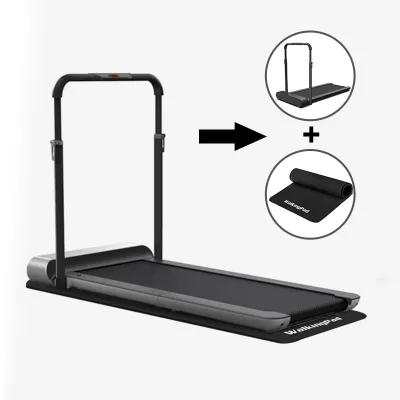
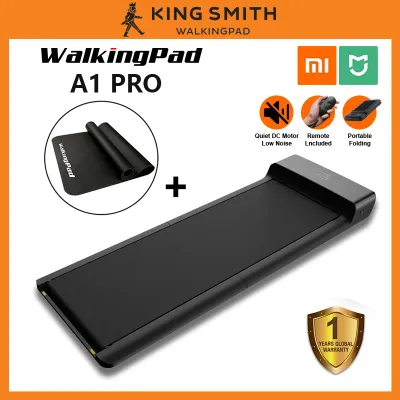
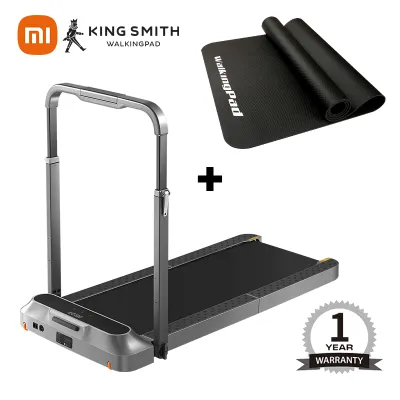
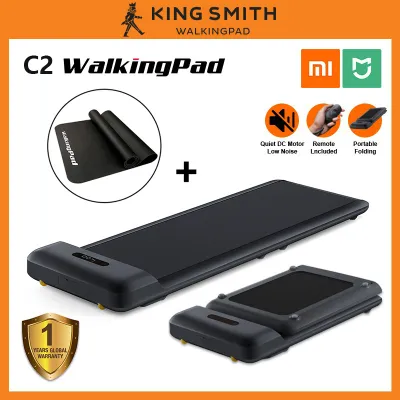
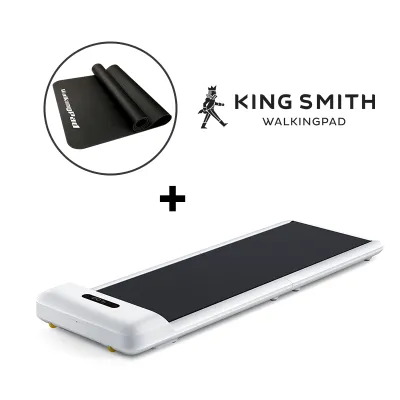
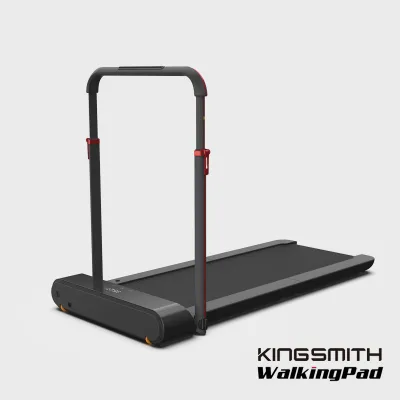
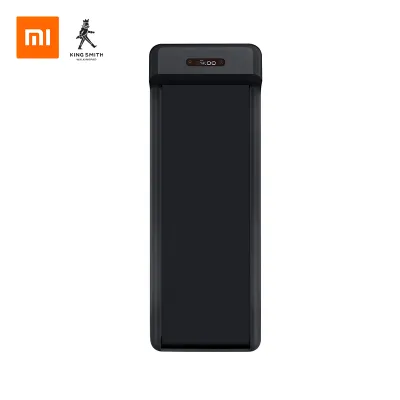
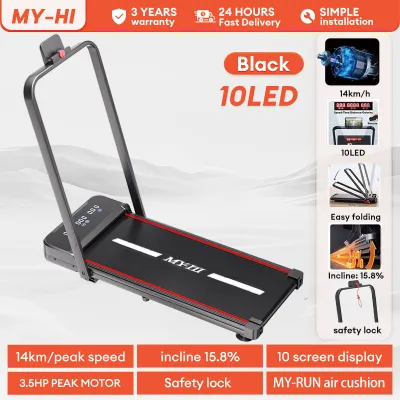
Prices are valid at publication and may change. Please refer to the product page for the latest price.
Space and Storage: Fitting the Xiaomi Walking Pad and Other Gear Into Your Home
Living in urban areas, such as high-rise condominiums in Metro Manila or compact apartments, requires careful consideration of any physical addition to your home. Home fitness equipment can quickly become intrusive if it does not align with your layout. Comparing the physical footprint, setup steps, and storage versatility of these three options is essential before making a commitment.
The xiaomi walking pad is specifically engineered for ultra-compact living. Most models in this ecosystem feature a patented double-fold mechanism, allowing the track to fold 180 degrees when not in use. This reduces the machine’s length by half, making it easy to slide under a sofa, bed, or store vertically in a narrow closet. Because it is lightweight and equipped with transport wheels, moving it from storage to your workspace takes minimal physical effort, making it highly suitable for multi-purpose rooms.
In contrast, a spin bike occupies a relatively small but permanent vertical footprint. A typical indoor cycling bike requires about 1 to 1.2 meters in length and 0.5 meters in width. While it takes up less floor space during use than a treadmill or a rowing machine, it cannot be easily folded or tucked away out of sight after every workout. You will need to dedicate a semi-permanent corner of your room to the bike, meaning it remains a visible part of your living space.
Rowing machines present a different spatial challenge due to their long operational footprint. A standard rower can measure anywhere from 2 to 2.4 meters in length, requiring a long, unobstructed strip of floor space during exercise. However, many modern rowers offer clever storage solutions, allowing you to stand the machine completely upright against a wall or fold the frame in half. If you plan to store a rowing machine vertically, you must verify your ceiling height and ensure the wall provides a stable, safe resting point.
Before buying, measure your designated workout area carefully. Always leave at least 50 centimeters of clear space on all sides of the equipment to ensure safe mounting, dismounting, and unrestricted movement during high-intensity sessions. Compare these measurements against the manufacturer’s official folded and unfolded dimensions to avoid spatial conflicts.
Muscle Engagement and Joint Impact: How Each Machine Works
Understanding the biomechanics of each fitness machine allows you to align your purchase with your physical condition, injury history, and muscular development goals. Each piece of equipment targets different muscle groups and subjects your joints to varying levels of stress.

The walking pad focuses primarily on lower-body endurance and active recovery. Walking on a flat, motorized surface targets your calves, hamstrings, quadriceps, and glutes while requiring minor core stabilization to maintain balance. Because these machines are designed for flat walking, they do not offer the incline options found on commercial treadmills, which limits their ability to target the posterior chain intensely. However, walking is a natural, low-impact movement that places minimal stress on your knees and ankles, making it an excellent choice for consistent, daily movement.
A spin bike provides a highly concentrated workout for your lower body and core. Pedaling against resistance heavily recruits your quadriceps, hamstrings, glutes, and calves. Because your feet remain securely clipped or strapped into the pedals, cycling is a closed-chain exercise, which eliminates the impact shock associated with running or jumping. This makes indoor cycling exceptionally gentle on the knees and ankles, provided your seat height is correctly adjusted. Maintaining an upright or aerodynamic riding posture also engages your core muscles for stability throughout the session.
The rowing machine is unique in its ability to deliver a true full-body workout, engaging approximately 86% of your body’s muscles in every stroke. The rowing motion is divided into distinct phases: the catch, the drive, the finish, and the recovery. Your legs initiate the powerful push, your core transfers the force, and your upper body—including your back, shoulders, and arms—completes the pull. This balanced distribution of work makes rowing highly efficient for muscular endurance, but it requires strict adherence to proper form to prevent lower back strain.
If you have existing joint issues, back pain, or are recovering from an injury, consult a healthcare professional before starting a new exercise regimen. Testing the movement patterns of these machines at a local gym can help you determine which motion feels most comfortable and supportive for your body.
Calorie Burn and Workout Intensity: Reaching Your Fitness Targets
Your daily fitness goals—whether you want to lose weight, build cardiovascular endurance, or simply reduce sedentary desk time—should dictate the intensity of the machine you choose.
A walking pad is the ultimate tool for increasing your Non-Exercise Activity Thermogenesis (NEAT). It is designed for steady-state, low-intensity physical activity, allowing you to accumulate steps while working at a standing desk, reading, or watching a show. Because speeds generally top out between 6 km/h and 10 km/h depending on the model, it is not intended for high-calorie burn or intense athletic conditioning. Instead, its value lies in helping you maintain a consistent, low-level energy expenditure throughout the day.
If your goal is high-intensity interval training (HIIT) and rapid cardiovascular conditioning, a spin bike is highly effective. By adjusting the resistance knob, you can quickly transition from flat-road sprints to heavy, muscular climbs. This flexibility allows you to spike your heart rate and burn a significant number of calories in a relatively short 30-to-45-minute session. It is an ideal option for those who want structured, high-energy workouts that challenge their cardiovascular limits.
The rowing machine is unmatched in its calorie-burning efficiency because it recruits both the upper and lower body simultaneously. Because you are pushing with your legs and pulling with your arms, your heart works harder to pump blood to all active muscle groups, resulting in high energy expenditure. Rowing can be utilized for long, steady-state aerobic training or intense interval workouts. However, because it requires continuous full-body effort, it can feel physically demanding very quickly, which may intimidate beginners.
When selecting equipment, prioritize your realistic daily habits over aspirational fitness goals. A walking pad that you use consistently for an hour every day while working will yield far better long-term fitness results than a high-intensity rowing machine that sits unused because the workouts feel too exhausting.
Noise and Disruption: Operating Fitness Equipment in Shared Spaces
Acoustic disruption is a critical factor for anyone living in shared apartments, multi-story houses, or condominiums where floor-to-floor sound transmission is common. The noise generated by fitness equipment can easily disturb family members or neighbors.
A walking pad produces a moderate amount of noise, consisting of the electric motor’s hum and the physical impact of your feet striking the belt. At lower walking speeds (under 3 km/h), the noise is minimal and easily masked by normal television volumes or a fan. However, at faster walking or light jogging speeds, the repeated footstep thuds can create low-frequency vibrations that travel through concrete floors. Heavier users will naturally generate more impact noise, which can be noticeable to neighbors living directly below you.
Spin bikes are generally the quietest home cardio option available. Models that utilize magnetic resistance and a belt-drive system operate almost silently, producing only a faint whirring sound as the flywheel spins. The primary source of noise during a spin session is typically the rider’s heavy breathing or the squeak of athletic shoes against the pedal straps. This makes spin bikes an exceptional choice for early morning or late-night workouts in shared households.
Rowing machines vary widely in noise levels depending on their resistance system. Air rowers use a fan flywheel that produces a loud, wind-like “whoosh” with every stroke, which can easily drown out background audio. Water rowers generate a rhythmic, splashing sound that many find relaxing, but it remains relatively loud in quiet rooms. Magnetic rowers are the quietest option in this category, though they still produce some mechanical noise as the seat glides back and forth along the metal slide rail.
Regardless of the machine you choose, using a thick, high-density rubber or PVC exercise mat underneath the equipment is highly recommended. A quality mat dampens vibrations, reduces acoustic transfer through floors, and protects your tiles or wooden floorboards from sweat and scratches.
Upfront Costs and Long-Term Maintenance
Investing in home fitness equipment requires an understanding of both the initial purchase price and the ongoing maintenance needed to keep the machine running safely and smoothly.
Price points vary across these categories. Walking pads, particularly those within the Xiaomi ecosystem, generally fall into the budget-to-mid-range tier, typically costing between ₱10,000 and ₱25,000 PHP. Spin bikes span a much wider spectrum, with basic friction-resistance models starting around ₱5,000 PHP, while advanced smart bikes with magnetic resistance can exceed ₱40,000 PHP. Rowing machines are generally the most expensive investment, with entry-level magnetic models starting around ₱12,000 PHP and premium air or water rowers easily climbing past ₱50,000 PHP.
Maintenance requirements differ significantly by machine type:
- Walking Pads: These require regular belt alignment checks to ensure the running belt remains centered. You must also periodically apply 100% silicone oil lubricant underneath the belt to reduce friction on the motor. Additionally, keeping the motor cover free of dust and pet hair is crucial to prevent overheating.
- Spin Bikes: The high humidity in the Philippines, combined with salty sweat, can quickly corrode metal frames. You must thoroughly wipe down the handlebars, seat post, and flywheel after every workout. Regularly check the pedal threads for tightness and inspect the belt or chain drive for proper tension.
- Rowing Machines: You must clean the aluminum slide rail regularly with a damp cloth to prevent dust from damaging the seat rollers. If you choose a water rower, you will need to add water purification tablets to the tank every few months to prevent algae growth in the tropical climate. Air rowers require periodic dusting of the fan cage to maintain smooth resistance.
Always purchase your equipment from official brand stores or authorized local distributors on reputable online marketplaces. This ensures you receive a genuine product, a valid local warranty, and access to replacement parts or professional repair services in the Philippines.
Final Decision Framework: Choose Based on Your Lifestyle
Ultimately, the best cardio machine is the one that aligns with your daily habits and physical capabilities. Consistency is the single most important factor in achieving your fitness goals; choose the equipment that fits naturally into your routine rather than the one that promises the fastest results.
Use this quick checklist to guide your final decision:
- Space and Storage: Measure your floor space and ceiling height. If you need to pack the machine away daily, opt for the foldable walking pad. If you have a permanent corner, a spin bike is ideal. If you have ample floor length, consider a rowing machine.
- Physical Limitations: If you have joint pain or lower back issues, a spin bike offers low-impact lower-body training, while a walking pad provides natural, gentle movement. Avoid rowing machines unless you are committed to mastering proper form to protect your lower back.
- Intensity Goals: Choose a walking pad for active recovery and daily step count. Choose a spin bike for high-energy cardiovascular conditioning and HIIT. Choose a rowing machine for balanced, full-body muscular endurance.
- Warranty and Support: Verify the maximum weight capacity of your chosen model and ensure local service centers are available in the Philippines to handle any future repairs.
Start with realistic, manageable habits. Building a consistent routine with proper form on a simpler machine is far more valuable than purchasing complex equipment that goes unused.
Frequently Asked Questions (FAQ)
Do Xiaomi walking pads require assembly out of the box?
Most walking pads in the Xiaomi ecosystem are designed for immediate use and require virtually no complex assembly. They typically arrive fully assembled in the box; you only need to carefully unpack the unit, unfold it on a flat surface, plug in the power cord, and pair the remote control or mobile app. If your specific model includes an upright safety handrail, you may need to secure a few pre-packaged screws using the provided hex key. Always refer to the included user manual to verify the setup steps before turning on the machine.
Can I use a spin bike with regular athletic shoes?
Yes, the majority of entry-level and mid-range spin bikes are equipped with dual-sided pedals or adjustable toe cages that accommodate standard running, walking, or training shoes. You simply slide your foot into the cage and pull the strap tight to secure your foot during the workout. However, some premium or professional-grade spin bikes come with clip-in pedals designed for specific cycling cleat systems, such as SPD or Look Delta. Before purchasing, check the product specifications to confirm the pedal type, as you can easily swap the pedals later if you prefer a different style.
Community discussion
Share your experience or ask a question. Comments are reviewed before publication.