
Evaluating climbing gear requires balancing cost against life-supporting safety, especially when building a starter kit in the Philippines. Xinda has emerged as a highly visible, budget-friendly to mid-tier brand that offers a accessible entry point into the sport. While it provides significant cost savings compared to premium legacy brands, it is essential to understand where it excels and where its limitations lie.
For beginners, gym climbers, and budget-conscious enthusiasts building their first personal setups, Xinda offers functional gear that meets baseline safety requirements. However, professionals, industrial rope access technicians, alpinists, and those tackling extreme outdoor environments typically rely on established premium brands. These legacy manufacturers invest heavily in specialized innovations, ultra-lightweight materials, and proven long-term durability under harsh conditions. Deciding which brand to trust depends on your climbing discipline, frequency of use, and the specific environmental demands of your climbing venues.
Brand Positioning and Target Audience
Xinda’s core philosophy centers on democratizing climbing by lowering the financial barrier to entry. By focusing on high accessibility and high-volume production of basic to intermediate hardware, the brand allows newer climbers to acquire essential gear without a massive upfront investment. Their product line covers standard harnesses, basic climbing helmets, aluminum and steel carabiners, manual descenders, and sewn slings. This straightforward approach focuses on delivering functional, certified equipment without the added cost of high-end cosmetic finishes or niche performance optimizations.
Products mentioned in this guide
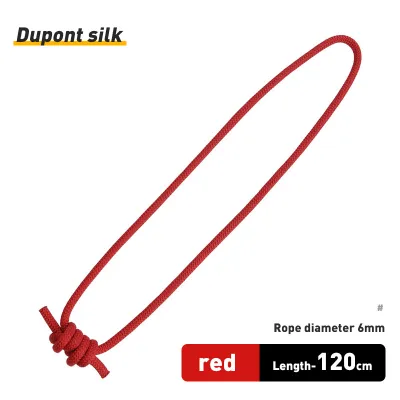
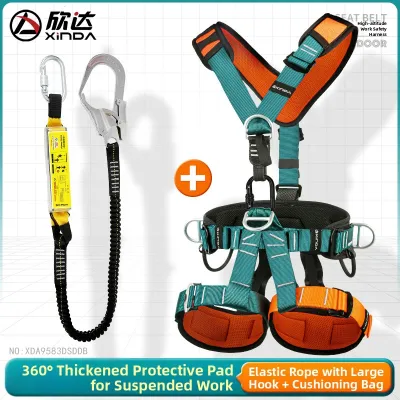
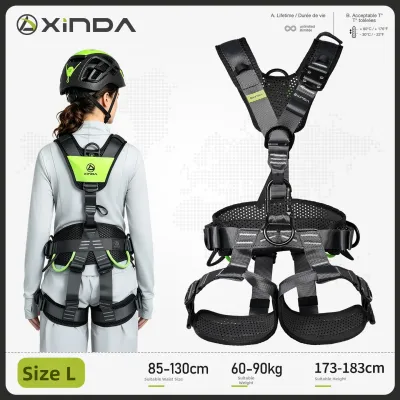
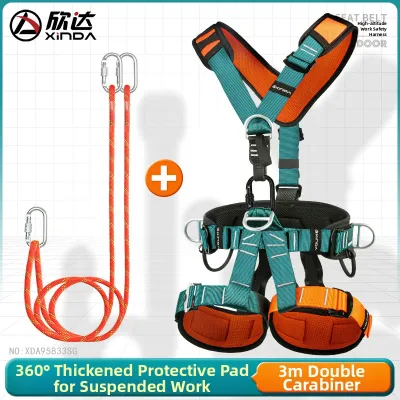
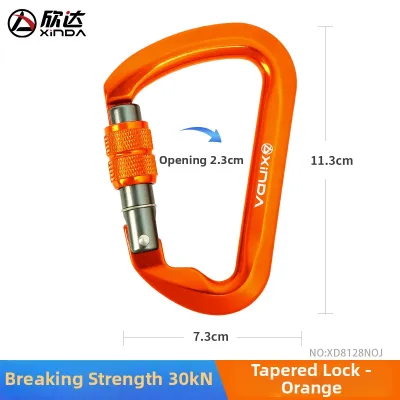
Prices are valid at publication and may change. Please refer to the product page for the latest price.
In contrast, premium brands like Petzl, Black Diamond, Camp, and Mammut focus on continuous, specialized research and development. These manufacturers invest millions in proprietary ultra-lightweight alloys, advanced ergonomic designs, and highly specialized gear tailored for niche disciplines like ice climbing, extreme alpine mountaineering, and high-speed sport climbing. Their designs prioritize reducing every possible gram of weight while maximizing user comfort, heat dissipation, and intuitive handling during high-stress situations.
This division in brand philosophy maps directly to different climber profiles. Occasional outdoor sport climbers, indoor gym users, and university outdoor club students in the Philippines often find that Xinda provides exactly what they need for top-rope setups and basic sport routes. Conversely, professional mountain guides, multi-pitch alpinists, and heavy-use climbers require the advanced ergonomics, reduced weight, and long-term wear resistance offered by premium brands. For these users, the physical demands of long days on the rock make the premium price a necessary investment in efficiency and comfort.
Key Comparison Dimensions
To make an informed choice, you must look closely at how these brands compare across technical, physical, and experiential dimensions. Climbing is an activity where equipment failure is not an option, making technical specifications more important than brand prestige.

Safety Certifications and Manufacturing Standards
When hanging from a cliff face, the name on your gear matters far less than the safety standards it meets. Both legitimate Xinda equipment and premium brands must carry recognized international safety certifications to be considered safe for climbing. The most critical certifications to look for are the CE (Conformité Européenne) mark and the UIAA (International Climbing and Mountaineering Federation) label, which verify that the gear has passed rigorous drop, strength, and structural integrity tests.
To ensure your safety, you must physically check for these certification labels on the gear itself. On metal hardware like carabiners and belay devices, these marks are typically laser-etched alongside the minimum breaking strength ratings (usually expressed in kilonewtons, such as 22kN or 25kN). On soft goods like harnesses, slings, and ropes, look for a sewn-in fabric label containing the certification numbers, manufacturing date, and batch code. Always cross-reference these markings with the manufacturer’s official documentation or user manual to verify their authenticity.
Never purchase or use climbing gear from unverified third-party sellers on general online marketplaces, as the risk of encountering counterfeit or uncertified equipment is exceptionally high. Counterfeit gear may look identical to certified equipment but can fail under basic bodyweight loads. If you cannot verify the chain of custody or the physical certification markings on a piece of equipment, do not use it under any circumstances.
Material Quality and Durability
The physical build and expected lifespan of climbing equipment are determined by the materials and manufacturing processes used. Premium brands frequently utilize advanced, proprietary aluminum alloys and high-performance textiles like Dyneema or high-modulus polyethylene (HMPE). These materials allow manufacturers to create gear that is incredibly thin, highly abrasion-resistant, and exceptionally lightweight, which reduces fatigue on long approach hikes and technical climbs.
Xinda generally utilizes standard, reliable materials such as high-strength polyester webbing for harnesses and standard anodized aluminum or stainless steel for hardware. While these materials are fully capable of meeting baseline safety and strength requirements, they tend to make the gear heavier and bulkier than premium alternatives. A Xinda harness, for example, may use thicker foam padding and heavier steel adjustment buckles, which adds weight to your gear bag.
In the tropical climate of the Philippines, environmental factors play a major role in material durability. High humidity, intense tropical sun, and exposure to salt air in coastal climbing areas like El Nido or Cantabaco can accelerate the degradation of climbing gear. Standard anodized aluminum can develop surface corrosion if not cleaned and stored properly, while high humidity can encourage mold growth on polyester webbing if gear is packed away damp. Premium brands often apply more resilient anodization coatings and moisture-resistant treatments to their textiles, though regular maintenance remains mandatory for all brands.
Ergonomics and Feature Innovation
Ergonomics and user experience represent a major point of differentiation between budget-friendly and premium climbing gear. Premium manufacturers spend years refining the shape, balance, and tactile feel of their equipment. Their carabiners feature highly optimized gate tensions and keylock noses that prevent snagging on bolts or hangers, while their belay devices are engineered to offer ultra-smooth rope feeding and intuitive lowering control.
Additionally, premium harnesses often feature anatomical waist belts with highly breathable, pressure-distributing foam to keep you comfortable during long hanging belays in hot, humid weather. They also include rigid, pre-shaped gear loops that flare outward, making it easy to clip and unclip quickdraws without looking.
Xinda equipment provides functional, standard designs that perform their basic tasks reliably but lack these highly refined comfort features. A Xinda harness will support your weight safely during a fall, but the padding may feel stiffer, less breathable, and more prone to chafing during long, sweaty climbing sessions under the tropical sun. Similarly, their carabiners and descenders get the job done but may require more physical effort to operate smoothly, featuring simpler gate designs that are slightly more prone to snagging on webbing or hangers.
Price-to-Value Ratio in the Philippines
The primary appeal of Xinda climbing gear is its highly competitive pricing structure. In the Philippine market, premium imported climbing gear is subject to high shipping costs, import duties, and distributor markups, which can make outfitting a complete setup incredibly expensive. A single premium harness can easily cost between ₱5,000 and ₱10,000, while a basic Xinda harness is often available for a fraction of that price, typically ranging from ₱1,500 to ₱3,000.
This dramatic price difference makes Xinda an exceptionally high-value option for specific use cases. If you are building a starter kit, outfitting a university outdoor club on a limited budget, or replacing non-critical accessories like chalk bags, gear loops, and standard rigging slings, Xinda allows you to stretch your budget significantly further. It enables more people to enter the sport safely without being priced out by high equipment costs.
However, where you purchase your gear in the Philippines is critical. Buying from authorized local outdoor specialty retailers ensures that you receive genuine products, valid manufacturer warranties, and access to knowledgeable after-sales support. If you choose to buy from third-party sellers on e-commerce platforms, you must exercise extreme caution. These channels often lack warranty support, make returns difficult, and require you to strictly verify the authenticity of the gear before trusting it with your life.
Decision Framework: Which Brand Should You Choose?
To help you decide which equipment to purchase, evaluate your climbing habits, experience level, and environment against this structured decision framework.
Choose Xinda if:
- You are a beginner or indoor climber: If you climb primarily in indoor air-conditioned gyms or on well-bolted, easily accessible sport routes, Xinda provides a safe, highly economical way to own your own gear.
- You are on a strict budget: If premium price points would prevent you from climbing altogether, certified Xinda gear is an excellent, safe alternative to renting worn-out gym equipment.
- You need backup or non-critical gear: Xinda is highly suitable for secondary equipment, rigging slings, gear storage carabiners, or outfitting a secondary gear bag for friends.
- You are outfitting a group: For school clubs, scout groups, or indoor gym rental fleets operating under strict budget constraints, Xinda offers certified safety at a scalable price point.
Choose Premium Brands if:
- You are a professional guide or industrial worker: If your livelihood depends on your gear and you use it daily, the superior durability, comfort, and advanced ergonomics of premium brands are well worth the investment.
- You climb in harsh alpine or remote environments: If you are tackling multi-pitch routes on Mt. Apo, deep jungle crags, or alpine environments where weight, weather resistance, and reliability are absolute priorities, choose premium gear.
- You prioritize lightweight performance: If you are trying to minimize your pack weight for long approaches, premium hot-forged carabiners and high-tech textile harnesses are essential.
- You want maximum comfort: If you are sensitive to pressure points, sweat heavily in tropical humidity, or spend hours hanging in a harness, the advanced breathability and fit of premium brands will greatly improve your climbing experience.
Verify first if:
- You are buying life-saving hardware online: Before purchasing ropes, harnesses, helmets, or belay devices from any online retailer, always verify the seller's authorization status. Check the physical gear immediately upon arrival for genuine CE or UIAA certification labels, and ensure the packaging includes an unaltered, official manufacturer instruction manual.
Safety, Inspection, and Retirement Rules
Climbing is an inherently high-risk sport where equipment is your secondary line of defense. No matter how expensive or highly rated your gear is, it cannot replace proper training, certified instruction, and sound personal judgment. Before attempting any climb, you must understand your personal ability limits, perform a thorough partner check, and know when to stop or retreat if conditions become unsafe.
Before every single climb, you must perform a rigorous pre-use inspection of all your equipment. For harnesses and slings, visually inspect the webbing for any signs of fraying, cuts, singe marks, or severe discoloration from UV exposure. Physically feel the webbing for stiff spots or thin areas that could indicate internal fiber damage. For metal hardware like carabiners and descenders, check for micro-fractures, deep grooves from rope wear, bent gates, or weak spring tension. Ensure that all locking gates open and close smoothly and lock completely without sticking.
Always check the applied product’s label and the treated item’s manufacturer instructions before cleaning, maintaining, or storing your gear. If instructions conflict, the item is unidentified, or the use is not covered, stop and consult the manufacturer or a qualified professional.
Retiring your gear at the correct time is a critical safety practice that applies equally to budget and premium brands. You must retire soft goods (harnesses, slings, ropes) immediately if they suffer a severe high-impact fall, show visible structural damage, or have reached the end of the manufacturer’s stated lifespan (typically 5 to 10 years from the manufacturing date, even if unused). Metal hardware must be retired immediately if it develops cracks, shows wear grooves deeper than the manufacturer’s specified limit (usually 1mm), or if the gate mechanism fails to close completely. Never attempt to repair or modify life-saving climbing equipment yourself.
Frequently Asked Questions (FAQ)
Is Xinda climbing gear safe for outdoor lead climbing?
Yes, Xinda climbing gear is safe for outdoor lead climbing, provided that the specific item carries valid, verifiable CE or UIAA certifications, was purchased from an authorized retailer, and passes a thorough pre-use inspection. Safety is determined by the gear’s certification status, proper usage, and physical condition, rather than the brand name alone. However, ensure you are using the gear strictly within its rated load capacities and according to the manufacturer’s instructions.
Can I mix Xinda carabiners with a premium brand harness?
Yes, you can safely mix Xinda carabiners with a premium brand harness. Climbing hardware and soft goods are designed to be cross-compatible across different brands, provided that every individual piece of equipment meets recognized international safety standards, is in good physical condition, and is used correctly. Always check the manufacturer instructions for both items to ensure there are no specific compatibility warnings or unique rigging requirements.
Where is the safest place to buy Xinda gear in the Philippines?
The safest place to buy Xinda gear in the Philippines is from authorized local outdoor specialty physical shops or the brand’s official flagship stores on major online e-commerce platforms. Purchasing through these verified channels ensures that you receive authentic, certified products rather than dangerous counterfeits. It also guarantees that your purchase is covered by valid warranties and supported by reliable customer service.
Community discussion
Share your experience or ask a question. Comments are reviewed before publication.