
Choosing the right yoga mat thickness is a personal decision that directly impacts your balance, joint comfort, and overall practice. The right choice depends on your physical needs, the style of yoga you practice, and where you set up your mat. While a thicker mat offers more cushioning for sensitive joints, a thinner mat provides a firmer connection to the ground for standing poses.
In tropical climates like the Philippines, where high humidity and warm temperatures are common, logistical factors also come into play. Commuting to a local studio with a heavy, bulky mat can be physically demanding, while practicing on hard tiled floors at home requires adequate joint protection. Understanding the distinct characteristics of 3mm, 5mm, and 8mm mats will help you select the ideal surface for your routine.
Decoding Yoga Mat Thickness: What 3mm, 5mm, and 8mm Actually Mean
Yoga mat thickness is measured in millimeters, and even a small difference in thickness significantly alters how the mat performs. The core trade-off lies between cushioning and ground feedback. Cushioning protects your joints from the hard floor, while ground feedback allows you to feel the floor beneath you, which is essential for maintaining balance during standing poses.
Products mentioned in this guide


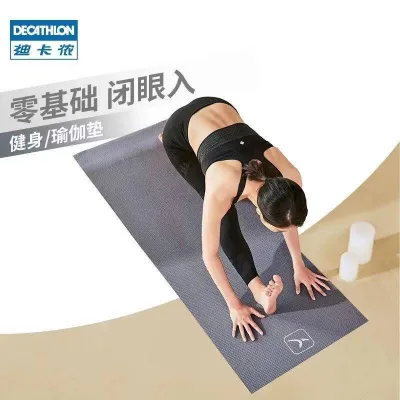
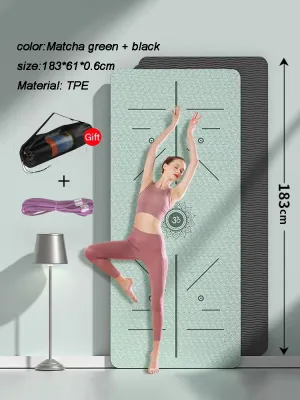
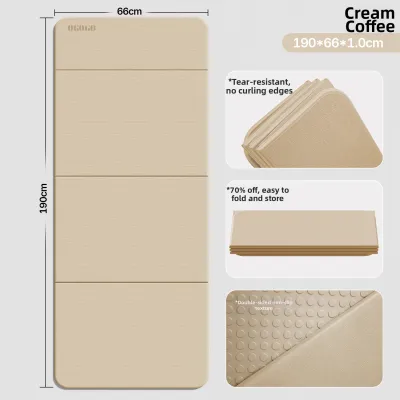
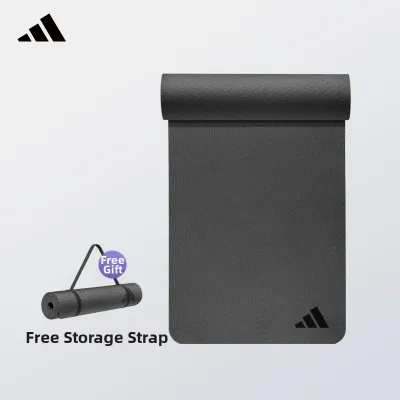
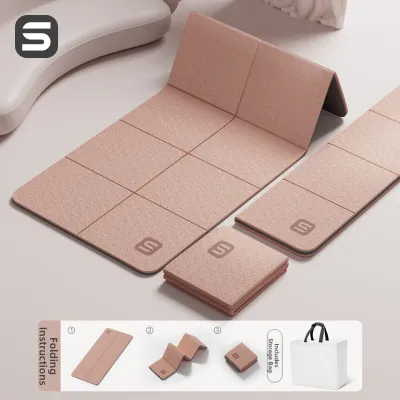
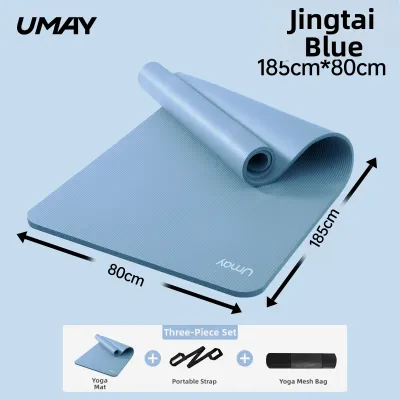
Prices are valid at publication and may change. Please refer to the product page for the latest price.
When a mat is too thick or soft, your feet and hands sink into the material. This sinking effect can make standing balances feel unstable, forcing your ankles and wrists to work harder to keep you upright. Conversely, a mat that is too thin may cause discomfort or pain when your knees, elbows, or hips press directly into a hard floor.
Thickness also directly influences the weight and portability of the mat, though material density plays an equally important role. A thin mat made of dense natural rubber can sometimes weigh more than a thick mat made of lightweight foam. When selecting a mat, you must balance the physical support your body requires with the practical realities of storing and carrying your gear.
3mm Mats: Prioritizing Stability and Portability
A 3mm yoga mat is a thin, lightweight option designed for practitioners who value stability and portability above all else. This thickness keeps you close to the floor, providing a solid, non-slip foundation that does not compress under your weight. It is highly favored by those who practice active, flowing styles where balance and quick transitions are key.

Dynamic practices such as Vinyasa, Ashtanga, and Power yoga benefit greatly from a 3mm mat. The thin profile ensures that your hands and feet remain firmly planted, reducing the risk of ankle wobble during complex standing sequences. It allows you to feel the ground clearly, which helps with alignment and body awareness.
However, a 3mm mat offers minimal cushioning, making it less suitable for individuals with sensitive joints or those practicing on hard surfaces like concrete or ceramic tile. If you frequently experience discomfort in your knees during low lunges, a thin mat may not provide enough protection. On the other hand, its lightweight design makes it incredibly easy to roll tightly or fold into a travel bag, making it the preferred choice for commuters and travelers.
5mm Mats: Balancing Cushion and Support for Daily Practice
A 5mm yoga mat is widely considered the standard mid-range option, offering a versatile balance of cushioning and stability. It provides enough shock absorption to protect your joints during floor poses while remaining firm enough to support standing balances. This makes it an excellent all-purpose choice for everyday practitioners.
For Hatha, slow flows, and general fitness classes, a 5mm mat delivers reliable performance. It cushions the knees, spine, and wrists during weight-bearing poses without causing you to lose your balance during standing postures. It serves as a comfortable middle ground that accommodates a wide variety of movements.
This thickness is highly recommended for beginners and intermediate practitioners who are still developing joint strength and balance. It offers a forgiving surface that reduces the impact on your body as you learn new poses. Additionally, a 5mm mat remains relatively easy to carry, fitting comfortably into standard mat bags and rolling up into a manageable size for daily studio commutes.
8mm Mats: Maximizing Joint Protection for Gentle Practices
An 8mm yoga mat is an extra-thick option designed specifically for maximum joint protection and comfort. This thickness is ideal for slow-paced, floor-based routines where you spend extended periods holding poses or resting your weight on specific joints. It acts as a thick barrier between your body and the hard floor.
Gentle practices such as Yin yoga, Restorative yoga, and floor-focused Pilates are perfect matches for an 8mm mat. These styles emphasize relaxation, deep stretching, and spinal alignment, all of which are enhanced by a plush, supportive surface. The extra padding is also highly beneficial for individuals recovering from injuries, those with sensitive joints, or women in postpartum recovery.
Despite the superior comfort, an 8mm mat has notable drawbacks regarding stability and portability. The thick material compresses significantly under pressure, making standing balances like tree pose or warrior III much more challenging to hold. Furthermore, these mats are bulky, heavy, and difficult to roll tightly, making them best suited for permanent home setups rather than regular travel.
Building Your Decision Matrix: Matching Thickness to Your Needs
To choose the right thickness, start by assessing your personal joint sensitivity and physical comfort. If you regularly experience pain in your knees, wrists, or hips when practicing on hard floors, you should prioritize cushioning by looking at 5mm or 8mm options. If your joints feel fine and you prefer a firm connection to the floor, a 3mm mat is likely sufficient.
Next, match your primary practice style to the corresponding thickness tier. Dynamic, standing-heavy practices are best supported by a 3mm or 5mm mat, which keeps you stable and grounded. Slow, floor-heavy, or therapeutic practices are much more comfortable on a 5mm or 8mm mat, where the extra padding supports long holds.
Consider your daily logistics and where you plan to practice. If you primarily practice at home on hard tile or wood, a thicker 5mm or 8mm mat will provide the comfort you need without the hassle of transport. If you regularly travel to a local studio, a lightweight 3mm or a standard 5mm mat will be much easier to carry through warm, humid commutes.
Finally, remember to check the product specifications for material density, as thickness alone does not guarantee support. A high-density 5mm mat made of natural rubber or dense polyurethane can offer firmer, more durable support than a low-density 8mm foam mat that bottoms out under your weight. Always verify the weight and material composition on the product label to ensure it matches your physical and travel preferences.
Frequently Asked Questions (FAQ)
Can I use a thick yoga mat for hot yoga?
Thicker mats can sometimes feel unstable during hot yoga because moisture from sweat can cause the material to slip or slide. If you prefer a thicker mat for hot yoga, check the manufacturer’s specifications to ensure it features an open-cell structure or a slip-resistant surface designed to handle moisture. Alternatively, you can place a specialized grip towel over a 5mm mat to absorb sweat and maintain traction.
Is a 5mm mat too thick for beginners?
No, a 5mm mat is generally the standard starting point for most beginners. It provides a comfortable buffer for your joints while you build foundational strength and flexibility. If you find yourself struggling with balance on a 5mm mat during standing poses, you can easily step off the mat onto the hard floor to complete those specific exercises.
How do I clean and maintain a thicker yoga mat?
To clean a thicker mat, wipe the surface down with a damp cloth and a mild, diluted soap solution. Avoid soaking or submerging the mat in water, as thick materials can trap moisture inside their core, leading to mold, mildew, and unpleasant odors. Always allow the mat to air dry completely in a shaded, well-ventilated area before rolling it up for storage.
Community discussion
Share your experience or ask a question. Comments are reviewed before publication.