
Finding the right yoga roller is not about grabbing the firmest or most popular model on the shelf. It is about matching the tool’s physical properties to your body’s specific needs, your experience level, and how you intend to use it.
Whether you need a supportive prop for restorative poses or an active tool for deep myofascial release, the wrong specifications can hinder your progress. Beginners and those seeking gentle support generally benefit from a soft-to-medium density roller measuring 18 to 36 inches, while experienced practitioners looking to target stubborn muscle knots often require a firm, compact roller.
By understanding how density, length, and diameter interact with your muscles, you can select a tool that safely enhances your flexibility, assists your alignment, and accelerates recovery.
Products mentioned in this guide
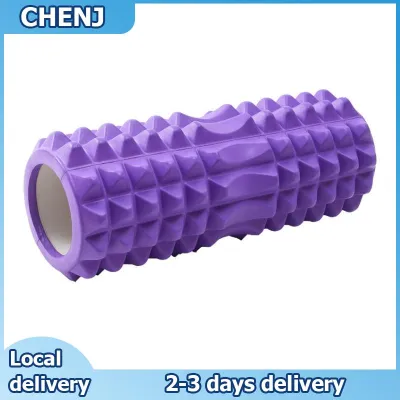
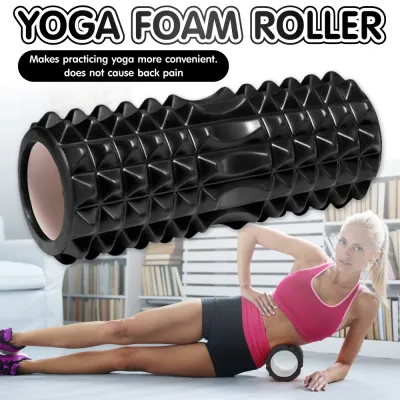
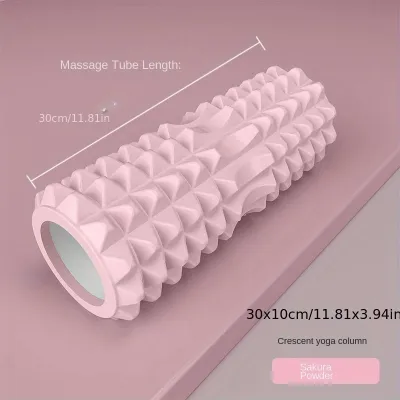
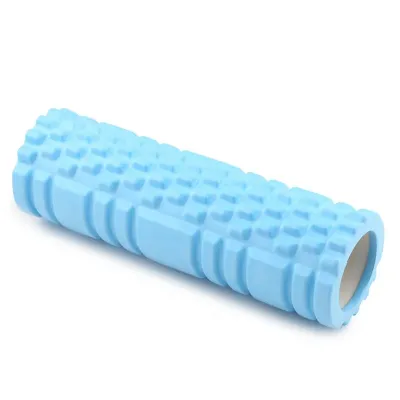
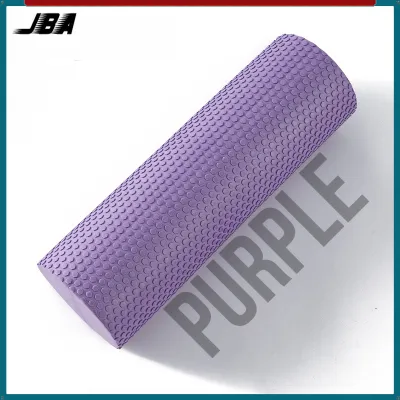
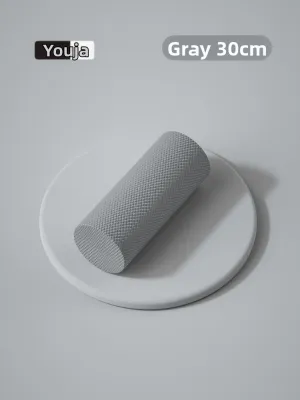
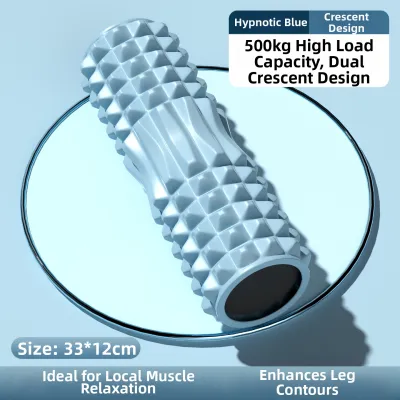
Prices are valid at publication and may change. Please refer to the product page for the latest price.
How Roller Specs Affect Your Muscle Release and Poses
A yoga roller, often referred to interchangeably with a foam roller, serves a dual purpose in modern movement practices. It acts as an active myofascial release tool to roll out tight muscle fascia and as a supportive prop to assist with alignment, balance, and opening up the body in restorative poses. Unlike static blocks, the cylindrical shape introduces an element of instability, which can challenge your core or gently cradle your spine depending on how it is positioned.
Using a mismatched roller can quickly stall your progress or even cause physical harm. If a roller is too firm for your current tolerance, your nervous system will perceive the intense pressure as a threat, causing your muscles to contract defensively rather than relax. This can lead to bruising, tissue inflammation, or nerve compression.
Conversely, a roller that is too soft or small will bottom out under your body weight, failing to provide the leverage needed to release deep-seated tension or keep your joints properly aligned during yoga poses. The “best” specification is highly individual and depends on your pain tolerance, flexibility, and the specific yoga or recovery tasks being performed.
Decoding Yoga Roller Density: Soft, Medium, and Firm
The density of a yoga roller determines how much it compresses under your body weight and how deeply it penetrates your muscle tissue. Roller materials typically range from soft polyethylene (PE) to standard ethylene-vinyl acetate (EVA) and highly dense expanded polypropylene (EPP). Choosing the right density is a balance between comfort and therapeutic pressure.

Soft Density (Low)
Soft-density rollers offer a gentle, highly forgiving surface that compresses easily under minimal pressure. These are designed specifically for beginners, individuals with highly sensitive muscle tissues, or those recovering from minor injuries.
In restorative yoga, a soft roller provides comfortable, non-intrusive support under the knees, neck, or spine, allowing you to sink into passive poses without experiencing joint strain or distracting discomfort. If you are new to self-myofascial release or have a lower pain threshold, starting with a low-density roller ensures a pain-free introduction to the practice.
Medium Density (Standard)
Medium-density rollers represent the versatile middle ground of the recovery world, offering a balanced blend of structural support and comfortable cushion. They compress slightly under heavy pressure but maintain their shape well enough to provide a satisfying, moderate massage.
This density is highly suited for regular yoga practitioners and intermediate users who need a single tool for both post-flow muscle rolling and active prop support. It provides enough resistance to stimulate blood flow and release everyday tension without triggering defensive muscle bracing.
Firm Density (High)
Firm-density rollers are rigid, high-performance tools engineered for deep-tissue work and maximum pressure. Made from dense EPP or featuring solid plastic inner cores, these rollers do not compress, delivering intense, targeted pressure directly to the deepest layers of fascia.
They are ideal for advanced athletes, long-time yoga practitioners, and individuals with dense muscle mass who require aggressive therapy for stubborn, chronic knots. However, high-density rollers demand strict control; they should never be used directly on bony prominences, the lower back spine, or highly sensitive areas like the neck without professional guidance, as the lack of give can easily bruise bone or strain ligaments.
Choosing the Right Size: Length and Diameter Explained
While density dictates the intensity of the pressure, the physical dimensions of your yoga roller—its length and diameter—determine which muscle groups you can target and how stable the roller will feel during use.
Length: Full, Medium, and Short Rollers
Yoga rollers generally fall into three standard length categories, each serving distinct functional purposes. Full-length rollers, measuring approximately 36 inches (91 cm), offer the highest level of stability and are long enough to support your entire spine from head to tailbone during chest-opening poses. They are excellent for broad muscle groups, allowing you to roll both legs simultaneously or perform expansive core exercises without slipping off the edges.
Medium-length rollers, typically around 18 inches (45 cm), are highly versatile mid-sized options. They provide sufficient surface area to roll out individual limbs, shoulders, and the upper back while remaining compact enough to store easily in a home gym or carry to a local studio.
Short rollers, measuring about 12 inches (30 cm) or less, are highly targeted tools. They are designed specifically for isolating smaller areas such as the calves, forearms, or soles of the feet, and their compact footprint makes them the ultimate travel-friendly companion.
Diameter: Standard vs. Small Rollers
The diameter of a roller dictates its height off the ground and the curvature of the surface contacting your body. The industry standard is a 6-inch (15 cm) diameter, which positions you high enough to allow your limbs to hang freely during rolling while offering a broad, stable base of support. This standard size distributes your body weight across a wider surface area, making it easier to maintain balance and control your movements.
In contrast, smaller rollers with a 3-to-4-inch (7.5 to 10 cm) diameter sit closer to the floor, offering a much tighter, more aggressive curve. This smaller radius concentrates your body weight onto a narrower contact patch, resulting in a deeper, more localized sensation. While highly effective for targeting deep, hard-to-reach areas like the piriformis or Achilles tendon, smaller diameters require significantly more core stability and physical control to prevent the roller from slipping out from under you.
Matching Specs to Your Practice Level and Body Type
To select the perfect yoga roller, you must look at how these individual specifications align with your personal practice level, physical stature, and environmental conditions.
If you are a beginner or have a sensitive body, a soft-to-medium density roller in a full-length (36-inch) size is the safest starting point. The longer length ensures you have plenty of room to find your balance, while the forgiving density prevents the sharp, discouraging pain that often causes beginners to abandon foam rolling altogether.
For intermediate practitioners who maintain a consistent yoga routine, a medium-density, 18-inch roller offers the ultimate balance of utility and portability. It provides enough structural integrity to act as a reliable block substitute in balancing poses while delivering sufficient pressure to relieve moderate muscle soreness after an active vinyasa flow.
Advanced practitioners and those seeking deep-tissue relief should opt for a firm-density roller. If your focus is primarily on broad back release and spinal alignment, a full-length firm roller is ideal; if you need to isolate tight glutes, IT bands, or calves, a medium or short firm roller will allow you to apply concentrated pressure more effectively.
Your unique body type also plays a critical role in this decision. Taller or broader individuals should prioritize full-length rollers to ensure their entire back can be supported comfortably without their head or hips hanging off the edge. Smaller-framed individuals, on the other hand, often find medium or short rollers much easier to maneuver, position, and store.
Additionally, consider your local environment. In warm, humid climates like the Philippines, sweating during a yoga session is inevitable. To maintain hygiene and longevity, look for rollers made of high-quality, closed-cell EVA foam. Closed-cell materials do not absorb moisture, sweat, or bacteria, making them incredibly easy to wipe down with a damp cloth after a humid practice session, ensuring your gear remains fresh and durable over time. Always refer to the manufacturer’s care instructions to preserve the material’s grip and structural integrity, and check the product’s weight capacity limits before attempting advanced balancing poses.
Frequently Asked Questions (FAQ)
Can I use a high-density foam roller for restorative yoga poses?
While you can physically use a high-density roller as a prop, it is generally not recommended for passive, restorative yoga poses. Restorative practices require you to hold poses for extended periods to relax the nervous system; the unyielding hardness of a firm roller can compress nerves, restrict deep breathing, and cause localized pain when placed under the spine or ribs. For restorative support, a soft or medium-density roller, or a dedicated yoga bolster, is a much safer and more comfortable choice.
What is the best yoga roller size for traveling?
The best size for travel is a short, 12-inch (30 cm) roller, particularly one with a hollow-core design. Hollow-core rollers are lightweight and allow you to pack clothes or yoga straps inside the center cavity, saving valuable space in your luggage or backpack. Despite their small size, they are fully capable of targeting your calves, IT bands, quads, and upper back while on the go.
How do I know if my yoga roller is too hard for my body?
Your yoga roller is too hard if the pressure causes you to hold your breath, wince, or tense your muscles defensively instead of relaxing into the stretch. While mild discomfort is normal during myofascial release, sharp pain, numbness, tingling, or subsequent bruising are clear signs that the density is too high for your current tissue tolerance. If you experience these symptoms, stop using the roller immediately, check your product’s guidelines, and switch to a softer density or consult a physical therapist.
Community discussion
Share your experience or ask a question. Comments are reviewed before publication.