
The Yonex Arcsaber 11 Pro is engineered as an even-balanced, stiff-shafted racket designed to maximize shuttle hold and directional accuracy, making it a premier choice for control-oriented players. By balancing weight distribution and frame flex, this racket allows you to dictate the tempo of rallies through precise placement rather than overwhelming power. Understanding how its specific weight class, balance point, and shaft stiffness interact with your swing mechanics is essential to unlocking its full defensive and tactical potential on the court.
Decoding the Core Specifications
To understand how this racket behaves during high-speed rallies, you must first learn to read the technical codes printed directly on its frame. When inspecting the racket, look closely at the cone—the plastic piece just above the handle—and the lower section of the shaft. Here, you will find markings indicating the weight classification, typically represented by the “U” system, alongside the grip size denoted by “G”. A higher U number indicates a lighter frame, which directly influences how quickly you can maneuver the racket in tight defensive situations.
These parameters establish the baseline for a control-oriented foundation. While a racket might be categorized generally under a specific weight or stiffness class, manufacturing tolerances mean that minor variations can occur between production batches. For the most accurate assessment, always verify the exact numerical values and tolerances against the manufacturer’s official specification sheet or authorized dealer documentation for your specific batch. Recognizing these markers ensures you select a setup that aligns with your physical capabilities before you even step onto the court.
Products mentioned in this guide
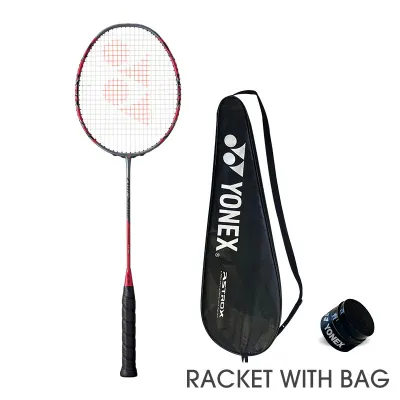
![[ RE-STOCK ] Yonex Isometric Arcsaber 11 Pro (Grayish Pearl) Badminton Racket Arc11-P 4U G5 /85g 24LBS 25LBS max](https://img.lazcdn.com/g/p/ea139ce637509fad896d2165e3e15be3.jpg_400x400q80.jpg_.webp)
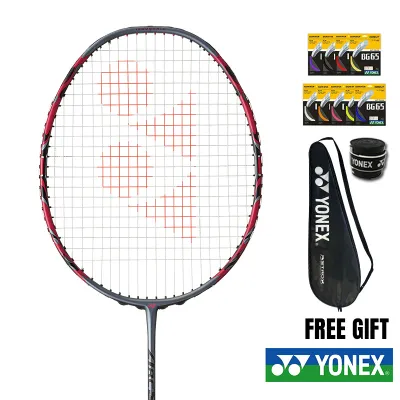
![【Buy 1 Get 5 Free】YONEX ARCSABER 11 PRO Badminton Racket Full Carbon Single 4UG5 26-30Lbs 83g Made In Japan [Freebies :2 * hand glue 12 * shuttlecock 2 * bag 1]](https://img.lazcdn.com/g/p/f324fe8eea630d27492994ffd6e64d8d.jpg_400x400q80.jpg_.webp)

Prices are valid at publication and may change. Please refer to the product page for the latest price.
How Weight and Balance Influence Racket Handling
The physical weight and balance of your racket dictate how much effort is required to initiate a swing and how stable the racket face remains upon impact. In control-oriented play, choosing between common weight categories like 3U (heavier) and 4U (lighter) involves a clear trade-off. A heavier frame provides greater natural momentum, helping you drive the shuttle deep into the opponent’s court with less physical effort. Conversely, a lighter frame excels in rapid defensive exchanges, allowing you to reposition the racket face quickly to intercept fast drives or smash returns.

Balance distribution further refines this handling dynamic. An even-balanced design distributes weight across the frame and handle to offer a neutral swing weight, which stabilizes the racket face during precise drop shots and net play. Unlike head-heavy rackets that pull your wrist forward or head-light options that prioritize pure speed, an even balance helps maintain a consistent face angle. However, static balance measurements do not tell the whole story. You should always test the actual swing weight—the dynamic feel of the racket in motion—because factors like grip wrapping and string choice can alter how heavy the racket feels during an active stroke.
Shaft Stiffness and Frame Design for Shot Precision
Shaft stiffness is the primary factor governing energy transfer and shuttle contact time. A stiff shaft, such as the one featured on this model, offers minimal flex during a swing, providing immediate feedback and highly accurate directional control for players with fast, developed swing speeds. If your technique is refined, a stiff shaft ensures that the racket head mirrors your wrist movements exactly. However, if your swing speed is slower, a stiff shaft can feel unforgiving, as it requires significant physical power to generate depth, whereas a more flexible shaft naturally bends to assist with power generation.
The frame design also plays a critical role in how the racket cuts through the air. Specialized frame profiles are engineered to reduce air resistance while enhancing torsional stability, meaning the frame resists twisting when you hit the shuttle off-center. This stability is crucial for maintaining accuracy during high-pressure rallies. Because frame profiles can vary slightly across different regional releases or model iterations, you should verify the exact frame shape and technology labels on your specific model. Matching this structural stiffness to your physical strength is vital; using a setup that is too demanding can lead to erratic shots and unnecessary fatigue.
Matching the Specs to Your Playstyle and Skill Level
An even-balanced, stiff racket is highly suited for tactical playstyles, but it requires a specific level of physical preparation. If your role on the court involves controlling the net in doubles or constructing patient, corner-to-corner rallies in singles, these specifications align perfectly with your tactical needs. The neutral balance allows you to transition smoothly from a low defensive stance to an aggressive intercept at the tape, while the stiff shaft ensures your net drops remain tight and predictable.
However, players transitioning from flexible or head-light recreational rackets must respect the adaptation threshold. In hot and humid tropical climates, such as playing in local sports centers in the Philippines without air conditioning, the air is denser, and shuttles can feel heavier. This environmental factor, combined with a stiff shaft, can increase the physical load on your wrist, elbow, and shoulder. To prevent joint strain and muscle fatigue, ensure you have the proper conditioning and technique before committing to long training sessions. If you are uncertain whether your swing speed and physical strength match these demanding specifications, consult a professional badminton coach or an experienced stringer to evaluate your form.
Frequently Asked Questions (FAQ)
What string tension is recommended for the Yonex Arcsaber 11 Pro?
You should always refer to the recommended tension range printed on the racket shaft or detailed in the official user manual. Selecting a tension within this manufacturer-approved range protects the structural integrity of the frame. Generally, higher string tensions offer greater control and sharper feedback but shrink the sweet spot, requiring precise hitting technique. In humid tropical environments, strings can lose tension faster, so regular checks are recommended to maintain consistent performance.
How does this racket compare to head-heavy attacking rackets?
Head-heavy attacking rackets concentrate weight at the top of the frame to maximize momentum and smash power, which can make quick defensive recoveries more physically demanding. In contrast, an even-balanced control racket like this one prioritizes maneuverability, quick defensive transitions, and precise placement. While head-heavy models assist with raw power, your personal technique, timing, and footwork ultimately dictate how effectively you can generate power and control the pace of the game.
Community discussion
Share your experience or ask a question. Comments are reviewed before publication.