
The Yonex Astrox 100ZZ is one of the most recognizable rackets on the modern badminton circuit, but its uncompromising technical profile means it is not a one-size-fits-all solution. Designed for aggressive, fast-paced play, this flagship model is engineered to deliver maximum power and surgical precision. However, unlocking its true potential requires a clear understanding of its demanding specifications.
Before investing in this premium racket, which typically sits in the high-end price tier above ₱11,000, you must evaluate how its weight, balance, and stiffness align with your physical capabilities. Choosing a racket that does not match your current skill level can hinder your development and lead to physical strain. By breaking down the technical numbers, you can determine if this powerhouse is the right tool to elevate your game.
Decoding the Core Specs: Weight, Balance, and Shaft Flex
To understand how the racket behaves on the court, you must first decode its three foundational specifications: weight class, balance point, and shaft flexibility. These metrics dictate how much physical effort you must exert to swing the racket and how much energy is transferred to the shuttlecock.
Products mentioned in this guide
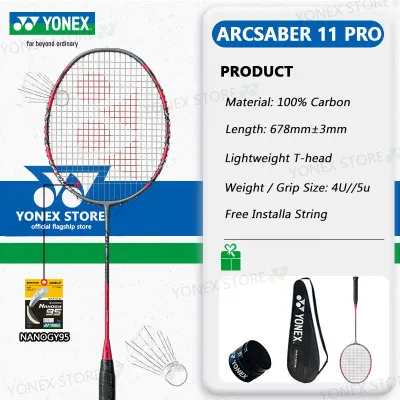
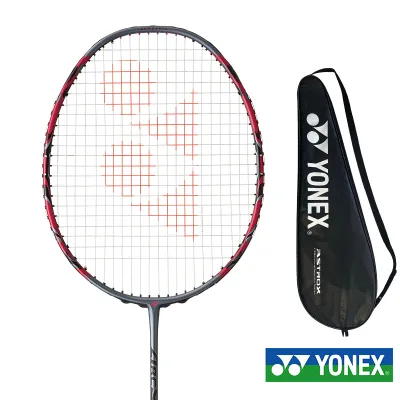
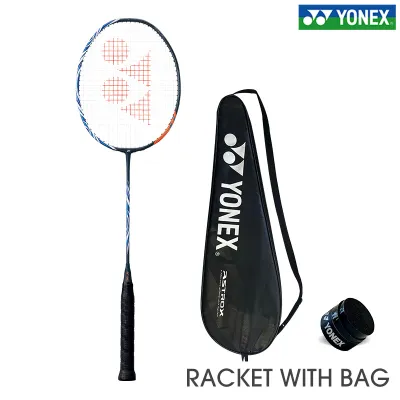
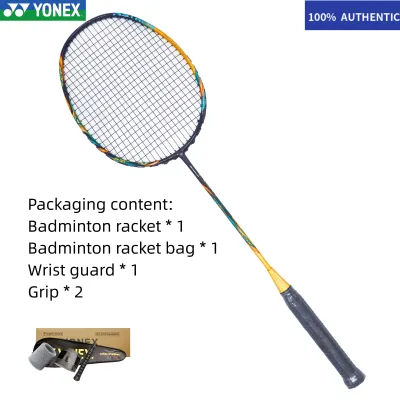
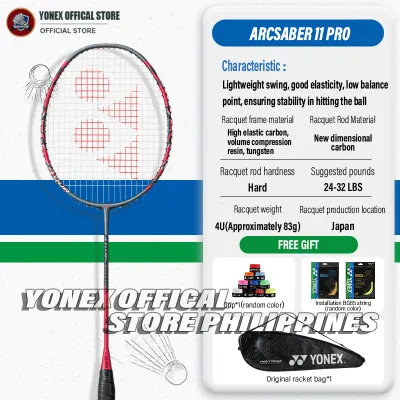
Prices are valid at publication and may change. Please refer to the product page for the latest price.
Weight Classes (3U vs. 4U)
The racket is primarily available in two weight classifications: 3U and 4U. Rather than focusing on exact gram measurements, it is more practical to understand how these categories affect overall mass and swing weight. The 3U version represents the heavier class, providing more raw mass behind every shot. This extra weight translates directly into heavier smashes, but it requires significantly more physical stamina to swing continuously throughout a long match. The 4U version is slightly lighter, offering a more balanced compromise between raw power and rapid recovery, making it highly popular among competitive players who value speed.
Balance Point (Head-Heavy)
Classified as a head-heavy racket, its weight distribution is strategically concentrated toward the top of the frame. In physics terms, this distribution increases the racket’s swing weight and momentum during an overhead stroke. When you initiate a smash, the heavier head acts like a hammer, utilizing centrifugal force to generate explosive downward acceleration. While this design is highly beneficial for attacking play, it requires stronger wrist and forearm muscles to control and redirect the racket head during fast exchanges.
Shaft Flex (Extra Stiff)
The shaft of this model is rated as extra stiff, which is the most demanding flex category in badminton. An extra stiff shaft does not bend easily during a swing; it requires an exceptionally high swing speed and explosive wrist snap to flex and snap back. When swung with sufficient speed, the shaft bends slightly and recoils instantly, transferring clean, concentrated power to the shuttle. If your swing speed is too slow, the shaft will remain rigid, acting like a solid board and failing to generate any elastic power.
Translating Specs to On-Court Performance
Technical specifications on paper tell only half the story. To truly appreciate this racket, you must understand how its physical properties translate into real-world performance during intense rallies, defensive stands, and fast-paced drives.

Attacking and Smashing
When you are on the offensive, the combination of a head-heavy balance and an extra stiff shaft creates a highly lethal attacking weapon. Overhead smashes benefit from the immense momentum generated by the heavy frame tip, resulting in steep angles and high shuttle velocity. Because the stiff shaft snaps back almost instantly, you can deliver consecutive attacks with minimal delay, maintaining relentless pressure on your opponents from the back of the court.
Defense and Drive
The primary trade-off of a head-heavy, stiff racket is its maneuverability in defensive scenarios. During rapid mid-court drives or low defensive blocks, the head-heavy distribution can make the racket feel sluggish when transitioning from forehand to backhand. You must rely heavily on short, explosive forearm and wrist movements to react to fast shots. If your defensive technique is undeveloped, you may find yourself struggling to keep up with fast-paced flat exchanges.
Control and Directional Accuracy
Where the extra stiff shaft truly shines is in its structural stability. Because the shaft resists bending and twisting (torsion) upon impact, the racket face remains perfectly aligned with your swing path. This stability offers unparalleled directional control, allowing you to execute tight net drops, precise cross-court slices, and deep, accurate clears. For players who possess highly consistent hitting technique, this racket provides the ultimate feedback and placement accuracy.
Player Profiling: Who Should (and Shouldn't) Use the 100ZZ?
Because of its extreme specifications, this racket is highly specialized. It is built to complement specific physical attributes and tactical styles, meaning it can either elevate a player’s game or severely limit it.
Skill Level Requirements
This racket is strictly recommended for advanced and highly trained intermediate players. Beginners and casual players should avoid it entirely. Without a highly developed kinetic chain—where power flows seamlessly from your legs, hips, and torso through to your wrist—you will struggle to clear the shuttle to the opponent’s baseline. More importantly, hitting with a stiff racket using improper form transfers the impact shock directly into your wrist, elbow, and shoulder, significantly increasing the risk of chronic joint injuries like tennis elbow.
Ideal Player Profile
The ideal user possesses explosive wrist and forearm strength, rapid swing speeds, and excellent physical conditioning. You must have clean, refined hitting mechanics that allow you to hit the sweet spot consistently. If your playing style relies on deceptive wrist work, fast overhead cuts, and high-intensity attacking rallies, the physical feedback of this racket will feel incredibly rewarding.
Singles vs. Doubles Application
In singles play, where rallies are highly tactical and require deep clears, precise drops, and heavy finishing smashes, the racket’s power and control are highly advantageous. In doubles play, its suitability depends heavily on your court position. Back-court specialists who dominate the rear court with heavy, continuous smashes will find it highly effective. Conversely, front-court players who rely on lightning-fast net interceptions and rapid reflex defense may find the head-heavy weight distribution too demanding for quick-fire net play.
Pre-Purchase Verification and Setup Guidelines
Because of its popularity, counterfeit versions of this racket are common in online marketplaces. Ensuring authenticity and setting up the racket correctly are essential steps to protect your investment and optimize your performance.
Authenticity Checks
When purchasing, look for the laser-engraved serial numbers on both the shaft and the cone of the racket. The fonts should be perfectly aligned, clean, and sharp. Authentic Yonex rackets feature a distinct hologram sticker on the cone that shifts color when tilted. To guarantee authenticity, always buy from authorized local sports distributors or official flagship brand stores in the Philippines rather than unverified third-party online sellers.
String Tension Boundaries
Adhering to the manufacturer’s recommended string tension limits is critical to preserving the structural integrity of the high-modulus graphite frame. The official tension limits are typically printed directly on the racket cone (often up to 28 lbs for the 3U version and 20-28 lbs for the 4U version). Exceeding these recommended limits during stringing can cause the frame to warp or collapse under pressure, which immediately voids any manufacturer warranty.
Grip Sizing
Selecting the right handle size, such as G5 (smaller) or G4 (larger), is essential for proper control. In the hot, humid tropical climate of the Philippines, sweat can easily cause the racket to slip or twist in your hand during high-impact swings. Adding a high-quality polyurethane overgrip or a moisture-absorbing towel grip will help manage sweat, ensure a secure hold, and allow you to maneuver the heavy head of the racket with confidence.
Frequently Asked Questions (FAQ)
Should I choose 3U or 4U for the Astrox 100ZZ?
Choosing between 3U and 4U depends on your physical stamina and playstyle. The 3U version offers more overall mass, allowing you to generate heavier, high-impact smashes, but it requires superior forearm strength and endurance to avoid fatigue during long matches. The 4U version is slightly lighter, offering faster swing recovery and better maneuverability in defensive situations, making it the preferred choice for players who want a head-heavy feel without excessively draining their physical energy.
Can beginners use a head-heavy, extra stiff racket?
No, beginners should avoid head-heavy, extra stiff rackets. Without advanced swing speed and proper hitting technique, a beginner cannot force an extra stiff shaft to flex. This results in weak, short clearances and poor power transfer. Additionally, the rigid shaft fails to absorb the impact of the shuttle, transferring the physical shock directly to your wrist, elbow, and shoulder joints, which significantly elevates the risk of injury.
Community discussion
Share your experience or ask a question. Comments are reviewed before publication.