
Selecting the right 16oz boxing gloves in the Philippines requires a clear understanding of how different manufacturing standards, padding materials, and closure systems perform under local training conditions. While 16oz is widely accepted as the standard weight for sparring and heavy bag conditioning, not all gloves of this weight are built the same. A glove designed for high-impact bag work may feature dense, compact foam that is too stiff for safe sparring, while a dedicated sparring glove might have soft, layered padding that quickly degrades if repeatedly slammed against a heavy bag.
Understanding these structural differences is essential for protecting your hands, supporting your wrists, and ensuring your gear survives the high humidity of local training environments. By evaluating the core components of glove construction, you can find a pair that matches your specific training regimen.
Why 16oz Gloves Matter for Sparring and Heavy Bag Work
Many local boxing and Muay Thai gyms in the Philippines strictly mandate 16oz gloves for any partner sparring. This rule is not arbitrary; the extra weight represents a larger volume of padding, which distributes the force of a blow over a wider surface area and slows down the acceleration of the punch. This significantly reduces the risk of cuts, bruises, and impact injuries for your training partner.
Products mentioned in this guide
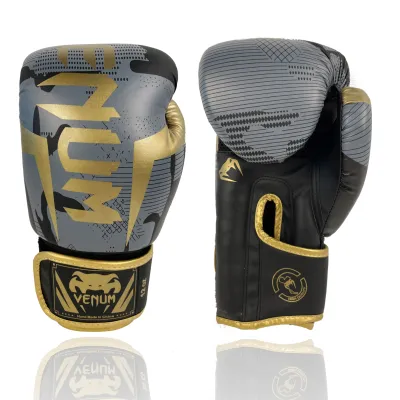
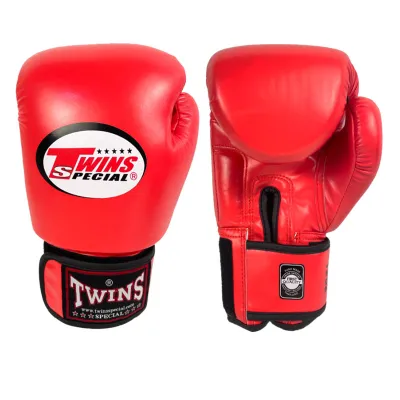
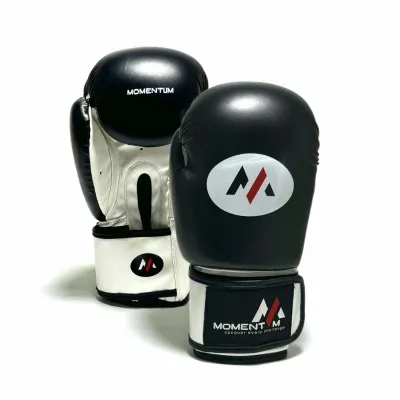
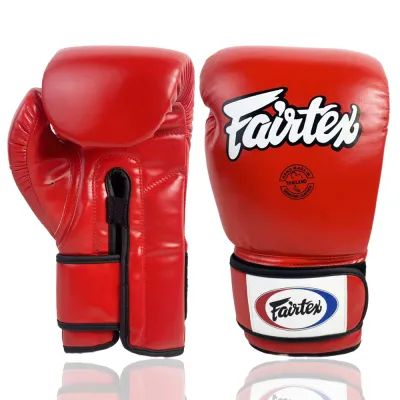
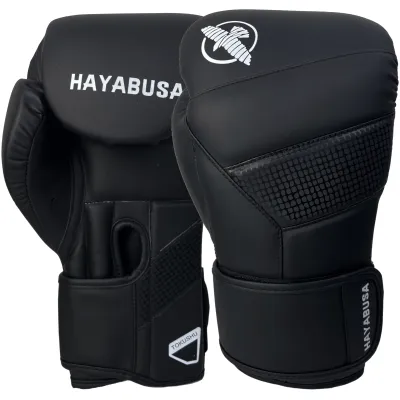
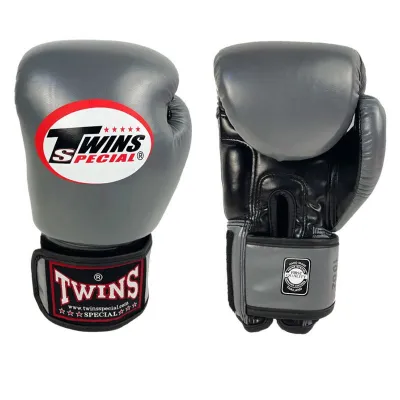
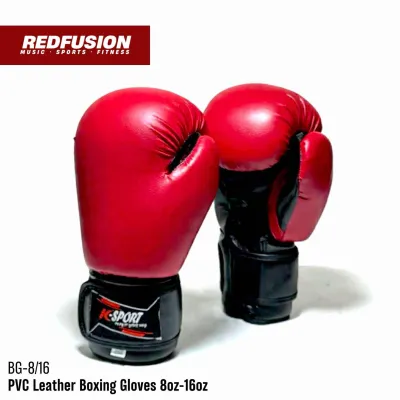
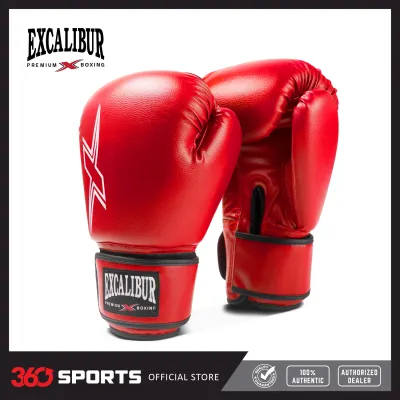
Prices are valid at publication and may change. Please refer to the product page for the latest price.
For solo training, using a heavier glove serves as an excellent conditioning tool. Throwing punches with 16oz gloves builds muscular endurance in the shoulders, upper back, and arms. When you eventually transition to lighter competition gloves or focus on speed drills, your hands will feel noticeably lighter and faster.
Furthermore, adult hands require a baseline level of protection during high-impact training. The bones in the hand, particularly the metacarpals, are fragile and prone to stress injuries when subjected to repeated impacts against a dense heavy bag. A 16oz glove provides the necessary mass and cushioning to absorb these forces, allowing for consistent, long-term training.
How to Compare Padding Quality and Impact Protection
Padding is the core of any boxing glove, and it generally falls into two categories: multi-layer foam and single-block injection-molded foam. Multi-layer foam combines sheets of varying densities—such as latex, memory foam, and closed-cell foam—to create a progressive cushioning system. This design is highly effective at dispersing shock because each layer absorbs a different frequency of impact force, making it a reliable choice for sparring.

In contrast, single-block injection-molded foam is created by injecting liquid foam into a pre-formed mold. This results in a highly consistent, uniform density throughout the glove. These gloves tend to be firmer and offer excellent shape retention, making them highly durable for heavy bag work, though they may require a longer break-in period before they are soft enough for sparring.
To evaluate padding quality, you must check for “bottoming out.” This occurs when the foam compresses completely under impact, allowing your knuckles to make direct contact with the target through the collapsed padding. You can test this by firmly pressing your knuckles against a hard surface while wearing the glove; if you can feel the hard surface clearly, the padding is inadequate or worn out.
There is a natural trade-off between maximum shock absorption and tactile feedback. Soft, pillowy sparring gloves absorb the maximum amount of energy, protecting your partner but offering less feedback on the angle of your wrist and knuckle alignment. Denser bag gloves provide a distinct sensation upon impact, helping you refine your punching technique on the bag.
Additionally, inspect the distribution of the padding. Some gloves concentrate the bulk of the 16oz weight directly over the knuckles, which is ideal for front-impact protection. Others distribute the weight more evenly across the back of the hand and wrist, which is beneficial for blocking kicks in Muay Thai or providing extra stability during defensive drills.
Evaluating Wrist Support and Structural Alignment
Wrist injuries are among the most common ailments in combat sports, making structural alignment a critical evaluation point. Gloves with long, stiff cuffs provide a splint-like effect that keeps the wrist joint straight and aligned with the forearm during impact. This design is highly recommended for heavy bag training, where off-center hits on a swinging bag can easily bend the wrist backward or sideways.
Shorter, more flexible cuffs allow for greater wrist mobility, which is often favored by Muay Thai practitioners who need to flex their wrists to catch kicks, clinch, or control their opponent’s head. However, this increased flexibility requires greater wrist strength and proper punching technique to prevent hyperextension.
The design of the thumb attachment is another vital safety feature. A fully attached thumb, sewn securely to the main body of the glove, prevents the thumb from flaring outward during a punch. This design minimizes the risk of catching the thumb on an opponent’s elbow or gear, which can cause painful sprains or dislocations.
When trying on a glove, perform a physical check to test its structural integrity. Put on your hand wraps, slip into the glove, and simulate a punch against a padded wall or palm. Pay attention to whether the wrist joint feels securely locked in place or if there is noticeable lateral play. The internal hand compartment should naturally guide your hand into a tight fist, with the grip bar positioned comfortably under your fingers to facilitate a natural clenching motion.
Lace-Up vs. Hook-and-Loop: Choosing the Right Closure
The choice between lace-up and hook-and-loop closures depends heavily on your training environment and whether you usually train alone or with a coach. Lace-up gloves offer a highly customized, secure fit. The laces can be tightened sequentially from the forearm to the wrist, conforming perfectly to the unique shape of your arm and providing excellent wrist stability. The primary drawback is practical: you cannot tie them yourself, meaning you will always need a training partner or coach to help you gear up and take them off.
Hook-and-loop closures utilize a wide strap that wraps around the wrist. This design offers immense convenience, allowing you to put on and remove your gloves in seconds. This is particularly useful for solo bag workouts, circuit training, or classes where you frequently transition between boxing drills, skipping rope, and bodyweight exercises.
However, hook-and-loop systems have a limited lifespan compared to laces. In the hot, humid climate of the Philippines, sweat and moisture can quickly accumulate on the straps. Over time, the hooks can become clogged with lint or lose their grip due to moisture exposure, causing the strap to peel open during intense sparring.
Some manufacturers offer hybrid closures or slip-on designs that attempt to combine the security of laces with the convenience of hook-and-loop. These often feature elasticated laces or a dual-strap system. While they provide a tighter fit than standard single-strap designs, they can still be bulky and may require some adjustment to find the right balance of tension.
Checking Material Durability and Construction Quality
The materials used in your gloves directly impact their lifespan, especially when subjected to the high humidity and intense heat of tropical training spaces. Genuine leather remains a durable and breathable option. Leather naturally stretches and molds to the shape of your hand over time, and it handles moisture well, provided it is dried properly after each session.
High-quality synthetic materials, such as microfiber or premium polyurethane, have advanced significantly. These synthetics are often easier to clean, do not require conditioning, and are highly resistant to moisture absorption. However, lower-grade synthetic gloves are prone to cracking, peeling, and developing unpleasant odors quickly when exposed to heavy sweat and humid air.
When inspecting a glove, look closely at the stitching, particularly around high-stress areas like the thumb attachment, the palm grip bar, and the seams along the cuff. Double-stitching or reinforced nylon thread is a strong indicator of quality construction that will resist tearing under repeated impact.
The inner lining should be smooth, moisture-wicking, and securely attached to the interior of the glove. A loose or poorly stitched lining can bunch up over time, causing discomfort and making it difficult to slide your hand in and out. It can also trap sweat, leading to bacterial growth and persistent odors. After a brief break-in period, the glove should maintain its structural integrity without the padding shifting or clumping inside the compartment.
Decision Framework: Which 16oz Glove Profile Fits Your Training?
To make an informed decision, match the glove’s structural profile to your primary training activities:
Choose a multi-layer foam, long-cuff, lace-up profile if your primary focus is technical sparring and you prioritize partner safety and wrist lockdown. This configuration ensures that your punches are well-cushioned, your wrists are fully supported against awkward angles, and the gloves remain securely in place throughout long rounds.
Choose a denser single-block foam, hook-and-loop profile if your training is heavily focused on the heavy bag, pad work, and you frequently train solo. The convenience of the strap allows you to manage your gear independently, while the denser foam protects your knuckles from bottoming out against hard bags.
Choose a balanced, mid-cuff hybrid profile if you need an all-around glove for mixed classes that include both light sparring and bag rounds. This versatile option offers a compromise, providing decent wrist support and moderate padding density that can handle multiple training modalities.
Verify first if you are buying online: check the retailer’s return policy for fit issues and ensure you try the gloves on while wearing your standard hand wraps. Because hand sizes and wrap thicknesses vary, a physical fit test is the only way to guarantee that the internal compartment matches your hand structure without causing painful pressure points.
Frequently Asked Questions (FAQ)
Can I use 16oz gloves for heavy bag training?
Yes, 16oz gloves are highly suitable for heavy bag training and provide excellent hand protection. The thick padding helps absorb the high-impact forces of striking a dense, heavy bag, reducing the risk of knuckle and wrist injuries. However, keep in mind that the extra weight will cause your shoulders to fatigue more quickly, which can temporarily reduce your punching speed and limit the tactile feedback you receive compared to lighter bag gloves.
How do I know if my 16oz gloves fit correctly with hand wraps?
To ensure a proper fit, always try on new gloves while wearing your standard length of hand wraps, typically 180 inches for adult hands. The glove should feel snug but not uncomfortably tight; your circulation should not feel restricted, and you should be able to open and close your hand with moderate effort. Your fingertips should rest comfortably near the top of the internal compartment without being bent or jammed against the seam, and the thumb should feel naturally aligned without being forced into an awkward angle.

Community discussion
Share your experience or ask a question. Comments are reviewed before publication.