
Choosing the right electric scooter as an adult rider involves balancing personal comfort, physical capability, and the realities of your daily route. While both two-wheel and three-wheel electric scooters offer efficient, eco-friendly ways to navigate urban environments, they cater to fundamentally different riding styles and physical needs. A two-wheel electric scooter is the classic choice for agility, speed, and easy carrying, whereas a three-wheel electric scooter prioritizes static balance, rider confidence, and a relaxed posture.
Navigating busy streets, dealing with sudden tropical downpours, and managing the physical effort of carrying a vehicle up pedestrian overpasses or onto public transit require a clear understanding of these design differences. Selecting the wrong configuration can lead to physical fatigue, storage difficulties, or a ride that feels unstable on uneven roads. By examining how each option performs across key categories, you can make an informed decision that aligns with your lifestyle and local commuting conditions.
Stability and Balance: Comparing the Riding Experience
The most immediate difference between these two configurations lies in how they interact with gravity and the rider’s body. A two-wheel electric scooter relies entirely on dynamic stability, meaning it requires forward momentum and active rider input to stay upright. When riding a two-wheel model, you must engage your core muscles, maintain a steady stance, and make continuous micro-adjustments with your handlebars and body weight. This active engagement provides a highly connected, athletic riding experience, but it can also lead to physical fatigue during long rides or in stop-and-go traffic.
Products mentioned in this guide
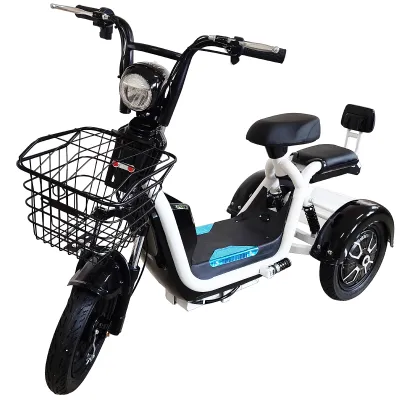
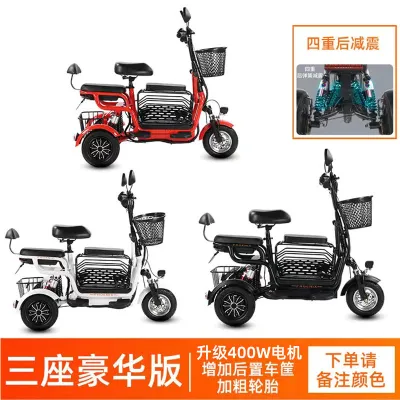
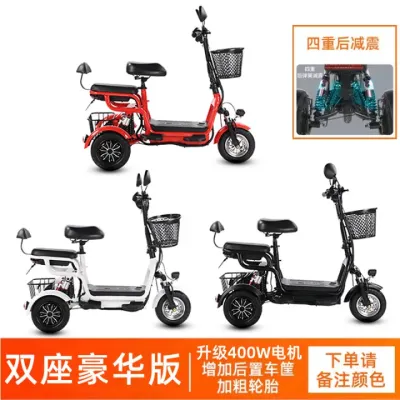
Prices are valid at publication and may change. Please refer to the product page for the latest price.
In contrast, a three-wheel electric scooter offers inherent static stability. Because it has three points of contact with the ground, many models can stand upright on their own without tipping over when brought to a complete stop. This design significantly lowers the learning curve, making it an excellent option for beginners who may feel anxious about balancing on two narrow wheels. It is also highly beneficial for older adults, individuals recovering from injuries, or riders with specific mobility and balance considerations who want to enjoy outdoor mobility without the constant physical strain of active balancing.
However, stability is not solely determined by the number of wheels; it is also heavily influenced by the vehicle’s physical dimensions and build quality. When reviewing manufacturer specifications, you should always verify the maximum weight capacity to ensure the frame can safely support your body weight along with any cargo, such as a heavy backpack. Additionally, check the deck width; a wider deck allows you to place your feet side-by-side or in a comfortable, wide staggered stance, which dramatically improves your overall balance. Finally, look for models with a low center of gravity, which is typically achieved by housing the heavy battery pack inside the deck rather than mounting it high up on the steering stem.
Maneuverability and Ride Quality on Different Terrains
How a scooter handles turns and navigates uneven surfaces directly impacts your safety and enjoyment on the road. Two-wheel electric scooters are highly celebrated for their agile maneuverability. They allow you to lean naturally into corners, executing tight turns and quick swerves to avoid sudden obstacles, pedestrians, or potholes. This nimble handling makes them incredibly efficient for weaving through congested city streets, narrow sidewalks, and crowded bicycle lanes.

Three-wheel electric scooters, by comparison, have a more restricted steering geometry and a wider turning radius. Because the frame is wider, you cannot lean as aggressively into turns without risking a tip-over, unless the scooter features a specialized tilting mechanism. The handling characteristics also depend heavily on the wheel configuration. Models with two wheels in the front (often called a tadpole design) generally offer more intuitive, car-like steering and better stability when cornering. Models with two wheels in the rear (a delta design) provide a very stable platform for straight-line riding but can feel rigid and require you to slow down significantly when making sharp turns to keep all wheels firmly on the ground.
To ensure the scooter can handle the specific road conditions of your daily commute, you must look beyond the wheel count and evaluate the suspension, tires, and motor power. Tropical urban environments often feature cracked asphalt, gravel patches, and sudden elevation changes. Check the product specifications for a robust suspension system—such as dual spring or hydraulic shock absorbers—to cushion your ride. Verify the tire material; pneumatic (air-filled) tires provide superior natural shock absorption and better grip on damp roads compared to solid rubber tires, which can feel harsh and slippery on wet surfaces. Lastly, ensure the motor wattage is sufficient to maintain speed on any inclines or flyovers along your route, as a struggling motor can compromise your balance and control.
Portability, Weight, and Storage Logistics
An electric scooter is only useful if it fits seamlessly into your daily routine, which often includes carrying, folding, and storing the vehicle. Two-wheel electric scooters are designed with portability as a primary focus. Most models feature a simple, quick-release folding mechanism that allows the steering stem to collapse down and lock onto the rear fender. Because they are streamlined and relatively lightweight, they are easy to carry with one hand, lift into a car trunk, or slide under a desk in a compact office.
Three-wheel electric scooters are inherently bulkier and heavier. The addition of a third wheel, a wider axle assembly, and a more robust frame structure adds significant weight and volume. Even when these models feature a folding mechanism, their folded dimensions remain substantial. This bulk makes them challenging to carry over long distances, lift up multiple flights of stairs, or transport on crowded public transit systems like elevated trains or buses.
Before making a purchase, it is crucial to evaluate your physical lifting limits and the storage spaces you use daily. Do not rely on generic marketing terms like “ultra-lightweight” or “easy storage.” Instead, locate the exact weight specification in the product manual and compare it to an object of similar weight that you can comfortably lift. Measure the dimensions of your car trunk, your apartment entryway, or your office storage corner, and compare these measurements directly with the manufacturer’s folded and unfolded dimensions. If your daily commute requires frequent lifting and multi-modal transport, the portability of a two-wheel model may outweigh the stability benefits of a three-wheel design.
Decision Framework: Which Scooter Configuration Fits You?
To choose the right electric scooter, you must weigh your physical requirements against your daily commuting environment. Use the following conditional framework to guide your decision:
Choose a 3-wheel electric scooter if:
- Your primary concern is physical stability and balance.
- You prefer a relaxed, upright riding posture.
- You have a dedicated garage or ground-floor storage space.
- You do not need to carry the vehicle up stairs or onto public transit.
- Your route consists of wide, relatively flat pathways.
Choose a 2-wheel electric scooter if:
- You need a highly portable vehicle that folds compactly.
- You frequently navigate tight spaces, sharp corners, and crowded streets.
- You need to carry the scooter onto public transportation or up stairs.
- You are comfortable engaging your core and actively balancing during the ride.
There are, however, scenarios where neither standard configuration is suitable. If your daily route involves traveling long distances on high-speed national highways, navigating extremely steep mountain roads, or traversing rough, unpaved off-road trails with deep mud and loose rocks, standard electric scooters are not safe or practical. In these cases, you should look into specialized utility electric vehicles, heavy-duty electric bicycles with large pneumatic tires, or light electric motorcycles that offer the necessary suspension, power, and safety features for extreme conditions.
Before finalizing your purchase, complete this pre-purchase verification checklist to ensure a safe and legal ownership experience:
- Local Traffic Regulations: Check the latest guidelines from the Land Transportation Office (LTO) and your local barangay. Verify where electric scooters are permitted to ride, as many areas restrict them to bicycle lanes and local roads while banning them from major national highways.
- Helmet and Safety Laws: Confirm the local requirements for protective gear. Many municipalities strictly mandate the use of certified helmets and reflective vests, especially when riding at night.
- Warranty and Support: Review the manufacturer's warranty terms, paying close attention to coverage for the battery, motor, and electronic controller. Ensure there is a clear policy regarding water exposure, as tropical climates present unique challenges.
- Local Service Availability: Verify that there are local physical service centers or authorized mechanics in your area who can perform routine maintenance, source replacement tires, and safely handle battery replacements.
Frequently Asked Questions (FAQ)
Do I need a license to ride an electric scooter in the Philippines?
Under current guidelines from the Land Transportation Office (LTO), low-speed electric scooters with a maximum design speed below 25 kilometers per hour generally do not require a driver’s license or official vehicle registration, provided they are operated on designated bicycle lanes, local barangay roads, or private pathways. However, higher-powered electric scooters with larger motors and higher top speeds may fall into different regulatory categories that require registration and a valid driver’s license. Because local ordinances can vary significantly between different cities and barangays, you should always verify the specific rules of your local government unit before riding in public spaces.
Are 3-wheel electric scooters safer to ride in the rain?
While a three-wheel electric scooter provides an extra contact patch with the road, which can offer a slight improvement in lateral stability on wet surfaces, it is not inherently safer to ride in the rain. True wet-weather safety is determined by tire tread design, braking efficiency, and the vehicle’s official Ingress Protection (IP) rating. Tires with deep treads are necessary to channel water away and prevent hydroplaning, while high-quality disc or drum brakes are essential for reliable stopping power on wet asphalt. Always check the manufacturer’s specifications for an IP rating (such as IPX4 or IPX5) to verify water resistance, and avoid riding through deep puddles, flooded streets, or heavy downpours, as water can damage sensitive electronics and severely compromise your traction.

Community discussion
Share your experience or ask a question. Comments are reviewed before publication.