
Choosing between a 3-wheel and a 2-wheel electric scooter depends on whether you prioritize effortless standstill stability or nimble, lightweight portability. While traditional two-wheelers dominate urban streets, three-wheel alternatives—including models like the iBike 3-wheel configurations—are gaining traction among riders seeking a more grounded, confidence-inspiring platform. The core trade-off is straightforward: three-wheel designs offer excellent static stability, meaning they can stand upright on their own or require minimal effort to balance at slow speeds. Conversely, two-wheel models excel in agility, natural leaning mechanics, and compact portability, making them easier to fold and carry. To make the right choice for your daily travels, you must evaluate your personal riding experience, the specific terrain of your route, and your storage or carrying constraints.
Stability vs Maneuverability: How the Wheel Count Changes Your Ride
The fundamental difference between these two configurations lies in how they distribute weight and interact with the ground. A three-wheel setup typically utilizes either two wheels in the front (a tadpole design) or two wheels in the rear (a delta design) to create a wide triangular footprint. This geometry provides exceptional static stability, allowing the scooter to remain upright even when completely stopped. For riders who feel anxious about balancing at slow speeds or when waiting at busy intersections, this design eliminates the need to constantly plant a foot on the ground.
In contrast, a standard two-wheel electric scooter relies entirely on dynamic stability. It requires forward momentum and active rider input to stay upright. While this demands more initial balance and core engagement, it unlocks a level of maneuverability that three-wheel models cannot match. On a two-wheel scooter, steering is an intuitive, full-body experience where you lean into turns to carve tight corners. This narrow profile allows you to weave through tight spaces and make sudden adjustments with minimal physical effort.
Products mentioned in this guide
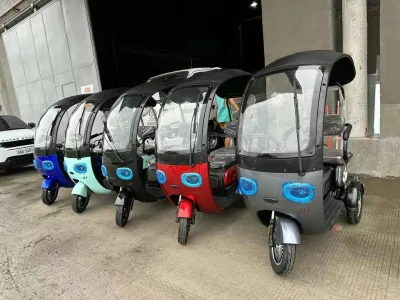
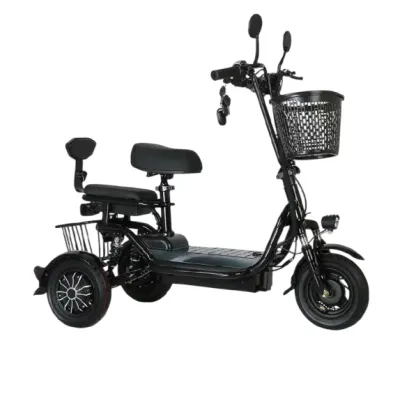
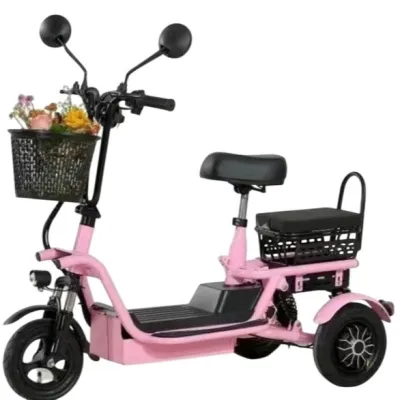
Prices are valid at publication and may change. Please refer to the product page for the latest price.
Three-wheel scooters handle turns differently depending on their steering mechanism. Some models use a rigid, direct-handlebar steering system that requires you to physically turn the bars, which can result in a wider turning radius and a slightly stiff riding sensation. Other advanced models feature a lean-to-steer mechanism that mimics the carving motion of a skateboard or snowboard. While lean-to-steer systems offer a more dynamic feel, they still require a larger physical turning circle than a nimble two-wheeler, making quick U-turns in narrow pathways more challenging.
Practical Trade-Offs: Weight, Storage, and Terrain Handling
Daily usability is heavily influenced by the physical footprint of your chosen configuration. The addition of a third wheel, a wider axle, and a larger deck inevitably increases the overall weight of the vehicle. In tropical climates where high humidity and heat make physical exertion taxing, carrying a heavy, bulky scooter can quickly become exhausting. If your daily commute involves lifting your vehicle up the stairs of an LRT or MRT station, or hoisting it into the trunk of a car, a lightweight two-wheel model is significantly easier to manage.

Terrain adaptability also varies between the two designs. Urban roads often feature uneven pavement, sudden potholes, and wet, slippery surfaces due to seasonal downpours. A wider three-wheel base provides a broader contact patch, which can offer a reassuring sense of grip on flat, wet asphalt. However, this wider track also means you have more wheels to position. Avoiding a pothole on a two-wheel scooter is simple because you only need to steer a single line. On a three-wheel scooter, you must account for the width of the entire axle, making it harder to dodge road imperfections on poorly maintained streets.
Storage and multi-modal transit present another set of challenges. A two-wheel scooter folds down into a sleek, linear shape that easily slides under an office desk, fits between seats on public transit, or tucks away in a cramped hallway. A three-wheel scooter, even when folded, retains its wide wheel track. This bulkier shape makes it difficult to bring onto crowded jeepneys, buses, or tight indoor spaces, requiring you to verify storage dimensions beforehand.
Essential Specifications to Check on 3-Wheel and 2-Wheel Models
Because performance and safety vary significantly by specific model, you should carefully verify the manufacturer’s specifications before making a decision. First, examine the steering and suspension setup. For three-wheel models, check whether the front axle features independent suspension, which helps keep all wheels in contact with the ground when riding over uneven surfaces. For two-wheel models, look for robust front and rear spring or hydraulic suspension to cushion the impact of rough roads.
Weight capacity and motor power are equally critical. A heavier three-wheel frame requires more torque to accelerate and climb inclines, such as flyovers or steep driveways. When comparing options, check the rated motor wattage and torque specifications to ensure they can handle your weight plus any cargo. Always verify the maximum weight capacity listed by the manufacturer, as overloading any scooter will rapidly degrade battery life and strain the motor.
Stopping power is your primary safety defense, especially on wet or crowded roads. A wider wheelbase and increased overall weight generate more momentum, requiring highly responsive brakes. Verify whether the scooter features dual disc brakes, electronic regenerative braking, or a combination of both. For three-wheel configurations, ensure the braking system is designed to apply even stopping force across the wider axle to prevent the vehicle from pulling to one side during sudden stops.
Decision Framework: Choose 3-Wheel or 2-Wheel?
To finalize your choice, evaluate how your typical riding conditions align with the strengths of each configuration.
Choose a 3-wheel electric scooter if:
- You prioritize maximum stability at a standstill and want to ride without constantly balancing.
- You are recovering from a minor balance-related injury or prefer a low-impact, highly stable riding experience.
- Your daily route consists of flat, predictable surfaces with minimal need to lift, fold, or carry the scooter over obstacles.
Choose a 2-wheel electric scooter if:
- You need a lightweight, highly portable commuter tool that folds down into a compact shape.
- You frequently navigate tight crowds, narrow pathways, and varied road conditions that require quick, agile steering.
- Your commute involves multi-modal transit, such as boarding trains, buses, or jeepneys where space is highly limited.
Before purchasing, always verify local transport regulations regarding electric scooters on public roads and transit networks. If you plan to carry heavy cargo or ride in hilly areas, verify that the scooter’s motor torque and battery capacity are rated for your specific demands.
Frequently Asked Questions (FAQ)
Are 3-wheel electric scooters safer for beginners?
While three-wheel electric scooters offer excellent stability when stationary or moving at very slow speeds, they are not inherently safer in all riding scenarios. Beginners often find the lack of tipping reassuring, but they must still learn how to manage the wider turning radius and different steering dynamics. Two-wheel scooters require some initial balance practice, but their natural leaning mechanics can feel more intuitive once you master the basics. Regardless of the configuration, wearing proper protective gear and practicing in a controlled environment are essential for safety.
Can I convert a 2-wheel scooter into a 3-wheel scooter?
Converting a standard two-wheel electric scooter into a three-wheel model is highly discouraged. Structural modifications of this nature are not supported by manufacturers and will immediately void your warranty. Attempting a DIY conversion by altering the axle, deck, or steering column poses severe safety risks, as it can compromise the structural integrity, braking efficiency, and motor alignment of the vehicle. If you require the stability of a three-wheel design, it is best to purchase a purpose-built model designed and tested by a reputable manufacturer.

Community discussion
Share your experience or ask a question. Comments are reviewed before publication.