
Group camping in the Philippines offers incredible opportunities to connect with nature, from the cool ridges of Benguet to the sandy shores of Anawangin. However, the country’s tropical climate presents unique challenges, characterized by sudden torrential downpours, high humidity, and intense solar exposure. Selecting a large waterproof tent requires looking beyond basic marketing labels to evaluate structural integrity, material specifications, and ventilation designs. This guide provides a comprehensive evaluation framework and condition-based selection guide to help you narrow down your choices based on verified specifications, structural layouts, and local weather considerations.
Key Features to Evaluate for Philippine Weather Conditions
To withstand the heavy tropical downpours common during the monsoon season, you must understand hydrostatic head (HH) ratings. This rating, measured in millimeters (mm), indicates the amount of water pressure a fabric can withstand before water starts to penetrate. For reliable protection in the Philippines, look for a rainfly with a minimum rating of 1500mm to 2000mm, while tent floors should ideally feature a rating of 3000mm or higher to resist ground moisture under pressure.
Beyond fabric ratings, the physical construction of the tent’s weatherproofing is critical. A full-coverage rainfly that extends all the way to the ground is essential for shedding wind-driven rain, as partial rainflies often allow water to blow underneath. Bathtub-style floors, which wrap several inches up the sides of the tent before meeting the wall seams, prevent standing water from seeping through the floor joints. Additionally, verify that all seams are factory-taped or sealed, as needle holes from stitching are the most common entry points for water during prolonged storms.
Products mentioned in this guide
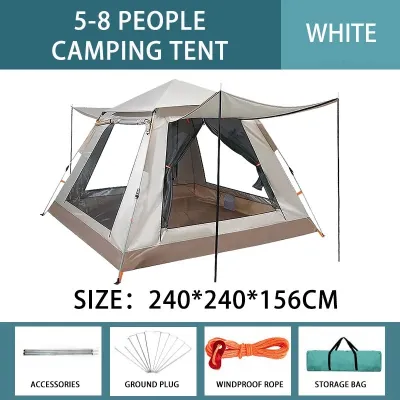
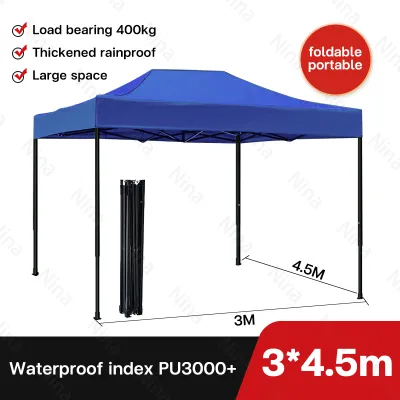
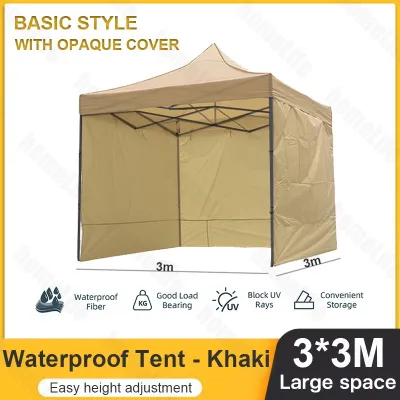
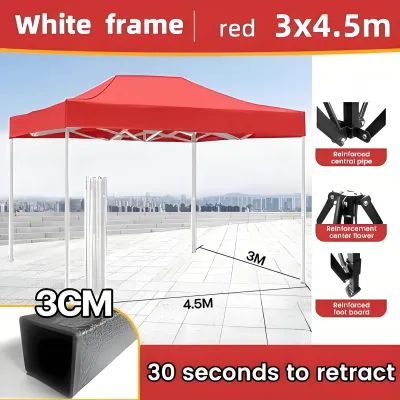
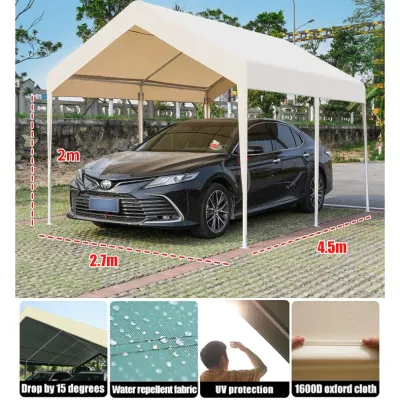
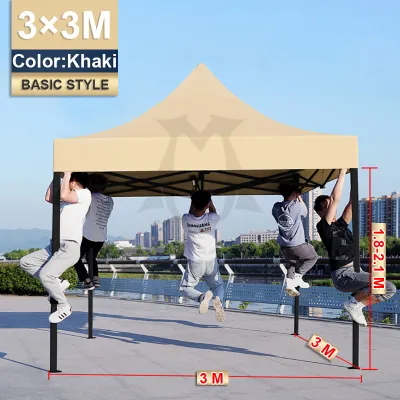
Prices are valid at publication and may change. Please refer to the product page for the latest price.
In a hot and humid climate, waterproofing must be carefully balanced with adequate ventilation. A completely sealed waterproof tent will quickly trap body heat and exhaled moisture, leading to heavy interior condensation that mimics a leak. To prevent this, prioritize tents with extensive mesh panels, adjustable low-to-high venting systems, and rainfly designs that can be propped open even during active rainfall. This continuous airflow helps equalize interior and exterior temperatures, keeping the living space dry and comfortable.
Sizing and Capacity Guidelines for Group Camping
When planning a group camping trip, relying solely on the manufacturer’s rated capacity can lead to cramped and uncomfortable nights. A tent rated for six people is typically designed to fit six standard sleeping pads side-by-side with virtually no room for personal gear, bags, or walking paths. To ensure a comfortable experience, a practical rule of thumb is to subtract two people from the rated capacity; for example, an eight-person tent is usually ideal for a group of six adults with their gear.

The structural shape of the tent also dictates how usable the interior space will be for your group. Cabin-style tents feature near-vertical walls and high ceilings, offering excellent standing headroom and a spacious feel that is perfect for social gatherings, though they present a large profile that catches the wind. Dome-style tents utilize sloping walls that shed wind exceptionally well, making them highly stable, though they offer less headroom near the perimeter. Tunnel tents provide an excellent compromise, offering a long, tunnel-like living space with good headroom and wind resistance when aligned correctly with the wind direction.
For larger groups, interior layout features can significantly enhance the camping experience. Multi-room dividers allow you to partition the tent into separate sleeping quarters or create a dedicated living area, providing essential privacy for mixed groups. Furthermore, choosing a tent with multiple doors ensures that campers can enter and exit during the night without stepping over others, greatly improving overall traffic flow and convenience.
Material and Structural Durability Checks
The longevity of your group tent depends heavily on the quality of its fabrics and coatings. Most family-sized tents are constructed from polyester or nylon, with polyester being highly favored for tropical use due to its superior resistance to UV degradation and its tendency to stretch less when wet. Pay close attention to the denier (D) rating of the fabric, which measures fiber thickness; a higher denier (such as 150D or 75D) indicates a thicker, more puncture-resistant material that can withstand rough ground and frequent handling.
The frame of the tent is its backbone, and the choice of pole material directly impacts wind resilience and weight. Aluminum poles are highly recommended for large tents because they are lightweight, exceptionally strong, and flexible enough to bend without breaking under heavy wind loads. Fiberglass poles are a more budget-friendly alternative, but they are heavier, less flexible, and prone to splintering or shattering when subjected to sudden, intense gusts of wind.
Before finalizing your selection, inspect the critical stress points that are most vulnerable to wear and tear. Look for tents with reinforced corner webbing, double-stitched seams, and heavy-duty, smooth-gliding zippers that resist snagging. The quality of the stakes included with the tent is also vital; standard thin steel pegs often bend easily in hard clay or fail to hold in loose sand, so upgrading to robust aluminum or specialized sand stakes is often necessary depending on your destination.
Setup Logistics and Portability Trade-offs
Large group tents are inherently heavy and bulky, which makes transport logistics a key consideration. A massive multi-room tent can easily weigh between 15 to 25 kilograms and occupy a significant portion of your vehicle’s trunk space. While this is perfectly manageable for drive-in car camping sites, it becomes a major obstacle if your trip involves boat transfers, short hikes, or carrying gear across rough terrain to reach the campsite.
The complexity of the setup process is another trade-off to evaluate. Erecting a large, multi-pole tent typically requires at least two to three people working together to lift the heavy fabric and secure the frame safely, especially if there is a breeze. Tents with color-coded poles and intuitive sleeve-and-clip systems can dramatically reduce setup time and minimize confusion during assembly.
You will also encounter instant or pop-up tent designs, which feature pre-attached, telescoping frames that set up in minutes. While highly convenient, these instant mechanisms are significantly heavier and bulkier when packed, and they contain complex joints that represent potential failure points. If an instant pole mechanism breaks in a remote area, it is incredibly difficult to repair in the field, whereas traditional shock-corded poles can be easily splinted with a temporary sleeve or tape.
Condition-Based Selection Framework
To choose the right tent, you must match its design strengths to your specific camping environment, as no single model excels in every scenario. For car camping at established campsites, where weight and packed size are minor concerns, you should prioritize maximum comfort. Look for large cabin-style tents with standing-height ceilings, multiple rooms, and heavy-duty materials that provide a home-like experience while offering robust protection against sudden rain showers.
If your group is heading to coastal areas or beach campsites, your priorities must shift toward wind resistance and ventilation. Coastal environments are prone to strong, shifting sea breezes and intense sun exposure, making aerodynamic dome or tunnel shapes with high UV-resistant coatings essential. Ensure the tent features massive mesh windows to maximize cooling breezes, and verify that you have compatible sand anchors or stakes to secure the structure in loose, shifting ground.
For mountain camping or elevated terrain where weather conditions can change rapidly, structural stability and wind-shedding are paramount. Choose a low-profile dome tent equipped with high-quality aluminum poles and a full-coverage rainfly that can be securely guyed out to the ground. These features help the tent withstand strong mountain gusts and heavy, driving rain on exposed ridges, ensuring your group remains safe and dry throughout the night.
Frequently Asked Questions (FAQ)
How should I store a wet tent after a camping trip?
Storing a wet tent is one of the fastest ways to ruin its waterproof coatings and fabric. In the warm, humid climate of the Philippines, mold and mildew can develop within 24 to 48 hours, leading to unpleasant odors and the degradation of the polyurethane (PU) waterproof layer. Always pitch or hang your tent to air-dry completely as soon as you return home.
While drying your tent, avoid leaving it in direct, intense sunlight for extended periods, as prolonged UV exposure can weaken the fabric fibers and damage the protective coatings. Once the tent is entirely dry to the touch, store it loosely in a cool, dry place. Using a breathable cotton or mesh storage bag is highly recommended over stuffing it back into its tight, original carrying sack, as this prevents moisture buildup and creases in the fabric.
Do I need a footprint for a large waterproof tent?
Using a footprint, or a dedicated groundsheet, is highly recommended for large group tents to extend their lifespan and enhance moisture protection. The footprint acts as a sacrificial barrier between the tent’s bathtub floor and the ground, protecting it from sharp rocks, twigs, and abrasive soil that can cause micro-punctures over time. It also adds an extra layer of defense against subsurface moisture seeping through the floor.
When using a footprint, it is critical to ensure that its dimensions are slightly smaller than the base of your tent. If the footprint extends beyond the edges of the tent floor, it will act as a funnel, catching rainwater shedding off the rainfly and pooling it directly underneath your tent. Folding any excess footprint material under the tent floor will prevent this issue and keep the underside of your tent dry.

Community discussion
Share your experience or ask a question. Comments are reviewed before publication.