
Finding the right yoga mat in the Philippines involves balancing comfort, stability, and how well the material holds up under local humidity. While an adidas yoga mat is a highly accessible option often found in major sporting goods stores, it may or may not be the ideal match for your specific practice. The ideal choice depends on whether you need a versatile, cushioned surface for general fitness or a high-traction, specialized grip for intense, sweaty vinyasa sessions. By comparing key factors like material density, surface texture, and local retail value, you can determine if this classic athletic brand fits your routine or if a specialized yoga label is a better investment.
Setting the Baseline: Core Differences Between Adidas and Competing Brands
To make an informed choice, it helps to understand where different brands position their products in the fitness market. Adidas typically designs its mats as multi-purpose fitness gear, often utilizing lightweight thermoplastic elastomer (TPE) or durable polyvinyl chloride (PVC) blends. These materials are engineered to withstand diverse workouts, from floor stretches and core exercises to light yoga sessions. This multi-sport focus makes them highly versatile for individuals who combine yoga with strength training or high-intensity interval training (HIIT).
In contrast, specialized yoga brands often focus on dedicated practitioners, offering mats made from natural rubber, polyurethane (PU), or cork. These alternative materials target specific performance needs, such as extreme wet grip or eco-conscious sourcing, but they often come with a higher price tag and heavier weight. They are designed specifically for the slow, precise movements of yoga rather than the high-impact friction of cross-training shoes.
Products mentioned in this guide
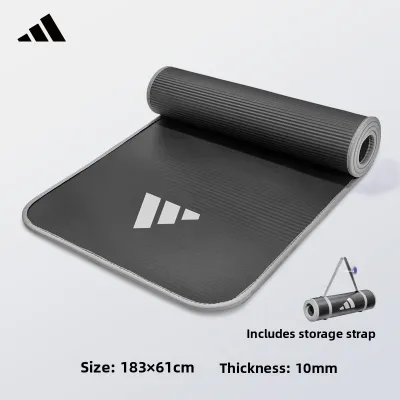
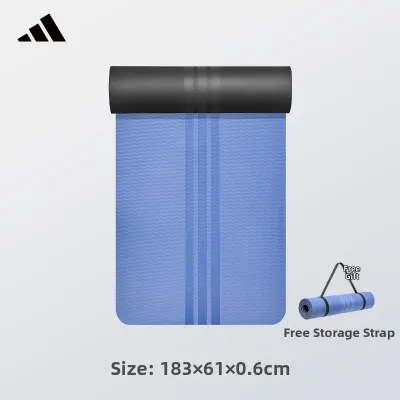
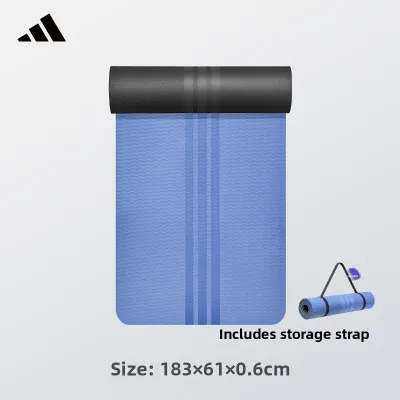
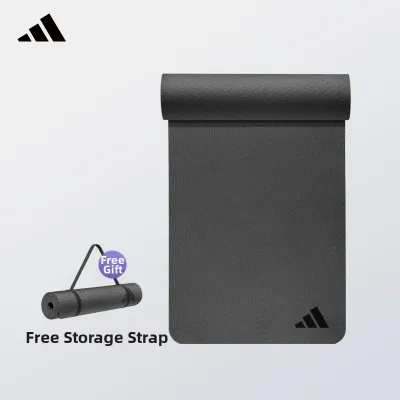
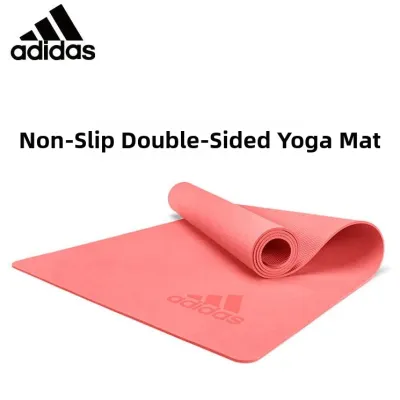
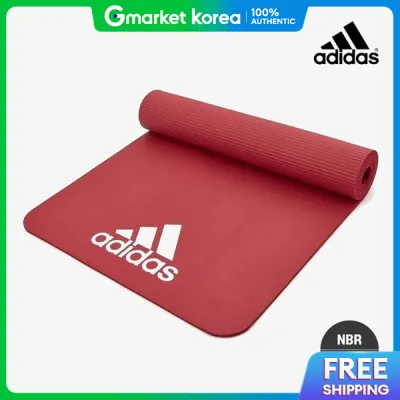
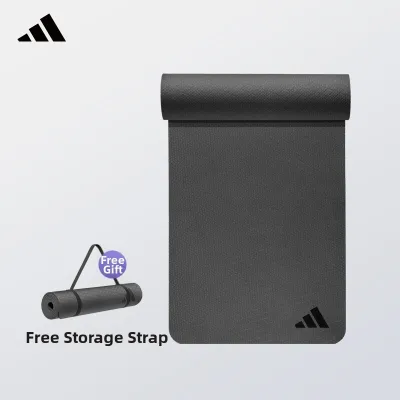
Prices are valid at publication and may change. Please refer to the product page for the latest price.
When evaluating these options, your decision will ultimately hinge on three core dimensions: how the thickness supports your joints, how the surface texture handles sweat in a tropical climate, and whether the price in ₱ aligns with your expected usage frequency. Understanding these baseline differences prevents you from purchasing a mat that is either too delicate for your workouts or lacks the specialized traction required for advanced poses.
Comparing Thickness: Cushioning vs. Stability for Your Practice
The thickness of your mat directly influences both your joint comfort and your ability to hold balancing poses without wobbling. Thicker mats, typically ranging from 6mm to 8mm, provide excellent cushioning for sensitive knees, elbows, and hips during restorative poses or floor-heavy workouts. However, this extra cushion can create an unstable, squishy foundation that makes standing balance poses, like tree pose, more challenging to execute.

Thinner mats, usually between 3mm and 5mm, keep you closer to the floor, offering a firmer, more stable connection to the ground. This stability is highly valued in active, standing-heavy practices where precise alignment and balance are critical. Many advanced practitioners prefer a thinner profile because it allows them to feel the floor and maintain solid footing throughout complex transitions.
Because adidas offers various models across different fitness lines, you should always check the exact millimeter (mm) specification on the product label or online listing before purchasing. Keep in mind that material density plays a massive role in how that thickness actually feels; a dense 4mm natural rubber mat can feel more supportive and protective than a lightweight, low-density 6mm foam mat that compresses completely under your weight. When comparing brands, look for specifications regarding density or weight, as a heavier mat of the same thickness generally indicates higher density and better joint protection.
Additionally, consider how you plan to transport your mat to and from classes. A thick, low-density mat might be lightweight but bulky to carry, whereas a dense, thin natural rubber mat can be surprisingly heavy despite its slim profile. If you commute frequently in urban areas, a lightweight TPE mat in the 4mm to 6mm range often strikes the best balance between portable convenience and adequate joint cushioning.
Evaluating Grip and Material: Surface Texture and Sweat Resistance
Grip is your primary safety feature during a yoga practice, preventing your hands and feet from sliding out of alignment. The level of traction you experience depends heavily on the mat’s material and its surface texture. Many adidas mats feature textured, embossed patterns designed to provide dry grip for general fitness routines, which works well if your hands stay relatively dry.
However, in the warm and humid climate of the Philippines, sweat can quickly turn a closed-cell surface—like standard PVC or TPE—into a slippery slide. Closed-cell materials do not absorb moisture, which makes them highly hygienic and easy to wipe clean, but less effective at managing heavy sweat during dynamic practices. This can lead to minor slips that disrupt your focus and compromise your form during transitions.
In contrast, open-cell materials, such as polyurethane or natural rubber, absorb moisture as you sweat, maintaining a high level of traction even when wet. While these materials offer superior grip for hot yoga or intense vinyasa, they require more diligent cleaning to prevent sweat and oils from building up inside the pores of the mat.
If you practice active styles like Ashtanga or Power Yoga, you may want to perform an easy observable check: place your hands and feet on the mat in a downward-facing dog pose to see if you begin to drift. For mats made of closed-cell materials, keeping a microfiber yoga towel nearby to lay over the surface is a practical way to manage sweat and maintain traction. Always verify the exact material composition on the manufacturer’s tag rather than relying on brand reputation alone, as different materials require entirely different handling.
Assessing Value: Price Points, Durability, and Long-Term Use
Evaluating the true value of a yoga mat requires looking beyond the initial purchase price to consider how long the mat will last under regular use. To find the best deal, compare current prices in ₱ across authorized local sports retailers and trusted online marketplaces, keeping an eye out for seasonal promotions. Generally, multi-purpose fitness mats from athletic brands like adidas sit at a mid-range price point, making them more budget-friendly than premium, specialized yoga mats.
Durability is another critical factor to check before you buy. Look closely at the edges of the mat to verify if they are reinforced or if the material is prone to flaking and tearing when stretched. High-quality TPE and PVC mats should roll and unroll smoothly without retaining deep creases or curling permanently at the corners, which can create a tripping hazard during your practice.
To protect your investment and ensure the mat retains its grip over time, always follow the specific care instructions on the product label. Avoid exposing your mat to direct sunlight for extended periods, especially in hot tropical conditions, as UV rays can degrade TPE and natural rubber, causing them to crumble and lose their structural integrity. Regular, gentle cleaning with a damp cloth and mild soap is usually sufficient to keep closed-cell mats fresh and functional.
Furthermore, consider the storage requirements of your chosen material. Natural rubber mats often require specialized cleaners and must be stored away from heat sources to prevent premature aging, whereas synthetic TPE and PVC mats are much more forgiving of casual storage habits. If you want a low-maintenance mat that you can quickly wipe down and toss in a closet, a synthetic option offers excellent long-term value.
Decision Framework: Which Yoga Mat Fits Your Practice and Budget?
To simplify your decision, use this straightforward framework to match a mat to your lifestyle, budget, and physical needs.
Choose an adidas mat if you are looking for a versatile, lightweight, and durable option for general home workouts, stretching, and light yoga sessions. These mats are highly portable, easy to clean, and offer a balanced level of cushioning that suits a variety of floor exercises without demanding a premium investment. They are ideal for fitness enthusiasts who want one reliable mat for multiple activities.
Choose a specialized competing brand if your primary focus is dedicated, sweaty yoga practices like Hot Yoga or Vinyasa, where you require the advanced wet grip of polyurethane or the heavy, grounded stability of natural rubber. These specialized mats are better suited for practitioners who prioritize technical performance over multi-purpose fitness utility.
Verify first if you have any material sensitivities, such as latex allergies, which would make natural rubber mats unsuitable for your skin. Additionally, always double-check the seller’s authenticity and return policies when shopping on local ecommerce platforms to ensure you are receiving a genuine product with the correct material specifications.

Community discussion
Share your experience or ask a question. Comments are reviewed before publication.