
Finding the right roller skate shoes for kids boys in the Philippines involves balancing rapid growth spurts with the physical demands of outdoor play. Whether your child is cruising around the local barangay basketball court or practicing tricks at an indoor rink, the choice between adjustable and fixed-size skates directly impacts their safety, comfort, and skill progression. While adjustable skates offer a practical way to accommodate growing feet over several years, fixed-size skates deliver the uncompromising ankle support and precise power transfer required for advanced maneuvers. Understanding how these sizing specifications function allows you to make an informed, cost-effective decision that keeps your young skater safe and active.
Decoding Adjustable Roller Skate Sizing Specs
Adjustable roller skates are engineered to expand as a child’s feet grow, typically covering a range of three to four standard shoe sizes. Manufacturers usually label these skates in ranges such as Small (often covering sizes 11J to 1), Medium (sizes 1 to 4), or Large (sizes 5 to 8). When selecting a range, always match your boy’s current foot length to the lower end of the specification scale to maximize the lifespan of the skates.
The expansion is controlled by a mechanical adjustment system, most commonly a spring-loaded push-button or a tool-adjustable bolt near the heel or midfoot. To verify the quality of this mechanism, press the button and slide the toe cap forward and backward; it should lock securely into each designated size notch without any wiggle or play. A loose adjustment mechanism can shift during a skate session, compromising balance and risking sudden falls.
Products mentioned in this guide
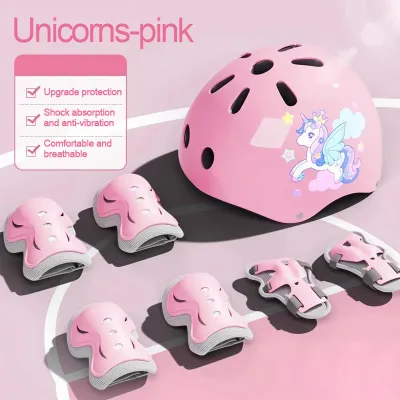
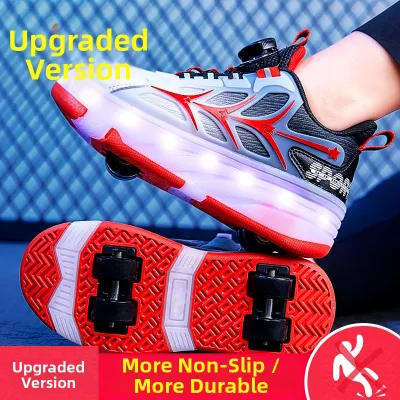
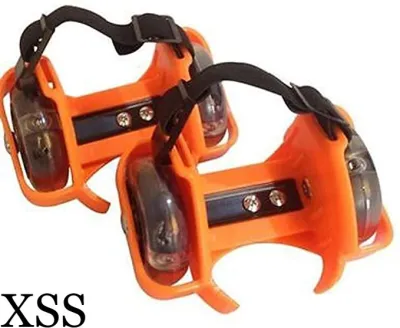
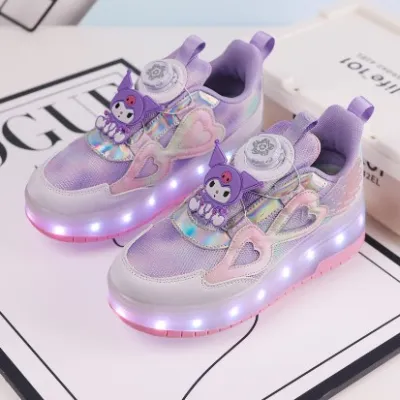
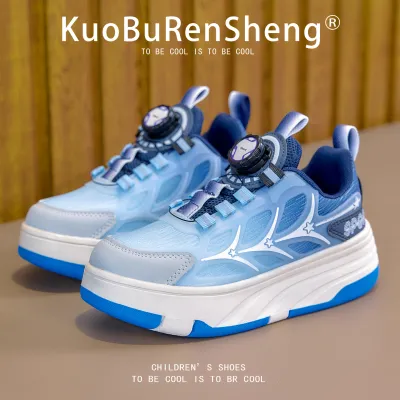
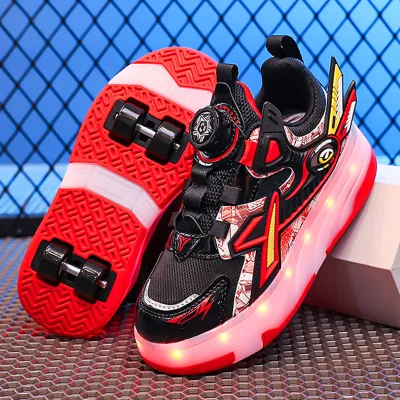
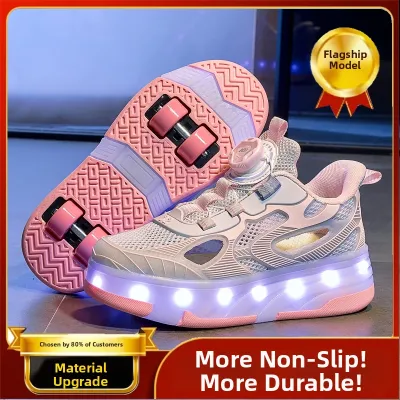
Prices are valid at publication and may change. Please refer to the product page for the latest price.
Additionally, adjustable skates utilize expandable inner liners, which are often thicker and more padded than those in fixed-size models to cushion the foot across different size settings. This extra padding reduces the internal volume of the boot, meaning the skate might feel tighter initially than a standard street shoe of the same size. When checking specifications, look for breathable, moisture-wicking liner materials, which are essential for managing sweat and heat in the humid Philippine climate.
Understanding Fixed-Size Roller Skate Specifications
Fixed-size roller skates are built to a single, non-adjustable specification, prioritizing a precise fit and direct energy transfer. It is a common mistake to assume a boy’s roller skate size matches his current school shoe or sneaker size. Skate manufacturers design their boots with unique lasts, meaning you must measure your child’s foot in millimeters and compare it directly to the brand’s specific sizing chart before purchasing.

The construction of fixed-size boots generally falls into two categories: hard-shell plastic boots and soft-boot designs. Hard-shell boots offer maximum lateral ankle support and high impact resistance, making them excellent for aggressive skating, hockey, or beginners who need extra stability to prevent their ankles from rolling inward. Soft-boots, often made of synthetic leather or reinforced canvas, offer greater flexibility and a shorter break-in period, though they require more natural ankle strength from the skater.
As a boy advances from basic rolling to executing tight turns, jumps, or speed skating, a fixed-size boot becomes a safety necessity. Any excess space inside the boot allows the foot to slide, which reduces control, delays response times, and increases the risk of friction blisters. For high-impact skating styles, the rigid, unyielding structure of a fixed-size skate ensures that every movement of the foot translates directly to the wheels.
Comparing Fit, Support, and Cost-Effectiveness
Choosing between these two designs requires weighing immediate physical support against long-term financial value. Fixed-size skates offer superior ankle support because the entire boot is molded or stitched as a single, continuous unit. This structural unity prevents the boot from flexing laterally under heavy loads. In contrast, adjustable skates feature a split-sole or sliding-toe design, which inherently introduces slight flex points that can reduce overall responsiveness during high-speed maneuvers.
From a financial perspective, adjustable skates are highly cost-effective for parents of rapidly growing children. A single pair of adjustable skates can last through multiple school years, saving you from purchasing new gear every six months. However, if your boy skates daily or participates in structured sports, the rapid wear on the wheels, bearings, and brake pads might require replacement parts anyway, narrowing the cost gap between the two styles.
Safety limits must also guide your decision, especially as an adjustable skate reaches its maximum size setting. When extended to its limit, the overlapping sections of the frame and boot have less contact area, which can slightly reduce the overall structural integrity of the skate. Regularly inspect the adjustment joints for hairline cracks or bending, and transition your child to the next size range before the skate is pushed past its engineered limits.
How to Measure and Verify the Right Fit
To get an accurate measurement at home, have your boy stand barefoot on a blank sheet of paper with his heel flat against a wall. Trace the outline of both feet with a pencil held vertically, then measure the distance from the heel to the tip of the longest toe in millimeters. Use the larger measurement of the two feet, as minor size discrepancies are common, and compare this number directly to the manufacturer’s size guide.
When trying on the skates, perform three critical checks to verify a secure fit. First, check the heel lock: with the skate laced and buckled, have your child bend his knees forward; his heel should remain firmly seated in the pocket of the skate without lifting. Second, check toe clearance; his toes should lightly brush the front of the toe box when standing straight, but they should not curl or feel cramped when he drops into a basic skating stance. Third, observe his lateral ankle stability; the boots should keep his ankles upright without bowing outward or collapsing inward.
Always measure your child’s feet in the late afternoon or evening, as feet naturally swell slightly after a day of activity. Have him wear the exact socks he plans to skate in—preferably thick, moisture-wicking athletic socks that cushion high-friction areas. Avoid using oversized socks to compensate for a loose skate, as this can cause the foot to slide inside the boot, leading to painful chafing and reduced control on the pavement.
Frequently Asked Questions (FAQ)
Should I buy adjustable roller skates a size bigger for growth?
No, you should not buy adjustable roller skates a size larger than your child’s current foot measurement. The built-in expansion mechanism is already designed to accommodate growth within its specified range. Purchasing a skate that is too large, even an adjustable one, leaves excess empty space inside the boot, which compromises ankle support, causes the foot to slide, and increases the risk of falls and ankle sprains. Start with his current size at the lower end of the adjustable range.
How do I know if my boy's roller skates are too tight or too loose?
Your boy’s skates are too tight if he experiences toe cramping, numbness, or restricted blood flow, or if you notice red pressure marks on his feet after skating. Conversely, the skates are too loose if his heel slips upward when he bends his knees, if his ankles wobble or lean inward while standing, or if he develops friction blisters on his heels or arches. If any of these signs occur, adjust the skate’s size setting immediately or replace the boots to prevent injury.

Community discussion
Share your experience or ask a question. Comments are reviewed before publication.