
Selecting an affordable tawtaw fishing rod in the Philippines does not mean you have to compromise on reliability or performance. For beginners, the key is to focus on durable, forgiving blank materials and functional hardware rather than high-end cosmetic features or advanced carbon technologies. By understanding what makes a rod suitable for the active, sensitive style of tawtaw fishing, you can easily find a budget-friendly option that performs beautifully along local piers, breakwaters, and estuaries.
Understanding Tawtaw Rod Requirements for Beginners
Tawtaw fishing is a popular, highly active angling method in the Philippines, typically practiced from docks, bridges, and rocky shorelines. It relies on detecting quick, subtle bites from nearshore species such as slipmouths (sapsap), spadefish (kitang), or small snappers (mangagat). Because you will be holding the rod constantly and waiting for rapid vibrations, the rod must be lightweight enough to prevent hand fatigue while remaining sensitive enough to transmit the lightest nibbles.
For novices, a rod with a moderate or moderate-fast action is highly beneficial. This means the rod bends down into the middle section when under load, providing a cushioning effect. This forgiving bend helps absorb the sudden runs of a fish and prevents the hook from tearing out of delicate mouths, which is a common mistake when beginners use overly stiff rods. It also makes casting lightweight baits much easier for those still developing their technique.
Products mentioned in this guide
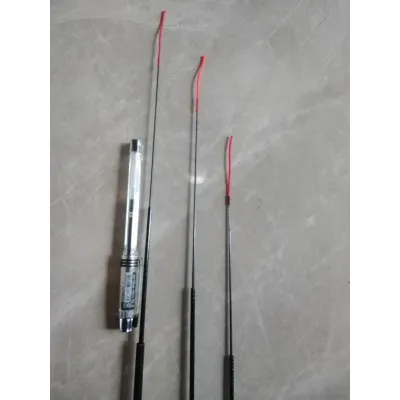
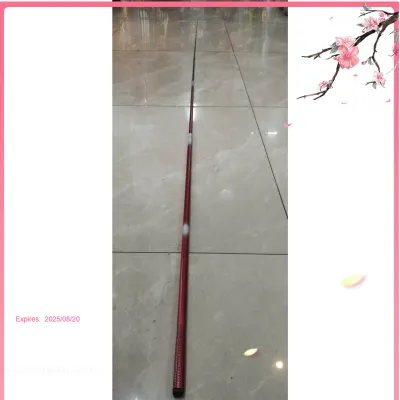
Prices are valid at publication and may change. Please refer to the product page for the latest price.
When shopping on a budget, you can safely skip premium upgrades that do not directly improve your catch rate. High-modulus carbon fiber blanks, custom-designed reel seats, and titanium guide frames are expensive additions meant for specialized tournament angling. For basic tawtaw fishing, standard fiberglass or composite rods offer more than enough performance at a fraction of the cost, allowing you to focus your funds on learning the technique and acquiring essential terminal tackle.
Critical Specifications to Verify on a Budget
The choice of blank material is the most critical decision when balancing cost and durability. Solid fiberglass or tubular fiberglass rods are exceptionally tough, making them highly resistant to accidental impacts against concrete piers or boat gunwales. While they are slightly heavier than carbon fiber, their near-indestructible nature is perfect for beginners who are still learning how to handle and transport their gear. If you want a bit more sensitivity without a massive price jump, look for composite blanks, which blend fiberglass with carbon fibers to offer a lighter weight and better bite detection.

Next, inspect the guide rings and the reel seat carefully. Budget rods often use stainless steel guide frames with ceramic inserts. You must verify that these ceramic rings are perfectly smooth and securely glued into the frames; any chips or rough edges can quickly fray your fishing line and cause it to snap under tension. The reel seat should feature sturdy nylon or graphite construction with metal hoods that screw down tightly, ensuring your reel remains rock-solid during a fight without slipping or wobbling.
Handle materials also play a major role in comfort, especially in the hot, humid tropical climate of the Philippines. Ethylene-vinyl acetate (EVA) foam grips are highly recommended over cheap cork for budget rods. EVA foam is incredibly durable, resists rot from constant exposure to saltwater and sweat, and provides a non-slip grip even when your hands are covered in bait oils. It is also much easier to scrub clean with mild soap after a long day of fishing.
Smart Budget Allocation for Your Complete Setup
A common beginner mistake is spending almost the entire budget on a rod, leaving very little for the rest of the gear. To build a balanced and effective setup, consider a simple ratio: allocate roughly 40 percent of your budget to the rod, 40 percent to a reliable spinning reel, and the remaining 20 percent to terminal tackle and line. For example, if you have a total budget of ₱1,500, spending about ₱600 on the rod allows you to secure a durable blank while leaving enough funds for a smooth reel and quality line.
Do not overlook the cost of essential terminal tackle. To start tawtaw fishing, you will need a spool of monofilament line (typically 6-pound to 12-pound test is ideal for nearshore species), a selection of small sinkers (split shot or small egg sinkers), barrel swivels to prevent line twist, and a pack of sharp, high-quality hooks. Having a basic pair of long-nose pliers or line cutters is also necessary for rigging and safely unhooking fish, protecting both your fingers and the catch.
When purchasing your gear from online marketplaces or local tackle shops, remember to factor in potential shipping fees or travel costs. Always check the seller’s return policies, particularly regarding transit damage. Rods are long and fragile during shipping, so verifying that the seller packages the rod in a thick cardboard tube or PVC pipe is a crucial step before finalizing your purchase to avoid receiving a damaged item.
Pre-Purchase Inspection Checklist for Affordable Rods
If you are buying from a physical store, or once your online order arrives, perform a thorough visual inspection before using the rod. Hold the rod up to your eye and look down the blank from the handle to the tip to ensure it is perfectly straight and free of any unwanted curves or twists. Examine the epoxy coatings around the guide wraps; there should be no bubbles, cracks, or loose threads that could unravel over time.
Next, conduct a physical check of the structural components. Gently wiggle each guide ring to ensure it does not play or rattle within its frame. Screw the reel seat hood up and down to verify the threads are smooth and do not slip under pressure. To check the blank’s integrity, hold the rod grip in one hand, support the tip gently with your other hand, and apply a light, even flex. Listen closely for any ticking, creaking, or popping sounds, which can indicate hidden internal fractures or poor bonding.
Finally, verify the manufacturer’s specifications printed on the blank. A reliable budget rod will clearly state its recommended line rating (such as 4-10 lb or 6-12 lb) and lure weight. Avoid completely unbranded rods that lack these specifications, as using a line or sinker weight outside the rod’s unstated limits can easily lead to a broken tip on your first outing.
Simple Maintenance to Maximize Rod Lifespan
Even the most affordable rod can last for years with proper care, especially when exposed to the harsh saltwater environments common in the Philippines. After every fishing trip, make it a habit to rinse the entire rod thoroughly with clean, fresh water. Pay close attention to the guide frames and the reel seat threads, as salt crystals can quickly accumulate in these areas, leading to rust and corrosion that weakens the hardware.
Once rinsed, wipe the rod down with a soft cloth and allow it to dry completely in the shade before storing it. Store your rod either vertically in a rod rack or lying flat on a level surface. Avoid leaning it against a wall at an angle for long periods, as the constant gravitational pull can cause a fiberglass or composite blank to develop a permanent bend. Keep it away from direct sunlight and extreme heat, such as the inside of a parked car, which can degrade the epoxy and weaken the blank.
Regularly inspect your rod for minor wear and tear. If you notice a cracked ceramic guide insert, stop using the rod immediately, as the sharp edge will slice through your line. Replacing a single guide or reel seat component is often a simple, low-cost repair that can be done at home or by a local tackle shop, saving you from having to buy an entirely new rod.
Frequently Asked Questions (FAQ)
Can I use a standard spinning rod for tawtaw fishing?
Yes, a standard light or medium-light spinning rod is highly suitable for tawtaw fishing. The sensitive tip and flexible action of a general-purpose spinning rod allow you to detect the subtle bites of nearshore fish easily. While traditional handline methods are common, using a spinning rod gives you better casting distance and control when fishing from elevated structures like piers or bridges.
What is the ideal length for a beginner's tawtaw rod?
For beginners, a rod length between 5 feet 6 inches and 6 feet 6 inches is ideal. This length range offers an excellent balance of casting distance, control, and maneuverability. It is short enough to handle easily in crowded nearshore spaces or under low-hanging trees, yet long enough to provide the leverage needed to cast light rigs and lift fish safely onto a dock.
Should I buy a rod and reel combo to save money?
Buying a pre-matched rod and reel combo is often a highly cost-effective option for absolute beginners. Manufacturers design these combos to ensure the rod’s power and action match the reel’s line capacity perfectly. However, before purchasing, verify that the reel has a smooth drag system and that the rod guides are securely aligned, ensuring you do not sacrifice basic quality for convenience.

Community discussion
Share your experience or ask a question. Comments are reviewed before publication.