
Choosing the right tent poles can mean the difference between a successful outdoor adventure and a collapsed shelter during a sudden tropical downpour. The choice between aluminum and fiberglass tent poles primarily depends on your camping style, budget, and how you plan to transport your gear. Aluminum poles offer a lightweight, highly durable, and resilient option that bends under extreme stress rather than snapping, making them the standard for backpacking and unpredictable weather. Fiberglass poles, on the other hand, provide a highly economical solution best suited for casual car camping in sheltered, fair-weather campsites where weight and packed size are not primary concerns.
To make an informed decision, you must evaluate how these materials perform under the specific environmental conditions you expect to encounter. In warm, humid climates like the Philippines, factors such as moisture resistance, wind exposure during monsoon seasons, and ease of transport along rugged trails play a critical role. By understanding the structural differences, long-term value, and maintenance requirements of each material, you can select a tent setup that keeps you safe and comfortable in the great outdoors.
Core Differences in Weight and Packability
When carrying your shelter over long distances, every gram in your pack influences your comfort and endurance on the trail. Aluminum tent poles are highly regarded for their impressive strength-to-weight ratio. Because aluminum is inherently stronger than fiberglass, manufacturers can produce poles with thinner walls that still support the structural integrity of the tent. This design characteristic significantly reduces the base weight of your backpacking setup, allowing you to conserve energy during steep ascents and long treks.
Products mentioned in this guide
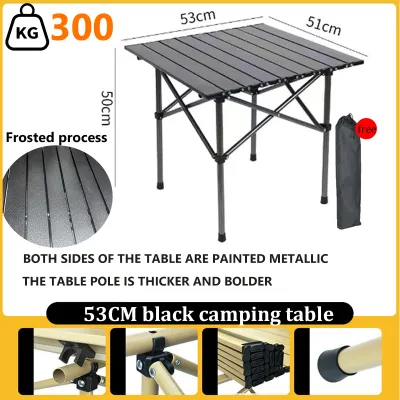
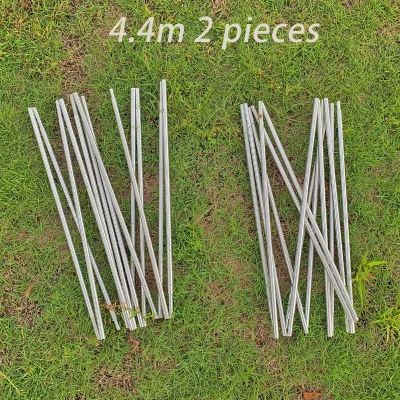
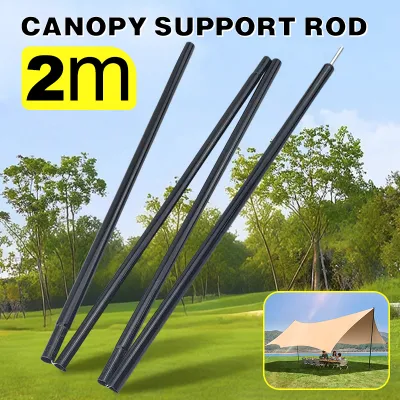
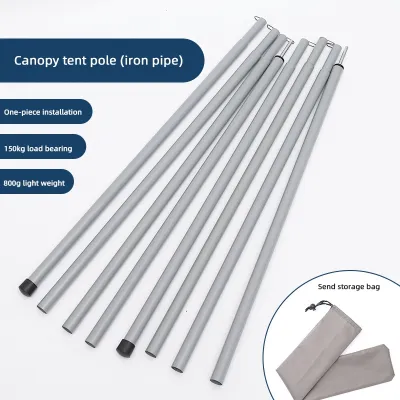
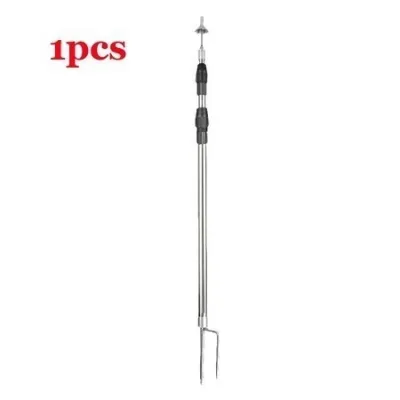
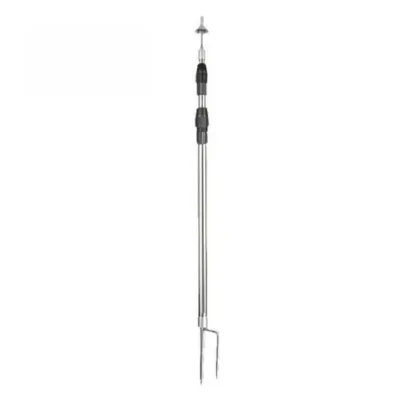
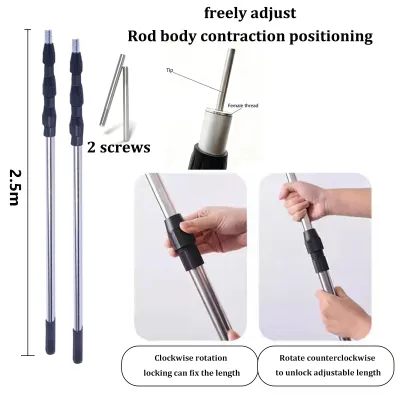
Prices are valid at publication and may change. Please refer to the product page for the latest price.
Fiberglass poles are substantially heavier and denser than their aluminum counterparts. To achieve the structural strength necessary to support a tent canopy, fiberglass poles must be manufactured with thicker walls and solid-core designs. This added mass makes them less suitable for multi-day hikes where you must carry all your gear on your back. For car camping, however, where your vehicle handles the heavy lifting, the extra weight of fiberglass is rarely a limiting factor.
Packability is another critical consideration that dictates how easily you can organize your gear. Aluminum poles typically feature shorter individual section lengths and more compact connection joints, allowing them to fold down into a highly streamlined package. This compact profile makes it much easier to slide the poles inside your backpack or secure them to the side compression straps. Fiberglass poles often have longer collapsed sections and bulkier metal ferrule connectors, which can make them awkward to pack into smaller bags or carry-on luggage.
It is important to note that the exact weight and packed size of any pole set will vary based on manufacturer specifications, pole diameter, and the overall capacity of your tent. A family-sized dome tent will naturally require thicker, heavier poles regardless of the material chosen. Before finalizing your gear selection, always verify the packed dimensions and total weight listed by the manufacturer to ensure the tent fits your carrying method and storage space.
Durability, Weather Resistance, and Lifespan
The way a tent pole responds to environmental stress determines how well your shelter will hold up when weather conditions deteriorate. Aluminum poles are exceptionally resilient because they possess a high degree of elasticity. Under high winds or heavy rain, aluminum poles are designed to flex and absorb the energy of the impact. If the stress exceeds the material’s limits, aluminum will typically bend rather than break. A bent pole can often be gently straightened or temporarily splinted, allowing you to maintain your shelter for the remainder of your trip.

Fiberglass poles behave very differently under structural stress. Because fiberglass is a composite material made of glass fibers embedded in resin, it is relatively rigid and brittle. When subjected to sudden gusts of wind or excessive tension, fiberglass poles do not bend gradually; instead, they tend to splinter, crack, or snap entirely. A shattered fiberglass pole can tear through your tent’s rainfly or inner mesh, causing significant damage to the fabric and leaving you exposed to the elements.
Weather conditions also play a major role in material longevity and performance. In cold alpine environments, fiberglass becomes increasingly brittle and prone to cracking under tension. Aluminum remains structurally stable across a wide range of temperatures, making it the preferred choice for high-altitude climbing and cold-weather expeditions. In hot, humid tropical environments, fiberglass can degrade over time if exposed to prolonged ultraviolet (UV) radiation, which weakens the resin binding the glass fibers.
To ensure your safety in the field, avoid relying solely on general material assumptions. Always check the manufacturer’s wind ratings, structural designs, and recommended temperature limits for your specific tent model. High-quality tents often feature engineered pole architectures that distribute stress evenly, regardless of the base material used.
Budget and Value: Evaluating Costs
For many campers, the initial financial investment is a major deciding factor when purchasing new gear. Fiberglass tent poles are widely recognized as the budget-friendly option. Tents equipped with fiberglass poles generally have a much lower retail price, making them highly accessible for beginners, casual weekend campers, and families who only camp a few times a year. If you are testing the waters of outdoor recreation or primarily camp in established campgrounds with minimal wind exposure, fiberglass provides excellent utility for a modest upfront cost.
Aluminum tent poles represent a more premium investment. Tents featuring aluminum poles carry a higher price tag due to the complex manufacturing processes, anodizing treatments, and high-grade alloys required to produce them. However, this higher upfront cost is often offset by the material’s long-term durability. Because aluminum poles are far less likely to suffer catastrophic failures, they typically last for many years of regular use, reducing the need for frequent replacements or expensive repairs.
When evaluating the true cost of ownership, you must also consider the availability and price of replacement parts in the local market. In the Philippines, finding replacement fiberglass pole sections is relatively easy and inexpensive at local outdoor shops or through online marketplaces. Aluminum replacement poles, especially those from premium brands or proprietary alloys, can be more challenging to source and may require ordering directly from authorized distributors.
Before making a purchase, take the time to verify current prices in ₱ on official brand websites or through authorized outdoor retailers. Consider how often you plan to camp and the environments you will encounter. If you camp frequently or plan to venture into remote areas where gear failure is not an option, investing in aluminum poles can save you money and frustration over the lifespan of your tent.
Decision Framework: Matching Material to Your Camping Style
To simplify your decision, you can match the characteristics of each material to your specific camping habits and goals. Using a structured framework helps ensure you do not overspend on features you do not need, or conversely, under-equip yourself for a challenging expedition.
Choose Aluminum if:
- You plan to go backpacking, hiking, or bicycle touring where minimizing pack weight and volume is essential.
- You expect to camp in exposed areas, high altitudes, or regions prone to strong winds and heavy tropical storms.
- You prioritize long-term durability and want a reliable shelter that will last through years of frequent use.
- You want peace of mind knowing that if a pole does fail, it will likely bend rather than shatter and ruin your tent fabric.
Choose Fiberglass if:
- Your primary activity is casual car camping, backyard camping, or attending music festivals where you do not have to carry your gear far.
- You are working with a tight budget and want to minimize your initial investment in camping equipment.
- You plan to camp exclusively in mild, predictable weather conditions and sheltered campsites.
- You are comfortable performing basic maintenance and do not mind the slightly heavier weight of your packed tent.
Verify first if:
- The tent model you are considering uses a hybrid pole system, as some manufacturers combine aluminum and fiberglass to balance cost and strength.
- The pole diameters match your tent's sleeve or clip dimensions if you are purchasing aftermarket replacements.
- The manufacturer specifies proprietary alloy blends, which may offer unique performance characteristics that differ from standard aluminum.
Field Repairs and Maintenance
No matter which material you choose, knowing how to maintain your poles and handle unexpected failures in the field is a vital outdoor skill. When an aluminum pole bends under pressure, the most common field repair involves sliding a metal repair splint (often included with high-quality tents) over the damaged section and securing it with duct tape. This quick fix restores enough structural integrity to keep the tent standing until you return home and can order a replacement section.
Repairing a broken fiberglass pole in the field requires a different approach and extra caution. Because fiberglass splinters when it breaks, the fractured ends can be extremely sharp. Always wear protective gloves or use a thick cloth when handling shattered fiberglass to avoid getting painful glass fibers embedded in your skin. To repair a break, you will typically need to clean up the splintered ends, insert a replacement fiberglass section, and re-thread the internal shock cord.
To minimize the risk of pole failure, establish a routine of visual inspections and basic maintenance. Before every camping trip, lay out your poles and check for hairline cracks, loose metal ferrules, or frayed shock cords. Keep the pole joints clean and free of sand, dirt, and saltwater residue, which can cause corrosion in aluminum or abrasion in fiberglass. Storing your poles completely dry and un-tensioned in a cool, dry place will significantly extend their lifespan and ensure they are ready for your next adventure.
Frequently Asked Questions (FAQ)
Can I replace fiberglass poles with aluminum on my existing tent?
Yes, it is often possible to replace fiberglass poles with aluminum ones, but you must proceed with caution. You must carefully match the outer diameter, total length, and overall flex characteristics of the original poles to ensure the tent fabric is not over-tensioned or damaged. Because aluminum and fiberglass flex differently under load, swapping materials can alter the structural dynamics of your tent. It is highly recommended to consult the tent manufacturer or a specialized outdoor gear repair service before attempting to modify your setup.
Are carbon fiber tent poles better than aluminum or fiberglass?
Carbon fiber tent poles offer an ultra-lightweight alternative with exceptional rigidity, making them highly appealing to ultralight backpackers and high-altitude mountaineers. However, they are significantly more expensive than both aluminum and fiberglass, and they require careful handling because they can be brittle under sharp impacts. For the vast majority of campers, carbon fiber represents a niche, high-cost upgrade rather than a practical or necessary replacement for standard aluminum or fiberglass poles.

Community discussion
Share your experience or ask a question. Comments are reviewed before publication.