
Selecting the right volleyball is the defining factor between a seamless, high-performance game and a frustrating session cut short by a damaged ball. For players evaluating Amgrow volleyballs, the decision-making process hinges entirely on where the game takes place. Indoor and outdoor courts present vastly different physical demands, meaning a ball designed to excel on a polished wooden floor will quickly degrade if subjected to the abrasive heat of an outdoor concrete court or the moisture of a beach setup.
To make an informed choice, you must look beyond the brand name and examine the specific material composition, panel construction, and weight standards of each model. Indoor play demands a ball that prioritizes a soft touch, high grip consistency, and aerodynamic stability under controlled climate conditions. Conversely, outdoor play—whether on sand, grass, or concrete—requires a rugged build that can withstand high friction, moisture, intense sunlight, and fluctuating air pressures. By understanding these environmental factors and matching them to the technical specifications on Amgrow’s product labels, you can select a ball that delivers optimal playability and long-term durability.
Understanding Court Surfaces and Volleyball Requirements
Indoor volleyball is played on highly consistent, smooth surfaces such as polished hardwood or specialized synthetic sports flooring. In these controlled indoor environments, the primary focus of ball design is precision, tactile feedback, and predictable flight dynamics. Because there are no wind currents, humidity spikes, or rough surfaces to contend with, indoor balls can utilize softer, more delicate outer covers. These covers allow players to execute precise sets, high-velocity spikes, and controlled passes with minimal sting on the forearms. The grip must remain consistent even when players sweat, which is why indoor balls often feature advanced moisture-absorbing surfaces.
Products mentioned in this guide
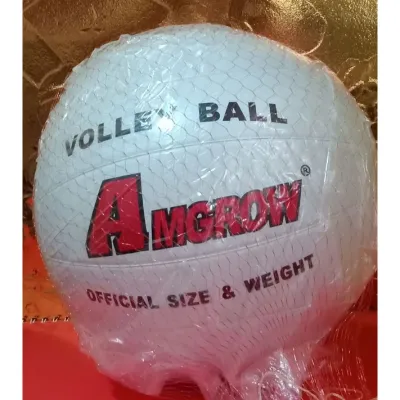
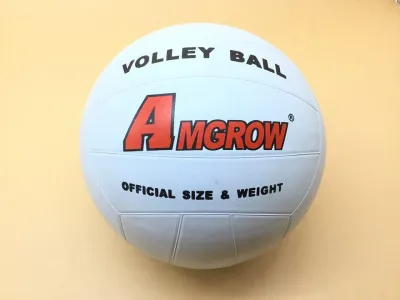
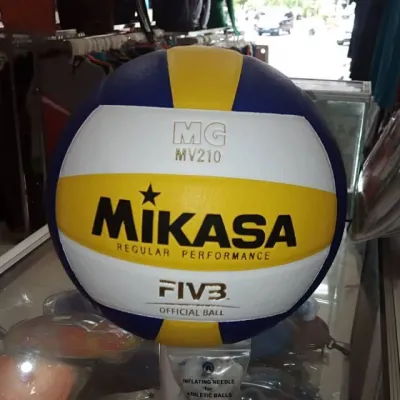
Prices are valid at publication and may change. Please refer to the product page for the latest price.
Outdoor courts, by contrast, present a harsh mix of abrasive elements and unpredictable weather conditions. In tropical climates like the Philippines, outdoor play often takes place on hot concrete barangay courts, sandy beaches, or uneven grass fields. Concrete surfaces act like sandpaper, rapidly wearing down soft synthetic leathers and peeling away glued panels. Beach volleyball introduces sand particles that can lodge in seams and salt-laden air that accelerates material degradation. Furthermore, outdoor balls must contend with intense solar heat, which causes the air inside the bladder to expand, and sudden tropical downpours that can waterlog a poorly sealed ball.
These environmental differences dictate contrasting physical properties for the balls. An indoor ball must maintain a strict, perfectly spherical shape and a lighter, more responsive feel for fast-paced rally play. An outdoor ball must be slightly heavier or have a different aerodynamic profile to cut through wind currents without drifting off course. It also requires a thicker, more resilient outer shell that resists punctures, scratches, and water absorption. Understanding these distinct court profiles is the first step in evaluating which Amgrow volleyball will serve your playing needs without wearing out prematurely.
Key Material and Construction Features to Check
When examining Amgrow volleyballs, the outer cover material is your first line of defense against wear and tear. High-end indoor volleyballs typically feature premium polyurethane (PU) or microfiber synthetic leather. This material mimics the soft feel of genuine leather while offering superior moisture management and a consistent cushion. For outdoor use, especially on rough concrete or asphalt, polyvinyl chloride (PVC) is the preferred cover material. PVC is highly durable, scratch-resistant, and completely waterproof, making it ideal for surviving the abrasive friction of outdoor courts, though it does feel noticeably harder and stiffer to the touch than PU.

Beneath the outer cover lies the bladder and the winding system, which together determine the ball’s shape retention and bounce consistency. Premium volleyballs utilize a butyl rubber bladder wrapped in nylon or polyester thread windings. This winding layer acts as a structural cage, preventing the bladder from expanding unevenly under high temperatures—a critical feature when playing under the hot afternoon sun. Cheaper recreational balls may use latex bladders, which offer a soft bounce but lose air pressure quickly and are more susceptible to warping when exposed to extreme heat. Always check the product specifications for a nylon-wound butyl bladder to ensure long-term roundness.
The method used to join the panels is another crucial indicator of court compatibility. Indoor volleyballs generally feature laminated or glued panels. This construction method creates a seamless, smooth surface that optimizes aerodynamic flight and provides a uniform feel across the entire ball. However, laminated panels are highly vulnerable to moisture; water can seep under the edges, dissolving the adhesive and causing the panels to peel. For outdoor and beach play, stitched panels—either machine-stitched or hand-stitched—are far superior. Stitched seams allow the ball to flex without peeling and prevent water from compromising the structural integrity of the cover.
Matching Amgrow Volleyball Types to Your Playing Environment
If your primary playing venue is an indoor gymnasium, your selection process should prioritize touch, control, and official standards. Look for Amgrow models labeled specifically for indoor use, which typically feature a laminated PU cover. Before purchasing, verify that the ball meets official indoor size and weight standards, which generally require a circumference of 65 to 67 centimeters and a weight of 260 to 280 grams. A ball matching these specifications ensures that your training translates perfectly to competitive league play, allowing you to develop consistent muscle memory for serving, setting, and spiking.
For beach and outdoor sand courts, you must shift your priority toward weather resistance and visibility. Beach volleyballs are slightly larger than indoor balls, with an official circumference of 66 to 68 centimeters, and are inflated to a much lower pressure to allow for better control on unstable sand. Look for Amgrow outdoor models that feature stitched seams and bright, high-contrast color patterns. Bright panels are not just aesthetic; they help you track the ball’s spin and trajectory against bright blue skies, glaring sunlight, or the busy background of an outdoor park.
If you play on multiple surfaces—such as transitioning from a school gym on weekdays to a concrete neighborhood court on weekends—a multi-surface or recreational volleyball is the most practical choice. These versatile balls often feature a hybrid construction, utilizing a moderately soft synthetic leather cover that is stitched rather than laminated. While a multi-surface ball will not offer the ultra-soft touch of a dedicated indoor ball or the extreme durability of a pure PVC outdoor ball, it provides a balanced compromise. It allows you to enjoy recreational games across different venues without the need to purchase and carry multiple specialized balls.
Inspection and Maintenance for Longevity
To maximize the lifespan of your Amgrow volleyball, proper care must begin the moment you unbox it. Before inflating the ball for the first time, perform a thorough visual inspection. Check that all panels are aligned evenly, with no visible gaps in laminated seams or loose threads in stitched models. Moisten the inflation needle with a drop of glycerin or soapy water before inserting it into the valve; inserting a dry needle can damage or displace the rubber valve core, leading to slow, frustrating air leaks that ruin the ball’s pressure retention.
Cleaning your volleyball after play is essential to prevent dirt and sweat from degrading the cover material. For indoor balls, a simple wipe-down with a soft, damp microfiber cloth is usually sufficient to remove dust and sweat. For outdoor and beach balls, sand, salt, and dirt must be washed away gently. Rinse the ball under lukewarm water and use a mild, diluted dish soap to clean the surface. Avoid using harsh chemical detergents, bleach, or abrasive scrubbing pads, as these will strip away the protective coatings on the synthetic leather and weaken the panel adhesives.
Proper storage and inflation habits are the final pillars of volleyball maintenance. Never leave your volleyball inside a hot car trunk or exposed to direct sunlight on a balcony, as extreme heat will warp the bladder and cause the panels to peel. Store the ball in a cool, dry, well-ventilated space inside a breathable mesh bag. Additionally, invest in a reliable pressure gauge to ensure you inflate the ball within the manufacturer’s recommended PSI range, which is typically printed directly around the valve. Over-inflating the ball stretches the seams and cover materials, while under-inflating compromises its flight path and bounce.
Frequently Asked Questions (FAQ)
Can I use an indoor Amgrow volleyball on an outdoor concrete court?
Using an indoor-specific Amgrow volleyball on an outdoor concrete court is highly discouraged if you want to preserve the ball’s quality. Indoor balls feature soft, thin synthetic leather covers designed for smooth wooden floors, and concrete surfaces will act like sandpaper, rapidly scuffing, tearing, and wearing down the outer layer. Additionally, the laminated seams of indoor balls are not built to withstand the high-impact friction of concrete, which can cause the panels to peel away quickly. Always check the manufacturer’s packaging or product label to verify the recommended playing surface before using the ball outdoors.
How do I know if an Amgrow volleyball is officially sized for my league?
To verify if an Amgrow volleyball meets official standards for league or school play, you should check the physical markings printed on the ball or its packaging. Official indoor volleyballs must have a circumference of 65 to 67 centimeters and a weight of 260 to 280 grams, while beach volleyballs are slightly larger at 66 to 68 centimeters. Many competitive models will feature an official stamp or label indicating compliance with governing body standards. Before making a purchase, consult your local league, school athletic department, or tournament guidelines to ensure the ball matches their specific size, weight, and brand approval requirements.
What is the best way to clean an Amgrow volleyball after playing on the beach?
The best way to clean your Amgrow volleyball after a beach session is to rinse it gently with fresh, lukewarm water to wash away abrasive sand particles and corrosive salt residue. Use a soft cloth with a small amount of mild, diluted hand soap to wipe down the panels, taking care not to scrub the seams aggressively. Once clean, wipe the ball with a dry towel and allow it to air dry completely in a shaded, well-ventilated indoor area. Never use a hairdryer, clothes dryer, or direct sunlight to speed up the drying process, as excessive heat will damage the cover materials and weaken the panel adhesives.

Community discussion
Share your experience or ask a question. Comments are reviewed before publication.