
Selecting the right insulated water bottle requires a close look at how its physical specifications align with your daily hydration habits, especially when managing the heat and humidity of a tropical climate like the Philippines. The AquaFlask Quench is designed to support active lifestyles, but finding the perfect match means verifying its exact capacity, thermal capabilities, and material build against your specific routine. By examining these key features directly on official packaging or authorized retail listings, you can ensure your choice keeps your drinks cold and your hydration on track.
Core Capacity and Hydration Tracking
When selecting a hydration companion, the first step is confirming how much liquid the bottle actually holds. You should check the official product label or authorized store listings to verify the exact fluid ounce and milliliter capacity of the AquaFlask Quench model you are considering. Because daily hydration needs vary based on your activity level and the local climate, matching the volume to your typical consumption prevents the need for constant refills throughout the day.
Beyond liquid volume, the physical footprint of the bottle plays a critical role in daily portability. Before purchasing, evaluate whether the physical dimensions and base diameter of the bottle will fit into your standard backpack side pockets, bicycle cages, or office workspace areas. A bottle that is too wide for your daily carry gear can quickly become a hassle to transport, leading to less frequent use.
Products mentioned in this guide
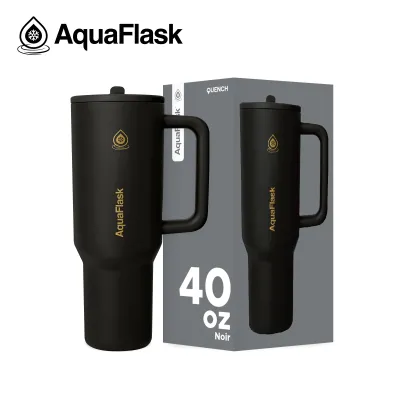
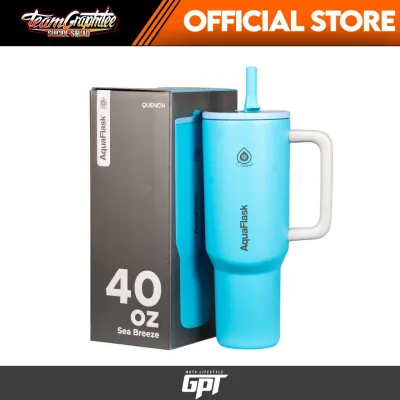
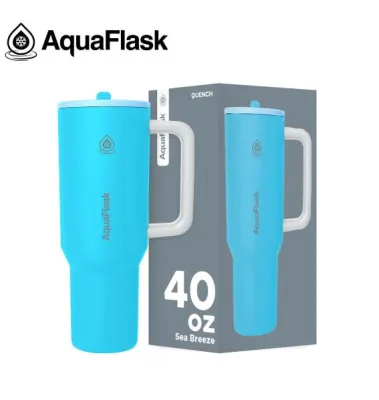
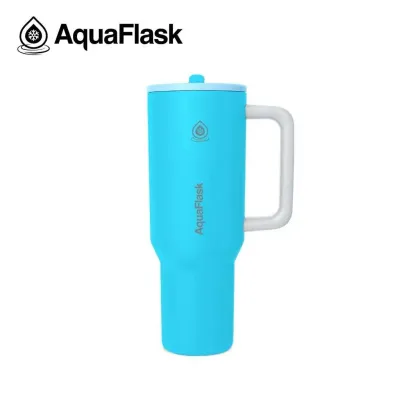
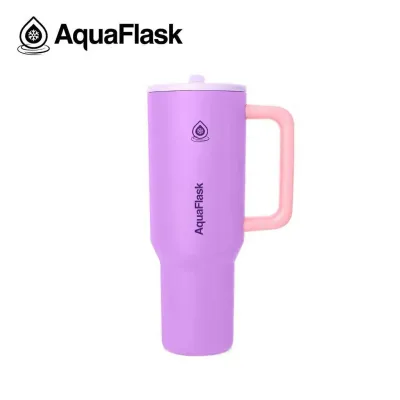
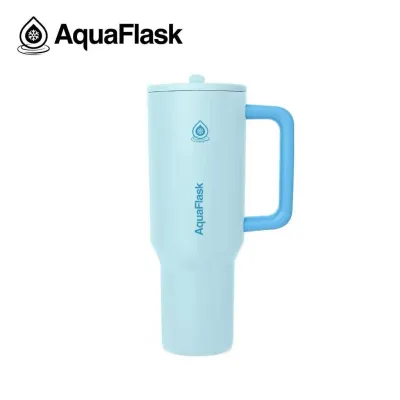
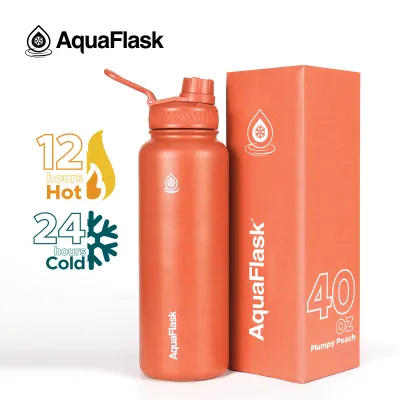
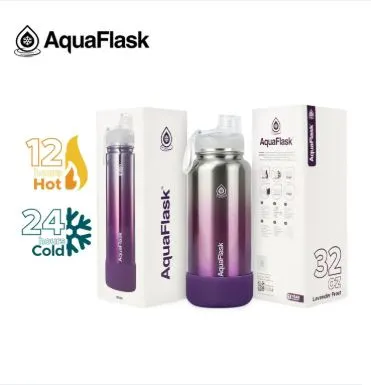
Prices are valid at publication and may change. Please refer to the product page for the latest price.
For those who struggle to drink enough water, built-in tracking features can be highly beneficial. Look for time-marked hydration tracking features on the bottle body and assess their visibility, accuracy, and durability. High-contrast markings make it easier to monitor your progress at a glance, but you should verify if these markings are printed, embossed, or etched to ensure they will not fade after repeated washing and daily handling.
Insulation Performance and Material Specs
Temperature retention is a primary reason to invest in a vacuum-insulated bottle, particularly when facing hot afternoons. To set realistic expectations, verify the manufacturer’s stated hot and cold retention hours on the packaging. Keep in mind that real-world thermal performance is highly conditional; it depends heavily on the ambient temperature, the initial temperature of the liquid, how often you open the bottle, and the integrity of the lid seal.

The safety and durability of the materials used in your bottle directly impact your health and the longevity of the product. Confirm the stainless steel grade—typically food-grade 18/8 stainless steel—and the BPA-free status of all plastic components by checking the manufacturer’s packaging or official product specifications. High-quality stainless steel resists rust and prevents flavor transfer, ensuring your water tastes fresh without any metallic aftertaste.
A bottle’s insulation is only as good as its closure system. Inspect the lid sealing mechanism and the condition of the silicone gasket to understand how they contribute to leak prevention and thermal efficiency. A tight, well-designed gasket prevents air exchange, which keeps your cold drinks chilled longer and prevents messy spills inside your gym bag or on your desk.
Design, Portability, and Daily Use Features
An insulated bottle must be easy to carry, especially when filled to its maximum capacity. Examine the handle or strap design to evaluate its ergonomic comfort and how it distributes weight when the bottle is completely full. A flexible, heavy-duty strap or a rigid, integrated handle can make a significant difference in hand fatigue during long walks, commutes, or outdoor workouts.
Ease of maintenance is another crucial factor for daily usability. Check the mouth width of the bottle to determine if it easily accommodates standard ice cubes and allows for hassle-free cleaning. A wider mouth makes it much simpler to insert a standard bottle brush, ensuring you can thoroughly clean the interior corners and prevent the buildup of residue or bacteria over time.
The exterior finish of the bottle affects both its appearance and your grip. Review the exterior finish, such as a powder-coated surface, to assess its grip quality when your hands are sweaty or wet. A durable, textured finish not only provides a secure hold during intense workouts but also offers better scratch resistance against keys, zippers, and accidental drops.
Matching the Quench Specs to Your Lifestyle
To make a confident decision, you must weigh the verified specifications of the AquaFlask Quench against your specific sports, outdoor, or daily routines. Compare the physical weight of the empty bottle plus its liquid capacity against the duration and intensity of your typical workouts or daily commutes. A larger, heavier bottle is excellent for all-day desk use or long car trips, while a lighter, more compact option is better suited for running or quick errands.
Identify the specific scenarios where the bottle’s thermal retention and portability features offer the most practical value to you. For instance, if you spend hours outdoors in high-humidity environments, a highly efficient double-wall vacuum insulation system is indispensable for keeping your water ice-cold. Conversely, if you primarily transition between air-conditioned spaces, a smaller footprint might take priority over maximum temperature retention.
Finally, recognize the limits of a single bottle design. Note conditions where a different size or a specialized sports bottle might be more appropriate based on the physical footprint of the Quench. If your activities require one-handed operation while cycling or driving, or if you need to fit the bottle into a narrow running vest, a specialized sports bottle with a squeeze design or a specific nozzle might serve you better than a standard insulated flask.
Frequently Asked Questions (FAQ)
Is the AquaFlask Quench dishwasher safe?
To prevent damaging your bottle, you should always check the official care label or the manufacturer’s website for specific dishwasher safety ratings. Generally, the high heat and harsh detergents used in dishwashers can compromise the vacuum seal of insulated bottles and degrade exterior powder-coated finishes. If hand-washing is recommended by the manufacturer, sticking to warm, soapy water and a soft bottle brush will preserve both the thermal performance and the exterior look of your flask.
Does the AquaFlask Quench fit in standard car cup holders?
To determine if the bottle is suitable for your commute, compare the official base diameter of your specific Quench model with your vehicle’s cup holder specifications. Standard car cup holders typically accommodate bottles with a diameter of three inches or less. Larger capacity variants of insulated flasks often exceed these standard dimensions, meaning you may need to secure them on the passenger seat or use a specialized cup holder expander.

Community discussion
Share your experience or ask a question. Comments are reviewed before publication.