
Choosing between an Aquaflask sip lid and a straw lid for your gym workouts comes down to how you train, how you prefer to hydrate under physical exertion, and how much time you want to spend on daily maintenance. There is no single option that suits every fitness routine. While one lid excels during high-intensity cardio sessions where stopping to tilt your head is inconvenient, the other offers a more robust seal and faster water flow for heavy lifting.
In a tropical climate where humidity levels are high and workouts lead to rapid fluid loss, staying hydrated is a constant priority. Your choice of bottle cover directly impacts how easily you can drink mid-exercise and how secure your flask remains when tossed into a crowded gym bag. By evaluating the physical design, activity compatibility, leak resistance, and cleaning requirements of both lid types, you can select the accessory that best supports your active lifestyle.
Understanding the Core Differences in Design and Flow
The primary distinction between these two lid styles lies in their water delivery mechanisms and physical structures. A sip lid features a direct-pour spout, which is typically secured by a twist-off cap or a click-to-open mechanism. This design allows for an unhindered, high-volume flow of water, mimicking the experience of drinking from an open cup while maintaining a contoured opening to prevent splashing. Because it relies on gravity, you must tilt the flask upward to drink, which requires a brief pause in your physical activity.
Products mentioned in this guide
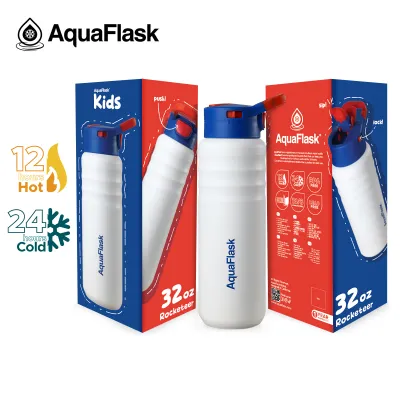
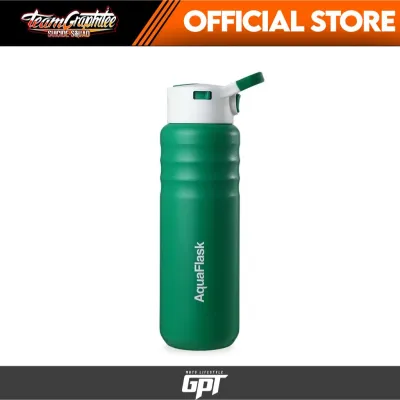
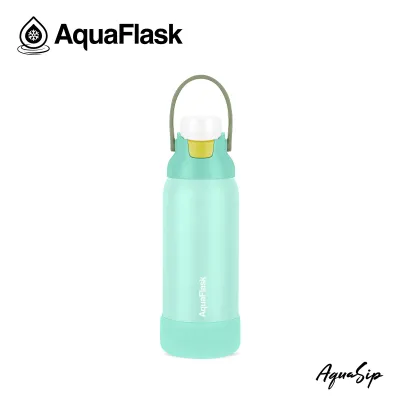
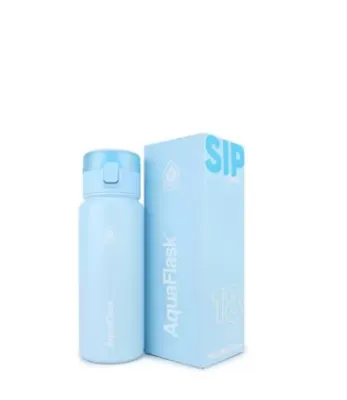
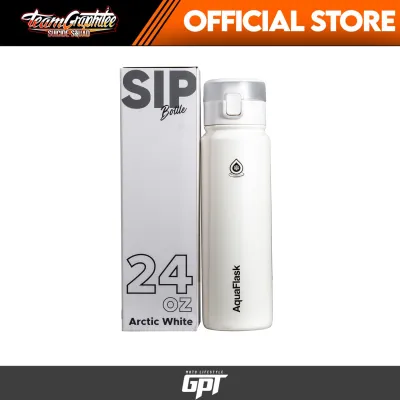
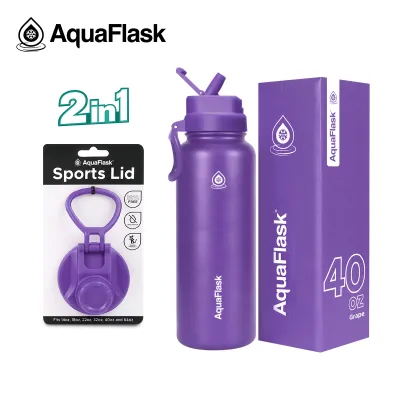
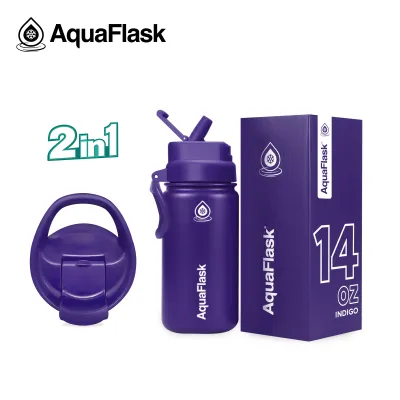
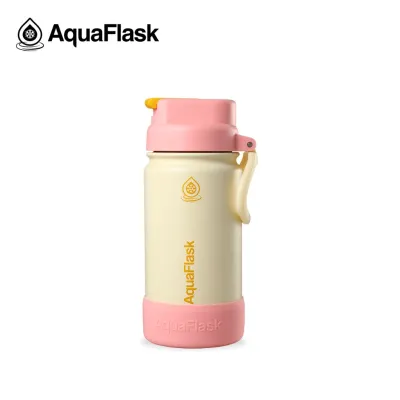
Prices are valid at publication and may change. Please refer to the product page for the latest price.
In contrast, a straw lid utilizes an internal plastic tube that extends to the very bottom of the flask, connected to an external folding nozzle or bite-valve at the top. This configuration relies on suction rather than gravity, allowing you to draw water upward while keeping the bottle completely upright. The flow rate is naturally more restricted compared to a sip lid, as the water must travel through the narrow diameter of the straw, but it provides a highly controlled stream that minimizes the risk of choking during sudden movements.
The physical footprint of each lid also affects how you handle your bottle around gym equipment. Straw lids often feature an integrated carry loop and a folding mechanism that adds slightly more height to the top of the flask. Sip lids are frequently more compact, offering a streamlined profile that fits easily into the tight bottle cages of stationary exercise bikes or the built-in cup holders on treadmills. Understanding these structural differences is the first step in determining which cover aligns with your movement patterns.
Matching the Lid to Your Specific Gym Activities
Your training style dictates which lid mechanism will feel most natural during a workout. For weightlifting and powerlifting, workouts are structured around intense, short bursts of exertion followed by dedicated rest periods. During these recovery intervals, lifters often want to consume a large volume of water quickly to rehydrate before the next set. The sip lid is highly advantageous here, as it allows you to gulp water without restriction. Additionally, because lifting involves moving heavy iron plates and dumbbells, a securely closed sip lid provides peace of mind when placed on the rubber gym floor, where an accidental kick could otherwise cause a major spill.

For cardio-heavy routines and High-Intensity Interval Training (HIIT), the priorities shift toward continuous movement and minimal distraction. If you are running on a treadmill, pedaling on a spin bike, or stepping on an elliptical, tilting your head back to drink from a sip lid can disrupt your balance, block your line of sight, and break your running stride. A straw lid solves this issue by allowing you to keep your head level and your eyes focused forward. You can hydrate with one hand, taking quick sips without losing your momentum or compromising your posture.
Yoga, Pilates, and mat-based workouts present a different set of physical demands. During transitions between poses or floor exercises, your water bottle is often placed directly on the exercise mat or the floor nearby. If the bottle is knocked over during a transition, a straw lid that has been left in the upright position can slowly drip water onto the mat. A sip lid, once clicked or threaded shut, offers a highly reliable barrier against spills during inversions or quick floor movements, ensuring your workout space remains dry and safe.
Checking Leak Resistance and Gym Bag Safety
Before packing your insulated flask next to clean clothes, lifting straps, or electronic gym timers, verifying the leak-proof capabilities of your lid is essential. Both designs rely heavily on internal silicone gaskets to create an airtight seal against the metal threads of the bottle mouth. Over time, these gaskets can become misaligned, worn, or compressed, which compromises their effectiveness. When inspecting a sip lid, look for a thick, deeply seated gasket inside the cap and ensure the threads align smoothly without cross-threading. For straw lids, pay close attention to the pivot point where the straw folds down, as this joint relies on a precise fit to block water flow when closed.
To verify the seal integrity of either lid before heading to the gym, you can perform a simple at-home inversion test. Fill your flask with water, secure the lid firmly, and hold the bottle upside down over a sink for thirty seconds. Gently shake the bottle to simulate the movement of walking or commuting. If any moisture escapes from the threads or the drinking spout, inspect the silicone rings for debris or misalignment. This quick check prevents frustrating dampness inside your gym bag.
Environmental factors also play a role in how well these lids maintain their seals. In warm, tropical environments, taking a cold bottle from an air-conditioned room into a hot car or an outdoor workout space causes the air inside the flask to expand. This temperature differential can build up internal pressure. With a straw lid, this pressure can sometimes force water up through the straw, causing a small splash when you first flip the nozzle open. A sip lid handles these pressure changes more gracefully, though you should still open the cap slowly to allow any trapped air to escape safely.
Comparing Cleaning Effort and Daily Hygiene
Maintaining proper hygiene is crucial for any reusable water bottle, especially when exposed to a sweaty gym environment where bacteria thrive. The straw lid requires a more dedicated cleaning routine due to its multi-part construction. The internal plastic straw, the folding nozzle, and the small air-vent valve all contain narrow channels where moisture, saliva, and sports drink residues can accumulate. To clean a straw lid thoroughly, you must use a specialized, thin wire straw brush to scrub the inside of the tube and the mouthpiece. Neglecting these hard-to-reach areas can lead to mold growth and unpleasant odors.
A sip lid generally offers a simpler, more straightforward cleaning process because it has fewer internal components. However, it is not entirely maintenance-free. The deep threads of the screw cap and the crevices around the drinking spout can still trap moisture and sweat. When washing a sip lid, it is important to periodically remove the silicone gasket using a blunt tool, wash it separately in warm, soapy water, and allow it to dry completely before reassembling. This prevents mold from forming underneath the silicone ring.
Regardless of which lid you choose, always verify the manufacturer’s care instructions regarding dishwasher safety. While some heavy-duty plastics can withstand the high heat of a dishwasher, hand washing with mild dish soap is generally recommended to preserve the integrity of the silicone seals. In humid climates, allowing all components to air dry completely in a well-ventilated area before screwing the lid back onto the bottle is the most effective way to prevent musty odors from developing.
Decision Framework: Which Lid Fits Your Routine?
To finalize your choice, consider how your daily habits align with the specific strengths of each lid design.
Choose the sip lid if you:
- Prioritize maximum leak resistance when carrying your bottle inside a gym bag.
- Prefer to drink large volumes of water quickly during rest periods between heavy lifting sets.
- Want a low-maintenance accessory that is easy to disassemble and clean without specialized brushes.
- Enjoy a traditional drinking experience that does not require suction.
Choose the straw lid if you:
- Focus primarily on cardio, spin classes, or treadmill running where tilting your head is inconvenient or unsafe.
- Prefer to take frequent, small sips of water throughout your workout rather than large gulps.
- Do not mind spending extra time using specialized cleaning brushes to maintain the internal components.
- Want a one-handed drinking solution that allows you to keep your eyes on your surroundings.
Before purchasing a replacement lid, always verify the compatibility of the accessory with your specific bottle model. Check the mouth diameter of your flask, as wide-mouth and standard-mouth bottles require different lid sizes. Ensuring a perfect match prevents leaks and guarantees that the internal straw length matches the depth of your bottle.
Frequently Asked Questions (FAQ)
Can I use both lids interchangeably on the same Aquaflask bottle?
Yes, you can use both lids interchangeably, provided they are designed for the same mouth diameter and bottle series. Most insulated bottles are categorized as either wide-mouth or standard-mouth. If you own a wide-mouth flask, any wide-mouth compatible sip lid or straw lid from the same brand will fit the threads. However, if you are switching a straw lid between different bottle capacities (such as a 22-ounce bottle and a 40-ounce bottle), you will need to trim or replace the internal plastic straw so that it reaches the bottom of the flask without bending or blocking the flow.
Which lid is better for drinking while running on a treadmill?
The straw lid is highly recommended for running on a treadmill. It allows you to maintain an upright posture, keep your eyes focused forward, and continue your running stride without the need to tilt your head back. This reduces the risk of losing your balance or stepping off the center of the treadmill belt. To prevent splashes while running, ensure the straw nozzle is fully extended before taking a sip, and fold it back down securely immediately after use to prevent any water from sloshing out during vigorous movement.

Community discussion
Share your experience or ask a question. Comments are reviewed before publication.