
Determining if 10oz boxing gloves are the correct choice for your home gym setup depends entirely on your specific training activities, body weight, and the equipment you own. While 10oz gloves are a staple for speed and technical work, they may lack the necessary protection for heavy bag sessions. This guide helps you diagnose your training needs, evaluate your current setup, and decide whether to keep, supplement, or replace your 10oz gloves.
In a home training environment, especially in the tropical climate of the Philippines where high humidity can affect both your physical endurance and the maintenance of your gear, choosing the right glove weight is crucial. A glove that is too light can lead to hand fatigue, joint pain, or even acute injuries when paired with the wrong equipment. By understanding the distinct roles that different glove weights play, you can optimize your workouts, protect your hands, and ensure your home boxing corner remains a safe and productive space.
When 10oz Gloves Match Your Training Goals
10oz boxing gloves are highly valued for their lightweight profile, which typically translates to faster hand speed and immediate tactile feedback. If your home training routine focuses heavily on speed bag drills, double-end bags, or shadow boxing, a 10oz glove is often the ideal choice. The reduced weight allows you to maintain high-volume punching sequences without your shoulders fatiguing prematurely, helping you build cardiovascular endurance and sharp reflexes.
Products mentioned in this guide
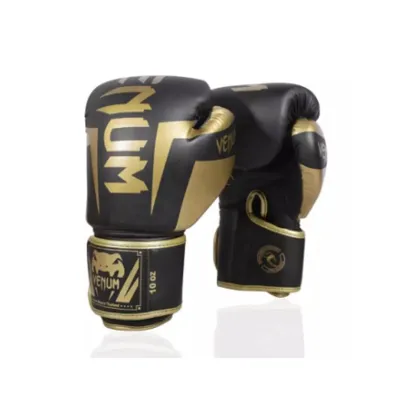

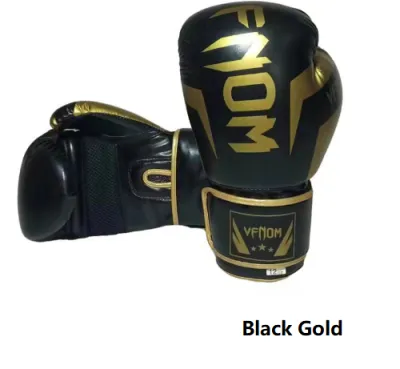
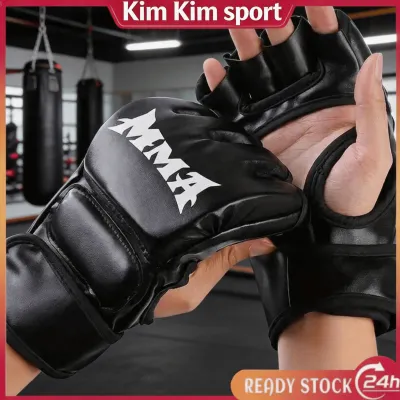
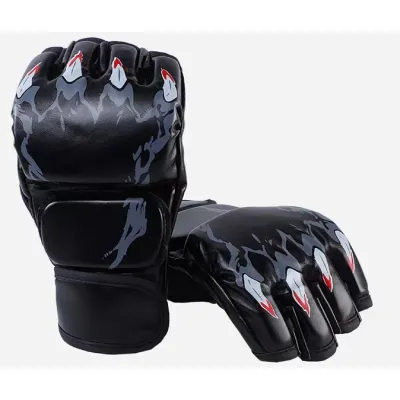
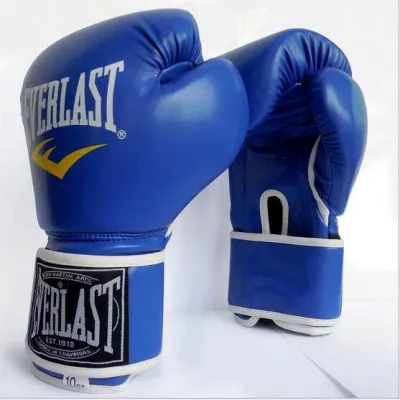
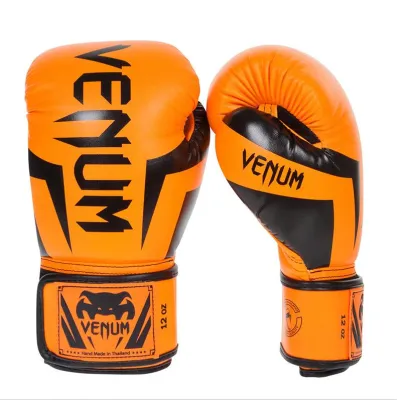
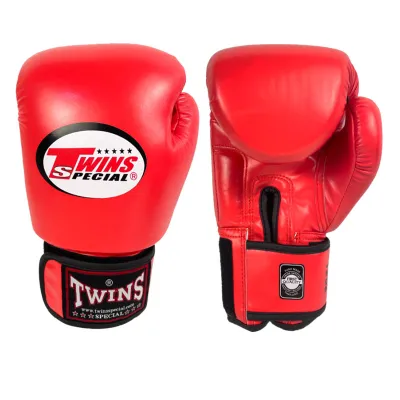
Prices are valid at publication and may change. Please refer to the product page for the latest price.
For technical drills and pad work with a partner, 10oz gloves offer excellent precision. The smaller surface area makes it easier to land punches cleanly on the center of focus mitts, reinforcing proper alignment of the knuckles and wrist. This immediate feedback is invaluable for self-correction, as you can instantly feel whether your punches are landing with the correct part of your hand.
Lighter-weight fitness enthusiasts, particularly those weighing under 50 kg, may also find that 10oz gloves provide a balanced amount of protection for light to moderate bag work. For smaller hands, a heavier glove can feel overly bulky and restrict natural fist closure, which actually increases the risk of strain. In these cases, a well-constructed 10oz glove offers a proportional fit that matches the user’s physical frame.
Additionally, the physical construction of lighter gloves can be advantageous in warm, humid environments. Because 10oz gloves contain less foam padding than their heavier counterparts, they tend to dry out much faster after an intense, sweaty session. This quick-drying capability is a practical benefit for home gyms located in garages, balconies, or rooms without continuous air conditioning, where moisture retention can quickly lead to mold and unpleasant odors.
When to Switch to a Heavier Glove Weight
Despite their benefits for speed and technique, 10oz gloves are generally insufficient for heavy bag training if you are an average-sized or heavier adult. When you strike a dense, hanging heavy bag, the force of your impact must be absorbed by the glove’s padding. The relatively thin foam layer in a 10oz glove can easily compress to its limit, or “bottom out,” transferring the harsh shock of the impact directly into your knuckles, wrists, and elbows.

If your home workouts involve sparring or any form of live partner drills, switching to a heavier glove is a non-negotiable safety requirement. Universally, sparring requires a minimum of 16oz gloves. The extra padding is not just for your own hand protection; it is designed to cushion the impact on your training partner, significantly reducing the risk of cuts, bruising, and head trauma during exchanges.
High-impact conditioning sessions also demand heavier gear. If your primary goal is to build explosive power and shoulder strength, training with 14oz or 16oz gloves acts as a form of progressive resistance. The added weight forces your upper body muscles to work harder to maintain a high guard and throw crisp punches, which ultimately improves your speed and stamina when you transition back to lighter gloves.
Using under-padded gloves for heavy impact can lead to chronic injuries over time, such as micro-fractures in the hand bones or tendonitis in the wrists. If your training routine is shifting toward power development and heavy bag conditioning, investing in a heavier pair of gloves is a necessary step to safeguard your long-term physical health and keep your training consistent.
Matching Glove Weight to Your Home Equipment
The compatibility of your 10oz gloves depends heavily on the specific type of boxing equipment installed in your home. Heavy bags come in various densities, fillings, and outer materials. A traditional canvas or synthetic leather bag filled with tightly packed shredded textiles can become incredibly hard over time, especially at the bottom where the filling naturally settles due to gravity. Striking such a dense surface with 10oz gloves is highly likely to cause hand discomfort.
Conversely, if your home setup features a water-filled heavy bag or a high-quality foam-core freestanding bag, the impact surface is inherently more forgiving. Water bags, in particular, mimic the density of the human body and distribute impact force more evenly, which may allow lighter-weight users to use 10oz gloves with less risk of joint jarring. However, you must still monitor how your hands feel after several rounds of high-intensity punching.
Speed-focused equipment, such as floor-to-ceiling double-end bags or lightweight reflex bars, is perfectly suited for 10oz gloves. These targets are designed to move rapidly and require quick, light touches rather than heavy, powerful strikes. Using a heavy 16oz glove on a double-end bag can actually ruin the rhythm of the equipment and put unnecessary strain on the elastic cords.
Before committing to a specific glove weight, always check the manufacturer guidelines or labels on your home equipment. Many heavy bag manufacturers provide specific recommendations regarding the minimum glove weight required to prevent premature wear and tear on the bag’s outer shell. Adhering to these guidelines helps preserve the lifespan of both your gloves and your training targets.
Physical Signs Your 10oz Gloves Are Insufficient
It is essential to pay close attention to the physical feedback your body provides during and after your home workouts. The most obvious sign that your 10oz gloves are insufficient is persistent discomfort or pain in your knuckles, wrists, or forearms. While some muscle soreness is normal when starting a new fitness routine, sharp pain or a deep, dull ache in the joints indicates that your gloves are not absorbing enough impact force.
Another critical indicator is the physical condition of the gloves themselves. Over time, the internal foam padding of any boxing glove will degrade and compress. You can check for this by firmly pressing your thumb into the knuckle area of the glove. If you can easily feel the hard inner structure or if the foam feels mushy and fails to spring back to its original shape, the glove has lost its protective qualities and must be replaced.
You should also evaluate the quality of the feedback you receive when striking your targets. If you feel a jarring sensation travel up your arm and into your shoulder with every punch, the glove is failing to disperse the kinetic energy. Proper feedback should feel solid but cushioned; it should never feel like you are striking a hard surface with bare knuckles wrapped only in thin fabric.
Ignoring these physical warning signs can lead to repetitive strain injuries that could sideline your training for weeks or months. If you notice any of these symptoms, it is a clear signal to stop using your 10oz gloves for heavy bag work and transition to a heavier, more protective option immediately.
Planning Your Home Boxing Glove Inventory
For a well-rounded home boxing setup, relying on a single pair of gloves is rarely the best approach. If your budget allows, planning a multi-glove inventory can significantly enhance your training experience and extend the lifespan of your gear. If your primary focus is heavy bag workouts for fitness and power, your first priority should be acquiring a high-quality pair of 14oz or 16oz gloves to serve as your daily workhorses.
You can then keep your 10oz gloves as specialized tools for technical days. This allows you to dedicate specific sessions to speed, agility, and hand-eye coordination using lighter targets, while reserving your heavier gloves for high-impact power days. This rotation ensures that you are always using the right tool for the specific training task at hand.
In the humid climate of the Philippines, a two-glove rotation offers a major practical advantage. Sweaty gloves require adequate time to dry completely to prevent the growth of bacteria and mold, which can quickly ruin the internal lining and foam. By alternating between two pairs, you give each glove ample time to air dry in a well-ventilated space, keeping your gear fresh and hygienic.
When budgeting for your home gym, consider investing a few thousand pesos ₱ in a reliable second pair rather than trying to find a single “do-it-all” glove. This investment pays off in the long run through reduced wear and tear on your equipment, a lower risk of hand injuries, and a much more versatile and enjoyable home training routine.
Frequently Asked Questions (FAQ)
Can I use 10oz gloves for heavy bag workouts if I wrap my hands?
While high-quality hand wraps are absolutely essential for supporting your wrists and protecting the small bones in your hands, they cannot compensate for the thin padding of a 10oz glove. Hand wraps function by securing the joints and preventing the hand from collapsing upon impact, but they do not absorb shock. The thin foam layer of a 10oz glove will still compress fully under heavy strikes, transferring the jarring force directly to your knuckles and joints, which can lead to chronic injury over time.
How does my body weight affect the ideal glove size for home training?
Your body weight directly influences the amount of kinetic energy you generate when throwing a punch. Heavier individuals naturally produce more force, requiring thicker padding to absorb the impact safely. As a general guideline, users under 50 kg may find 10oz or 12oz gloves suitable for light bag work, while those between 50 kg and 75 kg should generally opt for 12oz or 14oz gloves. Anyone weighing over 75 kg should use 14oz or 16oz gloves for heavy bag training to ensure their joints are adequately protected from the high forces generated.

Community discussion
Share your experience or ask a question. Comments are reviewed before publication.