
The Short Answer: Why Carabiner Multi-Tools Are Not for Climbing
No, carabiner multi-tools are absolutely not safe for actual climbing, belaying, anchoring, or any other load-bearing application. Under no circumstances should you ever use an accessory multi-tool to support human weight, clip into a safety rope, or secure a climbing partner. Doing so introduces an immediate, severe risk of equipment failure that can result in catastrophic falls and fatal injuries.
Climbing is an inherently high-risk sport where your safety depends entirely on the integrity of your gear. Certified climbing equipment is engineered to withstand immense dynamic forces, whereas a multi-tool is designed strictly for light utility tasks like opening bottles or tightening loose screws. No amount of climbing experience or physical strength can compensate for a structural failure at the critical link of your safety chain.
Before you head to any crag, you must understand the absolute boundary between life-safety gear and convenience accessories. While a carabiner multi-tool might look like a piece of climbing hardware, it is legally and structurally classified as a novelty accessory. If your safety or the safety of your climbing partner is on the line, only certified, single-purpose climbing carabiners are acceptable.
Products mentioned in this guide
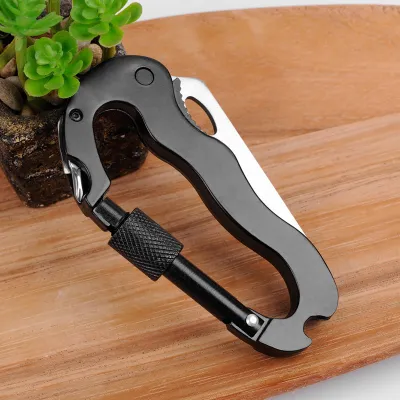
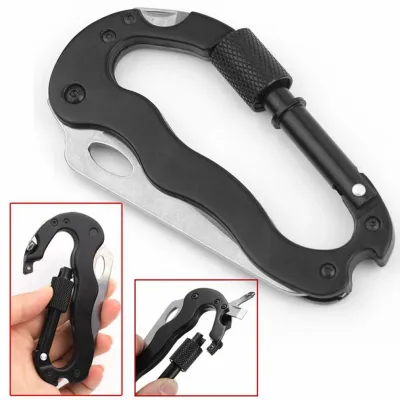
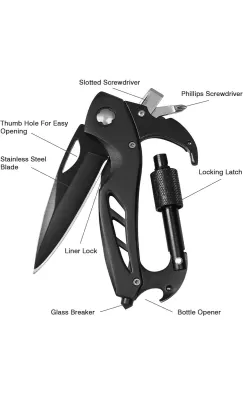
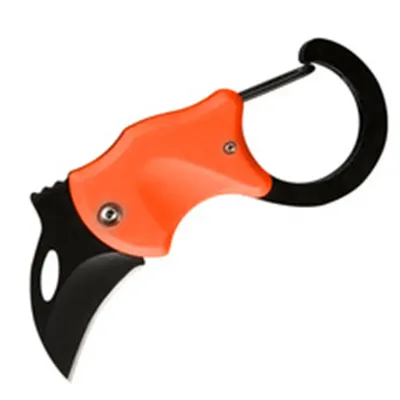
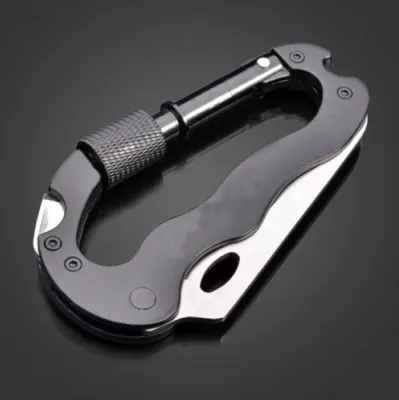
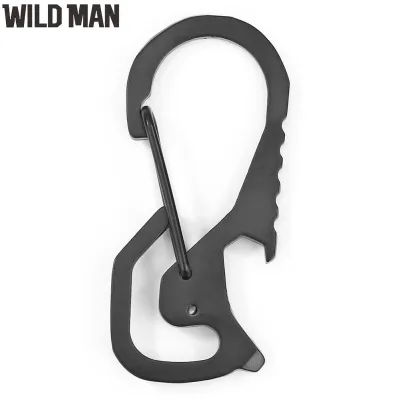
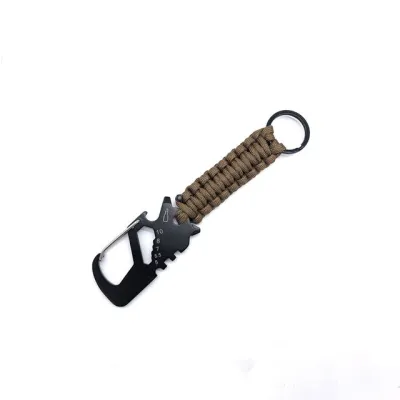
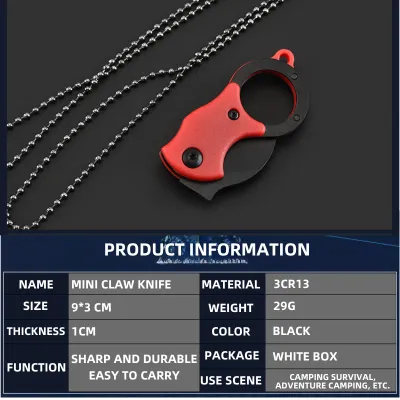
Prices are valid at publication and may change. Please refer to the product page for the latest price.
Accessory Carabiners vs. Certified Climbing Carabiners
To understand why these two items cannot be interchanged, you must look at how they are designed, manufactured, and regulated. A certified climbing carabiner is a highly specialized piece of safety hardware. It is typically hot-forged from high-strength aluminum alloys, such as 7075-T6, or structural steel, and then subjected to precise heat-treatment processes to optimize its tensile strength and elasticity.

In contrast, a carabiner multi-tool is designed to prioritize everyday convenience. To pack features like knives, flathead screwdrivers, wrenches, and bottle openers into a small frame, manufacturers must make significant design compromises. They cut away metal, drill holes for hinges, and introduce moving parts directly into the body of the carabiner. These modifications destroy the uniform structural integrity required to distribute high-impact forces safely.
Furthermore, climbing carabiners are engineered to manage multi-directional forces along specific axes. When a climber falls, the load is directed along the spine of the carabiner, which is its strongest point. If the carabiner rotates or is cross-loaded, its strength is significantly reduced, but certified gear is still designed to meet strict minimum safety thresholds even in these worst-case scenarios. A multi-tool, with its hollowed-out frame and uneven weight distribution, cannot handle these complex physical forces and will deform or snap instantly.
The most reliable way to distinguish between these two categories is by looking for a load-bearing rating. Certified climbing carabiners have their minimum breaking strength stamped directly onto the metal spine, measured in kiloNewtons (kN). A standard climbing carabiner typically boasts a major-axis strength of 20 kN or more, which translates to over 2,000 kilograms of static force. Carabiner multi-tools completely lack these stamps, often featuring explicit warnings such as “Not for Climbing” printed on their packaging or laser-etched onto the metal itself.
Critical Failure Risks When Belaying or Anchoring
Belaying and anchoring are the two most critical safety tasks in climbing, demanding gear that can handle sudden, violent energy transfers. When a lead climber falls, the safety system experiences a dynamic shock load. This load is not a slow, steady pull; it is an instantaneous spike of kinetic energy that travels through the rope, the harness, and the carabiners.
If you attempt to belay using a carabiner multi-tool, the physical consequences are predictable and catastrophic. The cutouts and hinges required to house the integrated tools act as severe stress concentrators. When a high-impact force hits these points, the stress cannot flow smoothly through the metal. Instead, it concentrates around the hinges and cutouts, causing the metal to shear or fracture at a fraction of the force of a standard climbing fall.
The gate mechanism of a multi-tool is another major point of failure. Certified climbing carabiners use highly sophisticated gate designs, such as keylock noses and locking sleeves (including screwgates or triple-action twistlocks), to ensure the gate remains closed and locked under load. Multi-tools generally rely on simple, non-locking wire gates or loose spring-loaded gates. Under the vibration and whip of a dynamic fall, these gates can easily flutter open, reducing the carabiner’s strength by up to 60% and allowing the rope to slip out entirely.
Many outdoor enthusiasts fall victim to the “looks strong enough” illusion. You might hold a heavy, thick stainless steel multi-tool in your hand and assume its bulk makes it indestructible. This is a highly dangerous assumption. Visual thickness does not equate to tested tensile strength, impact resistance, or proper metallurgical engineering. Heavy, unrated metals can actually be dangerously rigid, transferring the full force of a fall directly to your body and your anchors rather than absorbing and distributing the energy safely.
How to Verify Your Carabiner is Safe for Climbing
Ensuring your safety at the crag requires a rigorous inspection of your equipment before every session. You should never assume a carabiner is safe just because it was found in an outdoor gear bag or purchased from an online seller. Use this practical verification checklist to confirm your gear is certified for life-critical tasks:
- Check for Independent Safety Certifications: Look for the UIAA (International Climbing and Mountaineering Federation) logo or a CE (European Conformity) mark followed by a four-digit registration number stamped on the spine. These marks prove the gear has passed rigorous laboratory drop tests and quality control standards.
- Locate the Stamped Strength Ratings: A certified carabiner will always display three distinct strength ratings stamped in kiloNewtons (kN). These represent the major axis strength (typically 20 kN+), the minor axis or cross-loaded strength (typically 7 kN+), and the open-gate strength (typically 7 kN+).
- Inspect the Gate and Nose: Ensure the carabiner features a functional locking mechanism, such as a threaded screwgate or an autolocking sleeve. The gate should open smoothly and snap shut completely without sticking or dragging.
- Verify the Manufacturer: Only use gear from recognized, reputable climbing brands with a proven track record of manufacturing life-safety equipment.
If a carabiner lacks any of these stamped markings, has no stated kN rating, or features any integrated tools, you must immediately retire it from any load-bearing use. In the Philippines, where high humidity and coastal salt air can accelerate metal corrosion, it is even more critical to source your safety gear from authorized local outdoor specialty retailers. Avoid purchasing cheap, unbranded hardware from general online marketplaces, where novelty items costing around ₱100 to ₱200 are often misleadingly marketed as “tactical climbing clips.” Real, certified climbing carabiners generally start around ₱600 to ₱1,500 and are sold by specialized climbing gyms and authorized distributors.
The Right Way to Use Carabiner Multi-Tools at the Crag
While carabiner multi-tools have no place in your safety chain, they can still be highly useful accessories when used correctly at the crag or on the trail. Their primary value lies in organization, gear maintenance, and convenience tasks that do not involve supporting human weight. Understanding where to draw the line allows you to enjoy their utility without compromising your safety.
You can safely use a multi-tool carabiner for a variety of non-load-bearing camp and trail duties:
- Securing Accessories: Clip your water bottle, sandals, or a lightweight dry bag to the outside of your backpacking pack.
- Organizing Gear: Use the tool to hang your chalk bag from your harness loop, or keep your keys, headlamp, and pocket knife organized on a gear sling.
- Camp Utility: Utilize the integrated screwdrivers, wrenches, or bottle openers to adjust your camping stove, tighten loose screws on trekking poles, or open drinks at the campsite.
The golden rule of climbing gear is simple: if a human body is attached to it, or if it is part of the rope, protection, or anchor system, a multi-tool carabiner is strictly prohibited. Before using any piece of equipment, ask yourself what would happen if that specific link failed. If the answer involves a fall, injury, or loss of control, you must swap the multi-tool for a certified, locking climbing carabiner.
Additionally, protect your accessory tools from the elements. The tropical climate of the Philippines brings intense humidity and frequent rain, which can quickly rust the hinges and steel components of cheap multi-tools. Store them in a dry, ventilated pocket of your pack, and clean them with fresh water and dry them thoroughly if they are exposed to saltwater or heavy rain during coastal climbs.
Frequently Asked Questions (FAQ)
Can I use a multi-tool carabiner to attach my climbing rope to my harness?
No, you must never use a multi-tool carabiner to connect your climbing rope to your harness. This connection is a critical point in your safety chain that must withstand massive dynamic forces during a fall. For top-roping or lead climbing, you must tie the rope directly to your harness tie-in points using a certified figure-eight follow-through knot, or use certified, locking climbing carabiners specifically designed for rigging and belaying.
What if the multi-tool carabiner is made of thick stainless steel?
Even if a multi-tool is made of thick, heavy stainless steel, it is still unsafe for climbing. Material thickness cannot compensate for the severe structural weak points created by tool cutouts, hinges, and hollowed-out frames. Furthermore, unrated stainless steel may lack the necessary elasticity to absorb dynamic forces, and the gate mechanisms on these tools are not engineered to stay locked under the extreme vibrations of a climbing fall.
Are there any multi-tools that are certified for climbing?
No, there are no integrated carabiner multi-tools that carry UIAA or CE certifications for climbing or belaying. While some reputable outdoor brands manufacture specialized climbing knives, shears, or nut tools designed to clip onto your harness, these tools are meant to be carried as accessories. They must always be attached to your gear loops using a separate, fully certified climbing carabiner, and they are never designed to bear human weight.

Community discussion
Share your experience or ask a question. Comments are reviewed before publication.