
Investing in your child’s outdoor hobbies can quickly become expensive, especially when rapid growth spurts make sports gear obsolete within a single season. Transformable roller skates—also known as size-adjustable skates—offer a practical solution by expanding to accommodate growing feet. For beginners and casual skaters, these adjustable models provide a cost-effective, safe, and highly adaptable entry point into the sport, though advanced skaters will eventually require the rigid support of fixed-size pairs.
Deciding whether to purchase transformable skates depends on your child’s current skill level, how often they skate, and your long-term budget. By understanding the structural differences between adjustable and fixed-size models, you can make an informed choice that keeps your child safe, comfortable, and active on the pavement.
Signs Your Child Will Benefit from Transformable Skates
If your child is just starting their skating journey, transformable roller skates offer an excellent entry point. Beginners do not yet require the extreme rigidity or high-speed performance of specialized gear. Instead, they need a comfortable, forgiving boot that allows them to learn basic balance, rolling, and stopping techniques at their own pace.
Products mentioned in this guide
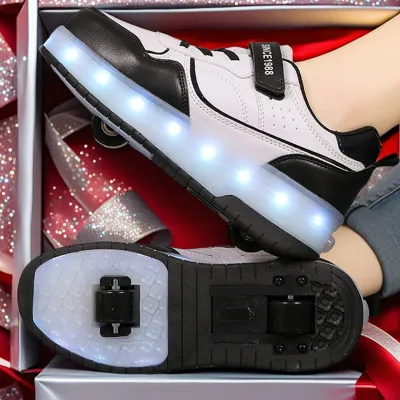
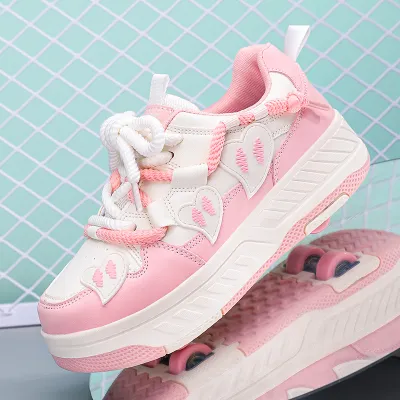
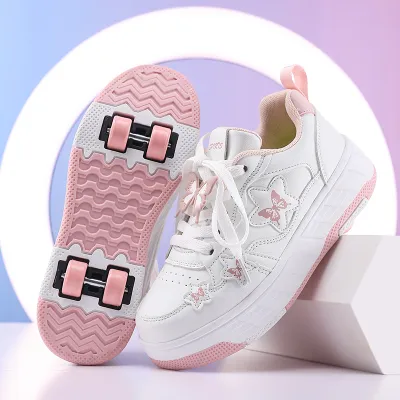
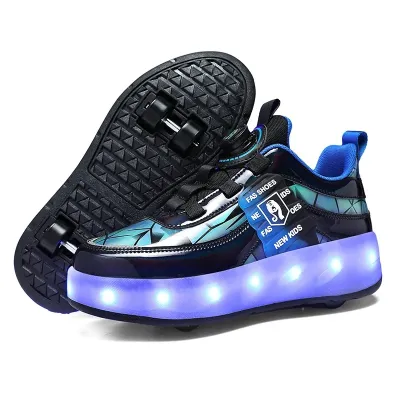
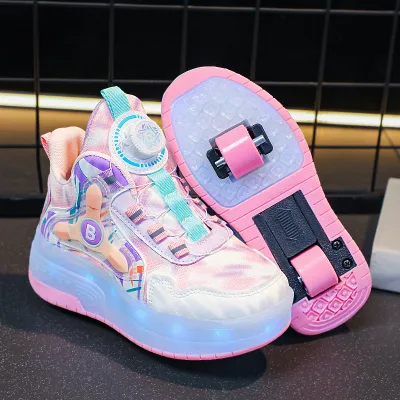
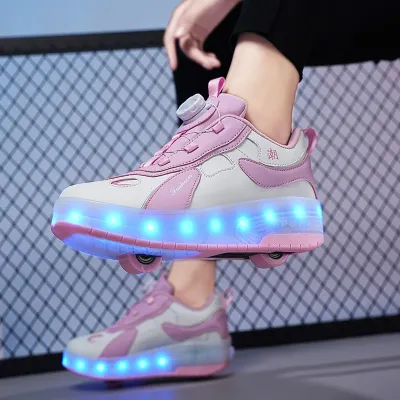
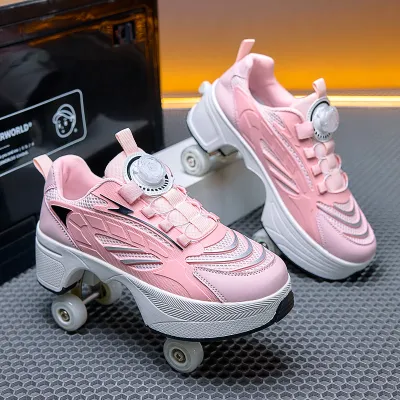
Prices are valid at publication and may change. Please refer to the product page for the latest price.
In tropical climates like the Philippines, outdoor recreation often centers around local plazas, subdivision roads, or concrete barangay sports courts. For these casual environments, a highly specialized, rigid racing boot is unnecessary. Transformable skates provide more than enough stability for weekend rolls in the park or afternoon play sessions with friends, making them ideal for recreational use.
Children’s feet can grow by multiple shoe sizes in a single year, particularly during early childhood and pre-adolescence. Purchasing fixed-size skates during these rapid growth phases often leads to frustration, as the boots may become painfully tight after only a few months of use. Transformable skates solve this issue by expanding across several sizes, ensuring a proper fit throughout the year.
From a financial perspective, investing in a single pair of adjustable skates helps manage the family budget. Instead of spending thousands of pesos on new gear every few months, parents can make a single purchase that lasts for several seasons. This approach allows you to allocate funds toward high-quality protective gear, such as helmets, knee pads, and wrist guards, which are essential for safe skating.
When to Skip Adjustable Skates and Choose Fixed-Size Pairs
While adjustable skates are excellent for beginners, they are not a one-size-fits-all solution for every young skater. As your child’s skills progress, the physical demands on their equipment change significantly. Advanced skating techniques require a level of structural integrity that adjustable mechanisms simply cannot provide.

Advanced maneuvers—such as executing tight slalom turns, jumping over obstacles, or practicing aggressive street skating—require maximum ankle support and efficient energy transfer. Fixed-size skates feature a solid, single-piece boot construction that eliminates any play or flexing in the shell. This rigidity ensures that every movement of the foot translates directly into control and speed on the pavement.
Frequent, daily skating sessions also test the limits of transformable designs. The moving parts, plastic tracks, and locking pins that allow the boot to expand can wear down under constant, high-impact use. If your child skates for several hours every day or participates in organized sports, a fixed-size boot will offer better durability and long-term structural reliability.
Specialized disciplines like artistic roller skating, speed skating, or roller hockey demand dedicated, non-adjustable footwear. These sports require specific frame lengths, wheel configurations, and boot materials tailored to the activity. If your child is joining a competitive club or training for local tournaments, consult their coach to select a specialized, fixed-size pair designed for their specific discipline.
How to Inspect the Fit and Safety of Adjustable Skates
Ensuring the safety of transformable roller skates requires regular, hands-on inspections, especially as you expand the boot to accommodate growing feet. Because these skates rely on moving parts to change sizes, verifying their structural integrity before every session is crucial for preventing injuries.
Start by thoroughly testing the locking mechanism. Most adjustable skates utilize a push-button system, a locking lever, or a manual screw-and-bolt setup. Press the button or release the lever, slide the boot through its size range, and ensure it clicks firmly into each designated slot. Apply firm pressure to the toe and heel to verify that the boot does not slip or collapse under weight.
Next, examine the interior of the boot. When you expand the skate to its larger settings, the internal liner must stretch or adjust accordingly. Check for any shifting in the padding that could create uncomfortable pressure points, heel slippage, or large gaps in the toe box. If the liner does not cover the expanded area smoothly, your child may experience blisters or lose ankle stability.
Finally, inspect the frame and wheel alignment. The chassis, which holds the wheels, must remain perfectly rigid and parallel to the sole of the boot. Check that all axle bolts are tight and that the wheels spin freely without wobbling. In humid environments, sweat and moisture can degrade bearings over time, so look for any signs of rust or debris that could compromise smooth rolling.
Making the Final Decision: A Checklist for Parents
To make the right choice for your family, it helps to weigh your child’s current interest against practical long-term costs. Use this checklist to guide your final purchase decision:
- Assess Commitment: Is your child genuinely interested in skating regularly, or are they just trying it out? For casual or trial use, an adjustable pair is the most practical choice.
- Compare Long-Term Costs: A quality pair of transformable skates typically costs between ₱1,500 and ₱4,000. Compare this to the cost of buying three separate pairs of fixed-size skates over the same period to see the potential savings.
- Evaluate the Skating Environment: Will they skate primarily on smooth indoor rinks or rough outdoor concrete? Rougher surfaces demand sturdier frames and wheels, which should be verified regardless of whether the boot is adjustable.
- Set an Upgrade Timeline: Plan to reassess your child's foot size and skill level every three to six months. This ensures they do not outgrow the maximum limit of their adjustable skates and helps you anticipate when a transition to fixed-size pairs is necessary.
Frequently Asked Questions (FAQ)
How many sizes do transformable roller skates typically cover?
Most transformable roller skates are designed to adjust across a range of three to four standard shoe sizes. For example, a single pair might adjust from size 31 to 34, or from small to medium size brackets. Because sizing standards vary significantly between manufacturers, always measure your child’s foot in centimeters and compare it directly to the brand’s specific sizing chart rather than relying solely on their age or everyday shoe size.
Can I replace the wheels and bearings on adjustable kids' skates?
Yes, most reputable transformable skates use standard, replaceable wheels and bearings. As your child’s skills improve or the original parts wear down from outdoor use, you can upgrade to softer wheels for better grip or smoother bearings for increased speed. Before purchasing replacement parts, check the manufacturer’s manual to verify the maximum wheel diameter and axle compatibility supported by the skate’s frame.

Community discussion
Share your experience or ask a question. Comments are reviewed before publication.