
Living in a high-rise condominium offers convenience, but sharing walls and floors with neighbors means sound travels quickly. If you plan to bring a treadmill into your condo, you might wonder if the noise will trigger complaints. Treadmills can indeed be highly disruptive in shared buildings, but the main culprit is rarely the motor itself. Instead, the low-frequency vibrations generated by your feet striking the deck travel directly through the building’s structure, acting like a drumbeat for anyone living below you. Fortunately, understanding how this sound travels and taking proactive steps to isolate your machine can make condo running entirely feasible.
By analyzing where the noise originates and evaluating your specific living space, you can implement targeted solutions to keep your workouts quiet. Whether you are adjusting your running form, investing in specialized dampening accessories, or shopping for a machine with built-in shock absorption, managing treadmill noise is a matter of physics and preparation.
Where Treadmill Noise and Vibration Actually Come From
To tackle treadmill noise effectively, you must first understand its three distinct components: motor hum, belt friction, and footstrike impact. The electric motor produces a continuous, high-frequency hum that scales with your speed. Meanwhile, the running belt sliding over the deck creates a constant swooshing sound. While these airborne noises can be annoying inside your own room, they rarely penetrate thick concrete walls or floors.
Products mentioned in this guide

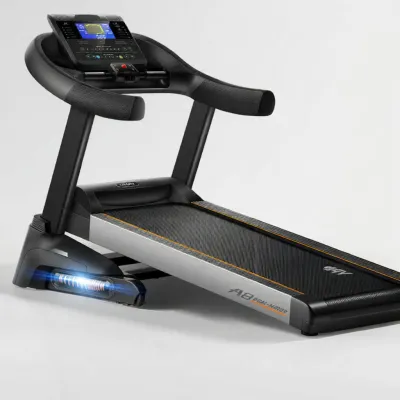
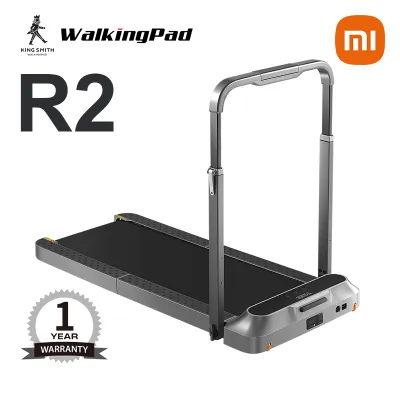

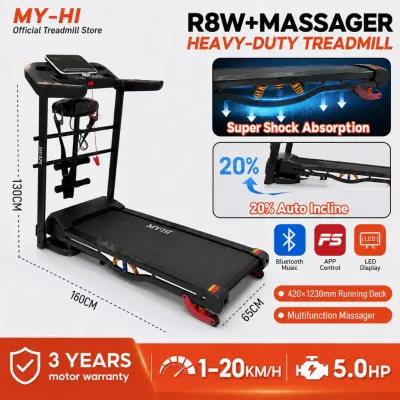
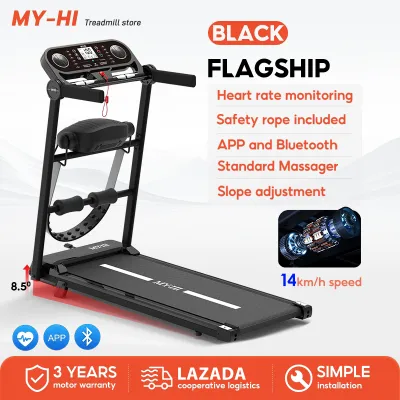
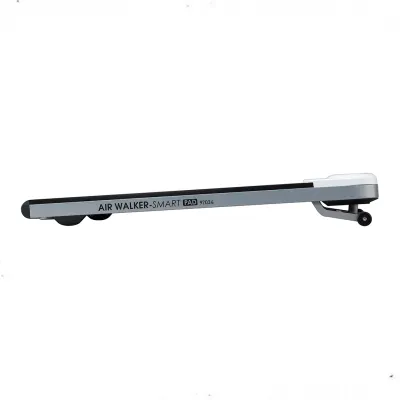
Prices are valid at publication and may change. Please refer to the product page for the latest price.
The real challenge in a multi-story building is structure-borne noise. Every time your foot hits the treadmill deck, it sends a shockwave down through the machine’s frame and directly into the floor. This impact energy transforms into low-frequency vibrations that travel through concrete slabs and support beams, radiating into the apartments below and adjacent to yours. To your downstairs neighbor, this does not sound like a motor; it sounds like a heavy, rhythmic thudding.
User weight, running speed, and incline settings dynamically alter these vibration levels. A heavier runner or a faster sprint generates significantly harder footstrikes than walking or light jogging. Even the incline setting plays a role, as a steeper incline changes your running mechanics and how your feet distribute weight across the deck, which can alter the vibration profile.
Evaluating Your Condo Setup for Treadmill Use
Before purchasing a machine, you need to assess your specific living environment. Start by examining your flooring. Modern high-rise condominiums typically feature thick concrete slab floors, which are excellent at blocking airborne sounds like voices or television audio. However, concrete is highly efficient at transmitting structural vibrations unless those vibrations are physically decoupled from the surface. If your building uses older wood-frame construction or lightweight joists, the floor will act as a natural amplifier, making vibration mitigation even more critical.

Next, consult your condominium corporation or building administration rules. Most properties enforce strict guidelines regarding heavy equipment, structural load limits, and designated quiet hours—often between 10:00 PM and 6:00 AM. Reviewing these guidelines early prevents costly disputes or the frustration of being told to remove your machine after you have already set it up.
Finally, consider the layout of your unit. Avoid placing the treadmill in a room directly above a neighbor’s bedroom or right against a shared partition wall. Positioning the machine in a central living area, on an exterior structural wall, or in a room with minimal shared boundaries will maximize the physical distance between the noise source and your neighbors.
Proven Methods to Reduce Treadmill Noise and Vibration
Minimizing treadmill noise requires a combination of physical barriers, proper setup, and mindful usage. The single most effective step you can take is placing a high-density anti-vibration mat beneath the machine. Standard yoga mats or thin foam tiles are insufficient; you need a thick, heavy-duty rubber mat specifically engineered for fitness equipment. This mat absorbs the kinetic energy of your footstrikes, preventing the vibration from transferring into the building’s concrete structure.
Ensuring your treadmill is perfectly level is another critical step. If the treadmill is uneven, it will rock and rattle during use, which amplifies the noise and causes uneven wear on the belt and motor. Most modern machines feature adjustable leveling feet that you can twist to stabilize the frame on uneven tiles or wood flooring.
Your workout habits also play a major role in keeping the peace. Try to schedule your runs during daytime hours when ambient city noise is higher, making your treadmill sounds less noticeable. Additionally, pay attention to your running form. Transitioning to a midfoot or forefoot strike pattern can dramatically soften your landing, reducing both the noise in your room and the vibration sent downstairs.
Regular maintenance is equally vital for noise control, especially in tropical climates where humidity can affect mechanical components. Over time, the friction between the belt and the deck increases, causing the motor to strain and whine. Applying a manufacturer-approved silicone lubricant under the belt every few months keeps the mechanism sliding smoothly and quietly. You should also periodically check and tighten all frame bolts and console screws to eliminate structural rattles.
Key Features to Look for in a Condo-Friendly Treadmill
If you are shopping for a new machine, certain technical specifications can help you identify a model that is naturally quieter. Start by looking at the motor’s continuous duty rating, measured in Continuous Horsepower (CHP). Avoid motors rated only by peak horsepower. A treadmill with a robust motor, such as 2.5 to 3.0 CHP, can handle running speeds easily without running hot or whining under strain, resulting in a much quieter baseline hum.
The deck’s cushioning system is your primary defense against footstrike noise. Look for models featuring advanced elastomer shock absorbers or zone cushioning. These systems are designed to flex and absorb the force of your stride, protecting your joints while simultaneously dampening the impact sound before it ever reaches the floor.
While it might seem counterintuitive, a heavier treadmill is often better for a condo than a lightweight, ultra-portable folding model. Heavier machines with solid steel frames offer superior stability. They resist rocking and shifting during intense workouts, which minimizes frame rattle and structural vibration.
Lastly, always verify the manufacturer’s specific noise-reduction claims rather than relying on generic marketing labels like “silent” or “whisper-quiet.” If possible, visit a local showroom to test the machine yourself. Pay close attention to how the frame behaves when you run, and check if the manufacturer specifies decibel levels for different speed ranges.
Frequently Asked Questions (FAQ)
Can I use a treadmill on an upper floor without damaging the ceiling below?
Yes, you can safely place a treadmill on an upper floor without worrying about structural damage. Modern residential condominiums are engineered to support heavy loads, and the combined weight of a standard treadmill and a runner is well within safe structural limits. The primary concern is almost always the transmission of noise and vibration rather than structural failure. However, if you live in an older building, or if you notice the floor feels unusually bouncy when you jump, it is wise to consult your building administration or a structural engineer before setting up heavy equipment.
Do manual treadmills make less noise than motorized ones?
While manual treadmills eliminate electric motor hum entirely, they are not necessarily quieter than motorized models. Without a motor to drive the belt, you must use your own physical force to push the belt backward, which often results in harder, more aggressive footstrikes. This increased physical effort can actually generate louder impact noises and greater structural vibration. Additionally, the friction of the belt sliding over the rollers still produces a noticeable sound, meaning you will still need a high-density rubber mat to protect your neighbors from the vibration.

Community discussion
Share your experience or ask a question. Comments are reviewed before publication.