
Quick Answer: Which Arena Goggles Should You Choose?
Selecting the right Arena swimming goggles depends entirely on your primary activity in the water. For daily lap swimming, fitness routines, and long training sessions, Arena training goggles are the optimal choice because they prioritize long-term comfort, universal fit, and robust durability. Conversely, if you are preparing for a swim meet, time trial, or competitive racing event, Arena competition goggles are engineered to minimize drag, provide a highly secure seal during explosive starts, and offer a streamlined, low-profile design.
The core trade-off between these two categories lies in the balance between comfort and hydrodynamics. Racing goggles feature rigid, minimal gaskets that sit deep inside the eye socket to reduce water resistance, which can cause discomfort during extended wear. Training goggles utilize soft, plush silicone gaskets that distribute pressure evenly around the eyes, sacrificing a small amount of speed for a highly comfortable fit and a wider field of vision. Understanding these design philosophies will help you select the perfect pair for your specific swimming habits and performance goals.
Core Differences Between Training and Competition Swim Goggles
To make an informed decision, it is essential to understand the structural and material differences that set training and competition goggles apart. These design variations directly impact how the goggles perform, how they feel on your face, and how long they will last under regular use.
Products mentioned in this guide
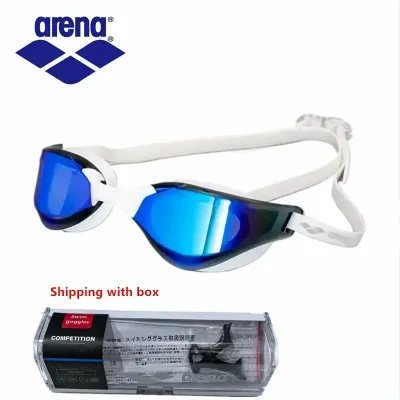
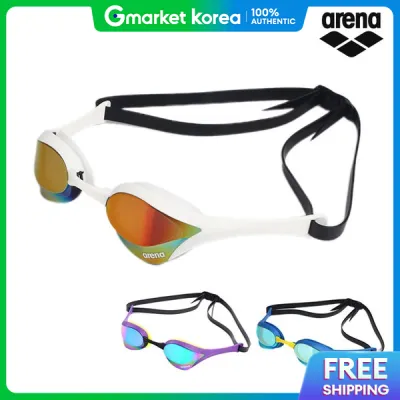
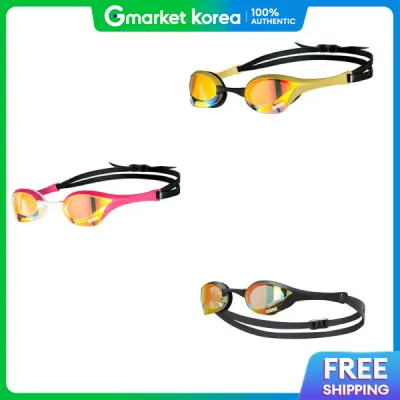
Prices are valid at publication and may change. Please refer to the product page for the latest price.

Lens Shape and Profile
The physical profile of the lens is the most visible difference between these two types of goggles. Training goggles typically feature a standard, slightly bulkier lens profile. This design allows for a larger lens surface area, providing a wider field of vision that is highly beneficial for navigating busy public lanes, tracking other swimmers, or maintaining spatial awareness in open water. Competition goggles, on the other hand, are engineered with an ultra-low-profile, hydrodynamic shape. The lenses sit much closer to the face and are often angled to allow water to flow smoothly over the head, significantly reducing drag when diving off starting blocks or executing powerful flip turns.
Gasket Material and Eye Cups
The gasket is the material that makes direct contact with your skin to create a watertight seal. Training goggles prioritize comfort by using soft, thick, and highly flexible silicone gaskets. These gaskets conform easily to various facial structures, reducing pressure on the delicate skin around the orbital bone and preventing eye fatigue during long workouts. Competition goggles use minimal, highly rigid, or sometimes even gasket-less eye cups. While this rigid construction minimizes water resistance and prevents the goggles from deforming under high water pressure, it provides very little cushioning, making them less comfortable for prolonged wear.
Strap Design and Adjustment Systems
A secure fit is crucial for both training and racing, but the execution differs. Training goggles often feature a single, robust strap or a simple split strap paired with an easy-adjust side or rear buckle. This setup allows you to quickly adjust the tension on the fly between sets without hassle. Competition goggles utilize a highly secure dual-strap or high-tension split-strap system. These straps are designed to wrap around the crown of the head at two distinct angles, ensuring the goggles remain perfectly locked in place during high-impact entries and rapid underwater streamlines.
Durability and Functional Lifespan
The environments in which these goggles are used dictate their material durability. Training goggles are built as daily workhorses, featuring thick silicone straps and robust frames designed to withstand constant exposure to chlorine, salt water, and tropical humidity. Competition goggles are highly specialized precision instruments. While they are made from premium materials, their delicate anti-fog coatings, mirrored finishes, and ultra-thin gaskets are more susceptible to wear and tear, meaning they generally have a shorter functional lifespan if used for daily training.
Arena Training Goggles: Comfort and Durability for Daily Laps
For fitness enthusiasts, masters swimmers, and triathletes who spend hours in the pool each week, training goggles are the backbone of their gear bag. When swimming laps under the warm tropical sun or in highly chlorinated indoor pools, comfort and reliability are paramount.
Prioritizing Long-Session Comfort
Arena’s training goggle lineup is designed to eliminate the distractions of leaking, fogging, and painful pressure points. When you are swimming for an hour or more, even minor discomfort can ruin a workout. Training goggles address this by distributing the strap tension across a wider surface area around the eyes, allowing you to focus entirely on your stroke technique, breathing, and pacing.
Key Features to Evaluate
When selecting a training model, look for features that enhance daily usability and durability:
- Multi-Density Silicone Gaskets: High-quality silicone that is softer near the skin and firmer near the frame provides both comfort and structural integrity.
- Advanced Anti-Fog Coatings: High humidity in tropical climates can cause rapid condensation inside the lenses; a reliable anti-fog treatment is essential for clear vision.
- UV Protection: Essential for outdoor pools, UV-blocking lenses protect your eyes from intense solar radiation and reduce eye strain.
- Wide-View Lenses: A broader peripheral view helps you monitor lane traffic and turn timing more effectively.
Common Arena Training Series
Arena offers several highly regarded training lines designed for universal appeal and daily reliability:
- Arena The One: This series features Arena's Orbit-Proof technology, which utilizes a unique gasket design based on the study of human facial structure. By avoiding the delicate areas of the eye socket, it provides a secure, leak-free fit for a wide variety of face shapes without requiring constant adjustments.
- Arena Tracks: A classic, versatile training option that offers a traditional fit with interchangeable nose bridges. It provides a slightly lower profile than The One while still maintaining the soft cushioning needed for daily lap swimming.
Ideal User Profiles
These goggles are the perfect match for fitness swimmers, triathletes executing high-volume training blocks, and recreational lap swimmers. If your primary goal is to build endurance, burn calories, or enjoy a relaxing swim without worrying about goggle marks or leaks, a dedicated training model will serve you best.
Arena Competition Goggles: Speed and Hydrodynamics for Race Day
When you step onto the starting blocks, every detail of your equipment must be optimized for speed. Arena’s competition goggles are engineered for competitive athletes who require maximum hydrodynamic efficiency, absolute stability, and a secure seal under extreme forces.
Engineering for Peak Performance
The primary objective of a racing goggle is to minimize drag. As you dive into the water at high speed, any protruding gear creates resistance, slowing your momentum. Arena addresses this by streamlining the frame and lens profile, allowing water to glide over the goggles with minimal turbulence.
Key Features to Evaluate
To choose the right competition model, consider these performance-oriented features:
- Low-Profile Frame: Lenses that sit flush with the orbital bone to reduce the frontal surface area.
- Rigid Temple Arms: Extended side structures that transfer strap tension directly to the back of the head, preventing the frame from shifting or vibrating during high-speed entries.
- Interchangeable Nose Bridges: Multiple sizes of rigid nose bridges to ensure a highly customized, leak-free fit between the eyes.
- Mirrored Lenses: Essential for reducing glare from bright overhead pool lights or the intense outdoor sun during competitive events.
Common Arena Competition Series
Arena’s racing lineup is highly respected by competitive swimmers worldwide:
- Arena Cobra Series: The flagship racing line, known for its iconic hydrodynamic shape, low-profile design, and exceptional stability.
- Arena Cobra Ultra: Features an even more swept-back lens profile and extended temple arms for maximum drag reduction and stability during explosive starts and turns.
- Verification Check: Before purchasing a specific model for official swim meets, always check the product packaging or official manufacturer documentation to verify if it is approved by World Aquatics (formerly FINA) for competitive use.
Ideal User Profiles
Competition goggles are designed for competitive swim meets, time trials, and high-intensity race-simulation training. They are ideal for club swimmers, varsity athletes, and elite competitors who are willing to trade long-term comfort for a hydrodynamic advantage and are prepared to maintain their gear meticulously.
Decision Framework: Choosing the Right Arena Goggles for Your Needs
To finalize your choice, evaluate your swimming habits, goals, and personal preferences against this condition-based decision framework.
Choose Arena Training Goggles If:
- You swim multiple times a week for fitness, health, or technique practice.
- Your typical swim sessions last longer than 45 minutes.
- You prioritize long-term comfort and want to avoid deep goggle marks around your eyes.
- You need a durable, cost-effective pair of goggles that can withstand daily exposure to chlorine and tropical humidity.
- You prefer a wide, unobstructed field of vision to navigate busy public lanes.
Choose Arena Competition Goggles If:
- You are actively training for or competing in swim meets, triathlons, or time trials.
- Your primary focus is reducing drag and maximizing hydrodynamic efficiency.
- You require an ultra-secure, rigid seal that will not slip or leak during explosive dives and rapid flip turns.
- You are comfortable with a tighter, more rigid fit around your eye sockets.
- You are willing to maintain a dedicated "race-day" pair and replace them more frequently to preserve their specialized coatings.
Special Considerations and Alternative Needs
If you are looking for goggles specifically for open-water swimming in the ocean, neither standard training nor competition pool goggles may be perfect. Open-water swimming often requires much wider peripheral vision to navigate currents and spot buoys, as well as polarized lenses to combat intense water glare. Additionally, if you require corrective lenses, you must check Arena’s specific optical model availability or consult an eye care professional, as standard training and racing models do not accommodate prescription lenses.
Verify Fit Before You Buy
Because every individual has a unique facial bone structure, no single goggle model can guarantee a perfect seal for everyone. Before making a purchase, verify the gasket material and strap adjustability of your chosen model. If you are purchasing online from an ecommerce platform, it is highly recommended to check the retailer’s return and exchange policy so you can swap the goggles if the fit is not compatible with your face.
Fit, Care, and Maintenance for Maximum Lifespan
Regardless of whether you choose a training or competition model, proper fit, care, and maintenance are essential to ensure your Arena goggles perform well and last as long as possible.
The Suction Test
To verify if a pair of goggles is compatible with your face shape before you swim, perform a simple suction test. Press the goggle lenses firmly against your eye sockets without putting the strap over your head. Gently let go. If the goggles stick to your face and maintain suction for a few seconds, the frame shape matches your facial structure and will provide a reliable, watertight seal when the strap is applied.
Post-Swim Care Instructions
Chlorine, salt water, sweat, and sunscreen can rapidly degrade silicone gaskets and delicate lens coatings. To protect your investment:
- Rinse your goggles thoroughly with fresh, cool water immediately after every swim.
- Never use soap, dishwashing liquid, hot water, or abrasive cleaners, as these can damage the materials.
- Crucially, avoid touching, rubbing, or wiping the inside of the lenses. Touching the inside will scratch or rub off the delicate factory-applied anti-fog coating.
Storage and Drying Guidelines
Allow your goggles to air-dry completely in a shaded, well-ventilated area. Never leave them in direct sunlight or inside a hot car, as intense tropical heat and UV rays can warp the silicone gaskets, degrade the straps, and damage the lens coatings. Once dry, store your goggles in a hard protective case to prevent scratches and physical deformation while carrying them in your swim bag. Always refer to the manufacturer’s care instructions included with your specific Arena model for detailed maintenance guidelines.
Frequently Asked Questions (FAQ)
Can I use competition goggles for daily training?
While it is physically possible to wear competition goggles for daily training, it is generally not recommended. The rigid gaskets and high strap tension required to keep racing goggles secure can cause discomfort, eye strain, and headaches during long training sessions. Furthermore, daily exposure to chlorine and pool chemicals will wear out the delicate anti-fog and mirrored coatings much faster, reducing their effectiveness when race day arrives.
How often should I replace my Arena swim goggles?
The replacement frequency depends heavily on your usage, maintenance habits, and storage conditions. For active swimmers training three to four times a week, training goggles typically last between three to six months before the silicone gaskets begin to lose their elasticity or the anti-fog coating degrades. Competition goggles reserved strictly for race day can last much longer, but those used for regular high-intensity training may need replacement every few months to maintain peak performance.
Do Arena goggles fit all face shapes?
No single swim goggle can offer a perfect fit for every face shape. Arena designs different models to accommodate various facial structures, nose bridge heights, and eye socket depths. Training models like The One feature more flexible, adaptive frames that conform to a wider range of faces, whereas rigid competition models require a more precise match to your facial bone structure to prevent leaks.

Community discussion
Share your experience or ask a question. Comments are reviewed before publication.