
The ideal cellphone holder depends entirely on your phone size, run distance, and need for extra gear. Arm bands suit minimalist runners needing quick screen access, waist belts offer stability for mid-sized phones, and running pouches or holder bags are best for long distances requiring additional storage. Finding the right fit is crucial to prevent your device from bouncing, chafing against your skin, or getting damaged by sweat during humid outdoor workouts.
How to Match a Cellphone Holder to Your Running Style
Selecting the right carrying method begins with an honest assessment of your physical profile, your device, and your typical training environment. A large, heavy smartphone behaves very differently on a short, high-intensity track workout than it does on a slow, multi-hour weekend long run. Before choosing a style, measure your phone with its protective case on, as many holders are designed only for bare devices and will not accommodate rugged, shockproof cases.
Your running environment also dictates your storage needs. In tropical climates where high humidity and sudden downpours are common, protecting your electronics from moisture—both external rain and your own perspiration—is a primary concern. If you frequently run long distances, you must also account for carrying hydration, energy gels, keys, and emergency cash (such as ₱100 or ₱200 bills for convenience store stops).
Products mentioned in this guide
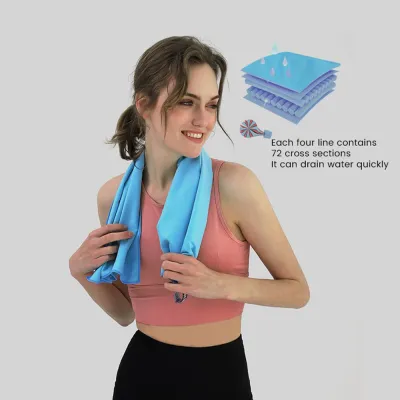
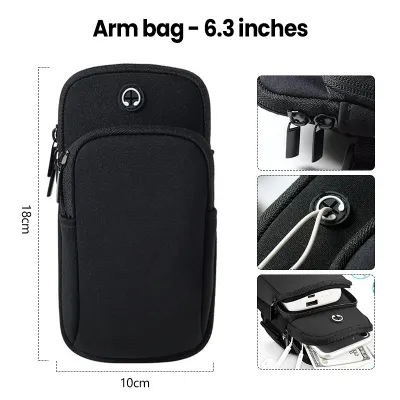
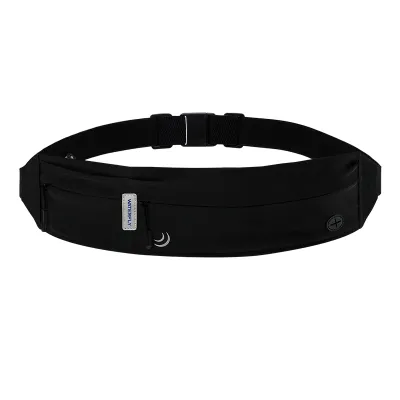
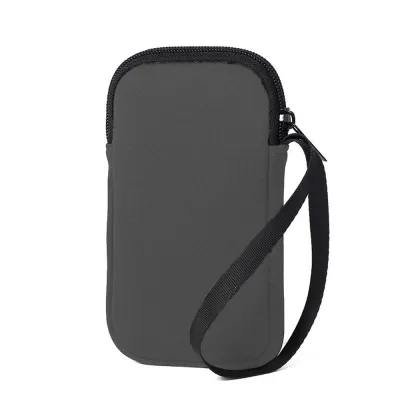
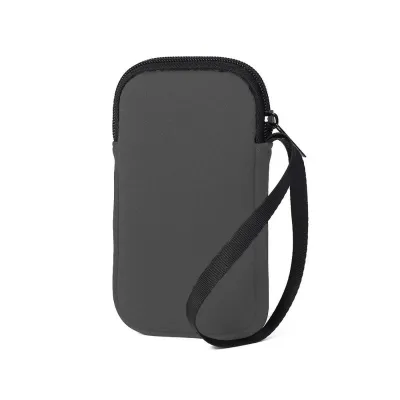
Prices are valid at publication and may change. Please refer to the product page for the latest price.
Finally, pay close attention to your body’s biomechanics and sensitivity. Some runners find any restriction around their chest or arms highly distracting, while others are particularly prone to chafing along the waistline or underarms. Identifying these personal comfort thresholds early will help you narrow down the options and avoid gear that disrupts your natural running form.
Arm Bands: Best for Quick Access and Shorter Runs
Arm bands remain a classic choice for runners who prioritize immediate access to their screens. If you frequently perform interval training, track workouts, or runs where you need to monitor your pace, check navigation, or change music playlists on the fly, having your phone strapped to your upper arm keeps the screen within your line of sight. This positioning allows you to glance down or tap the screen without breaking your stride or digging through a pocket.

However, arm bands present distinct fit and comfort challenges that vary based on your physical build. Because they rely on a snug strap wrapped around the biceps, they can feel restrictive during deep breathing or when your arms pump during uphill climbs. If the strap is too tight, it can pinch the skin or restrict circulation; if it is too loose, the weight of the phone will cause the band to slide down toward your elbow, especially when sweat acts as a lubricant on your skin.
Oversized or heavy smartphones exacerbate these issues significantly. Carrying a large device on one arm creates an asymmetrical weight distribution that can subtly alter your arm swing, potentially leading to shoulder or neck fatigue over long distances. For this reason, arm bands are generally best suited for shorter, faster runs where you carry minimal gear and use a standard-sized, lightweight phone.
Waist Belts: Best for Stability and Mid-Sized Phones
For runners who dislike the feeling of asymmetrical weight on their arms, waist belts offer an exceptionally stable alternative. By positioning the phone close to your body’s center of gravity—either directly over your lower back or against your lower abdomen—waist belts minimize vertical bounce and side-to-side swaying. This centralized load distribution makes the phone feel much lighter than it actually is, allowing you to maintain a natural, unrestricted arm swing.
Despite their stability, waist belts have clear capacity limits. While they easily accommodate mid-sized phones and a few flat items like cards or keys, stuffing them with bulky items can cause the belt to ride up toward your waist or bounce excessively. Over time, the constant tension and weight of a heavy device can stretch out the elastic fabric, reducing the belt’s compression and causing it to sag during your runs.
Moisture management is another critical factor when wearing a belt around your waistline. In hot and humid conditions, the fabric of the belt rests directly against your skin or running shorts, trapping heat and sweat. This concentrated moisture can lead to skin irritation, heat rash, or chafing along the waistband. To mitigate this, look for belts made from breathable, perforated materials and check that the internal pocket features a reliable sweat-resistant barrier to protect your phone’s charging port.
Running Pouches and Holder Bags: Best for Long Distances
When your training runs extend into endurance territory, a simple arm band or minimalist waist belt is rarely sufficient. Running pouches, chest bags, and lightweight running vests provide the expanded storage capacity needed for long-distance road runs or trail sessions. These holder bags allow you to carry your phone alongside essential safety gear, hydration flasks, nutrition supplies, and lightweight weather protection.
The primary advantage of a chest pouch or vest is how it distributes weight across your upper body. By spreading the load evenly across your shoulders, chest, and back, these bags prevent the localized pressure points and bouncing associated with waist-worn or arm-worn gear. This balanced distribution is particularly beneficial on uneven terrain, where sudden changes in direction and elevation require maximum core stability and freedom of movement.
However, the increased coverage of a running pouch or vest comes with a trade-off in heat retention. Covering your chest or back with extra layers of fabric limits your body’s ability to cool itself through sweat evaporation, which can be a significant drawback during hot midday runs. Additionally, you must carefully check the fit adjustments and zipper durability; loose straps can cause the bag to rub against your collarbones or ribs, while cheap zippers can quickly corrode or jam when exposed to salty sweat over multiple training seasons.
Decision Matrix: Choosing the Right Holder for Your Routine
To help you determine which style aligns best with your training habits, consider how your typical running scenarios map to each holder type. A runner focusing on short, high-intensity track sessions has vastly different requirements than someone preparing for a marathon or exploring mountain trails.
| Holder Type | Ideal Phone Size | Best Run Types | Primary Trade-offs |
|---|---|---|---|
| Arm Band | Small to Medium | Intervals, Track, Short Road Runs | Can slip with sweat; restricts arm movement; asymmetrical weight |
| Waist Belt | Medium to Large | Steady-State, Tempo, Mid-Distance | Can ride up or bounce if overloaded; traps heat around waist |
| Running Pouch / Bag | Any Size | Long Runs, Trail Running, Commute Runs | Retains body heat; heavier overall; higher surface area coverage |
If your routine consists of quick, fast runs where you need to check your training app constantly, the arm band is the most practical choice. For daily road runs of moderate distance where you want to forget you are carrying a phone, a snug waist belt provides the cleanest, most stable experience. If you are heading out for hours at a time and need to carry water, nutrition, and safety gear, investing in a dedicated running pouch or vest is the safest way to support your body mechanics.
Essential Specs to Verify Before You Buy
Because performance and fit vary widely by manufacturer, you should always verify specific physical dimensions and material claims on product labels before making a purchase. Never rely solely on generic compatibility lists like “fits all smartphones,” as these rarely account for the added bulk of protective cases or pop-up grips. Measure your phone’s exact length, width, and depth with its case on, and compare those figures directly to the internal pocket dimensions provided by the manufacturer.
Next, examine the material specifications for water resistance and breathability. Look for terms like “sweat-wicking,” “neoprene,” or “TPU-coated” to ensure the holder can withstand heavy perspiration and sudden tropical rain showers without letting moisture seep into your phone’s sensitive ports. If you run during the early morning or late evening to avoid the intense daytime heat, check for integrated reflective elements or high-visibility strips to ensure you remain visible to motorists in low-light conditions.
Finally, inspect the closure mechanisms and strap adjustability. High-quality hook-and-loop fasteners, adjustable buckles, and elastic straps should offer a wide range of adjustment to fit your specific body measurements. Check user feedback or product specifications regarding strap stretch and buckle durability, as these components bear the brunt of the mechanical stress during your stride and are the most common points of failure over time.
Frequently Asked Questions (FAQ)
Will a waist belt stretch out if I carry a heavy, oversized phone?
Yes, waist belts can lose their elasticity over time if they are consistently loaded with heavy, oversized devices. The constant bouncing motion of running puts repetitive stress on the elastic fibers, eventually causing the material to sag or lose its compression. To maximize the lifespan of your belt, check the manufacturer’s recommended weight limits and look for belts made with high-density elastic or adjustable, non-stretch webbing straps that rely on buckles rather than pure tension to stay secure.
How do I clean sweat out of my cellphone holder bag or arm band?
To prevent odor buildup and protect the materials, you should clean your running holder regularly. Hand-washing is the safest method: submerge the holder in lukewarm water mixed with a small amount of mild, sports-specific detergent, gently rub the fabric to release salt and oils, and rinse thoroughly with clean water. Avoid machine washing or tumble drying unless the manufacturer’s care label explicitly permits it, as high heat and agitation can delaminate water-resistant coatings, warp plastic screen covers, and degrade elastic straps. Always allow the holder to air dry completely in a shaded, well-ventilated area before using it again.

Community discussion
Share your experience or ask a question. Comments are reviewed before publication.