
Choosing the right Yonex badminton racket depends on your primary playing style: select the Astrox series if you want head-heavy power for steep smashes, the Nanoflare series if you prioritize head-light speed for quick net play and defense, or the Arcsaber series if you need an even-balanced frame for precise control and tactical placement. In the humid, tropical playing conditions of local indoor courts in the Philippines, where air resistance and shuttle speed can vary, matching your racket’s physical characteristics to your natural swing mechanics is essential for both performance and injury prevention. Understanding how these three flagship series differ in balance, frame design, and overall feel will help you make an informed decision that elevates your game.
Astrox Series: Power and Steep Smashes
The Yonex Astrox series is engineered specifically for players who want to dominate the court with aggressive, high-powered attacking play. The defining characteristic of this series is its head-heavy balance, which concentrates more weight at the top of the racket frame. When you swing a head-heavy racket, the extra mass at the top generates significant centrifugal force, adding substantial momentum to your overhead shots. This extra weight helps produce steeper angles on your smashes, forcing the shuttle down quickly and making it incredibly difficult for your opponents to defend or counter-attack effectively.
This power-focused design makes the Astrox series highly popular among singles players who have the time to set up big baseline shots, as well as backcourt doubles specialists whose primary role is to unleash continuous, heavy smashes from behind their partner. The added weight at the head acts as a natural force multiplier, allowing players with strong wrist action and clean technique to maximize their offensive output.
Products mentioned in this guide
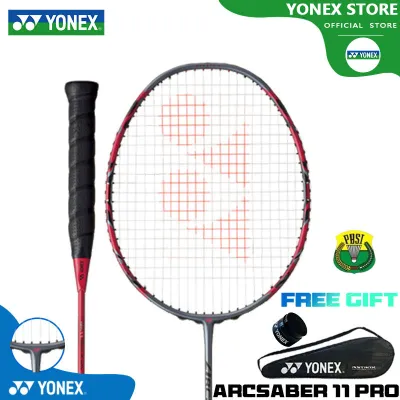
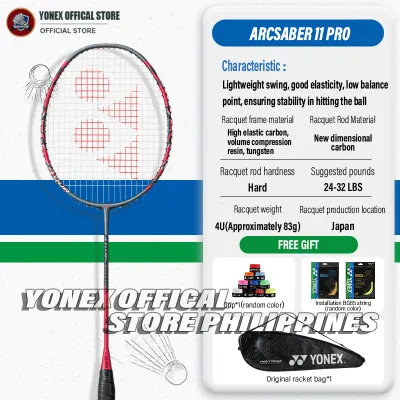
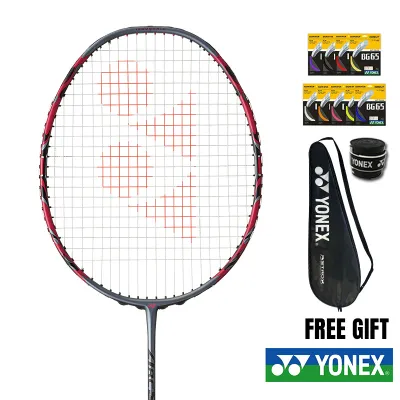
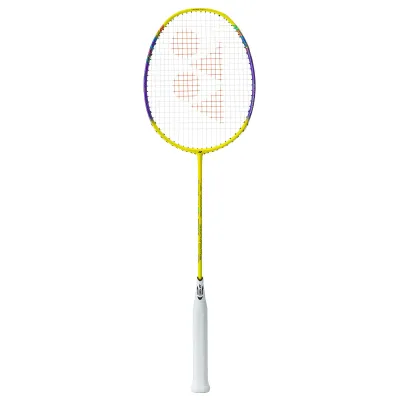
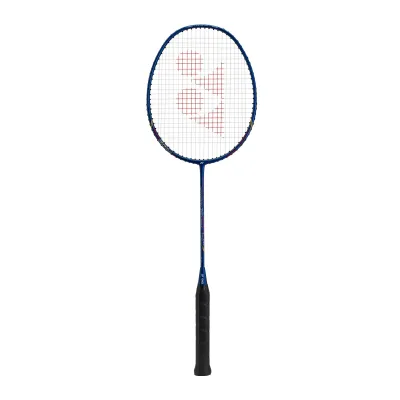
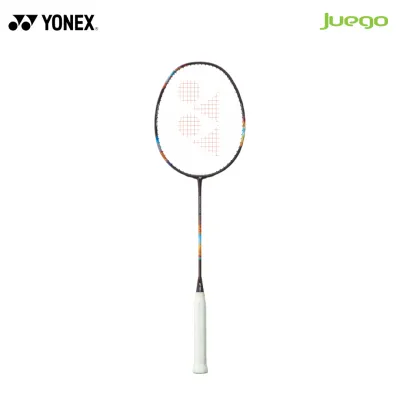
Prices are valid at publication and may change. Please refer to the product page for the latest price.
However, this emphasis on power comes with distinct trade-offs that you must carefully consider before purchasing. The head-heavy balance naturally increases the racket’s swing weight, which can result in slower defensive recovery times. When you are forced to defend rapid drives or make quick, reflex-based net interceptions, a heavier racket head can feel sluggish and difficult to maneuver. Additionally, playing with a head-heavy frame places a much higher physical demand on your wrist, forearm, and shoulder. During long, intense matches in warm, humid sports centers, this extra physical strain can lead to rapid muscle fatigue if your body is not properly conditioned.
Because of these demands, it is crucial to verify the specific model specifications on the manufacturer’s label before making a choice. The Astrox series includes a wide range of models, and they are not all built the same. Some models feature extremely stiff shafts designed for advanced players with explosive swing speeds, while others offer more flexible shafts that are far more forgiving for intermediate players. Always check the weight and stiffness ratings on the shaft or cone to ensure the specific model aligns with your physical capabilities.
Nanoflare Series: Speed and Quick Maneuvers
If your playing style relies on rapid reflexes, quick flat exchanges, and lightning-fast defense, the Yonex Nanoflare series is designed to support your game. Unlike the head-heavy Astrox, the Nanoflare series features a head-light balance, meaning the bulk of the racket’s weight is positioned closer to the handle. This design drastically reduces the swing weight, making the racket feel incredibly light and responsive in your hand.

To further enhance this speed, Nanoflare rackets utilize highly aerodynamic frame designs. These streamlined profiles are engineered to slice through the air with minimal resistance, allowing you to generate rapid racket head speed with minimal effort. This makes the series the ideal choice for fast-paced doubles players, front-court specialists who need to intercept shuttles at the net, and defensive players who rely on quick drives and rapid reflex blocks to turn defense into offense.
The primary trade-off of a head-light racket is a reduction in inherent smash power. Because there is less mass at the top of the frame to assist your swing, you cannot rely on the racket’s momentum to generate heavy, crushing smashes. Instead, generating power with a Nanoflare racket requires you to have excellent technique, a fast swing speed, and a clean, explosive wrist snap. If your game relies on brute-force baseline smashes to win points, you may find the Nanoflare series feels slightly lacking in raw power.
When evaluating a Nanoflare model, it is essential to verify the specific weight class to ensure it matches your physical strength and swing mechanics. While head-light rackets are naturally easier to maneuver, choosing a model that is too light for your strength can actually reduce your control and make your shots feel unstable against heavy incoming smashes. Checking the weight rating on the handle will help you select a balanced option that offers both speed and stability.
Arcsaber Series: Control and Precision Placement
For players who view badminton as a game of chess, prioritizing rally control, shot accuracy, and consistent feel, the Yonex Arcsaber series offers the perfect middle ground. The Arcsaber series is built around an even-balance design, meaning the weight is distributed evenly across the entire racket. This neutral balance provides a highly predictable, consistent feel, allowing you to transition smoothly between aggressive attacking shots and quick defensive maneuvers without any awkward adjustments.
A key engineering feature of the Arcsaber series is its unique frame design, which is engineered to hold the shuttle on the stringbed slightly longer during impact. This increased dwell time gives you a higher level of tactile feedback and control over the shuttle’s trajectory. By allowing the strings to cradle the shuttle for a fraction of a second longer, the Arcsaber enables incredibly precise placement, whether you are playing a tight net drop, a deceptive cross-court slice, or a deep, accurate clear to the baseline.
This focus on precision makes the Arcsaber series the go-to choice for all-around players, tactical singles players, and doubles players who prefer to construct points systematically rather than relying on raw power or extreme speed. It is a highly versatile tool that adapts to whatever situation you face on the court, offering reliable performance in both offensive and defensive scenarios.
The main trade-off of this balanced approach is that the Arcsaber series can feel less specialized. It does not offer the effortless, heavy smash power of the head-heavy Astrox, nor does it provide the lightning-fast, aerodynamic swing speed of the head-light Nanoflare. If your playstyle leans heavily toward one extreme—either pure power or pure speed—an even-balanced racket might feel slightly plain or unexciting. However, for the player who values versatility and absolute control over every shot, the Arcsaber remains an unmatched option.
Matching Racket Specs to Your Playstyle
Selecting the right Yonex series requires an honest assessment of your on-court habits, physical strengths, and tactical preferences. Rather than choosing a racket based on professional endorsements or cosmetic designs, you should use a structured decision framework to match the racket’s physical characteristics to your natural playstyle.
- Choose Astrox if: Your primary goal is to finish rallies with powerful, steep smashes from the backcourt, you prefer a heavy feel during your swing, and you have the wrist and shoulder strength to handle a demanding, head-heavy frame.
- Choose Nanoflare if: You play a fast-paced game, dominate the front court in doubles, rely on quick defensive blocks and flat drives, and prefer a lightweight, highly maneuverable racket that minimizes arm fatigue.
- Choose Arcsaber if: You are an all-around player who values control, precision placement, and versatility, and you want a neutral-feeling racket that performs consistently in both attacking and defensive situations.
To help you compare these three flagship series at a glance, the table below summarizes their key physical characteristics, primary strengths, and court suitability:
| Series | Balance | Primary Strength | Ideal Court Position | Physical Demand |
|---|---|---|---|---|
| Astrox | Head-Heavy | Power & Steep Smashes | Backcourt / Baseline | High |
| Nanoflare | Head-Light | Speed & Quick Drives | Front Court / Mid-court | Moderate |
| Arcsaber | Even-Balance | Control & Precision | All-Court | Moderate |
It is important to note that neither of these premium series may fit your needs if you are a beginner or a casual recreational player. High-end rackets in these lines are often designed with stiff shafts and small, demanding sweet spots that require highly developed technique and fast swing speeds to utilize effectively. If you are still learning the basic mechanics of the overhead clear or the correct wrist snap, using a demanding premium racket can lead to poor shot execution and early fatigue. In such cases, looking for highly flexible, lightweight, and budget-friendly starter rackets outside these premium tiers is a much more practical choice to help you build proper form safely.
Verifying Fit: Shaft Flexibility, Weight, and Grip
Once you have decided on a series, you must look beyond the series name and verify that the specific model’s secondary specifications match your physical capabilities. The overall performance of a racket is heavily influenced by how its balance interacts with its shaft flexibility. A stiff shaft provides excellent control and direct energy transfer, but it requires a very fast, explosive swing speed to bend and snap back. If your swing speed is moderate or slow, a stiff shaft will feel rigid and unresponsive, reducing your power and transmitting harsh vibrations directly to your arm. If you do not have an explosive swing, look for models within your chosen series that offer a medium or flexible shaft.
Weight class is another critical factor to verify. Yonex rackets are categorized by weight using “U” ratings, which you can find printed on the shaft or cone. A 3U racket (typically 85 to 89 grams) offers more stability and momentum, making it excellent for power but more tiring to swing over long periods. A 4U racket (typically 80 to 84 grams) is highly popular because it offers a great balance of speed and stability, while 5U or lighter rackets maximize maneuverability at the expense of some stability. Consider your arm strength and endurance, especially when playing in warm, humid indoor courts where fatigue sets in more quickly.
Additionally, always check the recommended grip size (such as G5, which is highly common and comfortable for most local players) and the recommended string tension range printed directly on the product label. Exceeding the recommended string tension can put excessive stress on the frame, increasing the risk of cracking if you mishit the shuttle.
Finally, always prioritize your physical health. If you experience persistent wrist, elbow, or shoulder pain during or after playing, stop using the racket immediately. Equipment cannot replace proper physical conditioning and technique. If you are unsure about which specifications are safe for your body, stop and consult a qualified coach or a professional stringer who can evaluate your swing and recommend a compatible setup.
Frequently Asked Questions (FAQ)
Can I use an Astrox racket for doubles if I play in the front court?
While you can certainly use an Astrox racket in doubles, its head-heavy balance is not ideal for front-court play. The extra weight at the head can slow down your reaction time during rapid net exchanges and defensive blocks. Front-court specialists who need to intercept shuttles quickly typically benefit much more from the speed and maneuverability of a head-light Nanoflare racket.
Which Yonex series is best for a beginner?
Beginners should generally avoid the high-end models in these premium series, as they often feature stiff shafts and demanding sweet spots that require advanced technique. Instead, look for entry-level, even-balanced, or head-light rackets with flexible shafts. These specifications are much more forgiving, helping you develop proper swing mechanics without straining your muscles.
Does the racket series dictate the string tension I should use?
No, the racket series itself does not dictate your string tension. Instead, you should look at the recommended tension range printed on the specific model’s label. Your actual string tension should be chosen based on your skill level and swing speed, with lower tensions offering more power and forgiveness, and higher tensions providing more control for advanced players.

Community discussion
Share your experience or ask a question. Comments are reviewed before publication.