
Choosing the right basketball size for your child is essential for building proper skills, maintaining confidence, and preventing injury. While general guidelines suggest a Size 3 mini ball for toddlers up to age 8, a Size 5 junior ball for ages 9 to 11, a Size 6 intermediate ball for early teens aged 12 to 14, and a Size 7 official ball for teens aged 15 and older, these are only starting points. Your child’s actual hand size, physical strength, and coordination are the ultimate factors that determine which ball will support their growth on the court.
Using a ball that is too large or heavy can frustrate a young player, leading to poor habits that are difficult to correct later. By matching the ball to your child’s current physical development, you ensure they can practice with proper form and enjoy the game.
Why the Right Basketball Size Matters
When a child plays with an oversized or heavy basketball, their natural shooting mechanics suffer. Instead of using a clean, one-handed release with a proper wrist flick and high follow-through, they are often forced to push the ball from their chest or use both hands to launch it. This “shot put” motion ruins their shooting form and becomes deeply ingrained, making it incredibly difficult to rebuild a correct shooting pocket as they grow older.
Products mentioned in this guide
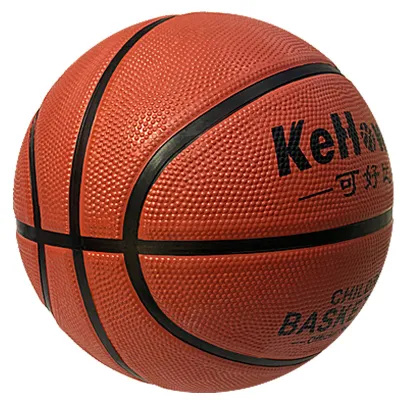
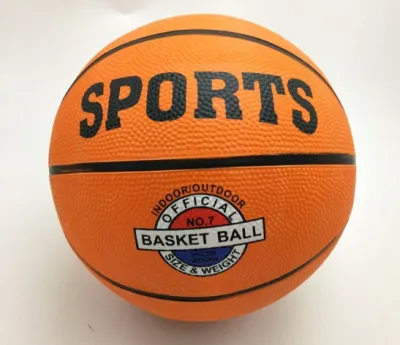
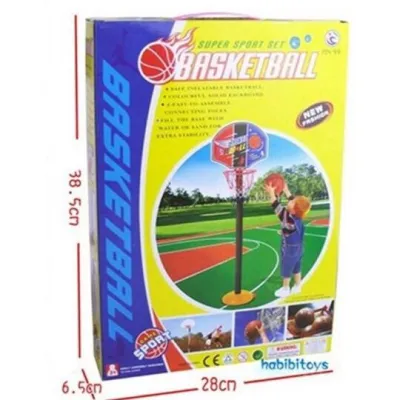
Prices are valid at publication and may change. Please refer to the product page for the latest price.
Beyond shooting, an improperly sized ball limits a child’s ability to control their dribble and execute clean passes. If their fingers cannot wrap around the ball’s surface, they lose grip confidence, leading to frequent fumbles and turnovers. Developing a strong feel for the ball is crucial for mastering crossovers, chest passes, and secure catches, all of which rely on a ball that fits comfortably within their natural hand span.
Standard Basketball Sizes by Age Group
Size 3 (Mini) Designed for toddlers and young beginners aged 4 to 8, a Size 3 basketball typically measures about 22 inches in circumference. This mini ball is lightweight and highly manageable, allowing small hands to grasp, roll, and throw it without straining. When shopping, check the manufacturer’s label for the exact weight and circumference, as some novelty or toy balls may deviate from standard training dimensions.

Size 5 (Junior) As children enter elementary school, typically around ages 9 to 11, they transition to a Size 5 basketball, which measures approximately 27.5 inches in circumference. You can tell a child is ready to move up from a Size 3 when they begin easily overpowering the smaller ball, throwing it with excessive force, or when their hands comfortably overlap the seams. This junior size is the standard for most primary school leagues.
Size 6 (Intermediate) Measuring around 28.5 inches in circumference, the Size 6 intermediate ball is the standard for boys aged 12 to 14 and is also the official size used in women’s high school, college, and professional leagues. This size bridges the gap between junior play and the adult game, offering a realistic weight that requires developed wrist strength. It is highly common in youth tournaments, making it a crucial size for early teens aiming to play competitively.
Size 7 (Official) The Size 7 basketball, measuring 29.5 inches in circumference, is the official size for boys aged 15 and older, as well as adult men’s leagues. Handling this ball properly demands significant physical strength, a wider hand span, and mature shoulder stability. Introducing a Size 7 ball too early can lead to joint strain and collapsed shooting forms, so it is best reserved for players who have reached physical maturity.
How to Check Hand Size and Grip Comfort
To move beyond general age charts, you can perform a simple “hand spread” test with your child. Have your child spread their fingers wide and place their hand directly on the ball’s seams. If their fingers can comfortably span across multiple black channels without overstretching or losing contact with the surface, the ball is likely a good fit. If their fingers barely reach across a single panel, the ball is too large for them to control effectively.
Next, evaluate how your child handles the ball’s weight by having them bring it up to their shooting pocket, just above their shoulder. Observe their posture: their shooting elbow should form a clean 90-degree angle, and their wrist should support the ball without bending backward under the weight. If you notice their elbow dropping toward their ribs, their wrist buckling, or their shoulder tilting to compensate, the ball is too heavy for their current upper-body strength.
Other observable signs of an oversized ball include a child constantly using two hands to dribble or needing to gather the ball against their chest to keep it from slipping away. If they cannot bounce the ball continuously up to waist height without leaning their entire torso forward, they are fighting the ball’s physical dimensions rather than practicing their technique.
Adjusting for Skill Level and Playing Environment
While age guidelines provide a solid baseline, a child’s individual skill level should influence your final decision. For beginners struggling with basic coordination, sizing down temporarily can be a highly effective way to build confidence. A lighter, smaller ball allows them to focus on footwork, court awareness, and basic dribbling patterns without being physically exhausted by the weight of the ball.
Conversely, advanced players who exhibit rapid physical growth, exceptional hand strength, or are preparing for upcoming league transitions may benefit from sizing up slightly early. If a player is dominating their current age group and easily palming their current ball, practicing with the next size up can prepare them for the physical demands of higher-level competition. However, this transition should be monitored closely to ensure their shooting form does not degrade.
The playing environment also plays a role in how a basketball feels to a young player. In tropical climates like the Philippines, high humidity can make outdoor concrete courts slick, affecting how a ball grips. Outdoor balls made of durable rubber or rugged composite leather often have deeper pebbles and wider channels to combat sweat and dust, which can make them feel slightly bulkier than smooth indoor leather balls. When choosing a ball for outdoor courts, look for deep-pebble textures that help smaller hands maintain a secure grip even in humid conditions.
Frequently Asked Questions (FAQ)
Can my child use a smaller basketball for practice to improve handling?
Yes, using a smaller basketball can be an excellent training tool for developing quick hands, finger control, and faster dribbling cadences. Many coaches use mini balls for specialized ball-handling drills because they force players to be more precise with their fingertip contact. However, limit the use of smaller balls to dribbling drills; shooting practice should always be done with the standard size recommended for their age and league to keep their muscle memory and shooting mechanics consistent.
What size basketball do local youth leagues typically require?
Local youth leagues, school athletic associations, and community tournaments often have specific equipment rules that may vary from international standards. For example, some local divisions in the Philippines might use a Size 5 ball up to age 12, while others transition to Size 6 earlier. Before purchasing a ball specifically for team practice, always verify the exact size and material requirements with your child’s coach or league organizer to ensure they are practicing with the official game ball.
How do I know if it is time to move up to the next basketball size?
You will know it is time to transition to a larger basketball when your child exhibits clear signs of physical readiness and technical mastery. If they can easily palm their current ball, shoot from the three-point line without distorting their form, or if the ball looks noticeably small in their hands during play, they are likely ready. Additionally, if their shooting form has become so strong that they are consistently overshooting the target with minimal effort, moving up a size will help them recalibrate their power and maintain proper mechanics.

Community discussion
Share your experience or ask a question. Comments are reviewed before publication.