
Solo hiking on Philippine trails offers unparalleled freedom, but it also places the entire burden of safety and survival on your shoulders. When you head out alone to tackle the misty ridges of the Cordilleras or the dense, humid jungles of Mindanao, your shelter is your ultimate lifeline. Selecting the right 1p tent—a dedicated one-person shelter—requires finding a delicate balance between minimal pack weight and maximum protection against unpredictable tropical weather.
In the Philippines, a solo hiker cannot afford to carry unnecessary bulk, yet sacrificing structural integrity for the sake of saving a few grams can lead to disastrous nights on exposed peaks. From sudden torrential downpours to biting high-altitude winds, the local climate tests the limits of outdoor gear. Understanding how to evaluate these shelters based on your specific trail objectives is the first step toward a successful, self-reliant adventure.
Understanding the Demands of Philippine Solo Trails
The geography of the Philippine archipelago creates highly diverse and rapidly changing microclimates that can catch unprepared hikers off guard. On high-altitude peaks such as Mt. Pulag or Mt. Ulap in the Benguet province, conditions are vastly different from the sea-level warmth most lowland areas experience. As you ascend past the mossy forests into the dwarf bamboo grasslands, temperatures can plummet to near-freezing during the colder months, accompanied by relentless ridge winds that sweep across the exposed terrain.
Products mentioned in this guide
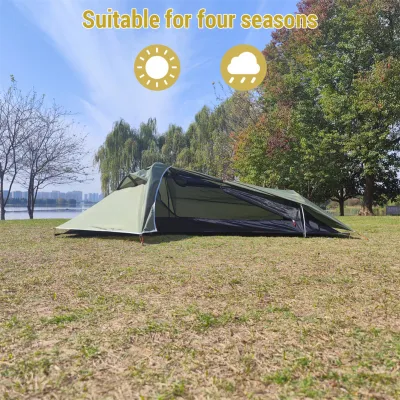
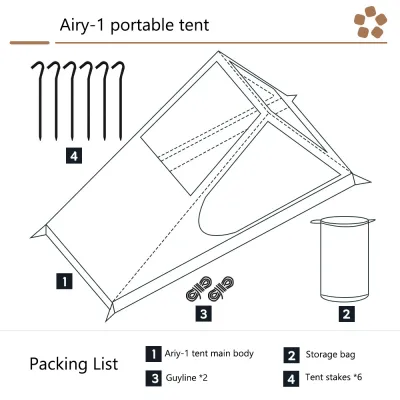
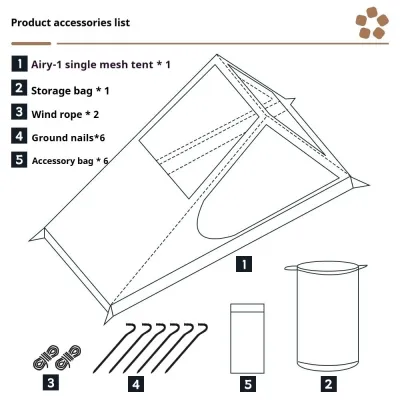
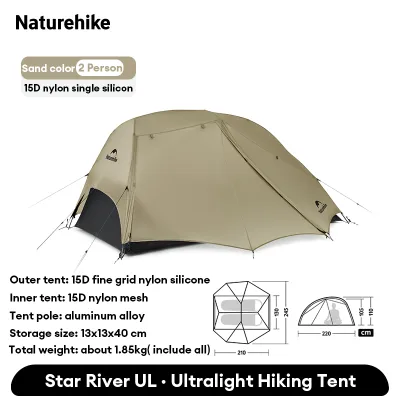
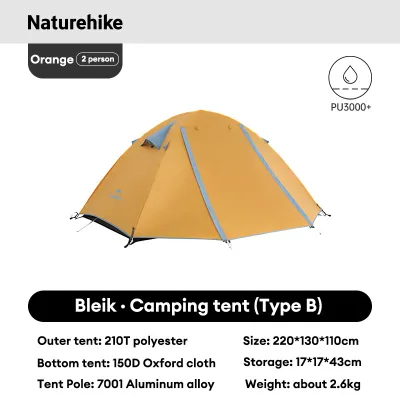
Prices are valid at publication and may change. Please refer to the product page for the latest price.
These high-altitude environments demand a shelter capable of resisting sustained wind loads and preventing heat loss. A sudden shift in wind direction can turn a peaceful evening into a battle against collapsing tent walls, while dense mountain fog can saturate the air, making moisture management a primary concern. Without a robust structure, solo hikers risk exposure to hypothermia, making tent selection a critical safety decision rather than a mere comfort preference.
Conversely, lower-elevation tropical trails, such as those found on Mt. Makiling or Mt. Tapulao, present an entirely different set of environmental challenges. Here, the defining characteristics are intense humidity, dense canopy cover, and sudden, heavy tropical downpours. In these warm, wet environments, a tent must act as an effective barrier against relentless rain while simultaneously allowing maximum airflow to prevent the interior from turning into a stifling sauna.
Using a generic summer or beach tent—often constructed with thin, single-layer fabrics and minimal waterproofing—on these demanding trails is a recipe for failure. Cheap leisure tents lack the reinforced seams, durable pole structures, and high hydrostatic head ratings required to withstand tropical storms or high-altitude gusts. For a solo hiker who must carry all their own gear, the ideal shelter must combine ultralight packability with the rugged weather resistance of a true backcountry sanctuary.
Key Features to Look for in a 1p Tent
When evaluating a solo shelter for Philippine trails, weight and packed size should be your initial considerations. Because you are hiking solo, there is no partner to share the load of the tent body, poles, stakes, and rainfly. As a general guideline, solo hikers should aim for a packed weight between 1.0 and 1.8 kilograms. High-quality solo shelters in the local market generally range from budget-friendly options around ₱3,000 to premium ultralight imports exceeding ₱20,000, with weight decreasing as the price increases.

Weather protection is the next critical pillar, specifically determined by the hydrostatic head rating of the tent fabrics. This rating, measured in millimeters (mm), indicates the amount of water pressure a fabric can withstand before leaking. For the volatile weather of the Philippines, look for a rainfly with a rating of at least 1,500mm and a bathtub floor rated at 3,000mm or higher. The bathtub floor design—where the waterproof floor fabric extends several inches up the sides of the tent—is essential for preventing ground runoff from seeping into your sleeping area during heavy downpours.
A full-coverage rainfly is absolutely non-negotiable for tropical hiking. Partial rainflies, common on budget tents, leave the inner tent walls exposed to blowing rain, which can quickly saturate the interior. The rainfly should extend all the way to the ground and feature a dedicated vestibule. This covered external space is invaluable for storing muddy trail shoes and your wet backpack, keeping the inner sleeping compartment dry and clutter-free.
Ventilation and condensation management are particularly vital in the high humidity of the Philippines. When you breathe inside a sealed tent, your breath releases moisture that condenses on the cold inner surface of the rainfly. In a poorly ventilated tent, this condensation will drip onto your sleeping bag and gear. To combat this, prioritize tents with strategically placed mesh panels on the inner body and adjustable vents on the rainfly that promote a chimney effect, drawing cool air in from the bottom and releasing warm, moist air out the top.
Wind stability relies on the tent’s pole geometry and aerodynamic profile. Dome-style tents with crossing poles naturally distribute wind forces more evenly, making them excellent choices for exposed, high-altitude campsites. Additionally, verify that the tent features multiple reinforced guyline attachment points. Guylines allow you to anchor the rainfly securely to the ground, preventing the fabric from flapping violently in the wind and maintaining the structural integrity of the poles during sudden mountain gusts.
Tent Designs and Their Suitability for Local Trails
Understanding the structural differences between freestanding and non-freestanding tents is crucial for matching your shelter to your hiking style. Freestanding tents utilize a dedicated pole system that supports the tent’s shape without requiring stakes to stand upright. This design is highly advantageous on rocky or compacted Philippine campgrounds, such as the gravel-heavy sites of Mt. Pulag’s Camp 2 or Camp 3, where driving stakes deep into the ground can be incredibly difficult. They are easy to pitch, highly intuitive, and can be easily lifted and repositioned if you discover an uncomfortable root or rock under your floor.
Non-freestanding tents, often referred to as trekking pole tents, rely on your trekking poles and taut guylines anchored to the ground for their structural integrity. The primary advantage of this design is dramatic weight savings, as you eliminate heavy tent poles from your pack. However, pitching a trekking pole tent requires a higher level of skill and practice. On soft, muddy trails or loose volcanic ash, securing the stakes tightly enough to maintain the tent’s tension can be a significant challenge, requiring advanced anchoring techniques.
The choice between single-wall and double-wall designs is another critical decision point for solo hikers. Single-wall tents integrate the waterproof rainfly and the inner tent into a single layer of fabric, resulting in an exceptionally lightweight and compact package. However, because there is no physical barrier between you and the outer waterproof wall, condensation management is a constant battle, especially in the humid Philippine climate. Touching the damp interior wall can easily transfer moisture to your down sleeping bag, reducing its insulating properties.
Double-wall tents feature a separate breathable inner tent (usually made of mesh and lightweight nylon) and an independent waterproof rainfly. This separation creates an insulating buffer of air and ensures that any condensation forming on the inside of the rainfly drips down to the ground rather than onto your gear. For most hikers in the Philippines, the superior comfort, dryness, and versatility of a double-wall tent far outweigh the slight weight penalty when compared to single-wall alternatives.
For cross-scenario compatibility, solo hikers must decide whether to invest in a highly versatile all-rounder or a specialized shelter. If you plan to hike both the chilly peaks of the Cordilleras and the humid lowland forests of Southern Luzon, a double-wall tent with a high proportion of mesh on the inner body and a highly adjustable rainfly offers the best of both worlds. This setup allows you to pitch the inner mesh tent alone on warm, dry nights for maximum ventilation, while still providing full protection when the rainfly is deployed during a sudden high-altitude storm.
Setup and Care Tips for Tropical and High-Altitude Camping
Proper site selection is your first line of defense when camping in the wild. When pitching your tent, avoid exposed ridgelines where high winds can compromise your shelter’s structure. Look for natural windbreaks, such as depressions in the terrain or low-lying shrubs, while keeping a safe distance from dead trees or hanging branches that could fall during a storm. Additionally, avoid pitching your tent in low-lying depressions or dry creek beds, as these areas can quickly flood and turn into active water runoffs during sudden tropical downpours.
Securing your tent properly requires adapting your staking techniques to the local terrain. In soft, muddy soil common in tropical rainforests, standard thin stakes may pull out easily under tension; consider using wider, Y-beam stakes that offer better holding power. In contrast, when camping on rocky, compacted ground at high altitudes, you may need to use the “big stone, little stone” method, wrapping your guylines around heavy rocks to anchor your tent when stakes cannot penetrate the earth. Always ensure your guylines are pulled taut to keep the rainfly separated from the inner tent, preventing water transfer.
Post-hike care is essential for preserving the lifespan of your gear in the highly humid Philippine climate. Never store a wet or damp tent in its stuff sack for more than a few hours, as this creates a breeding ground for mold, mildew, and foul odors, which can permanently damage the waterproof polyurethane coatings through a process called hydrolysis. Once you return home, pitch the tent in a dry, shaded, well-ventilated area out of direct sunlight, which can degrade the nylon fibers over time.
Before cleaning your tent, always consult the manufacturer’s care label and specific instructions. Gently wipe away dirt and mud using a soft sponge and cool water; avoid using harsh household detergents, bleach, or washing machines, as these can strip away the durable water repellent (DWR) coatings and damage delicate mesh panels. Once completely dry, store your tent loosely in a breathable storage sack or pillowcase in a cool, dry place to ensure it remains trail-ready for your next solo adventure.
Frequently Asked Questions (FAQ)
Can I use a basic summer tent for high-altitude hikes like Mt. Pulag?
Using a basic summer tent designed for casual beach camping on high-altitude peaks like Mt. Pulag is highly discouraged due to significant safety risks. These entry-level tents typically feature thin, fragile fiberglass poles that can easily shatter under the strong, sustained ridge winds characteristic of high-elevation campsites. Furthermore, their rainflies often lack adequate waterproof ratings and full coverage, leaving you vulnerable to driving rain and freezing temperatures. The high proportion of open mesh on basic summer tents can also lead to excessive heat loss, increasing the risk of hypothermia in near-freezing mountain conditions.
Are trekking pole tents stable enough for sudden mountain storms?
Trekking pole tents can be exceptionally stable in sudden mountain storms, but their performance depends entirely on proper pitching technique and high-quality gear. Because these tents lack a rigid frame, their structural integrity relies on the tension of the guylines and the strength of your trekking poles. In high winds, a poorly pitched trekking pole tent can collapse quickly if a stake pulls out of the ground. To ensure safety during a storm, you must use high-quality, durable stakes, anchor them deeply at correct angles, and actively monitor the tension of your lines. If extreme weather is forecasted, seeking a sheltered campsite with natural windbreaks is always a safer decision than relying solely on your equipment.

Community discussion
Share your experience or ask a question. Comments are reviewed before publication.