
Selecting your first baseball glove is a milestone decision when stepping onto the diamond. For adult men in the Philippines who are new to the sport, navigating the wide array of options can feel overwhelming. A great beginner glove must balance immediate playability, comfort, and value. Ideally, adult beginners should look for a utility glove sized between 11.5 and 12.5 inches, which offers enough versatility to play multiple positions while learning the game. For materials, pre-softened leather or synthetic mesh hybrids are highly recommended because they require minimal break-in time compared to stiff, professional-grade steerhide. Budget-wise, a reliable entry-level glove typically ranges from ₱1,500 to ₱5,000. This price point allows you to secure a durable, functional glove without making a massive financial commitment before you have fully established your playing preferences.
While equipment is essential, it cannot replace proper training, physical conditioning, and situational awareness. Baseball involves fast-moving balls and hard bats, which carry inherent risks of impact injuries. Before stepping onto the field, always ensure you are wearing appropriate protective gear, such as a batting helmet and athletic cup. Inspect your glove before every session to verify that the laces are secure and the pocket is intact. If you encounter severe weather, such as heavy tropical downpours or lightning, stop play immediately. Wet fields compromise your traction and grip, significantly increasing the risk of slips, falls, and throwing errors.
How to Find the Right Glove Size and Fit for Adult Men
Finding the correct glove size is essential for control, safety, and performance on the field. Baseball gloves are measured from the tip of the index finger, down along the pocket, to the heel of the glove. For adult men, standard utility and infield gloves typically range from 11.5 to 12.25 inches, while outfield gloves extend from 12.5 to 12.75 inches. As a beginner, starting with a 12-inch utility glove is often the safest choice, as it provides a balanced pocket size suitable for almost any position on the field.
Products mentioned in this guide
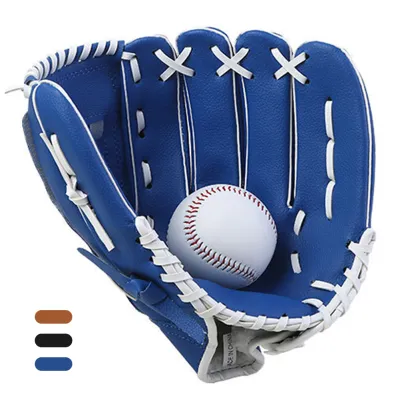
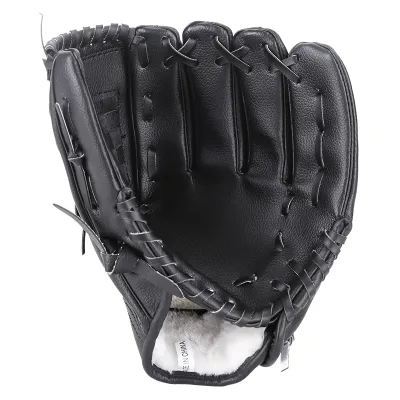
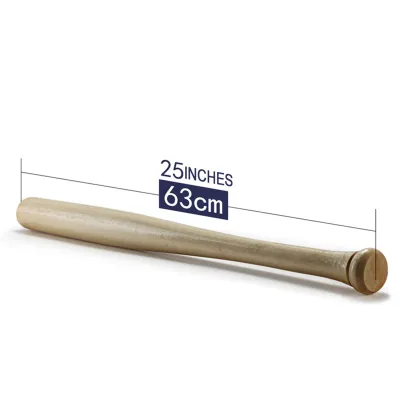

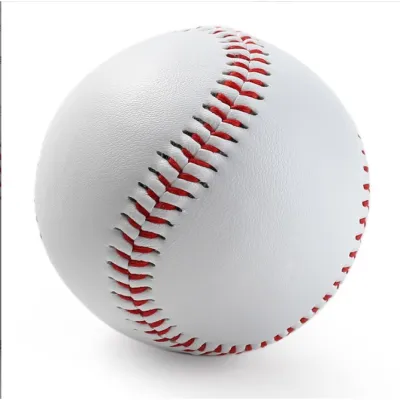
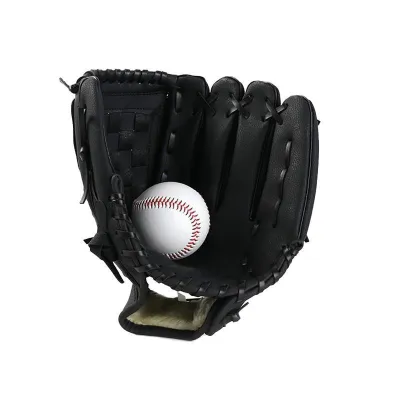
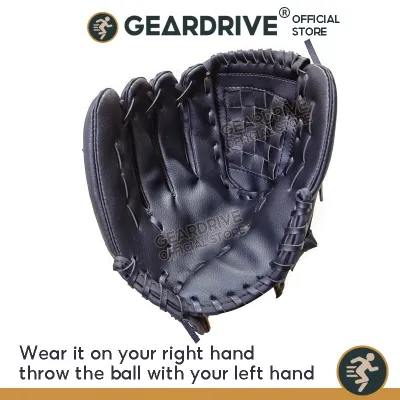
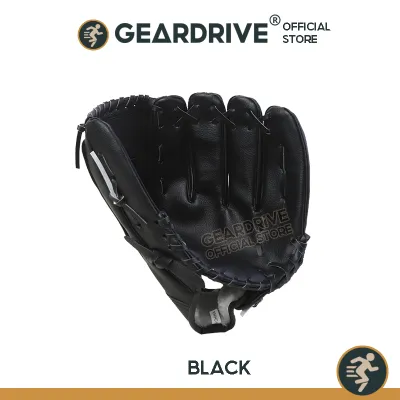
Prices are valid at publication and may change. Please refer to the product page for the latest price.
When trying on a glove, pay close attention to how it fits your hand. Your fingers should fit comfortably into the finger stalls without feeling excessively cramped or pinched. There should be enough room to comfortably close your hand without straining your wrist. Check the wrist adjustment mechanism; many beginner gloves feature adjustable velcro straps or pull-laces that allow you to customize the tightness. A secure fit prevents the glove from slipping off during a hard catch or a quick throw. If the glove feels loose even after tightening the wrist strap, or if your fingers cannot reach the ends of the stalls, the glove is likely too large, which will severely limit your control over the ball.
Leather vs. Synthetic: Which Material Suits Your Budget and Goals?
The material of your glove directly impacts its price, durability, and how much effort you must invest before it is ready for a game. Understanding these trade-offs is crucial, especially when considering the tropical climate of the Philippines.

Full-Grain Leather Full-grain leather is highly durable and offers an authentic feel. It molds beautifully to the unique shape of your hand over time, creating a highly personalized fit. However, premium leather gloves are stiff out of the box, requiring a lengthy and patient break-in process. They are also more expensive, often starting above ₱5,000, and require diligent maintenance to prevent mold and dry rot in high-humidity environments.
Steerhide Steerhide is slightly heavier than full-grain leather but offers exceptional durability and structure. It is highly resistant to wear and tear, making it a favorite for serious players. For a casual beginner, however, the weight and the demanding break-in period can be a barrier to immediate enjoyment.
Synthetic Meshes and Synthetic Leather Synthetic materials and leather-synthetic hybrids are excellent choices for beginners. These gloves are incredibly lightweight, highly affordable (often priced between ₱1,500 and ₱3,000), and require virtually no break-in time—you can take them straight from the store to the field. Furthermore, synthetic materials handle moisture and humidity much better than untreated leather, making them highly practical for wet-season play in the Philippines. The trade-off is durability; synthetic gloves will wear out much faster than genuine leather under heavy use. Always check the material tags on the glove to verify its composition before purchasing.
Matching Glove Webbing and Pocket Depth to Your Field Position
The design of a glove’s web and the depth of its pocket are tailored to specific defensive roles. As a beginner, understanding these structural differences will help you choose a glove that matches your defensive goals.
Infield Gloves Infielders need to transition the ball from their glove to their throwing hand as quickly as possible. To facilitate this, infield gloves feature shallow pockets and open web patterns, such as the classic I-web or H-web. These open designs allow dirt and debris to fall through while keeping the ball easily accessible for rapid transfers.
Outfield Gloves Outfielders deal with high-flying balls and need maximum reach. Consequently, outfield gloves are longer (12.5 to 12.75 inches) and feature deep pockets with closed or modified trap webs. This structure securely traps the ball and prevents it from spinning out during running catches or diving plays.
Pitcher Gloves Pitchers require a closed, solid web pattern (such as a basket web). This design is crucial for hiding the pitcher’s hand and finger grip on the ball, preventing the batter or base coaches from anticipating the type of pitch about to be thrown.
Fielding Gloves vs. Specialized Mitts It is important to distinguish between standard fielding gloves and specialized mitts. First base mitts and catcher’s mitts do not have individual finger slots on the outside; instead, they feature heavy padding and a curved, claw-like shape designed to scoop low throws or catch high-velocity pitches safely. As a beginner, stick to a standard fielding glove unless you are committed to playing catcher or first base exclusively.
Safe Break-In Methods and Daily Maintenance for Longevity
A proper break-in process and consistent maintenance are vital to preserving your glove’s shape and extending its lifespan, especially in a tropical climate.
To break in a leather glove safely, apply a light layer of manufacturer-approved glove conditioner or oil. Avoid household oils, petroleum jelly, or shaving creams, as these can degrade the leather fibers and add unnecessary weight to the glove. Once conditioned, place a baseball in the pocket, wrap the glove tightly with a glove band or large elastic band, and let it sit overnight. The most effective way to complete the break-in is simply playing catch; this naturally shapes the pocket to your catching style.
Never use extreme heat to speed up the process. Placing your glove in an oven, microwave, or leaving it on a hot car dashboard can dry out the leather, crack the laces, and permanently ruin the glove’s structure.
In the Philippines, high humidity and sudden rain showers present unique challenges. If your glove gets wet during a game, wipe off excess moisture immediately with a clean, dry cloth. Allow it to air dry naturally in a well-ventilated indoor space away from direct sunlight or heaters. To prevent mold, store your glove in a cool, dry place inside your home rather than leaving it in a damp gear bag or an outdoor garage.
How to Buy and Authenticate Baseball Gear in the Philippines
To ensure you are getting a genuine, high-quality product, it is important to buy from reputable sources and inspect your gear carefully.
When shopping physically, visit authorized sports retailers located in major shopping malls across the Philippines. These stores offer the advantage of letting you try on different sizes and feel the materials firsthand before purchasing.
If you prefer shopping online, stick to official brand stores or highly rated local distributors on major e-commerce platforms. Always read customer reviews, paying close attention to photos uploaded by other buyers to verify the product’s appearance. Be skeptical of deals that seem too good to be true, as counterfeit gloves made from cheap, unsafe materials are common on unregulated online marketplaces.
Upon receiving your glove, inspect the stitching quality. Genuine gloves feature tight, uniform stitching with high-quality leather or heavy-duty nylon laces. Stamped brand logos and material tags should be clear, sharp, and free of spelling errors. Lastly, verify the seller’s return and exchange policy before purchasing, ensuring you can easily swap the glove if the fit is not perfect.
Frequently Asked Questions (FAQ)
Can I use a softball glove for playing baseball?
While you can use a softball glove for casual backyard play, it is not recommended for organized baseball. Softball gloves are designed with much larger pockets to accommodate a 12-inch softball. Using a softball glove for baseball makes it difficult to secure the smaller 9-inch baseball, often leading to the ball rattling around inside the pocket and slowing down your transfer times.
How tight should a new baseball glove feel on my hand?
A new glove should feel snug but not painfully tight. Your fingers should reach near the tips of the stalls, and the wrist closure should hold the glove securely in place. Keep in mind that genuine leather gloves will stretch and conform to your hand over time, whereas synthetic gloves will maintain their initial fit throughout their lifespan.
Do I need a different glove for batting and fielding?
Yes, batting gloves and fielding gloves serve entirely different purposes. Batting gloves are thin, lightweight gloves worn on both hands while hitting to improve grip on the bat and prevent painful blisters. A fielding glove is a thick, padded leather or synthetic glove worn only on your non-throwing hand to catch and field the ball safely.

Community discussion
Share your experience or ask a question. Comments are reviewed before publication.