
Playing basketball on rough outdoor concrete courts demands a ball specifically engineered to survive intense abrasion, dust, and extreme weather. Standard indoor balls made of genuine leather will quickly degrade, lose their grip, and warp on unyielding pavement. To get the most value and performance out of your gear, you must look for a specialized bula pang basketball designed with heavy-duty rubber or reinforced composite leather. The ideal outdoor ball features deep channels to channel away dust, a thick cover to resist scraping, and a robust bladder that maintains consistent air pressure despite shifting temperatures.
Why Concrete Courts Require a Specialized Basketball
Outdoor concrete courts, common in neighborhoods and barangays across the Philippines, present a highly abrasive environment that acts like sandpaper against a basketball. Every bounce, pass, and scrape against the rough pavement wears down the outer cover. Standard indoor basketballs rely on a delicate leather texture that quickly baldens when subjected to this friction, leaving you with a slick, uncontrollable ball within just a few sessions.
Beyond the physical friction, outdoor courts are constantly exposed to dust, dirt, and moisture. Fine stone dust settles into the tiny crevices of the ball’s surface, neutralizing the natural tackiness of the material and making it incredibly slippery. When sweat or sudden tropical rain mixes with this dust, it creates a muddy film that further compromises your grip.
Products mentioned in this guide
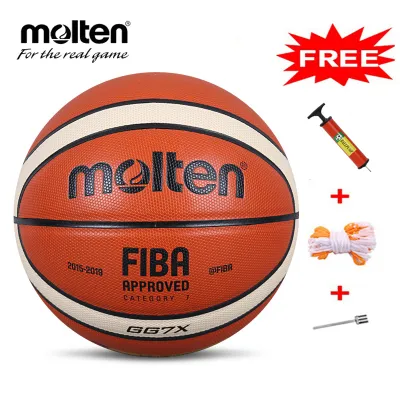
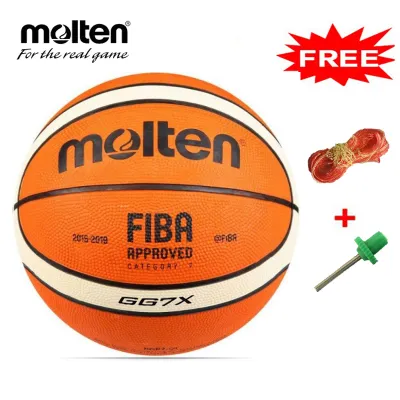
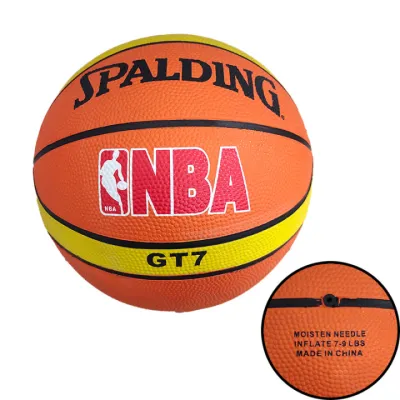
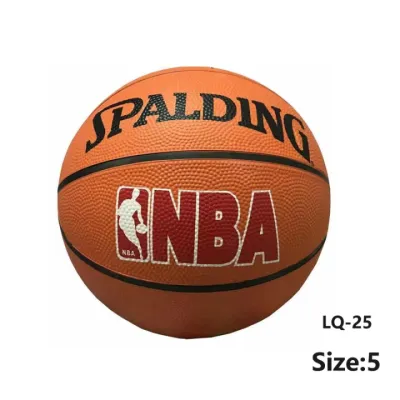
Prices are valid at publication and may change. Please refer to the product page for the latest price.
The tropical climate of the Philippines introduces additional challenges that accelerate material degradation. High humidity levels can seep into the seams of poorly constructed balls, weakening the adhesives holding the outer panels to the inner carcass. Meanwhile, intense solar heat radiating off the concrete surface can cause the air inside the bladder to expand rapidly, putting immense structural stress on the seams and leading to warping.
Key Construction Features for Maximum Pavement Durability
To withstand the harsh realities of outdoor play, a basketball must possess specific structural characteristics that you can verify before purchasing. The first line of defense is the cover thickness and pebble density. High-quality outdoor balls feature a thicker outer layer with pronounced, tightly packed pebbles. This dense texture provides extra material to wear through, ensuring the ball retains its grip even after months of scraping against rough concrete.

Another critical design element is the depth and width of the channels—the black rubber lines running across the ball. Deep, wide channels are essential for outdoor play because they act as escape routes for dirt, dust, and moisture. When your hand grips the ball, the debris is pushed into these recessed channels rather than staying trapped between your fingers and the outer panels, allowing you to maintain a secure hold even on dusty courts.
Beneath the outer cover lies the carcass and the bladder, which dictate the ball’s shape and bounce. For concrete play, look for balls constructed with a nylon-wound carcass and a heavy-duty butyl bladder. The nylon windings wrap tightly around the bladder to preserve a perfectly spherical shape under heavy impacts, while the butyl bladder offers superior air retention compared to latex alternatives. This internal reinforcement ensures that when the ball strikes the unyielding concrete, it rebounds predictably without losing its structural integrity over time.
Rubber vs. Composite Leather: Choosing the Right Cover Material
When selecting your next ball, the primary decision lies between a rubber cover and a composite synthetic leather cover. Rubber is the undisputed champion of raw durability and cost-effectiveness. Built to endure the most punishing, highly textured concrete and asphalt surfaces, rubber basketballs resist deep gouges and are virtually immune to moisture damage. They are also highly affordable, making them an excellent choice for casual street play and daily practice. However, rubber balls have a firmer, stiffer feel and a louder, more metallic bounce, which some players find less comfortable for shooting and ball handling.
Composite leather, on the other hand, mimics the soft, premium feel of genuine indoor leather while offering enhanced weather resistance. These balls provide superior grip, excellent moisture management, and a cushioned feel that is gentler on the hands during long sessions. The trade-off is durability; even high-grade composite leather will wear down much faster than rubber on rough concrete. If you play on smooth, painted outdoor concrete courts, a composite ball is an excellent option, but it may quickly lose its texture on raw, unpainted pavement.
To make the right choice, always read the manufacturer’s labels and specifications carefully rather than relying on vague marketing terms. Look for explicit ratings such as “outdoor-only” or “indoor/outdoor.” An “indoor/outdoor” composite ball is designed with a tougher polyurethane cover than a pure indoor ball, but it still requires a relatively smooth surface to last. If your local court is highly abrasive, cracked, or littered with debris, prioritizing a dedicated “outdoor” rubber model will yield the longest lifespan and the best return on your investment.
Verifying Size, Bounce, and Air Retention for Outdoor Play
Before taking a new basketball to the court, you must verify its physical specifications to ensure proper training and playability. Start by checking the size and weight. Standard Size 7 (with a circumference of 29.5 inches) is the official size for adult men and older teens, while Size 6 (28.5 inches) is designed for women and youth players. Playing with the correct size ensures you develop proper shooting mechanics and muscle memory that translate accurately to competitive environments.
Once you have verified the size, perform a simple drop-test on a flat concrete surface to evaluate its bounce response. Hold the ball at eye level (approximately 1.8 meters) and let it drop freely. A properly inflated, high-quality outdoor ball should rebound back up to about chest height (around 1.2 to 1.4 meters). If the ball feels dead or rebounds unevenly, it may indicate a weak bladder, poor carcass winding, or incorrect inflation.
Air retention is highly sensitive to outdoor temperature fluctuations, making valve quality a crucial factor. Look for a self-lubricating butyl rubber valve that seals tightly against dirt and dust. In tropical climates, the air inside the ball expands during the heat of the day and contracts during cooler evenings. This constant pressure shift puts stress on the bladder and seams, so verifying that the valve holds air consistently without slow leaks is essential for maintaining a reliable bounce.
Cleaning and Storage Habits to Extend Your Ball's Lifespan
Even the most durable outdoor basketball requires regular maintenance to prevent premature wear from the elements. After every session on a concrete court, take a moment to wipe down the ball with a damp microfiber cloth. This simple step removes abrasive concrete dust, sweat, and dirt that clog the pebbles and dry out the cover material. Avoid using harsh chemical detergents or abrasive brushes, as these can strip away the protective coatings on composite leather and degrade rubber covers.
Proper storage is equally vital for preserving the ball’s structural integrity. Never leave your basketball outdoors, in the trunk of a hot car, or in direct sunlight for extended periods. The intense heat can melt the adhesives holding the panels together, warp the bladder, and cause the outer cover to crack or bubble. Instead, store the ball in a cool, dry indoor space away from direct sunlight and moisture.
Finally, establish a consistent inflation routine. Always use a dedicated ball pump and moisten the inflation needle with a drop of water or glycerin before inserting it into the valve to prevent tearing the rubber seal. Avoid over-inflating the ball beyond the manufacturer’s recommended pressure range, which is typically printed directly around the valve. Over-inflation stretches the carcass and bladder, making the ball highly susceptible to warping when it impacts hard concrete surfaces.
Frequently Asked Questions (FAQ)
Can I use an indoor leather basketball on a concrete court?
No, you should never use a genuine indoor leather basketball on a concrete court. Genuine leather is highly porous and delicate; it will immediately absorb the fine dust, dirt, and moisture present on outdoor courts, ruining its natural grip and turning the ball slick. Furthermore, the abrasive concrete pavement will rapidly tear away the fine pebbles and gouge the soft leather, causing irreversible structural damage within a single session. Most manufacturers explicitly state that using an indoor ball on outdoor surfaces voids any warranty, so it is best to keep your premium leather balls strictly on indoor hardwood.
How often should I check the air pressure of my outdoor basketball?
You should check your outdoor basketball’s air pressure before every play session. Because outdoor courts experience significant temperature shifts throughout the day, the air inside the bladder constantly expands and contracts, leading to natural pressure loss. Instead of relying on a subjective squeeze test, use a reliable pocket pressure gauge to verify the exact pressure. Ensure the ball is inflated within the manufacturer’s recommended range, which typically falls between 7 and 9 PSI, to guarantee a consistent bounce and protect the bladder from unnecessary stress.
Does the color of the basketball affect visibility on outdoor courts?
Yes, the color of your basketball plays a significant role in visibility, especially on outdoor courts with variable lighting. Traditional high-contrast orange remains the most practical choice because it stands out clearly against gray concrete, asphalt, and the shifting shadows of outdoor environments. Darker colors, black, or complex multi-colored patterns can easily blend into the background during twilight or under poor court lighting, making it harder to track the ball during fast-paced play. If you frequently play evening games under streetlights, choosing a traditional orange ball or one with high-visibility accents will improve your tracking and reaction times.

Community discussion
Share your experience or ask a question. Comments are reviewed before publication.