
Finding the right bola pang volleyball as a beginner in the Philippines is a crucial first step that directly impacts how quickly you develop your skills and how much you enjoy the game. The ideal starter volleyball must balance arm comfort with durability, especially given the diverse playing environments across the country. Whether you are practicing your serves on a concrete barangay court under the afternoon sun or setting up a friendly match on a polished indoor gym floor, your ball needs to match your playing surface and skill level. Choosing a ball that is too hard can lead to painful forearm bruising, while selecting a delicate indoor ball for rough outdoor surfaces will quickly ruin your investment. By understanding the key specifications of beginner-friendly volleyballs, you can find a durable, forgiving ball that helps you build proper technique and confidence from your very first serve.
What Makes a Volleyball "Beginner-Friendly"?
For someone just starting out, a beginner-friendly volleyball is defined by how forgiving it is on the arms during repetitive drills. When you are learning the fundamentals of bumping, setting, and serving, your forearms bear the brunt of the impact. A forgiving ball features a softer outer cover and is designed to be played at an appropriate internal pressure that minimizes the sting and bruising associated with repetitive contact. If a ball is too rigid, the physical discomfort can easily discourage a new player before they have had a chance to master the correct hand and arm positioning.
Durability is another non-negotiable trait, particularly within the context of local playing conditions in the Philippines. Many beginners start their volleyball journey on outdoor surfaces, such as concrete barangay multi-purpose courts, sandy beaches, or grassy school yards. These rough environments subject the ball to constant abrasion, moisture from sweat and humidity, and high temperatures. A beginner-friendly ball must be rugged enough to withstand these elements without peeling, warping, or suffering from split seams after only a few matches.
Products mentioned in this guide
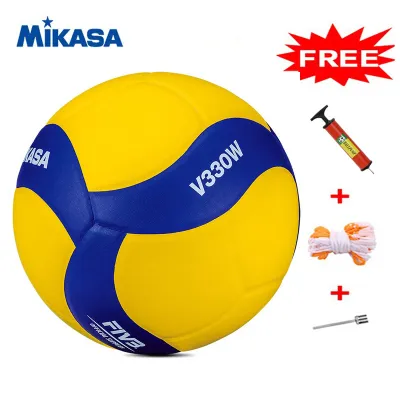
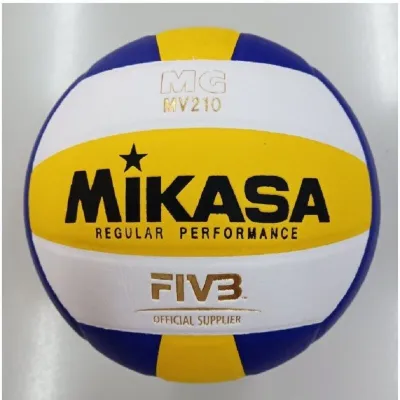
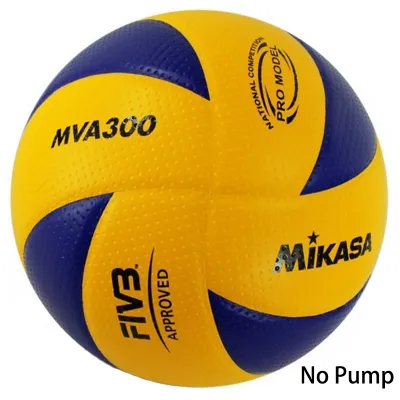
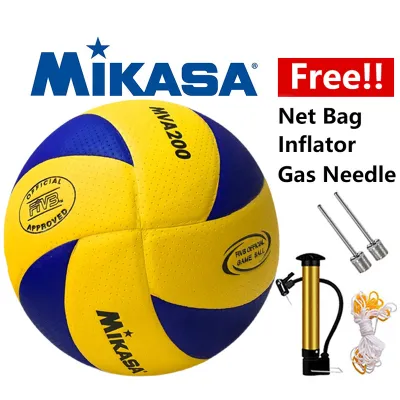
Prices are valid at publication and may change. Please refer to the product page for the latest price.
At the same time, a beginner’s ball must adhere to standard weight and size regulations. While it might be tempting to use a lighter, oversized recreational ball to make passing easier, doing so can hinder your development. Practicing with a ball that meets official weight and size standards ensures that you build the correct muscle memory, spatial awareness, and physical coordination. When you eventually transition to playing in organized leagues or local community tournaments, your passing and serving mechanics will remain consistent because your muscles are already accustomed to the standard feel of a regulation ball.
Although local players frequently search for a bola pang volleyball using informal terms, the physical specifications required for safe and effective play are universal. A quality starter ball bridges the gap between professional-grade performance and amateur-friendly comfort. It allows you to focus entirely on perfecting your platform, tracking the ball’s trajectory, and enjoying the social aspects of the sport without worrying about physical pain or premature equipment failure.
Indoor vs. Outdoor: Matching the Ball to Your Court Surface
The environment where you plan to play most of your matches is the single most important factor when choosing your first volleyball. Volleyballs are engineered specifically for either indoor or outdoor conditions, and using a ball on the wrong surface will significantly reduce its lifespan or compromise your safety. Understanding the physical demands of your primary court will help you make a practical purchase that lasts.

Outdoor Courts (Concrete, Asphalt, Sand, Grass)
In the Philippines, the vast majority of recreational volleyball is played outdoors. From neighborhood street games to matches on open-air covered courts, these surfaces are highly abrasive. For these environments, you need a ball constructed with a molded rubber cover or a highly durable, thick synthetic leather material. Molded rubber balls are exceptionally resistant to scratches, scuffs, and punctures caused by rough concrete or gravel. Furthermore, outdoor balls are designed to repel moisture, ensuring that the ball does not absorb water and become heavy when playing in humid conditions or on damp grass. These rugged materials keep the ball playing consistently despite the harsh outdoor elements.
Indoor Courts (Wooden or Polished Gym Floors)
If you are fortunate enough to practice in an indoor sports complex or school gymnasium with polished wooden or composite floors, your priorities shift toward control and touch. Indoor volleyballs feature softer, machine-stitched, or premium composite leather covers. These materials offer an excellent grip, allowing for precise setting and controlled passing. However, these soft covers are highly vulnerable to rough surfaces. If you take a high-quality indoor ball to a concrete barangay court, the abrasive ground will scuff the outer layer within minutes, ruin the grip panels, and potentially split the delicate stitching.
Hybrid/All-Court Options
For beginners who find themselves switching back and forth between indoor gyms and outdoor concrete courts, hybrid or “all-court” volleyballs offer a middle ground. These balls typically feature a reinforced synthetic cover that is softer than pure rubber but significantly tough enough to handle rough surfaces. While they provide a versatile solution, they do come with trade-offs. A hybrid ball will not feel quite as soft or responsive as a dedicated indoor ball on a wooden floor, nor will it match the extreme, long-term durability of a solid rubber ball on rough concrete. However, for a beginner seeking versatility on a budget, a hybrid ball provides an accessible entry point to both worlds.
Key Features to Evaluate Before Buying
When evaluating different volleyballs at a local sports outlet or an online marketplace, you should look beyond the brand name and color scheme. Understanding the technical components of a ball will allow you to assess its quality, comfort, and suitability for your specific needs. Keep the following checklist in mind before making your final decision.
Cover Material
The outer cover is the part of the ball that makes direct contact with your skin, making it a critical factor for comfort. Rubber covers are highly durable, waterproof, and very budget-friendly, making them excellent for outdoor use. However, they are naturally firmer and can cause a noticeable sting on your forearms during long practice sessions. Synthetic or composite leather covers, on the other hand, mimic the premium feel of genuine leather at a fraction of the cost. They provide a much softer touch, superior grip, and excellent flight stability, though they are more susceptible to wear on abrasive surfaces and are generally more expensive than rubber.
Construction Method
Volleyballs are constructed using either molded (glued) or stitched panels. Molded balls have their panels glued directly to an inner lining, resulting in a smooth, seamless surface that is highly waterproof and maintains a perfectly consistent round shape over time. This construction is common in both high-end indoor balls and rugged outdoor rubber balls. Stitched balls, which can be machine-stitched or hand-stitched, feature visible seams. Stitched construction generally provides a softer, more traditional feel because the panels have a slight amount of give upon impact. However, poorly made stitched balls are prone to water absorption through the seams, which can cause the ball to become waterlogged and heavy if used in wet conditions.
Bladder Type
The bladder is the internal chamber that holds the air, and its material determines how well the ball retains its shape and pressure. Butyl bladders are the industry standard for recreational and beginner volleyballs because they offer exceptional air retention. A ball with a butyl bladder can hold its pressure for weeks without needing a top-up, making it highly convenient for casual players. Latex bladders are preferred for professional-grade indoor balls because they offer a softer feel and a more responsive, lively bounce. However, latex is highly permeable, meaning air leaks out quickly, requiring you to pump the ball before almost every single play session.
Valve and Pressure
Always inspect the inflation valve to ensure it is securely seated and made of durable rubber. A faulty valve is a common cause of slow air leaks. Additionally, pay close attention to the recommended inflation pressure, which is typically printed directly on the ball near the valve, measured in pounds per square inch (PSI). Adhering to the manufacturer’s specified PSI is crucial; an over-inflated ball will feel rock-hard and can cause joint pain, while an under-inflated ball will lack proper bounce and ruin your passing accuracy.
Recommended Volleyball Types for Beginners
To help you navigate your options, beginner volleyballs can be grouped into three distinct categories based on their design and intended use. Choosing the right category ensures that your first ball aligns with your physical comfort level and primary playing venue.
The Soft-Touch Synthetic Leather Ball
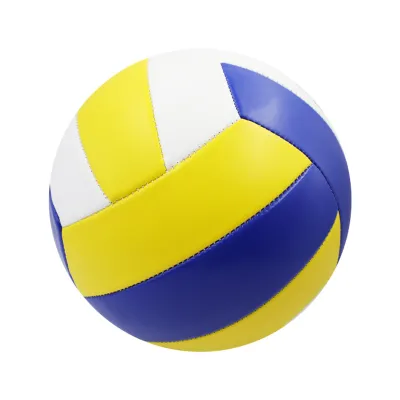
This type of ball is the standard for beginners who intend to play on indoor courts or smooth, covered outdoor courts. It features a composite leather cover backed by a thin layer of foam or soft lining, which significantly cushions the impact on your forearms. This design allows you to practice repetitive passing and serving drills for hours without developing severe bruising. The primary limitation of this ball is its outdoor durability; it should be kept away from rough concrete, gravel, and wet weather to prevent the synthetic panels from peeling or scuffing.
The Molded Rubber All-Court Ball
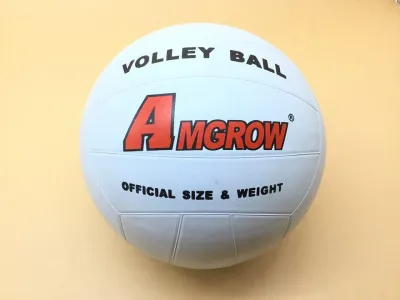
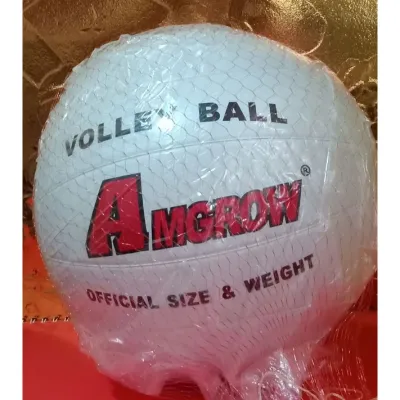
If your local court is a concrete barangay plaza or an open asphalt lot, this is the most practical choice. Molded rubber balls are virtually indestructible under normal playing conditions. They are completely waterproof, highly resistant to abrasive scrapes, and very affordable. The main trade-off is comfort. Because rubber is inherently firm, this ball will feel stiff on your arms, especially during your first few weeks of play. Beginners using a rubber ball should expect a brief break-in period as their forearms adjust to the impact, and they must be careful not to over-inflate the ball.
The Foam-Backed or “Soft” Training Ball
Specifically designed for absolute novices, young children, or school physical education classes, these balls feature an extra-thick outer layer of foam. They are incredibly soft to the touch, virtually eliminating any fear of pain or impact injury. While they are fantastic for building initial confidence and teaching basic hand-eye coordination, they do have a major drawback: they do not fly, bounce, or react like a regulation volleyball. Because they are lighter and have different aerodynamic properties, they are not suitable for developing advanced skills, precise setting, or realistic serving techniques as you progress.
Comparison Table
To help you visualize the differences, here is a breakdown of how these three beginner volleyball types compare across key performance dimensions:
| Ball Type | Best Surface | Arm Comfort | Durability | Ideal Player Profile |
|---|---|---|---|---|
| Soft-Touch Synthetic | Indoor gyms, smooth covered courts | High | Moderate | Indoor beginners, players prioritizing arm comfort |
| Molded Rubber | Concrete, asphalt, backyard grass | Moderate to Low | High | Outdoor recreational players, budget-conscious beginners |
| Foam-Backed Training | Indoor floors, soft grass | Very High | Low to Moderate | Young children, absolute novices, PE classes |
Buying Advice
When looking for your first ball, sticking to established sports brands like Mikasa, Molten, or Tachikara is a safe and reliable strategy. These manufacturers have decades of experience producing balls that meet exact weight and size standards, even in their entry-level, budget-friendly product lines. Because counterfeit sports equipment is common on online marketplaces, always verify that you are buying from authorized local distributors or official brand stores. Check customer reviews for mentions of authentic packaging, correct holographic seals, and reliable air retention to ensure you are getting a genuine product that will last.
Sizing Guide: Matching the Ball to the Player's Age and Build
Using a volleyball that is mismatched to your age or physical build can lead to poor technique, unnecessary physical strain, and joint pain. Volleyballs are manufactured in standardized sizes to accommodate different developmental stages, and selecting the correct size is essential for a safe and productive learning experience.
Size 5 (Official/Adult)
This is the standard size used for all high school, college, and adult competitive play worldwide. It has a circumference of 65 to 67 centimeters and weighs between 260 and 280 grams. If you are 12 years old or older, you should start with a Size 5 ball. Beginning with this size ensures that you develop the correct muscle memory and physical strength required for standard gameplay, making it easier to transition to competitive matches or local community leagues.
Size 4 (Youth)
Slightly smaller and noticeably lighter than an adult ball, Size 4 volleyballs are designed specifically for children aged 8 to 12. These balls typically weigh between 240 and 260 grams. The reduced weight and smaller circumference allow younger players with developing muscles and joints to practice fundamental skills like overhand serving and forearm passing without straining their shoulders, wrists, or elbows.
Size 3 (Mini)
Size 3 balls are small, lightweight training tools intended for children under the age of 8. They are primarily used in early childhood development programs to introduce basic hand-eye coordination, catching, and throwing games. They are not meant for standard volleyball drills or net play.
Verification
Before finalizing your purchase, verify the ball’s size, which is almost always printed directly on the outer cover. Look for text near the inflation valve or along the seams that explicitly states “Size 5,” “Official Size,” or “Youth Size.” If you are shopping online, double-check the product specifications list for the exact weight and circumference to ensure you are not accidentally purchasing a youth or mini ball when you need an adult standard.
Maintenance and Care in a Tropical Climate
The hot and humid tropical climate of the Philippines presents unique challenges for sports equipment. High humidity can weaken adhesives, direct sunlight can warp synthetic materials, and extreme heat can cause air inside the bladder to expand. Proper maintenance is essential to protect your investment and keep your volleyball in peak playing condition.
Proper Inflation
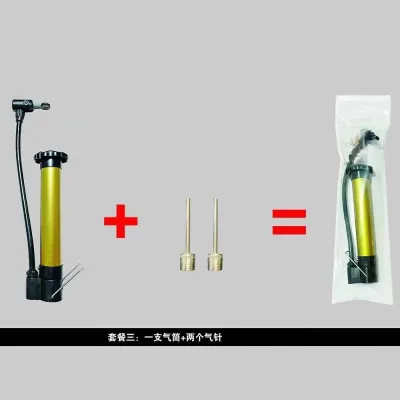
Always inflate your volleyball using a standard manual hand pump and a well-lubricated inflation needle. Before inserting the needle into the valve, moisten it with a drop of water or glycerin to prevent damaging the rubber valve core, which is a frequent source of air leaks. Never use high-pressure air compressors—such as those found at local gasoline stations or vulcanizing shops—as they can easily over-inflate and rupture the inner bladder instantly. Use a reliable pocket pressure gauge to ensure the ball is inflated within the manufacturer’s recommended PSI range.
Cleaning
After playing on dusty concrete courts or sandy outdoor areas, wipe down the ball with a clean, damp cloth and a mild soap solution. Gently remove dirt, sweat, and oils from the cover’s surface. Avoid using harsh chemical detergents, bleach, or abrasive scrubbing pads, as these can strip away the protective coating of synthetic leather or dissolve the adhesives holding the panels together. Never submerge a stitched volleyball in a bucket of water, as moisture will seep through the seams, saturate the inner lining, and lead to mold growth and a permanently heavy, unbalanced ball.
Storage
Store your volleyball in a cool, dry indoor environment away from direct sunlight. Never leave your ball inside a hot car trunk or exposed on an outdoor balcony, as extreme heat will cause the air inside to expand, stretching the bladder and warping the outer panels. Over time, intense heat also degrades the synthetic leather and causes the glue to peel. If you plan to store the ball without using it for several months, it is a good practice to deflate it slightly to relieve pressure on the seams and bladder, extending its overall lifespan.
Frequently Asked Questions (FAQ)
Can I use a beach volleyball for regular court play?
Beach volleyballs are specifically designed for outdoor sand play and have different physical properties than court volleyballs. They are slightly larger, lighter, and are inflated to a much lower pressure to help players control the ball in windy conditions. If you attempt to use a beach volleyball on a hard indoor or concrete court, it will not bounce high enough, and its flight path will be sluggish. This makes it difficult to practice correct setting and hitting timing, which can slow down your skill development for standard court volleyball.
How often should I check the air pressure of my volleyball?
You should check your volleyball’s air pressure before every play session. All volleyball bladders, even high-quality butyl ones, naturally lose small amounts of air over time due to material permeability and changes in ambient temperature. Playing with an under-inflated ball ruins your passing accuracy, reduces bounce consistency, and makes serving practice ineffective. Keeping a small hand pump and a compact pressure gauge in your sports bag ensures that you can quickly adjust the pressure to the recommended PSI before you step onto the court.
Why do my arms hurt after playing, and will a softer ball fix it?
Forearm redness, mild swelling, and stinging are incredibly common for beginners because your skin and muscles are not yet accustomed to the repetitive impact of the ball. While switching to a softer, properly inflated synthetic leather ball or a training ball will certainly reduce the discomfort, equipment is only part of the solution. Persistent pain or bruising is usually a sign of incorrect passing technique, such as letting the ball strike your wrists, thumbs, or bony elbow joints instead of the flat, fleshy part of your forearms. Focusing on building a stable passing platform, keeping your elbows locked, and taking regular breaks during practice will help your body adapt safely without injury.

Community discussion
Share your experience or ask a question. Comments are reviewed before publication.