
Running in tropical conditions presents a unique set of challenges for active women. High humidity, intense heat, and sudden downpours mean that every piece of gear you wear must perform flawlessly under pressure. A bouncing, shifting waist pack is more than just a minor distraction during a workout; the constant friction against sweat-softened skin can cause painful chafing and disrupt your natural running stride. To find the best belt bag for women runners in 2024, you must look beyond casual fashion waist packs and focus on technical designs engineered specifically for high-impact movement.
An effective running belt acts as a secure, low-profile extension of your athletic apparel. It must remain flush against your body, distribute weight evenly, and keep your essential items—such as your smartphone, keys, and emergency cash—completely stable from your warm-up to your cool-down. By understanding how different materials, adjustment mechanisms, and structural designs interact with your body shape, you can select a high-performance belt that eliminates bounce and lets you focus entirely on your pace.
How to Choose the Right Running Belt for Your Body and Gear
Selecting the perfect running belt begins with an honest assessment of your body proportions and the specific conditions of your running environment. Unlike standard fashion accessories, running belts must withstand continuous vertical and lateral forces. The first factor to evaluate is the sizing and adjustment mechanism. Running belts generally fall into two categories: adjustable strap designs and fixed-size elastic bands. Adjustable straps feature plastic tension sliders or buckles that allow you to customize the fit on the fly, making them highly versatile if you transition between different clothing layers. Fixed-size elastic bands, often referred to as compression tubes, rely on a precise fit based on your hip or waist measurements, offering a streamlined profile with no loose straps to dangle or slip.
Products mentioned in this guide
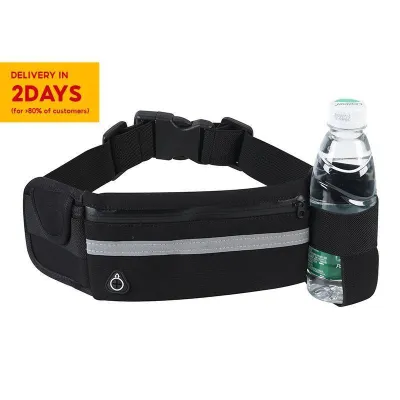
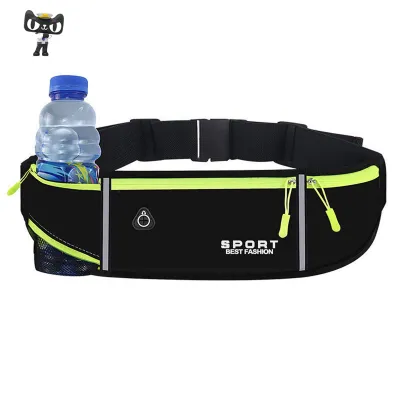
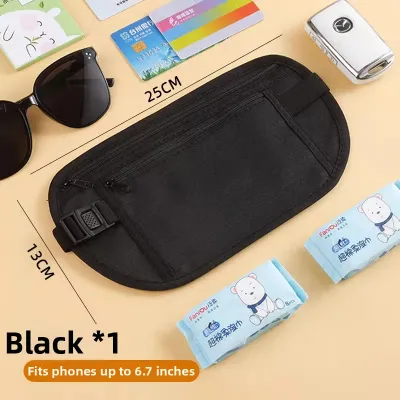
Prices are valid at publication and may change. Please refer to the product page for the latest price.
Fabric composition is another critical consideration, especially when running in warm, humid climates. Look for high-performance synthetic blends, such as nylon and spandex or polyester and elastane, which offer excellent moisture-wicking properties. These materials pull sweat away from your skin and dry rapidly, preventing the belt from becoming heavy and waterlogged. Additionally, check for chafe-prevention features such as flatlock seams, bound edges, and soft, breathable mesh backings. A belt with a harsh, abrasive border will quickly irritate your skin when worn directly over a sports bra or lightweight running tank.
Finally, examine the closure systems used to secure your gear. Water-resistant zippers are highly desirable for protecting sensitive electronics from sweat and unexpected rain showers. Some belts utilize hook-and-loop fasteners (velcro) or seamless fold-over pockets. While fold-over designs offer quick, one-handed access mid-run, zippered compartments provide the highest level of security for valuable items like car keys, credit cards, and identification. Ensure that any zipper pulls are low-profile or rubberized to prevent them from jingling or irritating your hands as you run.
Matching Your Phone and Essentials to Belt Capacity
Before purchasing a running belt, you must verify that its storage capacity aligns with the physical dimensions of your daily carry items. Smartphones have grown progressively larger, and carrying a modern device requires a pocket designed with both adequate volume and structural integrity. Always measure your phone—including its protective case—and compare those dimensions against the manufacturer’s pocket specifications. A heavy-duty, shockproof case can add significant bulk, turning a pocket that fits a bare phone into an incredibly tight squeeze that strains the seams.

To prevent your phone from bouncing, the pocket fabric must feature high stretch recovery. This refers to the material’s ability to stretch tightly over an object and immediately snap back to hold it firmly against your body. If a fabric has poor recovery, it will sag under the weight of a heavy device, causing the belt to swing outward with every stride. Look for premium elastane blends that maintain their elasticity over hundreds of stretch cycles, ensuring your phone remains locked in place rather than sagging against your lower back or abdomen.
Smart organization is equally important for maintaining balance and protecting your gear. Look for belts that feature dedicated secondary compartments or internal dividers. Storing your keys in the same pocket as your smartphone is a recipe for a scratched screen or damaged camera lens. A dedicated key clip or a separate, smaller pocket keeps sharp metal objects isolated. Furthermore, if you plan to carry energy gels, salt tablets, or small personal safety items, distribute these objects evenly around the belt. Placing all heavy items on one side creates an unbalanced load that encourages the belt to twist and slide during your run.
Comparing Belt Styles: Tube, Buckle, and Multi-Pocket Designs
Understanding the structural differences between running belt styles allows you to choose a design that matches your running mechanics and personal preferences. Pull-on tube belts have gained immense popularity for their streamlined, minimalist aesthetic. These belts are designed as a continuous loop of high-stretch fabric that you slide over your feet or head and position around your waist or hips. Because they lack buckles, clips, or adjustable straps, they offer a completely uniform, zero-bounce fit with no pressure points. The entire circumference of the belt acts as a pocket, allowing you to slide items in at multiple entry points. However, their fixed-size nature means you must measure your body accurately before buying, and they can be challenging to pull off when your skin is damp with sweat after a hard workout.
Buckle and clip belts offer a more traditional approach, featuring a central storage pouch attached to an adjustable elastic strap that secures with a plastic buckle. The primary advantage of this style is its ease of use; you can clip it on and take it off in seconds without struggling with sweaty fabric. The adjustable strap also allows you to tighten or loosen the belt depending on whether you are wearing it over a thick jacket or a thin singlet. The potential drawback is that the buckle or adjustment sliders can sometimes dig into your skin over long distances, and the strap may gradually loosen if the plastic hardware lacks a secure grip on the elastic webbing.
For long-distance runners or those preparing for trail runs, multi-pocket and hydration-compatible belts offer a robust solution. These belts feature structured compartments designed to hold soft hydration flasks, lightweight windbreakers, and nutrition supplies. They utilize strategic weight distribution to spread the load across your pelvis, minimizing the pendulum effect of carrying fluids. While these belts are heavier and bulkier than minimalist tubes, they are indispensable for self-supported runs where access to clean drinking water and nutrition is limited.
How to Position and Adjust Your Belt for Zero Bounce
Even the highest-quality running belt will bounce if it is positioned incorrectly on your body. Finding the optimal placement depends largely on your individual anatomy, hip-to-waist ratio, and running stride. Generally, there are two primary positions for wearing a running belt: high on the natural waist or low across the widest part of the hips. Women with a pronounced hourglass shape often find that belts worn on the hips tend to ride up toward the narrower waist during movement. If this occurs, it is best to position the belt directly around your natural waist from the start, tightening it sufficiently to prevent downward slippage.
Conversely, runners with a straighter athletic build often prefer wearing the belt lower on the hips, where the pelvic bones provide a natural shelf that prevents the belt from sliding down. Whichever position you choose, perform a quick tightness check before you begin running. The belt should feel snug and secure, but it must not restrict your breathing. A good rule of thumb is to ensure you can comfortably slide two fingers flat beneath the belt. If you feel any restriction when taking a deep, diaphragmatic breath, loosen the strap slightly to avoid cramping and discomfort.
To guarantee a hassle-free workout, establish a quick pre-run testing routine before leaving your home. Once your belt is loaded with your phone, keys, and other essentials, stand in place and perform ten jumping jacks, followed by a few seconds of high knees. Pay close attention to any movement. If you feel the phone shifting vertically, or if the belt begins to rotate around your waist, it indicates that the tension is too loose or the items are poorly distributed. Adjust the strap tension or redistribute the weight until the belt remains perfectly stationary during these high-impact movements.
Caring for Your Running Belt to Maintain Elasticity
To preserve the performance, stretch recovery, and longevity of your running belt, proper maintenance is essential. Sweat is highly corrosive; the salt, oils, and acidity from your skin can gradually break down the elastane and spandex fibers that give the belt its bounce-free properties. After every sweaty run, rinse your belt in cool, clean water to remove salt buildup. When a deeper clean is necessary, hand-wash the belt using a mild, sports-specific detergent. Avoid using standard fabric softeners, as they leave a chemical residue that clogs the pores of moisture-wicking fabrics, severely reducing their breathability and performance.
Never place your running belt in a mechanical clothes dryer. The high heat generated by dryers will melt or warp the delicate elastic fibers, causing the belt to lose its stretch and become permanently loose. Heat can also damage water-resistant coatings, delaminate heat-sealed seams, and cause reflective logos or safety strips to peel off. Instead, gently squeeze out excess water—without wringing or twisting the fabric violently—and hang the belt to air-dry in a shaded, well-ventilated indoor or outdoor area away from direct sunlight.
Finally, perform regular inspections of the belt’s hardware and seams. Check the zipper tracks for any signs of salt crusting or corrosion, which can cause the zipper to stick or split. If you notice salt buildup, gently clean the zipper teeth with an old toothbrush and warm water. Inspect the plastic buckles for hairline cracks and check the stitching around high-stress areas, such as pocket corners and strap attachments. Catching minor wear early allows you to make simple repairs before a seam fails completely mid-run, protecting your valuable electronics from an accidental fall.
Frequently Asked Questions (FAQ)
Can I use a regular fashion belt bag for running?
Using a casual fashion belt bag for running is generally not recommended. Fashion belt bags are typically constructed from heavy, non-breathable materials like canvas, leather, or thick nylon, and they often feature heavy metal zippers and chains. These materials do not wick sweat, leading to severe skin irritation and chafing in warm weather. Furthermore, fashion bags lack the high-stretch, body-hugging elastic straps required to eliminate bounce. During a run, a fashion bag will swing and bounce violently, which can cause bruising, disrupt your running posture, and potentially damage the items stored inside.
Where is the best place to wear a running belt?
The best place to wear a running belt depends on your body shape and comfort preferences. Many runners find that wearing the belt low on the hips, just above the glutes, provides the most stable, bounce-free experience because the pelvic bones prevent the belt from sliding down. However, if you have a narrow waist and wider hips, the belt may naturally ride up to your waist as you run. In this case, wearing it snugly around your natural waist is more effective. Experiment with both positions during your warm-up to determine which spot feels most secure and least restrictive to your breathing.
How do I stop my keys from jingling in my running belt?
To eliminate the distracting sound of jingling keys, start by isolating your running keys from your main keychain, carrying only the essential keys you need for your run. Many technical running belts feature an internal key clip or a small, dedicated key pocket designed to hold keys tightly against the fabric. If your belt lacks these features, you can wrap your keys in a small silicone band, slide them into a small fabric pouch, or tuck them securely alongside a soft item, such as an energy gel packet or a folded tissue, to dampen the noise and prevent movement.

Community discussion
Share your experience or ask a question. Comments are reviewed before publication.