
Choosing your first camping tent in the Philippines requires balancing the realities of tropical weather—sudden downpours, intense humidity, and warm coastal breezes—with ease of use and affordability. A successful first camping trip depends heavily on shelter that keeps you dry without turning into a humid sauna. To make an informed investment, beginners must understand how different tent designs, materials, and ventilation systems perform in local environments.
While experienced mountaineers might prioritize ultralight technical shelters, beginners generally benefit most from tents that offer straightforward assembly, reliable weather protection, and comfortable living space. By focusing on structural design and material specifications rather than brand names, you can find a high-performing shelter that fits your budget and camping style.
Quick Guide: Matching Tent Styles to Your Camping Needs
Selecting the right tent style is the first step in planning your outdoor adventures. Different structures excel in different environments, and understanding these trade-offs prevents frustration at the campsite.
Products mentioned in this guide
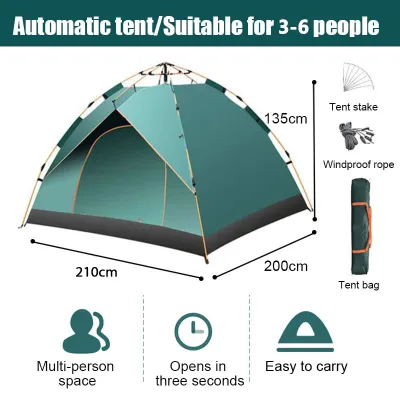
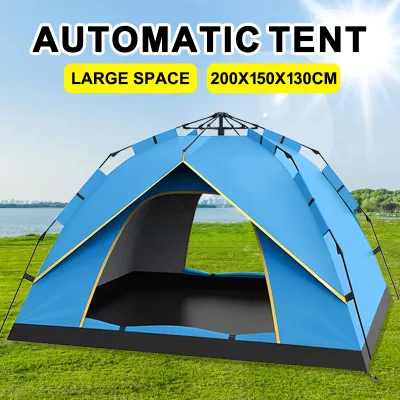
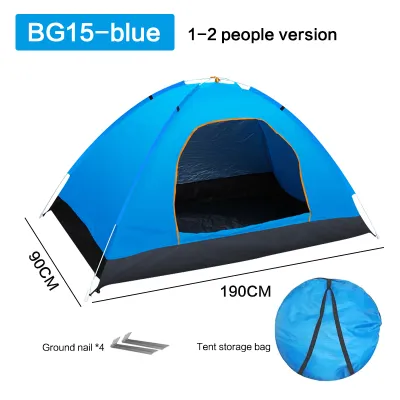
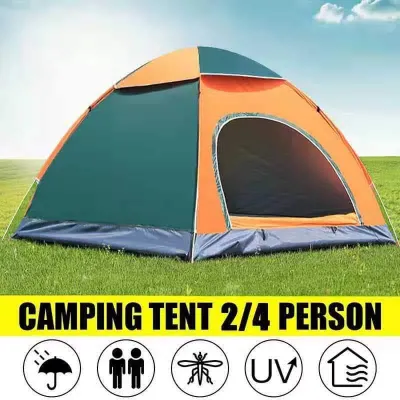
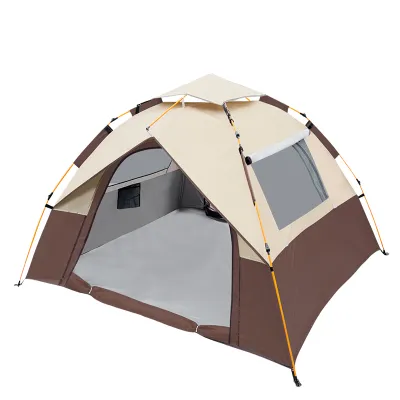
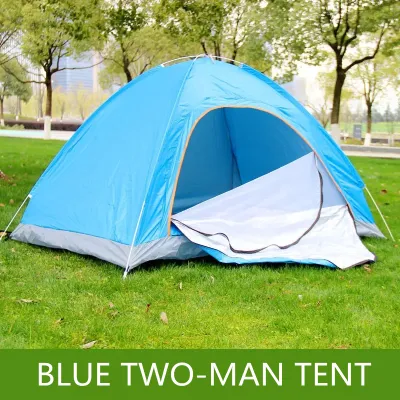
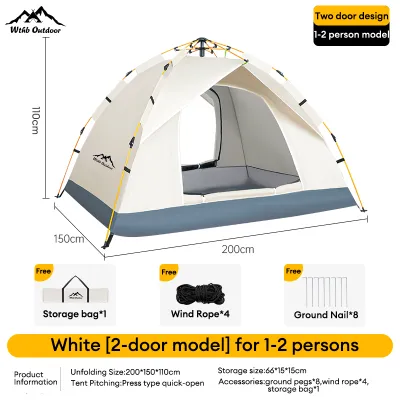
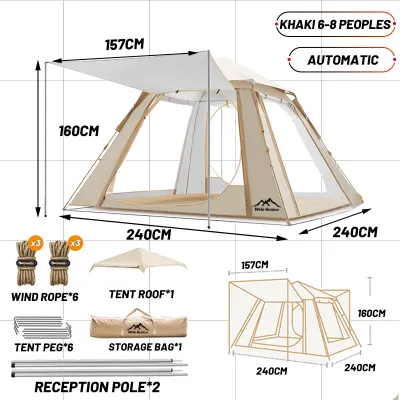
Prices are valid at publication and may change. Please refer to the product page for the latest price.
Instant or Pop-Up Tents
Instant tents feature pre-attached poles that telescope or unfold into place, allowing setup in just a few minutes. These are highly convenient for casual beach trips, backyard camping, or car camping at established sites where quick shelter is the priority. However, the integrated frame makes these tents bulky and heavy when packed, and they are generally less stable in strong, gusty winds.
Dome Tents
Dome tents utilize two or three flexible poles that cross over the center to create a sturdy, curved structure. This classic design offers excellent wind resistance because the sloped sides shed wind easily from any direction. They are relatively lightweight, pack down compactly, and provide a balanced amount of headroom, making them the most versatile choice for beginner campers heading to diverse locations from Rizal to Benguet.
Cabin Tents
Cabin tents are designed with near-vertical walls and high ceilings, often allowing campers to stand upright inside. This style maximizes interior volume, making it ideal for families or groups who plan to spend significant time inside the tent. The trade-off is that their large, flat walls catch the wind like a sail, meaning they require secure staking and are best reserved for sheltered, low-wind car camping sites.
Essential Design Features for First-Time Campers
Beyond the basic shape, several structural details determine how easy a tent is to live in and how well it withstands the elements. Paying attention to these features during your search will save time and effort at the campsite.

Setup Mechanisms
For beginners, the ease of pitching a tent can make or break the camping experience. Look for tents that utilize clip attachments rather than long, continuous pole sleeves. Clips allow you to snap the tent body directly onto the frame quickly, which is especially helpful if you have to set up during a sudden rain shower. Color-coded poles and matching grommets or webbing loops further simplify the process by showing you exactly where each component belongs.
Ventilation Strategies
In the warm, humid climate of the Philippines, ventilation is just as important as waterproofing. Without adequate airflow, the moisture from your breath condenses on the cool fabric of the tent, leading to a damp interior. Look for tents with generous mesh panels on the inner body to encourage cross-ventilation. Adjustable rainfly vents that can be propped open even during rain are also essential for letting hot air escape from the top of the tent.
Floor Footprint and Bathtub Design
An often-overlooked feature is the design of the tent floor. A “bathtub floor” uses a continuous piece of waterproof material that wraps several inches up the sides of the tent before meeting the wall fabric. This design ensures that splashing rain and shallow pooling water cannot seep through the seams at ground level. Ensure the floor material is thick and durable, as this area experiences the most friction from boots, sleeping pads, and rough ground.
Sizing Your Tent: Navigating Capacity vs. Real Comfort
Manufacturer capacity ratings can be misleading for first-time buyers. Understanding how to read these dimensions ensures you have enough space to sleep comfortably and store your gear.
The "Minus One" Rule
Tent capacity ratings (such as a “4-person tent”) are calculated based on the maximum number of standard sleeping pads that can fit shoulder-to-shoulder on the floor. This leaves virtually no room for bags, personal items, or comfortable movement. To ensure a pleasant experience, apply the “minus one” rule: choose a tent rated for at least one more person than your actual group size. If you are camping as a couple, a 3-person tent provides the ideal balance of sleeping space and gear storage.
Evaluating Vestibule Space
A vestibule is an extension of the rainfly that acts as an outer porch or awning. This covered area sits outside the zipped inner tent door, providing a protected space to store muddy hiking shoes, wet backpacks, and cooking gear. Having a functional vestibule keeps dirty items out of your clean sleeping area while keeping them dry and secure from overnight dew or unexpected rain.
Peak Height and Wall Steepness
Consider how you plan to use the tent when evaluating its height. If you only plan to lie down and sleep, a low-profile dome tent is perfectly adequate. However, if you want the convenience of standing up to change clothes, look for a tent with a higher peak height and steeper walls. Keep in mind that taller tents are more susceptible to wind, so they must be staked down securely with guy lines.
Evaluating Weather Readiness for Tropical Campsites
Tropical weather demands robust protection against heavy rain and wind. You can assess a tent’s weather readiness by examining its physical construction and specifications.
Rainfly Coverage
Avoid tents that only feature a small “cap” rainfly that covers the very top mesh portion of the roof. In the Philippines, wind-driven rain can easily blow sideways under a partial fly, soaking the inner tent walls. Instead, look for a full-coverage rainfly that extends almost all the way to the ground. This creates a protective outer shell that channels water away from the breathable inner tent.
Seams and Zippers
Even the most waterproof fabric will leak if the seams are not sealed. Inspect the interior seams of the rainfly and floor to verify they have been factory-taped. This process applies a clear, waterproof tape over the stitched seams to block water entry. Additionally, look for wide fabric flaps that cover the zippers, preventing rain from driving through the zipper teeth during heavy downpours.
Waterproof Coatings vs. Breathability
Waterproofness is often measured by a hydrostatic head rating, which indicates how much water pressure the fabric can withstand before leaking. For general camping, a rating between 1,500mm and 3,000mm is ideal. While higher ratings offer superior water resistance, excessively heavy coatings can reduce fabric breathability, making the tent feel stuffy. Balancing a highly waterproof rainfly with a highly breathable, mesh-heavy inner tent body is the best way to stay dry and cool.
Pre-Purchase Checks and Smart Buying Strategies
Before finalizing your purchase, take a few practical steps to ensure you are getting a reliable product that will last for multiple seasons.
Comparing Pole Materials
Tent poles are typically made of either fiberglass or aluminum. Fiberglass poles are common in budget-friendly tents; they are cost-effective but heavier and can splinter under high stress or extreme wind. Aluminum poles are lighter, significantly stronger, and flex without breaking. If your budget allows, investing in a tent with aluminum poles offers better long-term durability and peace of mind during stormy weather.
Retail Channels and Warranties
Purchase your gear from established outdoor specialty stores or official brand outlets rather than unverified online sellers. Buying from reputable sources ensures you receive genuine products and access to customer support. Check the warranty terms to see if the manufacturer covers pole replacements or fabric repairs, as having access to spare parts can extend the life of your tent significantly.
The Home Setup Test
Never arrive at a campsite with a brand-new, unopened tent. Always perform a test pitch in your living room, backyard, or a local park immediately after purchase. This practice run ensures that all poles, stakes, guy lines, and rainfly attachments are included in the package. It also allows you to familiarize yourself with the setup steps in a calm, controlled environment, preventing stress if you have to pitch your tent in the dark or during sudden bad weather.
Frequently Asked Questions (FAQ)
How should I clean and store my tent after a trip?
To prevent mold, mildew, and fabric degradation, always air-dry your tent and rainfly completely before packing them away, even if it did not rain during your trip. If the tent is dirty, spot-clean the fabric using a soft sponge, cool water, and a mild, non-detergent soap. Avoid harsh household detergents, washing machines, and tumble dryers, as these can strip away the waterproof polyurethane coatings. Once dry, store the tent loosely in a cool, dry place away from direct sunlight and high humidity.
Do I need a ground tarp or footprint for my tent?
Yes, using a ground tarp or footprint is highly recommended to protect the bottom of your tent from sharp rocks, twigs, and abrasive soil. It also adds an extra layer of protection against ground moisture. When using a footprint, ensure it is sized slightly smaller than the tent floor. If the tarp extends past the edges of the tent, it will catch rainwater running off the rainfly and channel it directly underneath your tent, causing water to pool and seep through the floor.

Community discussion
Share your experience or ask a question. Comments are reviewed before publication.