
Selecting the right double tent cot for camping in the Philippines requires balancing structural stability, ventilation, and weatherproofing to handle the demands of a tropical climate. The best double tent cot is one that supports a high weight capacity (typically at least 200 to 250 kilograms), features a robust waterproof rainfly to withstand sudden tropical downpours, and utilizes elevated, breathable mesh structures to combat intense humidity and ground moisture. By lifting your sleeping platform off the ground, these hybrid shelters solve many of the common discomforts associated with traditional ground camping in warm, wet environments.
Whether you are planning a weekend trip to the cool ridges of Tagaytay, pitching on the sandy shores of Zambales, or heading deep into the forest campsites of Tanay, understanding the technical specifications of your gear is essential. A double tent cot is a significant investment in your outdoor comfort, making it crucial to evaluate frame materials, fabric ratings, and packed dimensions before purchasing. This guide breaks down the essential criteria, design variations, and maintenance practices required to choose and maintain a double tent cot that will last for years under local conditions.
Why Upgrade to a Double Tent Cot for Local Campsites
Elevating your sleeping surface is one of the most effective ways to improve comfort when camping in a tropical environment. In the Philippines, the ground at campsites can quickly transition from baked clay to thick mud during the rainy season. Setting up a traditional ground tent on waterlogged soil often leads to moisture seeping through the tent floor, dampening your sleeping gear and lowering your overall comfort. A double tent cot completely bypasses this issue by raising the sleeping platform 30 centimeters or more above the ground, ensuring you stay dry regardless of surface conditions.
Products mentioned in this guide
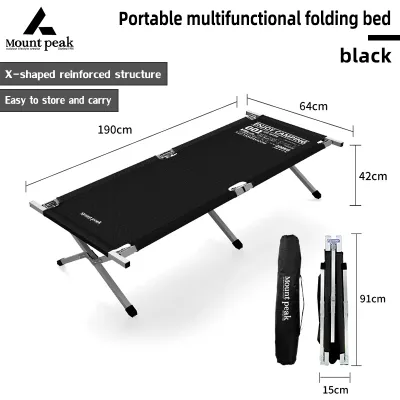
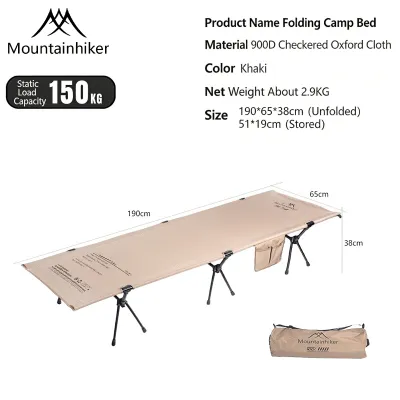
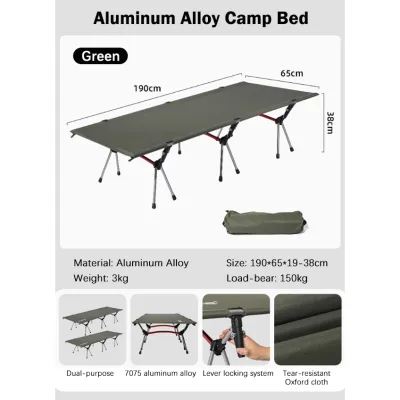
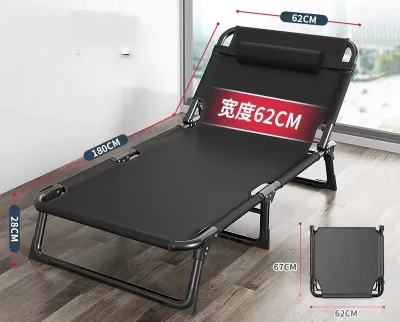
Prices are valid at publication and may change. Please refer to the product page for the latest price.
This elevation also plays a critical role in temperature regulation. Standard ground tents trap heat radiating from the earth, which, when combined with high humidity, creates a stifling greenhouse effect inside the tent. By lifting the sleeping platform, a tent cot allows air to flow freely underneath your body. This continuous under-bed ventilation helps dissipate body heat and reduces the warm, stagnant air pocket that typically forms beneath campers sleeping directly on the ground.
Another major advantage of an elevated setup is protection from ground-dwelling pests. Tropical campsites are home to a variety of crawling insects, red ants, centipedes, and damp-loving arachnids. While a fully zipped ground tent provides a barrier, entering and exiting a tent on the ground makes it easy for pests to slip inside. Raising the entryway off the forest floor or sandy beach significantly reduces the likelihood of unwanted insects invading your sleeping quarters.
For couples or families camping with a young child, a double tent cot offers a unified, comfortable sleeping space that single cots cannot match. Pushing two single cots together often creates an uncomfortable gap in the middle that shifts during the night. A double cot provides a continuous, taut surface that maximizes space efficiency. This shared platform allows you to use standard double-sized bedding or sleeping pads, creating a more home-like sleeping experience in the outdoors.
Essential Selection Criteria for Tropical Camping
Frame Material and Weight Capacity
Frame Composition When browsing online marketplaces, you will primarily encounter frames made of either powder-coated steel or aluminum alloy. Steel frames offer superior structural rigidity and are highly resistant to bending under heavy loads, making them the standard choice for stable, long-term setups. However, steel is significantly heavier and can rust if the protective coating is scratched. Aluminum alloy frames (typically 6000 or 7000 series aircraft-grade aluminum) are much lighter and naturally rust-resistant, though they can be more expensive and may flex slightly more under maximum weight limits.

Weight Limits Because a double cot is designed to support two adults, verifying the manufacturer’s maximum weight capacity is a critical safety step. Look for models with a static weight rating of at least 220 to 300 kilograms. This rating must account not only for the combined weight of both sleepers but also for the dynamic forces applied when sitting up, turning over, or storing heavy gear inside the tent. Never exceed the stated limit, as overloading can cause the frame joints to fatigue and fail unexpectedly.
Joint and Support Integrity Inspect the structural design of the frame, focusing on the joint locking mechanisms and leg crossbars. High-quality double cots feature reinforced steel brackets at key pivot points and a multi-leg configuration (typically six to eight legs) to distribute weight evenly. Avoid models with thin plastic connectors at high-stress joints. Look for frames that feature locking pins or tension bars that secure the legs in an open position, preventing the cot from folding accidentally if one sleeper shifts weight.
Fabric Quality and Weather Resistance
Surface Fabric Durability The sleeping platform must withstand constant tension without stretching or tearing over time. Look for heavy-duty, high-denier polyester or Oxford cloth, ideally rated between 300D and 600D. A higher denier rating indicates thicker, stronger threads that resist sagging. Double-stitched seams and reinforced fabric patches around the frame attachment points are essential indicators of a durable build that can handle frequent use.
Waterproof Ratings The integrated tent canopy and rainfly must be capable of repelling heavy tropical downpours. Check the manufacturer’s specifications for a hydrostatic head rating, which measures waterproofness in millimeters. A rating of 1,500mm to 2,000mm is generally sufficient for typical rain showers, while ratings of 3,000mm or higher offer excellent protection against prolonged monsoonal rains. Ensure the rainfly features fully taped seams and a polyurethane (PU) coating to prevent water from dripping through the needle holes.
Ventilation and Condensation Control In high-humidity environments, condensation can quickly build up on the interior walls of a closed tent. To prevent this, prioritize models with large mesh windows and doors that facilitate cross-ventilation. The mesh should be a high-density “no-see-um” style (such as B3 mesh) to keep out tiny biting insects like sandflies (niknik) while still allowing breeze to pass through. Adjustable vents on the rainfly are also valuable, as they allow hot air to escape even when the rainfly is fully zipped during a storm.
Packed Size and Setup Mechanism
Transport Logistics Double tent cots are inherently bulky items. Before purchasing, carefully review the folded dimensions of the cot and compare them to your vehicle’s trunk or cargo space. Some double cots fold flat into a large, rectangular shape that can exceed one meter in length, which may require folding down your vehicle’s rear seats. If you drive a compact sedan, a model that folds down into a more compact, cylindrical carry bag may be necessary, even if it requires more assembly time.
Setup Designs There are two main setup styles: quick-unfold models and assembly-required models. Quick-unfold designs feature an integrated accordion-style frame that pops open in under a minute, with the tent fabric already attached. While highly convenient, these models tend to be heavier and bulkier when packed. Assembly-required models use separate shock-corded poles and tension bars that you must thread through the fabric sleeves. These take longer to set up (typically 10 to 15 minutes) but pack down into a much smaller, more portable footprint.
Assembly Safety Verify if the cot requires specialized tools for setup or if it utilizes tool-free snap locks and spring-loaded pins. Tool-free designs are highly recommended for camping, as they eliminate the risk of being unable to pitch your shelter if a tool is lost. When assembling any tension-based cot, always follow the manufacturer’s sequence instructions to avoid placing uneven stress on the frame poles, which can cause them to bend or snap.
Recommended Double Tent Cot Designs for Different Needs
Heavy-Duty Car Camping Cots
Heavy-duty car camping cots are designed for campers who prioritize maximum comfort, stability, and interior space above all else. These models typically feature thick, powder-coated steel frames, wide sleeping platforms, and integrated padding or sleeve systems designed to hold self-inflating mattresses. Because they do not compromise on materials to save weight, they offer a highly stable, bed-like feel with minimal bouncing when your partner moves.
- Frame Material: Heavy-gauge steel tubing with reinforced steel joints.
- Weight Capacity: Often rated up to 300 kilograms or more.
- Portability: Very heavy (often 15 to 22 kilograms) and bulky when folded.
- Best Venue: Established campsites with flat, cleared pitches where you can park your vehicle directly adjacent to your setup area.
The primary trade-off of this design is its weight and packed size. It requires substantial physical effort to load and unload, and it will take up a significant portion of your vehicle’s cargo capacity. However, for long-duration camping trips or base camps where comfort is paramount, the structural integrity of a heavy-duty steel cot is unmatched.
Lightweight and Compact Travel Cots
For campers who need to transport their gear over short distances, hike to a secluded spot, or utilize public transportation, a lightweight and compact travel cot is the ideal choice. These models utilize high-strength aluminum alloy frames and minimalist, tension-fit fabric designs to strip away unnecessary weight. They pack down into relatively small carry bags that can be slung over a shoulder or lashed to a large backpack.
- Frame Material: High-strength, lightweight aluminum alloy.
- Weight Capacity: Typically rated between 180 and 220 kilograms.
- Portability: Highly portable, weighing between 8 and 12 kilograms with a compact packed footprint.
- Best Venue: Remote beaches, lakeside campsites, or elevated forest clearings that require a short hike from the parking area.
Because these cots prioritize weight reduction, they feature thinner fabrics and minimalist leg structures. You must be diligent about checking the terrain before setup, as the lighter legs can sink into soft sand or mud more easily than heavy-duty models. Additionally, the taut, unpadded fabric surface may feel firm, meaning you will likely need to pair the cot with lightweight, inflatable sleeping pads for adequate cushioning and insulation during cooler nights in high-altitude areas like Benguet.
All-in-One Tent and Cot Combos
All-in-One combos feature a hybrid design where the tent canopy is directly integrated into or permanently attached to the cot frame. This design eliminates the need to pitch a separate ground tent over your cot, providing a highly streamlined, self-contained sleeping shelter. Many of these models allow you to detach the tent canopy entirely, giving you the flexibility to use the cot on its own under a large tarp or inside a larger cabin tent.
- Frame Material: Mixed aluminum and steel configurations designed for rapid unfolding.
- Weight Capacity: Generally rated around 200 to 240 kilograms.
- Portability: Moderate weight, usually between 12 and 16 kilograms, with a flat-folding profile.
- Best Venue: Coastal campsites, quick overnight stops, or solo/couple trips where rapid setup and teardown are prioritized.
While highly convenient, integrated combos do have structural limitations. The interior headroom is often restricted, meaning most adults cannot stand or sit completely upright inside the tent canopy. Gear storage is also limited, as there is no vestibule space; you must store your dirty boots and larger packs underneath the elevated cot frame, exposing them to the elements unless you use an additional rain tarp.
Care and Maintenance in Humid Climates
Frame Protection To prevent rust and corrosion, wipe down the entire metal frame with a clean, dry microfiber cloth after every camping trip. This step is especially critical if you have camped near coastal areas, as salty sea air dramatically accelerates the oxidation of steel and can pit aluminum. If you notice any salt residue or mud on the frame, wash it off with fresh water, dry it thoroughly, and apply a light coating of a silicone-based lubricant to the hinges and folding joints to keep them operating smoothly. Avoid using heavy oils or greases, as they attract sand and dirt, which can grind down the moving parts.
Mold and Mildew Prevention Never store your double tent cot while it is damp or wet. Packing away wet fabric in a hot, humid closet is a guaranteed recipe for mold and mildew growth, which will quickly ruin the waterproof PU coatings and rot the fabric seams. Always air-dry the tent canopy, rainfly, and cot surface completely in a shaded, well-ventilated area before packing them into the carry bag. If you must pack up in the rain, unfold the cot at home within 24 hours to let it dry completely.
Fabric and Seam Care Periodically inspect the fabric surface, seams, and zipper tracks for dirt, sand, and wear. Clean dirty fabric using a soft sponge, lukewarm water, and a mild, non-detergent soap; harsh detergents can strip away the waterproof coatings. If you notice the seam tape beginning to peel or lift, apply a specialized polyurethane seam sealer to restore the waterproof barrier. Keep zipper tracks free of sand and grit by brushing them with an old toothbrush, and lubricate them occasionally with a zipper wax to prevent sticking.
Frequently Asked Questions (FAQ)
Can a double tent cot fit inside a standard two-person tent?
No, a double tent cot will generally not fit inside a standard two-person ground tent. Ground tents are designed with sloping walls that taper inward toward the ceiling, whereas a double cot has a rigid, elevated rectangular frame. When you attempt to place a cot inside a small tent, the corners of the cot frame will press hard against the tent walls, stretching the fabric, blocking ventilation, and potentially tearing the tent seams.
To use a double cot inside a tent shelter, you must pair it with an oversized cabin-style tent (such as a 4-person or 6-person model) that features near-vertical walls and a high ceiling. Alternatively, many campers prefer to set up the double cot independently on its own integrated frame and suspend a large, waterproof camping tarp directly over it to provide a spacious, shaded living area around the cot.
Is it safe to use a double cot on uneven ground?
Using a double cot on uneven ground requires careful site preparation to prevent structural damage or physical injury. Before unfolding the cot, clear your designated pitch area of sharp rocks, thick roots, and deep depressions that could place uneven pressure on the cot’s legs. If the ground is slightly sloped or soft, place flat, stable wooden blocks, wide stabilizing pads, or flat stones under the feet of the cot to distribute the weight evenly and prevent the legs from sinking into the earth.
Never set up a double cot on a steep incline or a sharp drop-off. Because a double cot holds the weight of two adults elevated off the ground, a shifted center of gravity can easily cause the frame to tip sideways or collapse, bending the metal support bars and causing potential injury. If you cannot find a reasonably flat surface, it is safer to adjust your campsite location rather than risk overloading one side of the cot’s frame.

Community discussion
Share your experience or ask a question. Comments are reviewed before publication.