
Choosing the ideal electric outboard motor for your kayak or inflatable boat in the Philippines requires balancing portability, power, and environmental resilience. Unlike heavy gasoline engines, electric outboard motors offer a silent, lightweight, and eco-friendly alternative that is perfect for navigating the country’s diverse waterways—from calm inland lakes like Taal to the coastal coves of Batangas. However, because there is no single “best” motor for every setup, finding the right option depends heavily on matching the motor’s thrust to your watercraft’s total weight and understanding how tropical conditions affect your battery performance.
To make an informed decision, you must evaluate how a motor’s specifications align with your specific hull type, carrying capacity, and typical paddling environment. By focusing on three core pillars—thrust-to-weight ratio, battery runtime, and mounting compatibility—you can find a propulsion system that enhances your time on the water without compromising safety or stability.
Quick Answer: What Makes an Electric Outboard Motor the "Best"?
The “best” electric outboard motor is the one that safely and efficiently propels your fully loaded watercraft under local wind and current conditions while remaining easy to transport and mount. Because small watercraft like kayaks and inflatable dinghies have strict weight capacities, a motor that is too heavy or overly powerful can compromise stability and safety. Conversely, an underpowered motor will struggle against tidal currents or afternoon breezes, leaving you stranded or forced to paddle back manually.
Products mentioned in this guide
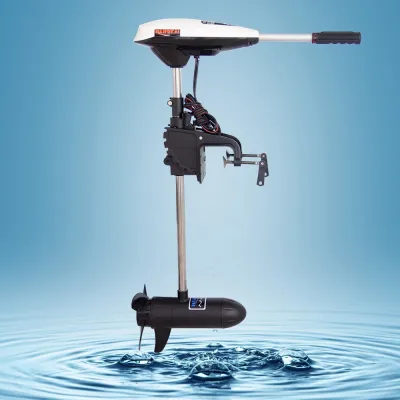
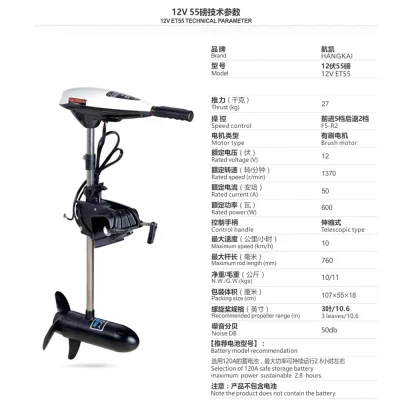
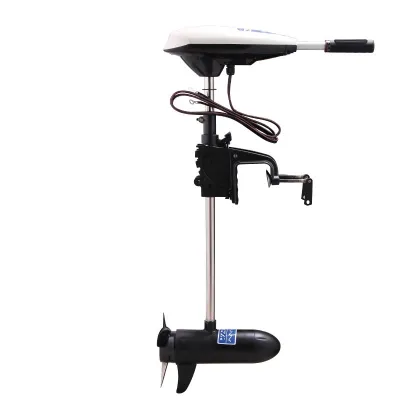
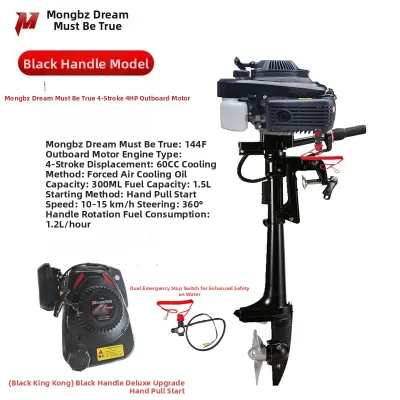
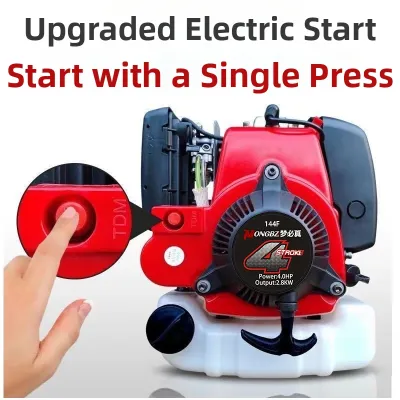
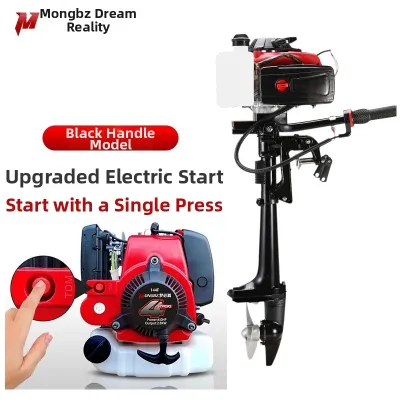
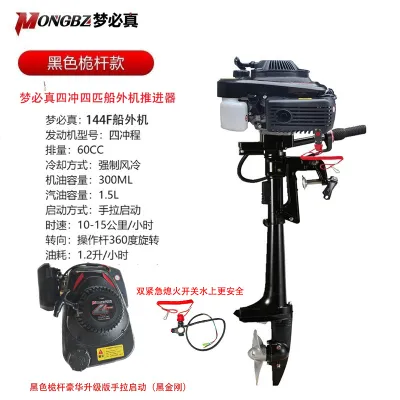
Prices are valid at publication and may change. Please refer to the product page for the latest price.
When evaluating different models on the market, the top decision-defining dimensions include:
- Thrust-to-Weight Ratio: The motor must provide sufficient forward force (in pounds of thrust) to overcome the combined weight of the vessel, passengers, gear, and battery, without adding excessive rear-end weight.
- Battery Runtime and Efficiency: The motor's voltage and current draw must match a compatible, high-capacity deep-cycle battery to deliver practical runtimes for your excursions.
- Mounting and Hull Compatibility: The mounting bracket must securely attach to your craft's transom, stern, or side-mount adapter without warping the hull.
Electric propulsion offers distinct advantages over traditional gas-powered outboards for small watercraft users. The near-silent operation allows anglers to approach fishing spots without spooking fish and permits recreational paddlers to enjoy the natural sounds of local ecosystems. Additionally, electric motors produce zero direct emissions, making them welcome in sensitive conservation zones, and they require virtually no mechanical maintenance beyond basic freshwater rinsing and battery care.
Matching Motor Specifications to Your Watercraft
Every watercraft has unique hydrodynamic properties, weight limits, and structural designs. To ensure safe operation and optimal performance, you must match the electric outboard motor’s specifications to the physical constraints of your specific vessel.

Kayaks and Stand-Up Paddle Boards
Ultra-lightweight, narrow watercraft like kayaks and stand-up paddle boards (SUPs) require compact, low-thrust motors. Because these hulls are narrow, adding a heavy motor or battery too far back or to one side can alter the center of gravity, increasing the risk of capsizing.
- Thrust Requirements: Most recreational and fishing kayaks perform best with motors offering 30 to 55 pounds of thrust. Higher thrust ratings are generally unnecessary and will only drain your battery faster without providing significant speed gains.
- Mounting Systems: Verify the mounting compatibility of your motor with your kayak's stern. Many fishing kayaks feature dedicated transom plates or integrated rudder-mount tracks. Otherwise, you will need a specialized side-clamp mount or a transom adapter bar to distribute torque evenly.
- Portability and Storage: Because kayaks are often transported on roof racks or truck beds, the motor and its power source must be highly portable. Look for lightweight composite shafts and quick-release brackets. Your battery should also feature a compact footprint to fit securely in cargo wells.
Inflatable Boats and Dinghies
Inflatable boats and heavy-duty dinghies present different hydrodynamic challenges due to their wider beam, flexible hulls, and increased wind resistance.
- Overcoming Drag and Weight: Inflatable boats sit high on the water and have large surface areas that catch the wind. To overcome this drag and tube friction, you will need higher thrust—typically 55 to 80 pounds or more, especially when carrying multiple passengers or heavy gear.
- Shaft Length and Cavitation: Inflatable transoms sit higher off the water than kayak sterns. Select a shaft length that ensures the propeller is submerged at least 6 to 10 inches below the water's surface under all load conditions to prevent cavitation (drawing in air), which causes severe thrust loss.
- Mounting Reinforcement: Ensure your inflatable has a rigid, marine-grade plywood or composite transom. Tighten clamp brackets securely and use a safety cable attached to the boat's D-rings to prevent the motor from slipping into the water if clamps loosen during operation.
Key Features to Evaluate Before Buying
Before purchasing an electric outboard motor, you must carefully evaluate several technical specifications to ensure compatibility with your budget, watercraft, and performance expectations.
- Thrust vs. Horsepower: Electric outboard motors are rated in pounds of thrust rather than horsepower. As a general baseline, aim for a minimum of 2 pounds of thrust for every 100 pounds of total loaded weight (including boat, motor, battery, passengers, and gear). To account for tidal currents and wind in local coastal waters, adding a safety margin of 50% to 100% more thrust is highly recommended.
- Battery Chemistry and Runtime: Your battery choice directly impacts your range, weight, and overall cost.
- Lead-Acid (AGM/Gel) Batteries: Deep-cycle AGM or Gel batteries are highly affordable upfront (typically ₱5,000 to ₱12,000) but are incredibly heavy (25 to 35 kilograms) and should only be discharged to 50% capacity.
- Lithium Iron Phosphate (LiFePO4) Batteries: Modern lithium batteries are a premium investment (often ₱15,000 to ₱40,000+) but weigh up to 70% less, can be safely discharged to 90% or more, and maintain consistent voltage.
- Runtime Verification: Check the manufacturer's current draw (in amperes) at various speed settings. Divide your battery's usable ampere-hour (Ah) capacity by the motor's amp draw at your desired cruising speed to estimate practical runtime.
- Shaft Length and Adjustability: To select the correct shaft length, measure the distance from the top of your transom to the water level and add 10 to 12 inches. This ensures the propeller remains fully submerged without cavitation. Adjustable collar clamps allow you to fine-tune the depth depending on shallow or deep water conditions.
- Control Mechanisms: Tiller handles offer reliable, twist-grip speed and direction control, often with telescoping designs. Alternatively, foot pedals and wireless remote controls provide hands-free operation for kayak anglers. Ensure any electronic remote systems carry a high waterproof rating (IP67 or higher) to withstand splashes.
Practical Setup, Safety, and Local Water Conditions
Operating an electric-powered watercraft in the Philippines requires a thorough understanding of local marine environments and a disciplined approach to safety. Equipment can enhance your experience, but it cannot replace sound judgment, proper training, and situational awareness.
- Weight Distribution and Stability: Properly balancing your watercraft is essential to prevent capsizing, especially in narrow kayaks. Place your heavy battery pack as close to the center of the vessel and as low to the deck as possible to maintain a low center of gravity. Secure it in a waterproof battery box tied down to prevent shifting.
- Safety Gear and Kill Switches: Never operate an electric outboard motor without a functioning magnetic lanyard kill switch attached to your life jacket or wrist to instantly cut power if you fall overboard. Always wear a properly fitted personal flotation device (PFD) and carry a manual paddle as a mandatory backup.
- Navigating Local Conditions: Philippine coastal and lake environments are subject to strong tidal currents, sudden wind shifts (such as the Amihan or Habagat monsoons), and rapid weather changes. Before launching, check local marine forecasts and tide charts. Implement the "rule of thirds": use one-third of your battery capacity to travel out, one-third to return, and keep the remaining one-third as an emergency reserve. If you encounter strong head currents, reduce your throttle; running at full power against a current drains the battery exponentially faster with minimal forward progress.
- Pre-Launch Checklist: Develop a strict pre-launch routine to verify your system's integrity before leaving the shore:
1. Inspect all electrical connections for corrosion, loose terminals, or frayed wires.
2. Verify that the battery is fully charged and securely strapped down.
3. Check the propeller for any wrapped fishing line, weeds, or physical damage.
4. Test the steering tension and ensure the motor tilts smoothly.
5. Confirm that the magnetic kill switch functions correctly by starting the motor briefly on land and pulling the lanyard.
Maintenance and Storage in Tropical Climates
The hot, humid, and salty environment of the Philippines is highly corrosive to electrical and mechanical components. Consistent, proactive maintenance is required to protect your investment and ensure your electric outboard remains reliable over time.
- Rinsing and Drying: Saltwater is highly destructive to metals and electrical contacts. After every use in saltwater or brackish water, thoroughly rinse the lower unit, propeller shaft, and mounting brackets with clean, fresh water. Wipe down the upper control head with a damp cloth, taking care not to spray high-pressure water directly into the housing, which can force moisture past the seals. Allow the motor to dry completely in a shaded, well-ventilated area before storing.
- Battery Care in the Heat: Extreme heat is the primary enemy of marine batteries. Never store batteries in direct sunlight, inside hot metal sheds, or in the trunk of a vehicle parked in the sun. Store batteries in a cool, dry, indoor environment. If using lithium batteries, follow manufacturer guidelines for long-term storage, which typically recommend keeping them at a 40% to 60% state of charge.
- UV and Moisture Protection: The intense tropical sun can degrade plastic housings and cable insulation, causing them to become brittle. Protect your motor with a UV-resistant cover or store it inside a shaded locker when not in use. Apply a marine-grade silicone protectant to plastic components and rubber seals, and spray electrical terminals with an anti-corrosion marine spray to block moisture.
Frequently Asked Questions (FAQ)
Do I need to register an electric outboard motor?
In the Philippines, registration requirements for small recreational watercraft and low-powered electric motors vary by location. Motorized vessels in public commercial waterways or marine sanctuaries typically fall under the jurisdiction of the Maritime Industry Authority (MARINA) or the Philippine Coast Guard, while local government units (LGUs) regulate municipal inland waters. Consult your local LGU or the nearest Coast Guard station to verify the specific permit or registration rules for your setup.
Can I use a standard car battery for my electric outboard motor?
No, standard automotive starting batteries are unsuitable and unsafe for deep-cycle marine applications. Car batteries are designed to deliver a short, high-amperage burst to start an engine and will suffer permanent plate damage if continuously discharged over several hours. Instead, you must use a dedicated deep-cycle marine battery (AGM, Gel, or LiFePO4) designed for continuous, low-amperage discharge.
How long will the battery last on a single charge?
Runtime depends heavily on total loaded weight, hull design, wind resistance, water currents, and throttle usage. Running at full throttle typically drains a battery up to four times faster than cruising at half-throttle. To determine your specific runtime, consult the manufacturer’s current draw chart for your motor model and compare it with your battery’s usable ampere-hour (Ah) capacity.

Community discussion
Share your experience or ask a question. Comments are reviewed before publication.