
To catch tilapia consistently in the Philippines, you need a bait strategy that appeals to their keen senses of smell and sight. Tilapia are highly adaptable, omnivorous feeders that consume everything from algae and aquatic plants to small insects and detritus. The most effective baits include live earthworms, customized dough baits made from local ingredients like rice bran (darak) and breadcrumbs, and even simple household staples like pandan-infused bread.
Because tilapia are warm-water fish, their activity levels remain high throughout the year in tropical climates. However, their feeding habits can shift dramatically based on whether they are in a stocked commercial pond, a wild river, or a large lake. Understanding how to prepare, present, and match these baits to your specific fishing environment is the secret to landing more fish.
Tilapia fishing is one of the most popular and accessible angling activities in the Philippines. From the expansive waters of Laguna de Bay and Lake Taal to local backyard fishponds and irrigation canals, these hardy fish are found almost everywhere. Because they are highly adaptable and reproduce rapidly, they serve as both a vital food source and an exciting target for recreational anglers. However, catching them consistently requires more than just throwing a random hook into the water; it demands a clear understanding of what they eat and how they behave in tropical environments.
Products mentioned in this guide
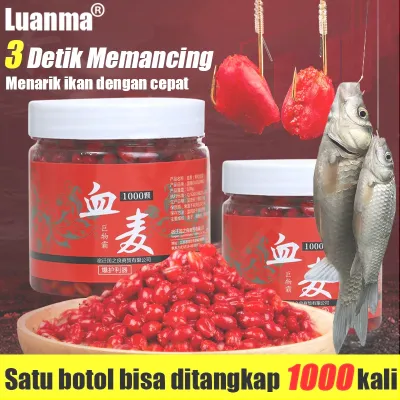


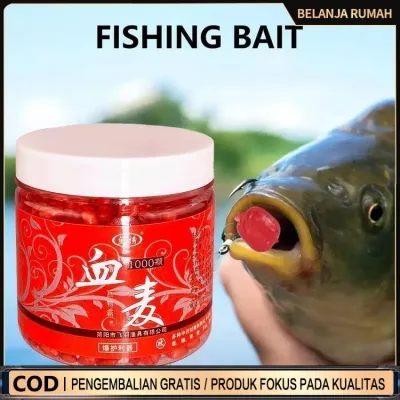
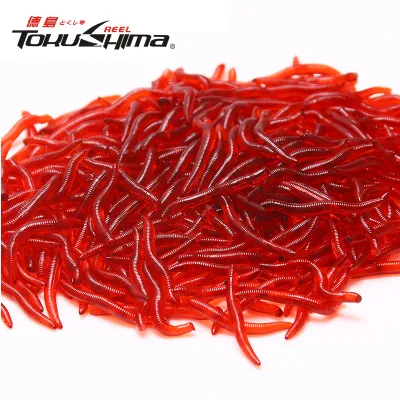


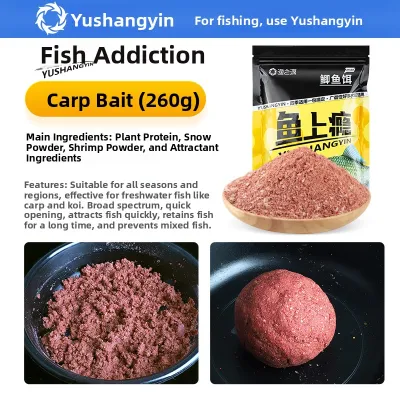
Prices are valid at publication and may change. Please refer to the product page for the latest price.
The key to success lies in matching your bait to the specific habits of the tilapia in your chosen venue. Wild tilapia in rivers and natural lakes feed differently than those raised in commercial aquaculture ponds where they are accustomed to artificial feed pellets. By learning how to prepare and present various bait types—ranging from natural earthworms to homemade dough mixtures—you can significantly increase your catch rate and enjoy a highly productive day on the water.
Understanding Tilapia Feeding Behavior
Tilapia possess an opportunistic feeding nature that allows them to thrive in various aquatic habitats across the Philippines. In the wild, their diet consists primarily of filamentous algae, phytoplankton, organic detritus, and small aquatic invertebrates. This preference for plant-based matter and small organisms means they are highly attracted to baits that mimic these natural food sources or emit strong, sweet, or savory aromas.
Their position in the water column is highly dependent on water temperature and sunlight. During the cooler early morning hours, tilapia often patrol the shallow margins of lakes and ponds, searching for food near submerged vegetation or muddy banks. As the tropical sun heats the upper layers of the water during midday, they typically retreat to deeper, cooler zones or seek shade beneath floating vegetation, such as water hyacinths.
Metabolic activity in tilapia is directly tied to water temperature. In the warm waters of the Philippines, their metabolism remains consistently active, meaning they feed frequently. However, during periods of heavy monsoon rains, sudden drops in water temperature or rapid changes in water chemistry can temporarily slow their feeding activity. Recognizing these shifts helps you determine whether to present your bait near the surface or right along the bottom.
Tilapia are primarily herbivorous and detritivorous in their natural habitats, but they are highly opportunistic and will readily consume animal matter when it is available. Their digestive systems are adapted to process large amounts of plant material, which is why they spend much of their time grazing on algae growing on rocks, bamboo posts, and submerged structures. This natural grazing behavior makes them highly sensitive to organic scents and textures, meaning they will often investigate anything that looks or smells like decomposing plant matter or small aquatic organisms.
Proven Bait Categories for Tilapia
To successfully target tilapia, anglers have developed a wide range of bait options. These can be broadly categorized into live and natural baits, prepared dough baits, and artificial lures. Each category has its own unique advantages, and the best choice often depends on the specific fishing conditions, the type of water body, and the wariness of the fish you are targeting.

Live and Natural Baits
Live baits are incredibly effective because they offer a combination of natural movement, realistic texture, and organic scent that artificial options cannot replicate. Among the most popular live baits in the Philippines are earthworms, particularly African nightcrawlers, which are widely available and highly active. Their constant wriggling on the hook sends vibrations through the water that tilapia can detect from a distance, making them an excellent choice for muddy or stained water.
In addition to earthworms, small freshwater shrimp (hipon) and insect larvae are outstanding natural baits. These are especially effective in wild river systems and natural lakes where tilapia actively hunt for small crustaceans and insects along the muddy bottom. When using small shrimp, hooking them through the tail allows them to swim naturally, which is highly attractive to larger, more predatory tilapia.
Keeping these baits alive and active in the intense tropical heat of the Philippines requires careful handling. Earthworms should be kept in a shaded, well-ventilated container filled with damp soil or coconut coir, and never left in direct sunlight. For shrimp, using a small bait bucket with a battery-powered aerator or keeping them in a shaded container with cool, fresh water will ensure they remain lively throughout your fishing trip. Dead or decaying bait loses its appeal quickly and is far less effective at triggering strikes.
Dough and Prepared Baits
Dough baits are perhaps the most versatile and cost-effective option for tilapia fishing. Because tilapia are highly attracted to starchy, sweet, and aromatic substances, homemade dough mixtures can be incredibly successful. A classic local recipe starts with a base of fine rice bran (darak), which is cheap and widely available in agricultural supply stores. Mixing darak with breadcrumbs, flour, and a small amount of water or condensed milk creates a sweet, doughy paste that tilapia find hard to resist.
Other excellent bases for dough bait include mashed sweet potato (kamote) or boiled cassava. These root crops provide a natural sweetness and a sticky texture that helps the bait stay on the hook. To make the bait even more attractive, many anglers add scent enhancers such as vanilla extract, powdered milk, or even a small spoonful of shrimp paste (bagoong). The strong aroma of these additives creates a scent trail in the water, drawing fish from a wide area, which is particularly useful in muddy or highly turbid waters.
The secret to a great dough bait is achieving the perfect consistency. The dough must be kneaded thoroughly until it is smooth, pliable, and holds its shape when molded into a ball. If the mixture is too dry, it will crumble and fall off the hook during the cast or upon hitting the water. If it is too wet, it will dissolve almost instantly, leaving you with an empty hook. A well-prepared dough ball should remain intact on the hook for at least ten to fifteen minutes, slowly releasing small particles to attract fish.
Artificial Lures and Flies
While tilapia are not traditional predatory fish, they can be caught on artificial lures under the right conditions. This method is highly effective for targeting active, aggressive fish or territorial males during the spawning season. Small inline spinners with shiny blades, micro soft plastic grubs on light jig heads, and tiny feather jigs are all excellent choices. These lures mimic small baitfish or swimming insects, triggering an instinctive strike from hungry or territorial tilapia.
When fishing with artificial lures, presentation is key. Tilapia have relatively small mouths and are generally slow-moving compared to predators like bass or snakeheads. Therefore, a very slow, steady retrieval is usually the most effective technique. Keeping the lure close to the bottom or near submerged structures where tilapia are known to congregate will maximize your chances of a bite. If you notice fish following the lure but not striking, try pausing the retrieval briefly to let the lure sink, which often triggers a reaction strike.
During the spawning season, male tilapia become highly territorial as they guard their circular nests in shallow water. If you can locate these nests in clear water, casting a small, brightly colored soft plastic lure or a nymph fly directly into the nest can provoke an immediate defense response. The fish will often grab the lure not to eat it, but to carry it out of the nest, allowing you to set the hook. This technique requires patience and a stealthy approach to avoid spooking the fish.
Matching Bait to Fishing Conditions
To maximize your success, you must adapt your bait selection to the prevailing environmental conditions. Water clarity is one of the most important factors to consider. In clear water, tilapia rely heavily on their eyesight and can be extremely cautious. Under these conditions, natural-looking baits like live earthworms, small shrimp, or subtle, natural-colored dough baits are best. Avoid using overly bright colors or bulky presentations that might scare the fish.
Conversely, in muddy or highly turbid water—which is common in the Philippines after heavy afternoon rains or during the monsoon season—tilapia must rely on their sense of smell and lateral lines to find food. This is when highly aromatic dough baits, such as those infused with bagoong or vanilla, perform exceptionally well. The strong scent cuts through the murky water, guiding the fish directly to your hook. Active live baits like wriggling earthworms are also highly effective in low-visibility conditions due to the vibrations they produce.
The time of day and light levels also play a significant role in bait selection and presentation. During the low-light hours of early morning and late afternoon, tilapia are more active and willing to feed in shallow water. This is an excellent time to use lighter baits, such as a pinch of bread or a small worm suspended under a light float. During the bright, hot midday hours, when the fish retreat to deeper water or seek shade under heavy cover, switching to a weighted bottom rig with a dense, slow-dissolving dough bait is the best way to reach them.
Additionally, the physical structure of your fishing spot should influence your bait choice. In open, unobstructed waters like commercial fishing ponds, delicate dough baits can be cast freely without fear of snagging. However, if you are fishing in wild rivers or lakes filled with submerged brush, bamboo structures, or heavy weeds, a durable live worm threaded securely onto a weedless hook setup will help you navigate the cover without constantly losing your bait.
Rigging and Presentation Techniques
Proper rigging and presentation are critical to turning nibbles into successful hooksets. Because tilapia have relatively small, bony mouths, using hooks that are too large is a common mistake. For most tilapia fishing in the Philippines, hooks ranging from size 6 to size 10 are ideal. Bait holder hooks, which feature small barbs on the shank, are excellent for keeping live worms in place, while circle hooks are great for ensuring the fish hooks itself in the corner of the mouth when using dough bait.
When rigging dough bait, take a small pinch of the dough and mold it firmly around the hook, completely covering the shank and the bend. It is crucial to leave the very tip of the hook point just barely beneath the surface of the dough. This allows the hook to easily penetrate the bait and set into the fish’s mouth when you pull the rod. For live earthworms, thread the hook through the body multiple times to secure it, leaving a small portion of the tail free to wriggle and attract attention.
The choice between a float rig and a bottom rig depends on where the fish are active. A float rig (using a small bobber) is perfect for suspending bait at a specific depth, keeping it just above submerged weeds or structure where tilapia like to hover. This presentation is highly visual and allows you to see the slightest nibble immediately. If the fish are foraging along the muddy bottom, a simple running sinker rig is highly effective. This setup uses a sliding weight that allows the fish to take the bait and swim away without feeling any resistance, resulting in a much more confident bite.
Frequently Asked Questions (FAQ)
Is bread a good bait for tilapia?
Yes, ordinary white bread is an exceptionally cheap and highly effective bait for tilapia, particularly in stocked ponds, public parks, or urban waterways where the fish are accustomed to human presence and supplemental feeding. However, bread has high buoyancy and tends to dissolve or fall off the hook very quickly when exposed to water currents or small nibbling fish. To improve hook retention, pinch a small piece of bread tightly around the shank of the hook, leaving the hook point exposed, or roll the bread into a dense, compressed ball before threading it onto the hook. This compressed ball will sink slowly and resist dissolving, giving larger tilapia more time to find and swallow it.
What hook size is best for tilapia bait?
The best hook sizes for tilapia generally range from size 6 to size 10. Tilapia have small mouths relative to their body size, so using a hook that is too large will prevent them from taking the bait fully, leading to missed strikes. When using small live baits like earthworms or tiny shrimp, a size 8 or 10 bait holder hook works perfectly. If you are molding larger dough balls or targeting exceptionally large tilapia in open water, a size 6 hook provides the necessary strength and holding power without being overly conspicuous.
Does the color of the bait matter for tilapia?
Yes, bait color can play a significant role depending on water clarity and light conditions. In muddy, stained, or deep water, high-visibility colors like bright yellow, orange, or chartreuse help tilapia locate the bait visually. In contrast, when fishing in very clear water or highly pressured areas where the fish are cautious, natural tones like brown, dark green, or dark red are much more effective, as bright colors can startle or deter wary fish.

Community discussion
Share your experience or ask a question. Comments are reviewed before publication.