
Integrating a foam roller into your home yoga space is one of the most effective ways to deepen your stretches, improve joint mobility, and accelerate muscle recovery. In the Philippines, where humid weather and active lifestyles shape our wellness routines, choosing the right roller exercise equipment depends heavily on your primary yoga practice. For most practitioners, a medium-density ethylene-vinyl acetate (EVA) foam roller offers the ideal balance of comfort, durability, and resistance to tropical moisture.
If your practice leans toward gentle restorative flows, a softer, low-density roller provides supportive alignment without overstimulating sensitive tissues. Conversely, dynamic Vinyasa or Ashtanga practitioners will benefit more from a firm, high-density, or textured roller designed to target deep fascial restrictions. By matching the roller’s density, length, and material to your specific yoga style, you can create a highly functional, well-rounded home studio setup that supports both active performance and deep, restorative healing.
Why Integrate a Foam Roller Into Your Yoga Routine?
Yoga is celebrated for its ability to improve flexibility, balance, and mental focus, but static stretching alone sometimes falls short of addressing deep-seated muscular tension. This is where incorporating a foam roller into your home workout space bridges the gap. While a standard yoga mat provides a stable surface for balance and alignment, it cannot actively massage or release tight muscle fibers. By adding a foam roller to your collection, you introduce the practice of self-myofascial release (SMR). This technique applies targeted pressure to the fascia—the connective tissue wrapping around your muscles—to break up adhesions, release stubborn knots, and restore natural movement patterns that static poses cannot easily reach.
Products mentioned in this guide
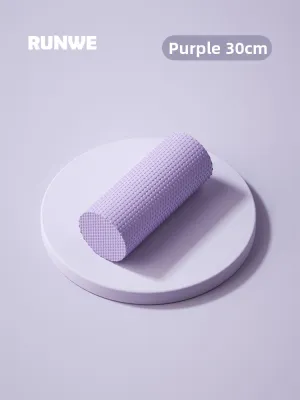
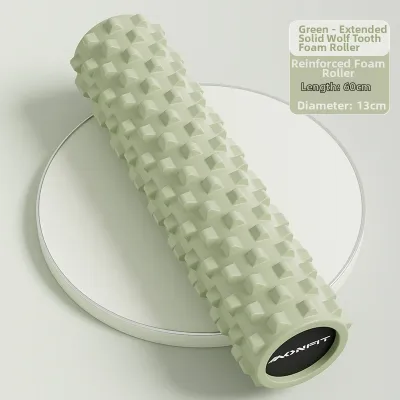

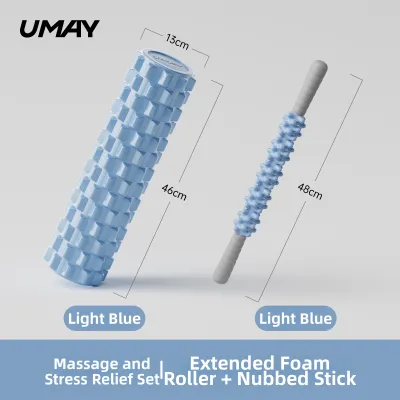
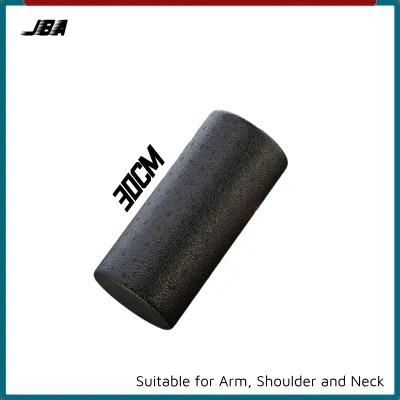
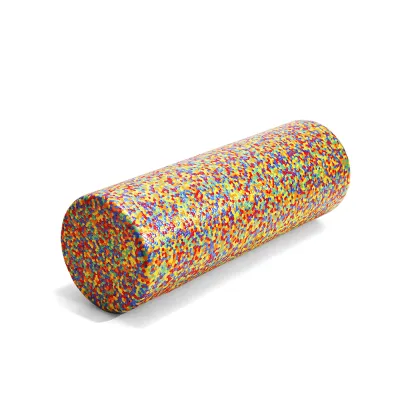
Prices are valid at publication and may change. Please refer to the product page for the latest price.
Using roller exercise equipment before stepping onto your yoga mat acts as an excellent dynamic warm-up. Rolling your major muscle groups—such as your calves, quadriceps, and upper back—increases localized blood circulation and elevates tissue temperature. This physiological preparation makes your muscles more pliable, allowing you to sink deeper into challenging poses like Downward-Facing Dog or Pigeon Pose with a significantly reduced risk of strain. Additionally, SMR helps stimulate joint receptors and improves overall range of motion, ensuring your body moves fluidly through transitions and maintains proper alignment during demanding sequences.
The benefits are equally powerful during your post-practice recovery phase. Dynamic yoga styles, such as Power Yoga or hot Vinyasa, can lead to delayed onset muscle soreness (DOMS) as your muscles adapt to strengthening and balancing challenges. Rolling after a session helps flush out metabolic waste products, reduces muscle inflammation, and accelerates tissue repair. This soothing routine calms the nervous system, shifting your body from an active state into a parasympathetic, restorative state. By combining the lengthening benefits of yoga with the deep-tissue release of a foam roller, you create a comprehensive wellness routine that protects your joints and keeps your body resilient.
Key Dimensions for Choosing Roller Exercise Equipment
Selecting the perfect foam roller requires looking past basic aesthetic designs and understanding the physical specifications that impact its performance. When browsing options for your home studio, you must evaluate three core structural dimensions: density, length, and surface texture.

Density and Firmness The density of a foam roller dictates how much it compresses under your body weight and how deeply it penetrates your muscle tissue. Foam rollers generally fall into three density categories: soft, medium, and firm. If you are new to self-myofascial release or have highly sensitive muscles, a softer roller is essential. It cushions your weight and allows your nervous system to relax rather than tense up in response to pain. Medium-density options provide a versatile middle ground, offering enough structural resistance to knead out moderate tension while remaining comfortable for daily use. Firm, high-density rollers are designed for deep tissue penetration, making them highly effective for breaking down dense fascial sheets but requiring a higher pain tolerance and careful technique to avoid bruising.
Length and Diameter Foam rollers are widely available in lengths ranging from 12 inches to 36 inches, with a standard diameter of 6 inches. A full-length, 36-inch roller is the most versatile option for home yoga practices. Its generous length allows you to lie down along the roller vertically, supporting your entire spine from head to tailbone—a position highly beneficial for chest-opening poses and spinal alignment exercises. In contrast, compact rollers measuring 12 to 18 inches are highly portable and excellent for targeting specific limbs, such as the calves, IT bands, or forearms. While shorter rollers save floor space in compact urban apartments, they cannot support full-body vertical alignment exercises.
Surface Texture The exterior texture of the roller determines how pressure is distributed across your body. Smooth foam rollers distribute weight evenly across a broad surface area, offering a gentle, uniform massage that is ideal for sensitive areas and general recovery. Textured rollers, which feature molded grids, ridges, or knobbed patterns, are designed to mimic the hands and fingers of a massage therapist. The raised sections dig into specific trigger points with high intensity, while the recessed channels allow blood and oxygen to flow freely through the compressed tissues. For general yoga integration, a smooth or gently gridded surface is highly recommended, whereas highly aggressive, spiked patterns are best reserved for targeted athletic therapy.
Recommended Foam Roller Types by Yoga Style and Goal
To get the most out of your roller exercise equipment, it is highly beneficial to align the roller’s physical characteristics with your preferred style of yoga. Different practices place distinct demands on your body, and matching your equipment ensures your recovery tools complement, rather than hinder, your wellness goals.
Soft and Low-Density Rollers for Restorative Practice
Restorative and Yin yoga focus on passive stretching, long holds, and deep relaxation to stimulate the parasympathetic nervous system. For these gentle practices, a soft, low-density foam roller is an invaluable prop. These rollers are typically made from open-cell foam or highly compressible EVA, providing a cushioned, yielding surface that molds gently to your body’s contours.
During a restorative session, you can use a soft roller as a supportive bolster beneath your knees in Savasana to relieve lower back pressure, or place it horizontally under your shoulder blades for a mild, passive chest opener. The primary benefit of a low-density roller is its ability to support your body weight without triggering defensive muscle guarding or discomfort, making it exceptionally safe for beginners, seniors, or individuals recovering from minor injuries.
However, these soft rollers do have structural limitations. Because the material compresses easily, it lacks the rigidity required to perform deep, targeted myofascial release on large, dense muscle groups like the quadriceps or glutes. Over time and with heavy use, low-density rollers may also lose their perfectly cylindrical shape, requiring more frequent replacement than their high-density counterparts.
Medium-Density Rollers for General Flexibility
For practitioners of Hatha, Vinyasa, or general alignment-based yoga, a medium-density foam roller represents the ultimate all-around tool. These rollers strike a perfect balance, offering enough structural integrity to hold their shape under full body weight while retaining just enough surface give to prevent sharp pain or bruising during use.
A medium-density roller is incredibly versatile for daily home practices. You can use it before a Hatha session to roll out your hamstrings and calves, immediately improving your hamstring flexibility for forward folds. During your practice, it can serve as a lightweight block to assist with balance, or as a tool to challenge your core stability when placed under your hands during plank variations.
This category is highly recommended if you share your home yoga space with family members of varying fitness levels. It is gentle enough for those seeking light tension relief, yet firm enough to provide effective muscle compression for active individuals. Its balanced construction ensures a comfortable SMR experience across major muscle groups without requiring a long, painful adaptation period.
Firm and Textured Rollers for Deep Tissue and Vinyasa Prep
Dynamic, physically demanding styles like Power Yoga, Ashtanga, and hot Vinyasa require significant muscular endurance, strength, and explosive power. Practitioners of these styles often develop dense, stubborn fascial restrictions and localized trigger points that require a more robust recovery tool. A firm, textured foam roller is specifically engineered to meet these intense physical demands.
These advanced rollers are constructed from dense, closed-cell materials like expanded polypropylene (EPP) or feature a rigid hollow core wrapped in firm EVA foam. The textured surface—often consisting of alternating flat zones and raised ridges—allows you to apply concentrated, high-intensity pressure to deep muscle layers. Using this roller before an intense flow helps release tight IT bands, stubborn glute knots, and stiff calves, ensuring your joints can move through their full, unrestricted range of motion.
While highly effective, firm and textured rollers carry safety considerations that must not be ignored. The intense, localized pressure can easily cause bruising, muscle inflammation, or nerve compression if used incorrectly or with excessive force. Beginners should avoid starting their SMR journey with an ultra-firm textured roller. When using these advanced tools, always start with partial body weight support—using your hands and opposite foot to deload pressure—and stop immediately if you experience sharp, radiating pain.
Essential Checks Before Buying Roller Exercise Equipment Online
Purchasing yoga accessories and roller exercise equipment online in the Philippines requires a careful, discerning approach. E-commerce platforms are filled with visually appealing options, but relying solely on product photos can lead to receiving low-quality, easily deformed items. To ensure you invest in a durable, safe, and effective tool, perform these essential verification steps before placing your order.
Material Verification Always read the technical specifications in the product description to identify the specific foam material used. Look for ethylene-vinyl acetate (EVA) or expanded polypropylene (EPP). EVA is highly recommended for home yoga spaces because it is water-resistant, shock-absorbing, and retains its shape exceptionally well over years of use. It is also easy to clean, which is crucial in the humid, tropical climate of the Philippines where sweat and moisture can quickly lead to bacterial growth. EPP is a lightweight, highly rigid, and eco-friendly plastic foam that offers maximum firmness but lacks the pleasant, rubbery grip of EVA. Avoid listings that simply state “foam” without specifying the compound, as these are often cheap polyurethane foams that flatten permanently after just a few weeks of use.
Review Analysis Customer reviews provide invaluable real-world insights into a product’s true quality and longevity. When reading reviews, look past the initial star rating and search for specific feedback regarding material durability and user experience. Check if buyers complain about a strong, chemical off-gassing odor upon unboxing, which indicates low-grade manufacturing materials. Pay close attention to reviews mentioning structural deformation, surface peeling, or cracking after a few months of regular use. If multiple reviews note that the roller warped or flattened under moderate body weight, it is a clear sign to look for a higher-quality alternative.
Dimension Confirmation Product listings on online marketplaces frequently use misleading terminology, labeling 12-inch rollers as “large” or “extra-long.” To avoid disappointment, ignore the descriptive adjectives in the title and manually verify the exact numerical measurements listed in the specifications section. Ensure the length (typically 12, 18, 24, or 36 inches) and diameter (usually 6 inches) align with your intended yoga exercises and home storage space. If you plan to perform full-spine alignment and chest-opening exercises, double-check that you are purchasing a true 36-inch (approx. 90 cm) roller.
Red Flags to Avoid Be highly skeptical of listings that make unverified medical claims, such as promising to “cure chronic sciatica,” “realign herniated discs,” or “permanently eliminate joint arthritis.” Foam rollers are excellent tools for temporary muscle relief and flexibility support, but they are not medical devices. Additionally, avoid sellers that fail to provide basic material details, safety warnings, or clear dimensions, as these listings often represent low-quality, unbranded items that may contain harmful chemical additives or fail prematurely under normal use.
Safe Rolling Techniques and Equipment Maintenance
To enjoy the full benefits of your foam roller without risking injury, practicing proper technique and maintaining your equipment are paramount. Because SMR involves applying significant pressure to your body, understanding anatomical boundaries and hygiene practices ensures a safe, long-lasting addition to your yoga routine.
Anatomical Boundaries While foam rolling is highly beneficial for large muscle groups, there are several sensitive anatomical areas you must strictly avoid rolling directly. Never roll your lower back (lumbar spine) or neck (cervical spine). Rolling these areas can put excessive pressure on your vertebrae, potentially causing spinal misalignment, muscle spasms, or disc injuries. Instead, use gentle yoga poses like Cat-Cow or Child’s Pose to mobilize these areas. Additionally, avoid rolling directly over bony joints—such as your knees, elbows, and hips—as well as highly sensitive areas like the groin or armpits, to prevent nerve compression and joint inflammation. Focus your rolling efforts strictly on the soft, fleshy muscle bellies of your calves, thighs, glutes, and upper back.
Usage Limits More is not always better when it comes to self-myofascial release. Limit your rolling time to 1 to 2 minutes per muscle group, spending no more than 10 to 15 minutes on a full-body session. Applying continuous, heavy pressure to a single muscle for too long can irritate the tissue, cause bruising, and trigger localized inflammation, which defeats the purpose of recovery. Keep the roller moving slowly—about one inch per second—and when you find a tender trigger point, pause and hold static pressure for 20 to 30 seconds while taking deep, slow diaphragmatic breaths to allow the muscle to release.
Cleaning and Hygiene In the warm and humid climate of the Philippines, sweat, body oils, and environmental dust can quickly accumulate on your roller’s surface, creating a breeding ground for bacteria and unpleasant odors. To keep your equipment hygienic, establish a regular cleaning routine. After every few sessions, wipe down your foam roller with a soft cloth dampened in a mild soap and warm water solution. Avoid using harsh chemical solvents, bleach, or abrasive scrubbing pads, as these can degrade the foam material and cause the surface to peel. Always allow your roller to air dry completely in a well-ventilated, shaded indoor area before storing it; never expose it to direct, harsh sunlight, which can warp the foam and cause it to become brittle.
Proper Storage To preserve the structural integrity of your foam roller, store it either flat on its side or standing upright on a clean, level surface. Avoid leaving heavy objects resting on top of the roller when it is not in use, as prolonged, concentrated weight can cause permanent flat spots or warp its cylindrical shape. Keep your roller away from direct heat sources, such as sunny windows, air conditioning exhaust vents, or hot appliances, to ensure the foam retains its original density and shape for years to come.
Frequently Asked Questions (FAQ)
Can I use a foam roller every day before my yoga practice?
Yes, using a foam roller daily before your yoga practice is generally safe and highly beneficial, provided you use light to moderate pressure. A brief, 5-to-10-minute pre-practice rolling session helps increase blood flow, raise muscle temperature, and improve joint mobility, making it easier to transition smoothly between poses. Keep pre-yoga rolling light and dynamic, focusing on general muscle groups rather than intense, painful trigger point therapy. Save the deep, high-intensity rolling sessions for after your practice or as a separate recovery routine to allow your muscles to heal and adapt without fatigue.
Is a longer foam roller better for yoga than a shorter one?
A longer foam roller (typically 36 inches) is generally better and more versatile for a home yoga practice. Its long surface allows you to lie down vertically along the roller, supporting your entire spine from your head to your sacrum, which is excellent for chest-opening poses, gentle spinal traction, and core stability exercises. However, if you have limited storage space in a compact home studio or primarily want a tool for targeted limb work—such as rolling out your calves, IT bands, or quadriceps—a shorter roller (12 to 18 inches) is highly efficient, easier to store, and highly portable.

Community discussion
Share your experience or ask a question. Comments are reviewed before publication.