
To elevate your close-control skills on the pitch, you must master the micro-touches that occur in tight spaces. While training with a standard size 5 football is indispensable, many elite players use a specialized, compact tool to accelerate their coordination: the foot sack. Also known as a footbag, this small, weighted bag is an exceptional training aid designed specifically for juggling, stalling, and micro-touch drills. By integrating this compact tool into your regular routine, you force your body to adapt to a much higher level of precision than a standard ball demands.
The core benefits of training with a foot sack stem from its demanding physical requirements. Because the target area is incredibly small, your brain and muscles must work in perfect synchronization. This repetitive micro-adjustment rapidly improves ankle flexibility, allowing you to manipulate your foot shape instantly to cushion a ball. Additionally, it enhances your peripheral vision; since you cannot easily track a tiny bag with your direct gaze, you learn to rely on your lower-vision field, which helps you keep your head up during a real match.
Furthermore, this tool is highly effective for refining your first touch and developing fast-twitch muscle coordination. When a standard football travels toward you, a stiff foot will cause it to bounce away. A foot sack teaches you the art of absorbing the impact. Because the bag has minimal rebound compared to an inflated rubber bladder, you must actively cushion its descent by dropping your foot slightly upon contact. This mechanical habit builds the exact muscle memory required to deaden a high-velocity pass on the pitch.
Products mentioned in this guide
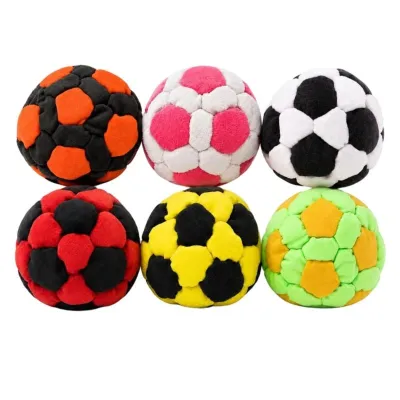
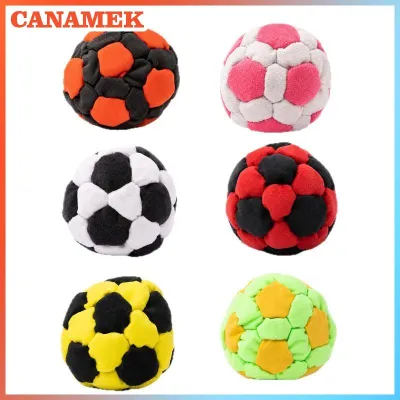
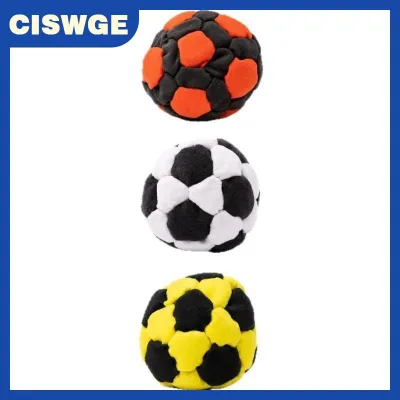
Prices are valid at publication and may change. Please refer to the product page for the latest price.
Contrasting a foot sack with a standard size 5 football highlights why this training method is so powerful. A standard football has a large surface area, meaning even an off-center strike can keep the ball moving in your general direction. In contrast, a foot sack has a diameter of only a few inches and a concentrated weight distribution. If your contact is off by even a millimeter, the bag will fly wide or drop immediately. By mastering the coordination required to keep this tiny, shifting object in the air, a standard football will feel significantly larger, slower, and much easier to control when you return to regular match play.
This guide is designed to help players in the Philippines navigate the process of selecting the right foot sack for their specific training needs, taking into account local climate challenges, material durability, and availability. Whether you are a youth player looking to build basic coordination or an experienced midfielder aiming to sharpen your close-control skills, choosing the appropriate equipment is the first step toward transforming your touch on the pitch.
How to Choose the Right Foot Sack for Your Training Needs
Choosing the right training gear requires looking closely at specifications rather than relying on visual appeal. For football players, a footbag is not a toy; it is a piece of high-repetition training equipment. To find a model that will actively improve your skills and withstand the demands of intense training sessions, you must evaluate four primary dimensions: material, filling, construction, and stitching.
Material and Climate Suitability
The material of your footbag dictates both its tactile feedback and its lifespan. In the tropical and highly humid climate of the Philippines, weather resistance is a critical factor.
- Genuine Leather: Offers the absolute best touch and grip, molding to the shape of your feet over time. However, it is highly susceptible to moisture. If you train outdoors in humid conditions or on damp grass, leather can absorb sweat and water, causing it to rot, stiffen, or develop mold if not dried and conditioned meticulously.
- Synthetic Leather (PU/Microfiber): Represents an excellent middle ground. High-quality polyurethane (PU) mimics the soft texture of genuine leather while resisting moisture, sweat, and mold. It remains consistent in weight even when exposed to humid air and is easy to clean after an outdoor session.
- Nylon and Canvas: Incredibly durable and highly resistant to abrasion, making them suitable for rough concrete surfaces. While they do not offer the premium touch of leather, they are virtually immune to moisture damage and are easy to wash.
Filling and Weight Distribution
The substance inside the bag determines how it reacts when it hits your foot.
- Sand Filling: The gold standard for football control training. Because sand shifts fluidly inside the cover, it absorbs the kinetic energy of the impact, allowing the bag to "stall" or sit flat on your laces without bouncing off. This dense, dead-weight response closely mimics the physical sensation of cushioning a heavy, fast-moving football.
- Plastic Beads and Metal Pellets: Provide a lighter, much bouncier response. While durable and waterproof, they do not settle easily on the foot. If your primary goal is to practice consecutive keepy-uppies, a bead-filled bag is acceptable, but it will make learning advanced stalling techniques significantly more difficult.
Size and Panel Construction
The physical dimensions and panel layout of the bag dictate its aerodynamics and how predictably it rolls off your foot.
- Size: Most training bags have a standard diameter of 2 to 2.5 inches (approximately 5 to 6.3 centimeters). This size is small enough to demand extreme precision but large enough to be struck cleanly.
- Panel Construction: The number of panels determines how close the bag is to a perfect sphere. A basic 4-panel bag is boxier and has flat faces, which can be useful for beginners learning to stall. However, for continuous juggling and realistic rolling, multi-panel designs (ranging from 8-panel to 32-panel layouts) are far superior, maintaining a consistent, round shape in flight.
Stitching and Durability
Because a training session involves hundreds of high-impact kicks, the seams of the bag are its primary point of failure. Look for bags that feature reinforced, double-stitched seams, preferably using heavy-duty nylon thread. If the stitching is loose or single-layered, the friction from your shoes and the ground will quickly fray the threads, causing the filling to leak out. Inspecting the seam quality is particularly important if you plan to train on hard outdoor surfaces like concrete courts or barangay plazas.
Top Foot Sack Categories for Football Players
To help you identify the best option for your routine, we can break down the market into three distinct categories based on construction, materials, and training objectives. Rather than focusing on volatile brand listings, look for these specific categories when evaluating your options.

Sand-Filled Leather Footbags for Advanced Touch
- Target Audience: Intermediate to advanced football players focusing on micro-control and stalling.
- Why it works: The combination of genuine leather panels and a dense, fine-sand filling creates a bag that practically "sticks" to your foot. When dropped, the sand shifts instantly to absorb downward momentum, making it incredibly easy to catch and balance on your laces. The leather exterior provides a natural, high-friction grip against your shoes, preventing the bag from slipping off during transitions.
- Limitations & Care: These bags require high maintenance. Any compromise in the seams will result in sand leaking. Genuine leather must be kept away from excessive moisture; if you train on damp grass, the leather will absorb water and dry stiffly. Store in a dry, ventilated environment and occasionally treat with leather conditioner.
Synthetic Multi-Panel Footbags for All-Weather Durability
- Target Audience: Active players who train outdoors frequently or in varied weather conditions.
- Why it works: Built from advanced synthetic materials like polyurethane (PU) or heavy-duty synthetic suede, these bags are designed to withstand the elements. They typically feature 12 to 32 panels, providing a highly spherical shape that mimics a miniature football. The synthetic cover does not absorb sweat or rain, meaning the bag maintains its exact weight regardless of the weather.
- Limitations & Care: While synthetic suede mimics the feel of genuine leather, cheaper synthetic plastics can feel stiff and slick straight out of the box, requiring a break-in period. Additionally, because synthetic materials do not stretch like natural leather, any extreme pressure on the seams can cause them to pop, so verify that the bag uses high-tensile nylon thread.
Soft-Touch Beginner Footbags for Coordination Building
- Target Audience: Youth players or beginners just starting their juggling and coordination journey.
- Why it works: These bags are usually constructed from soft, knitted cotton, crocheted yarn, or plush synthetic fabrics, and are filled with lightweight plastic beads. The soft-touch exterior prevents bruising and fatigue, encouraging longer practice sessions. The lighter weight allows for slower flight times, giving beginners more time to react and coordinate their movements.
- Limitations & Care: Because these bags are light and filled with bouncy beads, they are highly unsuitable for stalling or advanced control work. Crocheted or knitted covers are also highly susceptible to snagging on velcro, shoe eyelets, or rough concrete, which can quickly unravel the fabric.
Buying Guide: Finding the Best Options in the Philippines
Acquiring a high-quality footbag in the Philippines requires some careful searching, as these specialized training tools are often grouped together with cheap toys or novelty items. To ensure you purchase an effective piece of training gear, follow this practical buying guide.
Navigating Online Marketplaces
E-commerce platforms are the most convenient way to find a wide variety of footbags, but you must filter your searches carefully. Instead of searching for generic terms like “hacky sack,” which will return cheap, loosely knit toy bags, use precise terms such as “sand-filled footbag,” “leather foot sack,” “professional 8-panel footbag,” or “football touch training ball.” Avoid novelty items. Many listings feature extremely cheap, brightly colored crocheted bags filled with large plastic beads. These are designed for casual beach games, not athletic training. They lack the weight, durability, and density required to improve your football touch and will likely break after a few intense sessions.
Visiting Local Sporting Goods Retailers
If you prefer to inspect your gear physically before buying, visit dedicated football specialty shops or large sporting goods chains in major metropolitan areas like Metro Manila, Cebu, or Davao. When holding a footbag in person, squeeze it to check the filling density. A good training bag should feel solid but pliable, with no empty space inside the cover. Shake the bag gently near your ear; if you hear loose, rattling plastic beads, it will likely be too bouncy for stalling. Run your fingers along the seams. Ensure the stitching is tight, recessed below the surface of the material to protect it from friction, and that there are no loose threads or tiny gaps where sand could escape.
The Football Trainer's Verification Checklist
Before completing your purchase, verify that the product meets these specific athletic standards:
- Filling Material: Explicitly confirmed as sand, metal pellets, or a high-density micro-bead mix. Avoid standard plastic bead fillings if you want to practice stalling.
- Weight: The ideal weight for football training is between 50 grams and 70 grams. Anything lighter than 45 grams will drift in the wind and fail to build muscle memory, while anything heavier than 75 grams can cause joint fatigue during long sessions.
- Seller Reviews: Look for reviews specifically written by football players, athletes, or coaches. Pay attention to comments regarding seam durability, sand leakage, and how long the bag took to break in.
Budget Expectations in the Local Market
To help you plan your purchase, here is what you can expect to pay for different quality tiers in the Philippines:
- Entry-Level (₱150 to ₱350): Typically crocheted or basic synthetic 4-panel bags filled with plastic beads. Good for casual coordination play and young children, but lacks durability and stalling capability.
- Mid-Range (₱400 to ₱900): High-quality synthetic leather or synthetic suede bags, often featuring 8 to 12 panels and filled with sand or heavy micro-beads. These offer excellent durability, a good weight, and are perfect for serious daily football training.
- Premium (₱1,000 to ₱2,500+): Professional-grade genuine leather or specialized multi-panel (up to 32 panels) bags filled with ultra-fine sand or metal pellet mixtures. These are imported specialty items that offer the absolute best touch and stalling performance for competitive athletes.
Effective Foot Sack Drills to Master Your First Touch
Once you have selected the appropriate footbag, the key to rapid improvement is consistent, structured practice. These four low-risk drills are designed to translate your footbag training directly into elite ball control on the football pitch.
Drill 1: The Alternating Stall
This drill is the foundation of “soft touch” development. It teaches your feet to absorb momentum completely, a skill that is vital for trapping high, dropping footballs. Stand with your feet shoulder-width apart, knees slightly bent, and your body relaxed. Hold the footbag in your hand, drop it from chest height, and attempt to catch or “stall” it on the laces of your dominant foot. To cushion the impact, you must lock your ankle but drop your foot slightly downward at the exact moment the bag makes contact. Think of your foot as an elevator catching a passenger, rather than a solid brick wall. Once the bag is balanced and stationary on your foot, gently toss it back up with a slight lift of your leg, and attempt to stall it on your non-dominant foot. Aim to perform 10 consecutive controlled stalls (5 on each foot) without the bag falling to the ground.
Drill 2: Micro-Juggling (Keepy-Uppy)
Micro-juggling builds the fast-twitch muscle fibers in your calves and ankles, improving your reaction time and coordination in tight midfield spaces. Keep the footbag in the air using only your toes and laces. Keep your kicks low—ideally no higher than your knees. This forces you to make rapid, micro-adjustments to your foot positioning. Avoid using your thighs or chest for this drill; focus entirely on quick, controlled taps with the lower foot. Keep your ankle slightly loose during the strike but firm enough to direct the bag straight upward. In a real game, you rarely have time for slow, sweeping leg movements. This drill trains your feet to react instantly to erratic deflections, allowing you to keep possession under heavy defensive pressure.
Drill 3: Thigh and Chest Control Integration
This drill bridges the gap between micro-touch training and full-body match control. Toss the footbag high into the air, above head height. As it descends, cushion it first with your chest or thigh, allowing it to drop cleanly down toward your foot. Because the bag is incredibly small, you must position your body with absolute precision. If your chest angle is off by even a few degrees, the bag will bounce out of reach. Once the bag drops from your chest or thigh, finish the sequence by stalling it cleanly on your laces. Start by throwing the bag to yourself, then progress to having a partner throw it to you from different angles and speeds.
Drill 4: Safety and Environmental Awareness
While footbag training is a low-impact activity, maintaining proper safety protocols prevents unnecessary injuries and ensures optimal skill development. Always train on a flat, clear surface free of debris, loose stones, or wet patches. An uneven surface increases the risk of rolling your ankle when you step quickly to save a dropping bag.
For the most realistic transfer of skills, train in the shoes you actually play in. If you are training indoors or on concrete, wear flat-soled futsal shoes or turf trainers. Avoid running shoes with thick, heavily cushioned soles, as they absorb too much tactile feedback and make it difficult to feel the exact point of contact. If you experience sharp pain in your ankles, shins, or knees, stop immediately. The repetitive, rapid movements of footbag training can strain unconditioned muscles, so start with short 15-minute sessions and gradually increase your training duration.
Frequently Asked Questions (FAQ)
Can I use a regular toy hacky sack for football training?
While you can technically kick any small bag, regular toy hacky sacks are highly inefficient for football training. Toy-grade bags are typically hand-crocheted with loose yarn and filled with lightweight plastic beads. This construction makes them extremely light, highly bouncy, and aerodynamically unstable. They do not allow for consistent stalling, and their light weight fails to stimulate the fast-twitch muscle memory needed to handle a heavy, size 5 football. For athletic development, you should invest in a dedicated, sand-filled synthetic or genuine leather training footbag that weighs at least 50 grams.
How do I maintain a leather foot sack in a humid climate?
Maintaining a leather footbag in the hot, humid climate of the Philippines requires simple but consistent care to prevent mold, rot, and cracking. After every session, wipe the bag down with a clean, dry microfiber cloth to remove sweat, dirt, and grass oils. Never leave a damp leather bag inside a closed gym bag or plastic locker. Air-dry it in a shaded, well-ventilated indoor space. Avoid placing it in direct sunlight, as extreme heat will dry out the natural oils in the leather, causing it to stiffen and crack. Every few months, apply a tiny drop of specialized leather conditioner or mink oil to the panels, buffing it gently with a soft cloth. This keeps the leather supple and creates a mild water-resistant barrier.
What is the ideal weight for a football training footbag?
The ideal weight for a football training footbag ranges between 50 grams and 70 grams. This specific weight range provides enough physical resistance to mimic the heavy feel of a standard football, helping to build genuine muscle memory and strength in your ankles and feet. A bag within this range is also heavy enough to resist moderate outdoor breezes, allowing you to train on open fields or outdoor courts without the wind constantly disrupting your drills. Avoid bags lighter than 45 grams, as they will float excessively, and bags heavier than 75 grams, which can cause joint strain during high-repetition training.

Community discussion
Share your experience or ask a question. Comments are reviewed before publication.