
Starting your fitness journey with gymnastic rings is one of the most effective ways to build upper-body strength, core stability, and body awareness. For beginners in the Philippines, finding the right gymnastic rings—often referred to as gymnast rings—requires balancing grip comfort, durability, and resistance to the local tropical climate. The ideal choice depends heavily on where you plan to train, whether in a humid outdoor garage, a well-ventilated indoor home gym, or a local fitness park.
To make an informed decision, you must evaluate the ring material, strap security, and buckle reliability. While advanced athletes might look for highly specialized competition gear, beginners need a forgiving grip, straightforward adjustment markings, and robust safety features that build confidence during foundational movements like support holds, rows, and assisted dips. By understanding how different materials and specifications perform under local conditions, you can select a setup that ensures safety and longevity.
Assessing Your Training Environment and Skill Level
Before purchasing your first set of gymnast rings, you must evaluate your training space to ensure a safe setup. Gymnastic rings require a secure overhead mounting point that can support your full body weight plus the dynamic forces generated during movement. Excellent mounting options include heavy-duty indoor pull-up bars, exposed structural ceiling beams, sturdy outdoor swing sets, or dedicated fitness rigs. Avoid mounting rings to non-structural fixtures, thin door-frame bars, or tree branches without verifying their load-bearing capacity.
Products mentioned in this guide
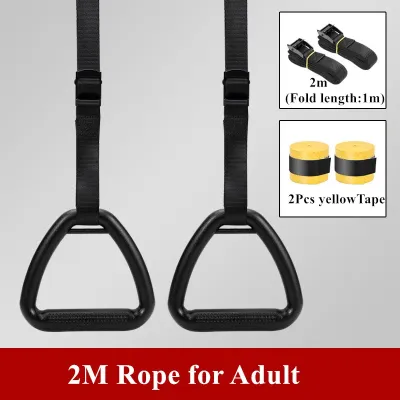
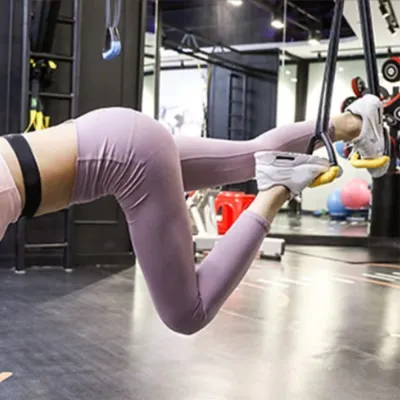
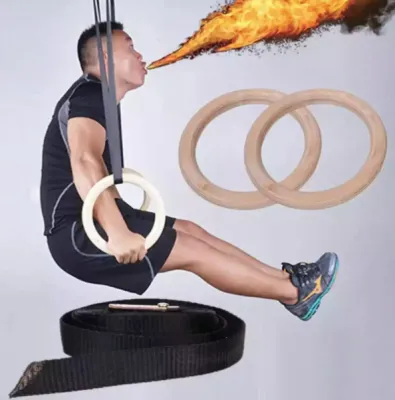
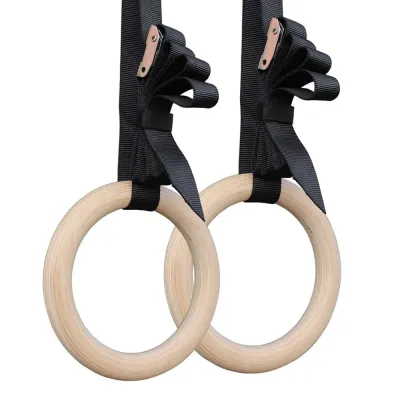
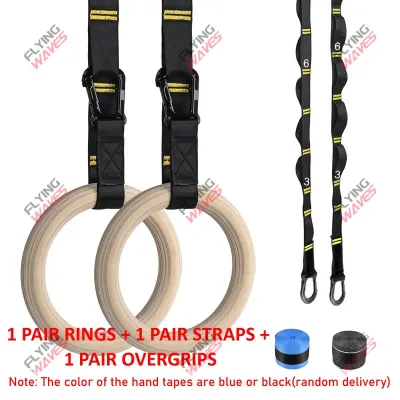
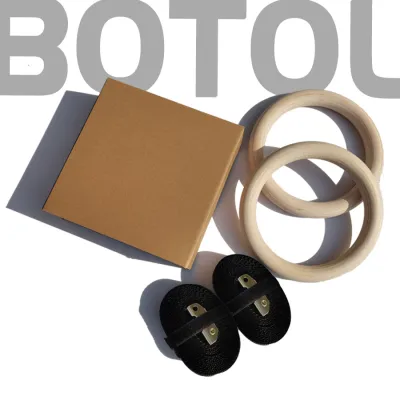
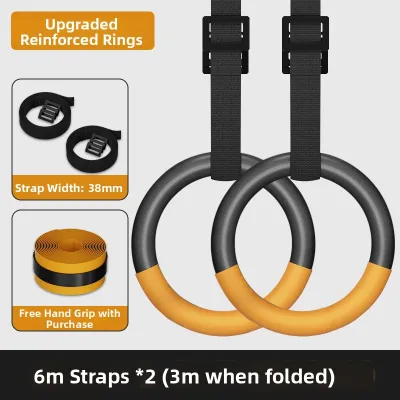
Prices are valid at publication and may change. Please refer to the product page for the latest price.
Clearance is another critical factor that beginners often overlook. You need enough vertical space to hang the straps and adjust them for both high exercises, such as pull-ups, and low exercises, such as push-ups. Ideally, aim for a mounting height of at least 2.5 to 3 meters from the floor. Lateral clearance is equally important; ensure you have at least one meter of open space in every direction around the rings to prevent your body from colliding with walls or furniture during dynamic movements.
Your current fitness baseline and joint conditioning should also guide your initial equipment choices. Training on an unstable surface like suspended rings is significantly more demanding on your stabilizer muscles and joints than training on fixed bars. Because of this instability, beginners should start with standard-sized rings that offer a comfortable, secure hold. Specialized competition rings or ultra-thin variations can place unnecessary stress on unconditioned wrists and forearms, making it harder to maintain proper form during basic exercises.
Finally, consider whether your training will take place primarily indoors or outdoors. The tropical climate of the Philippines brings high humidity, intense heat, and sudden heavy downpours, all of which can rapidly degrade fitness equipment. If you plan to leave your rings set up permanently in an outdoor area, such as a backyard or an open patio, you will need materials that can withstand moisture without warping. Conversely, if you train in an air-conditioned room or are willing to pack up your gear after every session, you can prioritize materials optimized for comfort and grip.
Key Features to Evaluate in Gymnastic Rings
When shopping for gymnast rings, the straps and buckles are just as important as the rings themselves, as they are the primary safety components holding you off the ground. High-quality straps are typically made from heavy-duty nylon webbing, which offers excellent tensile strength and resistance to stretching. For beginners, look for straps that are at least 1.5 inches (about 38mm) wide, as wider straps distribute weight more evenly and feel more stable against your forearms during exercises like dips. Ensure the strap length is sufficient for your mounting point; a standard length of 15 feet (about 4.5 meters) is highly versatile for most home and outdoor setups.

Another highly recommended feature for beginners is clearly numbered or marked straps. Adjusting both rings to the exact same height can be incredibly tedious and frustrating without visual guides. Straps with woven-in distance measurements or numbered increments allow you to quickly and accurately level your rings, saving time and ensuring your body is loaded symmetrically during training. Avoid straps with printed markings that can rub off over time due to friction against the buckles.
The buckle mechanism is the critical link that keeps your straps locked in place under tension. Most fitness rings utilize heavy-duty metal cam buckles, which feature spring-loaded levers with textured teeth that bite into the nylon strap. When evaluating a cam buckle, inspect the depth and sharpness of these teeth; they must be pronounced enough to grip the webbing securely without causing premature fraying. Avoid lightweight plastic buckles or thin, stamped-metal sliders, as these are prone to slipping under dynamic body weight, posing a significant safety risk.
In addition to the buckle itself, pay close attention to the stitching reinforcement at high-stress connection points. The area where the strap loops around the buckle or where the webbing is joined must feature heavy-duty, multi-row box stitching. Flimsy, single-line stitching is a major red flag that indicates poor manufacturing standards and potential failure under load.
Comparing Ring Materials for Beginners
Gymnastic rings are primarily manufactured from three materials: wood, plastic (polycarbonate or ABS), and metal (steel or aluminum). Each material offers distinct characteristics regarding grip texture, moisture absorption, skin comfort, and environmental durability.
Wood rings are widely considered the gold standard for indoor training and are highly recommended for beginners who train in controlled environments. The natural grain of high-quality wood (such as birch) absorbs sweat from your palms, providing an exceptional grip even without the use of gymnastics chalk. This natural texture is also highly forgiving on the skin, reducing the likelihood of developing painful blisters or tears during long training sessions. However, wood is highly sensitive to moisture; exposure to rain or persistent tropical humidity can cause the wood to warp, splinter, or rot if not dried and stored properly.
Plastic rings, typically made from high-density ABS plastic, are incredibly durable, lightweight, and completely waterproof. They are the ideal choice for outdoor training in the Philippines, as they can survive rain, intense sun, and high humidity without any structural degradation. Many plastic rings feature a textured surface to mimic the grip of wood, but they can become very slippery when your hands sweat, often requiring the use of chalk to maintain a secure hold.
Metal rings are exceptionally durable and virtually indestructible, making them common in public outdoor fitness parks. However, they are generally not recommended for beginners. Metal rings are heavy, cold to the touch, and offer very little natural grip unless wrapped in grip tape. They can also be quite harsh on the hands and wrists during support holds and transitions.
| Material | Grip Comfort | Outdoor Suitability | Chalk Requirement | Typical Price Range |
|---|---|---|---|---|
| Wood (Birch) | Excellent (Natural absorption) | Low (Must store indoors) | Optional / Low | ₱1,200 – ₱2,500 |
| ABS Plastic | Moderate (Can be slippery) | High (Weatherproof) | Recommended | ₱800 – ₱1,500 |
| Metal (Steel) | Low (Requires tape/chalk) | High (Rust-resistant coated) | High | ₱1,500 – ₱3,000 |
Recommended Specifications for Beginner Ring Training
To ensure a safe and productive training experience, beginners should look for specific dimensions and load ratings when selecting their gymnast rings. The outer diameter and grip thickness of the rings directly impact your hand comfort and forearm fatigue. The two standard grip thicknesses available are 28mm (the International Gymnastics Federation standard) and 32mm (often referred to as the fitness or CrossFit standard).
For most adult beginners, the 32mm thickness is highly recommended. The thicker grip distributes your body weight over a larger surface area of your palm, which significantly reduces pressure points and skin discomfort during hanging or supporting exercises. However, if you have smaller hands, or if your primary goal is to transition to competitive gymnastics movements that require a “false grip” (where the wrist rests on top of the ring), the 28mm standard may be more appropriate as it allows for a tighter wrap of the fingers.
Weight capacity is another non-negotiable specification that you must verify before purchasing. While you might weigh 70kg, dynamic movements—such as swinging, dipping, or dropping into a catch—can momentarily multiply the force exerted on the rings and straps. Therefore, look for a system with a minimum rated weight capacity of 300kg to 400kg. This high safety margin ensures that the rings, straps, and buckles can easily handle dynamic forces without risk of structural failure.
The strap width should ideally be 1.5 inches (38mm) for maximum stability, though 1-inch (25mm) straps are acceptable if they are made from high-density, military-grade nylon. Ensure the cam buckles are rated to match or exceed the weight capacity of the rings. A high-quality buckle should feel heavy in your hand, indicating a robust cast-metal construction rather than cheap, thin alloy.
Where to Buy and How to Verify Authenticity in the Philippines
Finding reliable gymnast rings in the Philippines requires careful shopping, as the local market features a wide variety of both high-quality fitness brands and cheap, unbranded imitations. To ensure your safety, it is best to purchase from official brand stores, authorized local fitness equipment retailers, or reputable online marketplaces. When shopping on e-commerce platforms, always look for verified seller badges, official mall indicators, and high store ratings with detailed customer reviews.
Be highly suspicious of rings that are priced significantly below the market average, such as complete sets selling for under ₱500. Manufacturing high-quality, load-tested nylon straps and heavy-duty metal buckles requires quality materials that cannot be profitably sold at ultra-low prices. Common red flags for cheap or counterfeit gear include unbranded or generic cardboard packaging, a complete lack of weight capacity labels on the box or straps, and thin, lightweight buckles that feel flimsy or have loose spring mechanisms.
Before finalizing your purchase, check the retailer’s return policy and warranty coverage. Reputable fitness brands typically offer a warranty on the structural integrity of the rings and the locking mechanism of the buckles. Even a short-term warranty of six months to a year provides peace of mind that the manufacturer stands behind the safety of their product. If a seller cannot provide clear specifications or refuses to offer a return policy for defective items, it is best to look elsewhere.
Setup, Safety, and Maintenance Basics
Once you have purchased your gymnast rings, proper setup and regular maintenance are essential to ensure your safety and prolong the lifespan of your equipment. Before every single workout, you should perform a quick, two-minute safety check. Inspect the entire length of both nylon straps for any signs of fraying, cuts, or loose stitching, especially near the buckle area. Check the metal cam buckles to ensure the spring mechanism snaps back tightly and that no dirt or debris is clogging the teeth. Finally, verify that your mounting point remains stable and secure.
Properly threading the strap through the cam buckle is one of the most critical safety steps, yet it is a common mistake among beginners. To thread the buckle correctly, press the spring-loaded lever to open the clamp, and feed the strap from the underside (the back of the buckle) through to the front, matching the directional arrow usually stamped on the metal. When you release the lever, the teeth should bite firmly into the strap. Test the connection by pulling down hard on the ring; if the strap slips even a millimeter, you have threaded it backward. Always secure any excess webbing using the included velcro retainers or by tying a loose knot below the buckle to prevent it from flapping in your face or causing a tripping hazard.
In the humid climate of the Philippines, proper maintenance is key to preventing material degradation. If you use wooden rings, never leave them outdoors exposed to rain or morning dew. After a sweaty workout, wipe the rings down with a dry microfiber cloth and store them in a cool, dry indoor space. For plastic rings, a simple wipe-down with a damp cloth and mild soap will remove sweat and dirt buildup. If your metal buckles are exposed to sweat or outdoor air, occasionally apply a drop of light machine oil to the spring pivot to prevent rust and ensure smooth operation.
Frequently Asked Questions (FAQ)
Can I use gymnastic rings outdoors in the Philippines?
Yes, you can train outdoors, but you must choose your ring material carefully to match the local climate. High humidity, intense sunlight, and sudden tropical downpours will quickly damage wooden rings, causing them to warp, splinter, or develop mold. If you plan to leave your rings set up permanently on an outdoor patio, garage, or backyard rig, you should opt for high-density ABS plastic or rust-resistant coated metal rings. If you prefer the feel of wood, you must take them down after every workout and store them indoors in a dry environment to preserve their structural integrity.
Do I need chalk for beginner ring workouts?
Whether you need gymnastics chalk depends largely on your choice of ring material and how much your hands sweat. Wooden rings absorb moisture naturally, meaning most beginners can train comfortably without chalk during basic exercises. However, plastic and metal rings do not absorb sweat, which can make them dangerously slippery in hot, humid conditions. If you choose plastic rings, using a small amount of standard gymnastics chalk or liquid chalk is highly recommended to ensure a secure grip. Liquid chalk is particularly convenient for home workouts as it dries quickly, leaves less dust, and is easier to clean up.
How high should I hang the rings for my first workout?
For your very first workout, you should hang the rings at approximately chest height. This height is ideal for foundational, low-impact exercises such as ring rows, assisted pull-ups, and basic support holds where your feet can remain in contact with the ground. Keeping the rings at chest or waist height allows you to easily adjust the difficulty of the exercises by changing your body angle, while ensuring you can safely step out of a movement if your grip slips. As your strength and confidence improve, you can gradually raise the rings for full-body hangs or lower them near the floor for push-ups and planks.

Community discussion
Share your experience or ask a question. Comments are reviewed before publication.