
Selecting a reliable shelter for the Philippine outdoors requires a deep understanding of how tropical weather patterns interact with outdoor gear. With sudden afternoon downpours, seasonal monsoons, and high humidity levels, a standard budget tent can quickly fail, leading to soaked gear and ruined trips. To find a truly heavy-duty waterproof camping tent, you must look beyond generic marketing labels and evaluate specific engineering standards. The ideal shelter must feature a high hydrostatic head rating, durable fabric weaves, robust frame materials, and a design that promotes continuous airflow to combat interior condensation.
How to Choose a Heavy-Duty Waterproof Tent for Philippine Weather
To make an informed decision, you must first understand the technical specifications that dictate a tent’s performance. The primary metric for waterproof capability is the hydrostatic head (HH) rating, measured in millimeters. This rating indicates the height of a water column that a fabric can support before moisture begins to penetrate the fibers. In the Philippines, where tropical downpours can be incredibly intense, a tent’s rainfly should have a minimum rating of 2,000mm. However, the tent floor requires an even higher rating—ideally 3,000mm to 5,000mm. This disparity exists because physical pressure from sleeping pads, knees, and gear exerts localized force on the floor fabric, which can easily push ground moisture through lower-rated materials.
Fabric durability is another critical factor, typically measured in denier (D) for synthetic materials. Denier indicates the thread weight of the fabric; a higher denier number corresponds to a thicker, more tear-resistant material. For a heavy-duty synthetic tent, look for a minimum of 75D polyester or nylon, with some premium models utilizing 150D or higher for the floor. Alternatively, cotton canvas or poly-cotton (technical cotton) blends offer exceptional durability. While synthetic fabrics rely on chemical coatings like polyurethane (PU) or silicone to repel water, canvas relies on the natural expansion of its fibers. When canvas gets wet, the cotton fibers swell, closing the gaps in the weave to create a highly water-resistant barrier.
Products mentioned in this guide
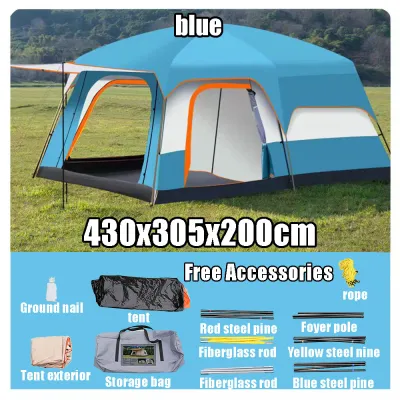
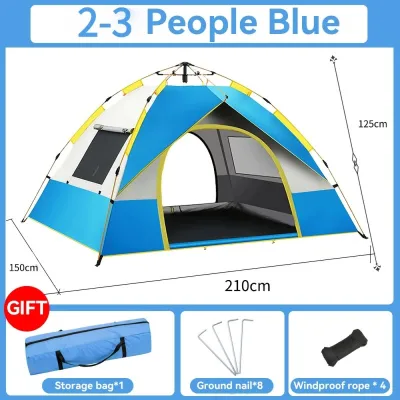
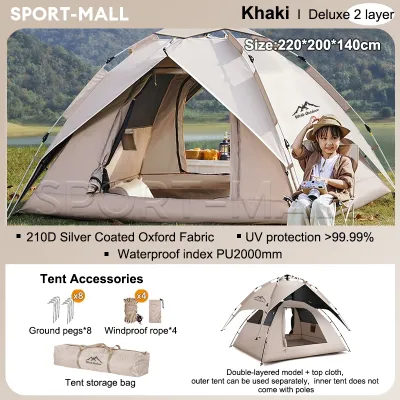
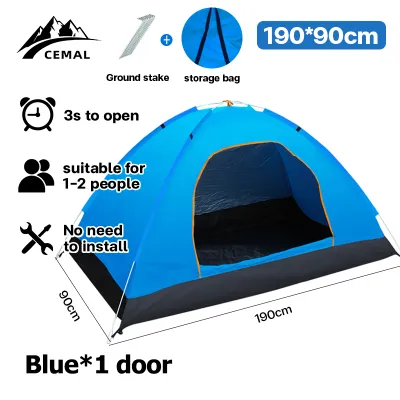
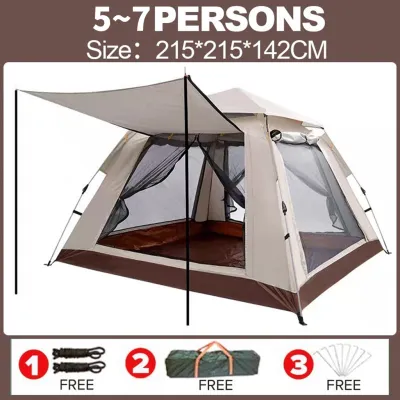
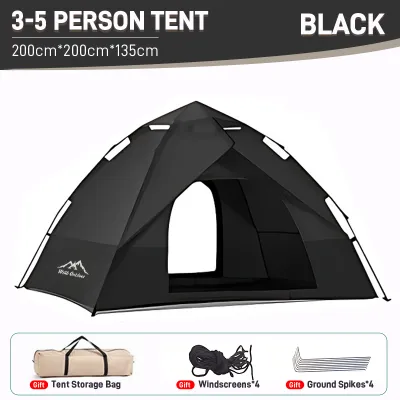
Prices are valid at publication and may change. Please refer to the product page for the latest price.
The structural frame of the tent determines how well it can withstand the strong winds common in coastal campsites or high-altitude mountain ridges. Fiberglass poles are common in budget models, but they are heavy, brittle, and prone to splitting longitudinally under high stress, which can ruin a trip and tear your tent fabric. Heavy-duty tents utilize aluminum poles—typically crafted from high-grade 6000 or 7000 series alloys. Aluminum poles offer an exceptional strength-to-weight ratio, flexibility to absorb wind loads, and the ability to bend rather than shatter under extreme pressure.
Finally, pay close attention to the construction details that prevent water ingress at critical failure points. Factory-taped seams are essential; this process applies a waterproof tape over the interior stitching lines, sealing the needle holes created during manufacturing. A bathtub floor design is another non-negotiable feature for tropical camping. This construction wraps the waterproof floor material several inches up the lower walls of the tent before joining the side panels. This design ensures that pooling rainwater or surface runoff cannot seep through the seams at ground level.
Top Heavy-Duty Tent Categories for Different Camping Scenarios
Canvas Cabin Tents for Long-Term Family Camping
Canvas cabin tents represent the pinnacle of durability and comfort for extended camping trips where weight is not a primary concern. These tents feature vertical walls and high ceilings, maximizing interior living space and allowing campers to stand upright comfortably. The thick cotton canvas fabric provides excellent insulation, keeping the interior cooler under the hot tropical sun and warmer during cool mountain nights. Unlike synthetic fabrics, canvas is naturally breathable, which dramatically reduces the buildup of interior condensation—a common issue in the humid Philippine climate.

However, these heavy-duty structures come with notable trade-offs that you must consider before purchasing. Canvas tents are exceptionally heavy, often weighing between 20 and 50 kilograms, and they occupy a significant amount of space in a vehicle trunk. This weight makes them entirely unsuitable for backpacking or hike-in campsites. Furthermore, canvas requires meticulous maintenance. If you pack away a canvas tent while it is still damp from rain or morning dew, mold and mildew will quickly develop, destroying the fabric fibers and ruining your investment. In a high-humidity environment like the Philippines, you must commit to pitching the tent at home to dry completely in a shaded, well-ventilated area within 24 hours of returning from a trip.
This category is ideal for car campers, families, and glamping operators who establish semi-permanent basecamps. If you prioritize maximum living space, structural stability, and a comfortable interior climate over portability, a high-quality canvas cabin tent is an excellent long-term investment.
Geodesic and Semi-Freestanding Tents for High-Altitude Treks
For mountaineers tackling exposed peaks such as Mt. Pulag, Mt. Apo, or Mt. Dulang-Dulang, structural integrity under extreme wind loads is the single most important safety consideration. Geodesic and semi-freestanding tents are engineered specifically for these harsh, high-altitude conditions. A geodesic design utilizes multiple poles that cross over each other at multiple intersection points across the tent body. This interlocking structure distributes external forces, such as violent wind gusts and heavy rain, evenly across the entire frame, preventing the tent from collapsing.
However, it is vital to remember that no outdoor equipment can replace proper safety training and sound judgment. Even the most robust geodesic tent is not designed to withstand a severe tropical storm or typhoon. Campers must always monitor PAGASA weather advisories, recognize their physical limits, and abort the trek or evacuate to solid shelter immediately if severe weather warnings are issued.
These tents feature a low-profile, aerodynamic silhouette that allows wind to flow smoothly over the structure rather than pushing against flat surfaces. They almost exclusively utilize high-strength aluminum poles and reinforced guyline attachment points to secure the shelter to the ground. Because these tents are designed to withstand severe weather, they prioritize stormworthiness over interior living space. The walls slope inward more steeply, reducing headroom and storage space compared to cabin-style tents. If your outdoor pursuits involve backpacking along exposed ridges, high-elevation camping, or trekking in areas prone to sudden, severe weather shifts, a geodesic or robust semi-freestanding tent is necessary.
Heavy-Duty Double-Wall Tents for Versatile Weekend Use
For the majority of recreational campers in the Philippines, a heavy-duty double-wall synthetic tent offers the best balance of weather protection, weight, and ease of use. A double-wall construction consists of two distinct layers: a highly breathable inner tent body (typically made of nylon ripstop and fine mesh) and a separate, fully waterproof outer rainfly. This design is highly effective at managing condensation. Warm, moist air from your breath passes through the inner mesh wall and condenses on the underside of the outer rainfly, where it drains harmlessly down to the ground rather than dripping onto your sleeping gear.
When choosing a double-wall tent for versatile weekend use, look for a model with a full-coverage rainfly that extends all the way to the ground. This ensures that wind-driven rain cannot blow up under the edges of the fly. Deep vestibules—sheltered areas outside the inner tent door but under the rainfly—are highly valuable for storing muddy hiking boots, wet backpacks, and cooking gear out of the weather. Additionally, ensure the tent features reinforced stress points where the guylines attach, as well as adjustable ventilation ports near the peak to maintain airflow during warm, rainy nights.
This style of tent is perfect for weekend hikers, beach campers, and general outdoor enthusiasts who transition between different camping environments. Whether you are pitching your camp on a humid beach in Zambales or in a forested valley in Rizal, a well-designed double-wall tent provides reliable, adaptable protection without the extreme weight of canvas or the specialized complexity of a pure geodesic shelter.
Essential Features to Verify Before Buying Online
Shopping for outdoor gear on online marketplaces requires a critical eye to avoid low-quality products disguised with misleading marketing terms. Many budget listings use generic phrases like “completely waterproof” or “hurricane-proof” without providing any technical data to support these claims. To ensure you are purchasing a genuinely heavy-duty tent, you must verify the exact manufacturer specifications. Look for clear listings of the fabric’s denier count (such as 75D or 150D) and the specific hydrostatic head ratings for both the rainfly and the floor. If a listing lacks these technical details, treat it as a warning sign and look for alternative options.
Next, carefully examine the product images and descriptions for key construction details. Zoom in on the interior photos to check if the seams are covered with clear, heat-sealed waterproof tape. Verify the zipper specifications; heavy-duty tents should feature robust, smooth-gliding zippers protected by wide fabric storm flaps that prevent water from seeping through the zipper teeth. Look for adjustable ventilation options, such as mesh panels that can be zipped shut from the inside, which allow you to manage airflow depending on the intensity of the wind and rain.
User reviews can provide invaluable real-world insights, but you must read them critically. Ignore generic five-star reviews that only comment on fast shipping or basic setup in a living room. Instead, look for detailed reviews from users who have tested the tent during actual rainy weather or high-wind conditions in the Philippines. Pay close attention to any repeated complaints regarding broken poles, leaking floors, or seam separation, as these indicate systemic quality issues.
Finally, verify exactly what is included in the package before completing your purchase. Some retailers list tents at low prices but exclude essential components like the rainfly, the matching footprint, or high-quality stakes. A footprint is highly recommended to protect your tent floor from abrasion, so check if one is included or if you need to purchase it separately. Additionally, budget tents often come with flimsy steel pegs that easily bend in hard soil or slip out of loose sand. For heavy-duty use, plan to upgrade to sturdy aluminum Y-stakes or heavy steel pegs to ensure your tent remains securely anchored in challenging terrain.
Maintenance Tips to Prolong Your Tent's Waterproof Lifespan
Proper maintenance is essential to preserve the integrity of your heavy-duty tent and ensure it remains waterproof for years to come. The combination of intense heat and high humidity in the Philippines accelerates the degradation of waterproof coatings if gear is stored improperly. The most critical rule of tent care is to never store a wet or damp tent. Even if you are forced to pack up your campsite during a downpour, you must pitch the tent again at home as soon as possible. Dry the tent completely in a shaded, well-ventilated outdoor area or a spacious indoor room. Avoid drying your tent in direct, intense sunlight, as prolonged ultraviolet (UV) exposure degrades synthetic fibers and breaks down polyurethane coatings. Storing a damp tent leads to a chemical process called hydrolysis, which permanently ruins the waterproof coating, leaving it sticky, flaking, and foul-smelling.
Regularly inspect your tent’s seams and fabric for signs of wear. Over time, the tension of pitching and exposure to heat can cause factory seam tape to lift or peel, particularly at high-stress areas like corners and pole attachment points. If you notice any peeling tape, carefully trim away the loose portion and apply a specialized liquid seam sealer to the exposed stitching. Ensure you use the correct type of sealer for your tent’s fabric; polyurethane-coated fabrics require a water-based polyurethane sealer, while silicone-treated fabrics require a silicone-based sealer. Additionally, you can restore the outer fabric’s durable water repellent (DWR) coating by applying a spray-on waterproofing treatment once a year or whenever water stops beading on the surface.
When cleaning your tent, avoid harsh chemicals and aggressive washing methods. Dirt, sand, and salt residue from coastal camping can abrade the fabric and damage the zippers. Clean the tent by pitching it and gently wiping the dirty areas with a soft sponge, cool water, and a mild, non-detergent soap specifically formulated for outdoor gear. Never machine wash or tumble dry your tent, as the intense agitation and heat will strip away the waterproof coatings, tear the mesh, and destroy the seam tape. Once clean, rinse the tent thoroughly to remove all soap residue, and allow it to air dry completely before packing it away in a cool, dry storage space.
Frequently Asked Questions (FAQ)
What is the minimum waterproof rating for heavy rain in the Philippines?
To reliably withstand the intense, wind-driven downpours of the Philippine monsoon season, a tent’s rainfly should have a minimum hydrostatic head (HH) rating of 2,000mm. However, the tent floor requires a significantly higher rating—ideally 3,000mm to 5,000mm. The floor needs this extra protection because the physical pressure exerted by campers sitting, kneeling, or sleeping can easily force water through lower-rated fabrics when the tent is pitched on saturated ground or in areas where water pools.
Do I need a separate footprint for a heavy-duty tent?
Yes, utilizing a separate footprint or groundsheet is highly recommended to protect your tent’s integrated floor from sharp rocks, roots, and abrasive sand, which can wear down the waterproof coating over time. When using a footprint, ensure it is slightly smaller than the boundary of the tent floor. If the footprint extends beyond the edges of the tent, it will collect falling rainwater and channel it directly underneath your shelter, causing water to pool beneath the floor and increasing the risk of water seepage.

Community discussion
Share your experience or ask a question. Comments are reviewed before publication.