
To choose the right indoor volleyball ball in the Philippines, you must balance your playing level, court conditions, and the challenges of a humid tropical climate. Premium competition balls offer advanced aerodynamics and moisture-wicking covers for high-stakes matches, while durable training models provide long-lasting performance for daily school practices. Selecting the ideal ball ensures consistent ball control, reduces the risk of arm fatigue, and helps players build accurate muscle memory.
Key Features to Look for in an Indoor Volleyball Ball
Selecting a high-quality indoor volleyball ball requires a clear understanding of its technical specifications and how they translate to on-court performance. The right ball must match the player’s skill level and the specific playing environment.
Surface Material The outer cover of an indoor volleyball ball directly affects its tactile feel, grip, and durability. Premium competition models utilize high-grade microfiber synthetic leather, which mimics the soft texture of natural leather while offering superior moisture absorption. This material prevents the ball from becoming slick when exposed to player sweat, a common issue in humid Philippine gymnasiums. In contrast, entry-level and training balls often feature standard polyurethane (PU) or synthetic leather covers. While PU covers do not absorb moisture as effectively as microfiber, they offer excellent resistance to wear and tear, making them ideal for high-volume practice sessions on multi-purpose courts. Rubber covers should be avoided entirely for indoor play, as they are too stiff and cause significant forearm pain.
Products mentioned in this guide
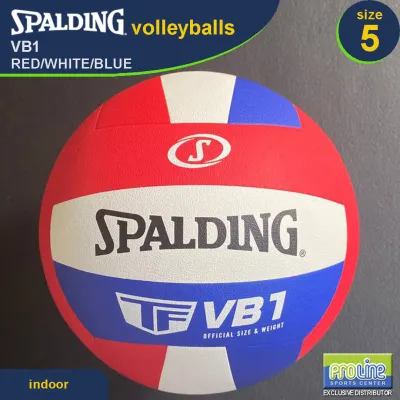
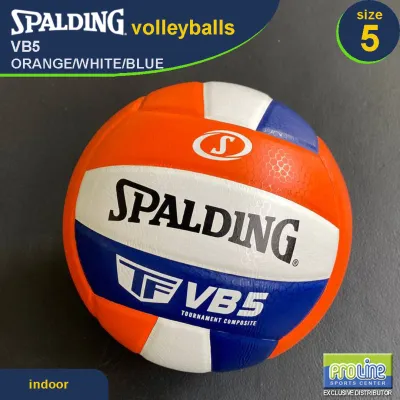
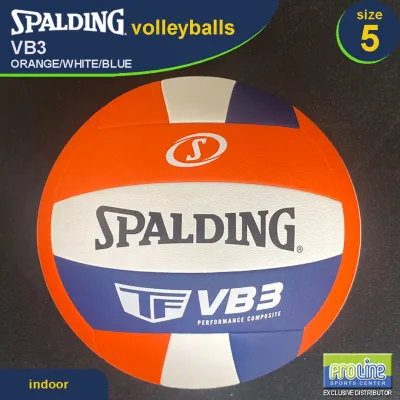
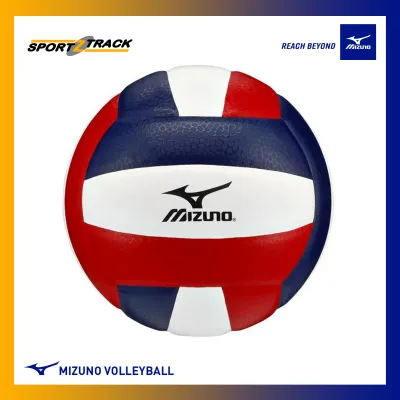
![[Philippines Spot]MIKASA MVA200 Volleyball Indoor Training Game Sports Ball Outdoor Beach Ball Hard High Elastic Competitions Game Ball original spikes set](https://img.lazcdn.com/g/p/f7658acdd0c982dbd339f87af28a2a8d.jpg_400x400q80.jpg_.webp)
Prices are valid at publication and may change. Please refer to the product page for the latest price.
Panel Design The configuration of the panels on the ball’s surface determines its flight stability and visibility in the air. Traditional indoor volleyballs feature an 18-panel design, which provides a balanced and familiar feel for classic play. Modern elite models have transitioned to advanced 8-panel configurations or surfaces with engineered dimples. These dimples disrupt the boundary layer of air around the ball as it flies, reducing the unpredictable “knuckleball” effect and allowing for cleaner, more stable trajectories during serves and sets. Additionally, panel color patterns are strategically designed to enhance visibility. High-contrast combinations, such as blue and yellow or red, white, and green, help players track the ball’s rotation and speed under bright indoor stadium lights.
Certifications When shopping for an indoor volleyball ball, you will frequently encounter terms like “FIVB Approved” and “FIVB Inspected.” The Fédération Internationale de Volleyball (FIVB) sets strict regulatory standards for balls used in official competitions. An “FIVB Approved” certification indicates that the ball has passed rigorous testing for weight, sphericity, bounce, and durability, making it mandatory for professional leagues, national tournaments, and collegiate matches like the UAAP or NCAA. “FIVB Inspected” models are high-quality balls that meet basic regulatory dimensions but are designed primarily for training, school leagues, or recreational tournaments. For casual weekend play or individual practice, purchasing a certified ball is not strictly necessary, but it ensures you are training with standard dimensions.
Weight and Circumference To avoid purchasing undersized or overweight novelty balls, always verify that your selected model adheres to standard adult specifications. Official indoor volleyballs must have a circumference of 65 to 67 centimeters and a weight of 260 to 280 grams. These dimensions are calibrated to provide the optimal balance of speed, control, and impact force. Playing with a ball that falls outside these parameters can hinder skill development, ruin muscle memory, and increase the risk of wrist or shoulder strain during repetitive spiking and blocking drills.
Top Picks for Official Competitions and Advanced Players
Advanced athletes and competitive club teams require premium match balls that deliver maximum precision, exceptional grip, and reliable flight dynamics under intense match conditions.

Mikasa V200W
Target Audience The Mikasa V200W is designed specifically for professional athletes, collegiate varsity teams, and tournament organizers who require the absolute highest standard of performance. It serves as the official game ball for the FIVB, international championships, and major local leagues in the Philippines, including the Premier Volleyball League (PVL) and the UAAP.
Key Features This flagship model features a perfectly balanced 18-panel aerodynamic design that optimizes flight stability and control. The surface is engineered with a double-dimpled microfiber cover, consisting of thousands of microscopic indentations that minimize air resistance and prevent erratic drifting. To combat the intense heat and humidity of local non-air-conditioned covered courts, Mikasa integrates Nano Balloon Silica anti-sweat technology. This specialized coating prevents the surface from becoming slippery, ensuring setters and passers maintain a secure grip even during long, grueling rallies.
Limitations & Buying Advice The highly specialized microfiber cover is exceptionally delicate and must be used exclusively on smooth, clean indoor surfaces like wood or taraflex. Playing with this ball on concrete, asphalt, or dusty outdoor courts will rapidly erode the dimpled texture and ruin the premium grip. Additionally, because the V200W is the most popular match ball in the country, the Philippine market is flooded with cheap, low-quality counterfeit versions. To protect your investment, always purchase from authorized sports retailers or official brand flagship stores, and verify that the ball features the official holographic authentication sticker on its packaging.
Molten Flistatec 5000
Target Audience The Molten Flistatec 5000 (V5M5000) is the preferred choice for competitive players who demand a softer touch, highly cushioned impact, and maximum visibility of the ball’s rotation. It is widely used in collegiate leagues like the NCAA and various regional tournaments across the country.
Key Features This ball stands out due to Molten’s proprietary Flight Stability Technology (FLISTATEC). The surface features a unique hexagonal grid pattern that stabilizes the air currents around the ball, significantly improving flight accuracy and reducing deviation caused by indoor drafts. The cover is constructed from a premium soft composite leather layered over a woven cotton canvas, which provides a highly cushioned, forgiving feel on contact. Its signature red, white, and green panel design is engineered to create a distinct visual pattern when spinning, allowing players to read the ball’s rotation instantly and adjust their positioning.
Limitations & Buying Advice While the cushioned composite cover provides an incredibly comfortable touch, it is slightly softer than the Mikasa V200W, making it more susceptible to scuffing and wear if it collides with rough walls, metal net posts, or dusty floors. If you are purchasing this ball for official league play, always verify your local tournament’s official ball sponsor, as many leagues strictly mandate a specific brand. Ensure you inspect the valve and panel alignment upon purchase to confirm authenticity.
Best Options for Daily Training and Beginners
For school varsity practices, high-volume training sessions, and players who are still developing their fundamental skills, durability and cost-effectiveness are the primary priorities.
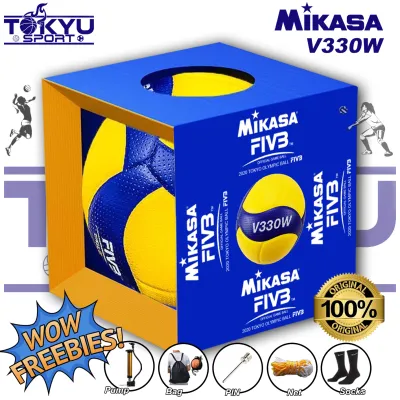
Mikasa V330W
Target Audience The Mikasa V330W is an exceptional training ball tailored for high school varsity teams, sports clinics, and intermediate players who want a premium feel without the high price tag of a competition-grade match ball.
Key Features This model utilizes the exact same 18-panel configuration, weight distribution, and aerodynamic shape as the flagship V200W. By maintaining identical physical dimensions, the V330W allows developing players to build accurate muscle memory for serving, passing, and setting. The cover is made of a high-grade, smooth polyurethane (PU) leather that offers outstanding durability and resistance to abrasion, ensuring the ball can withstand hours of daily, high-intensity drills on multi-purpose school gym floors.
Limitations & Buying Advice The primary trade-off is that the V330W features a smooth surface and lacks the premium double-dimple, moisture-absorbing technology of the V200W. In a hot, humid gym, the ball can become somewhat slick if it accumulates a significant amount of sweat, requiring players to wipe it down frequently. For athletic directors and team coaches looking to outfit an entire squad, purchasing the V330W in bulk from certified local sports distributors provides a highly cost-effective way to acquire durable, regulation-weight training gear.
Tachikara SV5WSC
Target Audience The Tachikara SV5WSC is highly recommended for complete beginners, youth players, and recreational indoor leagues where minimizing physical discomfort and building confidence are the main goals.
Key Features This ball is constructed with Tachikara’s proprietary Sensi-Tec composite leather cover, which is specifically engineered to provide an ultra-soft, cushioned touch. This design significantly reduces the painful stinging sensation on the forearms that often discourages beginners from practicing underhand passes and digs. It features a traditional 18-panel construction and a high-retention butyl bladder that ensures excellent air retention, meaning you spend less time inflating the ball before practice sessions.
Limitations & Buying Advice The highly cushioned, soft cover results in a slightly slower rebound and less explosive flight dynamics compared to rigid, high-speed competition balls. Advanced players may find that it lacks the crisp feedback required for high-powered spiking and jump-serving drills. When purchasing online, pay close attention to the exact model number; Tachikara produces visually similar models designed for outdoor use, which feature much stiffer, weather-resistant covers that are not suitable for comfortable indoor training.
Quick Comparison of Recommended Indoor Volleyballs
To help you quickly identify the best model for your specific playing level and budget, the table below summarizes the key technical specifications and primary use cases of our top recommendations.
| Model | Best For | Panel Design | FIVB Status | Key Feature |
|---|---|---|---|---|
| Mikasa V200W | Professional Matches & Elite Players | 18-Panel Double-Dimple | FIVB Approved | Anti-sweat Nano Balloon Silica & premium flight stability |
| Molten Flistatec 5000 | Competitive Leagues & Cushion Lovers | Hexagonal Grid FLISTATEC | FIVB Approved | Flight Stability Technology & high-contrast visual spin |
| Mikasa V330W | High-Volume Varsity & Club Training | 18-Panel Smooth Laminated | FIVB Inspected | High-durability PU cover with competition-matching weight |
| Tachikara SV5WSC | Beginners & Recreational Play | 18-Panel Soft Composite | None | Cushioned Sensi-Tec cover to minimize forearm sting |
Essential Care and Maintenance for Indoor Volleyballs
Proper care and maintenance are vital to preserving the grip, structural integrity, and overall lifespan of your indoor volleyball ball, especially under the demanding tropical climate conditions of the Philippines.
Cleaning After every training session or match, take a few minutes to clean the ball’s surface. Wipe the entire cover with a soft, damp microfiber cloth to remove sweat, body oils, and fine dust collected from the gym floor. Never use harsh chemical solvents, alcohol, or abrasive detergents, as these substances will dry out the synthetic leather, degrade the moisture-wicking coatings, and dissolve the panel adhesives. Avoid submerging the ball in water or rinsing it under a tap; water can easily seep through the panel seams and compromise the internal bladder and canvas layers.
Storage Conditions Store your volleyball in a cool, dry, and well-ventilated space, such as a dedicated sports mesh bag or a ventilated closet. The high relative humidity in the Philippines can foster mold and mildew growth on synthetic leather and weaken the glue holding the panels together. Never leave your ball inside a hot car trunk, near direct sunlight, or under a metal roof, as extreme heat will cause the air inside the bladder to expand, warping the ball’s spherical shape and permanently stretching the outer panels.
Pressure Maintenance Maintaining the correct internal air pressure is essential for consistent bounce and flight performance. Always inflate your volleyball to the manufacturer’s recommended range of 0.30 to 0.325 kg/cm² (4.3 to 4.7 psi) using a reliable pump equipped with a pressure gauge. Over-inflating the ball puts excessive stress on the seams and can cause the bladder to rupture, while under-inflating leads to sluggish play. Before inserting the inflation needle, always lubricate it with a drop of glycerin, valve oil, or soapy water; inserting a dry needle can easily tear or dislodge the self-sealing rubber valve, causing chronic air leaks.
Usage Boundaries Indoor volleyballs are engineered exclusively for smooth, non-abrasive indoor surfaces such as hardwood, taraflex, or polished indoor concrete courts. Do not use your indoor ball on rough outdoor asphalt, rocky ground, or abrasive concrete barangay courts. The rough textures of these outdoor environments will instantly scuff, tear, and peel the delicate synthetic leather cover, destroying the ball’s grip and aerodynamic properties within a single session.
Frequently Asked Questions (FAQ)
Can I use an indoor volleyball for outdoor beach or grass play?
No, you should not use an indoor volleyball ball for beach or grass play. Indoor balls are constructed with soft, moisture-absorbing synthetic leather panels that are glued to an internal bladder, making them highly susceptible to damage from moisture, sand, and rough outdoor surfaces. Exposure to sand will scratch the delicate cover, while grass moisture or water will seep into the seams, causing the panels to peel and the ball to become heavy. For outdoor environments, always purchase a dedicated beach or outdoor volleyball, which features stitched, water-resistant panels designed to withstand wind, sand, and rougher handling.
What is the standard weight and size for an adult indoor volleyball?
According to official FIVB regulations, a standard adult indoor volleyball must have a circumference of 65 to 67 centimeters and a weight of 260 to 280 grams. The internal inflation pressure must be maintained between 0.30 and 0.325 kg/cm² (4.3 to 4.7 psi). These standards ensure consistent flight dynamics, speed, and safety during competitive play. While youth or junior leagues may occasionally use lighter balls to prevent injury and match the physical development of younger players, all standard high school, collegiate, and professional leagues strictly adhere to these adult dimensions.
How often should I check the air pressure of my volleyball?
You should check your volleyball’s air pressure before every major practice session or match. All sports balls naturally lose a small amount of air over time due to temperature fluctuations and minor seepage through the valve. Playing with an under-inflated ball ruins its bounce and flight accuracy, while an over-inflated ball is hard on the hands and can damage the seams. Always use a pump with an integrated pressure gauge to ensure accuracy, and remember to lubricate the inflation needle before insertion to protect the self-sealing rubber valve from tearing.

Community discussion
Share your experience or ask a question. Comments are reviewed before publication.