
The best inflatable volleyball for beach and pool play in the Philippines must be highly buoyant, resistant to intense tropical UV rays, and comfortable to strike with bare arms. Instead of a single universal choice, the ideal ball depends on your specific playing environment. A ball designed for a calm resort pool in Pansol, Laguna, requires different characteristics than one built to withstand the windy shores and abrasive sands of San Juan, La Union.
Before setting up a game, especially in open water, players must assess their swimming abilities and check local weather conditions. An inflatable volleyball is highly susceptible to wind, and strong offshore breezes can quickly blow the ball into deep water. Never attempt to swim after a runaway ball in rough seas or strong currents, and always ensure children are supervised by an adult.
How to Choose the Right Inflatable Volleyball for Water and Sand
The Philippine sun is exceptionally strong, particularly during the dry season. Unprotected plastics degrade quickly under ultraviolet radiation, leading to fading, brittleness, and eventual cracking. Choosing a ball with UV-stabilized materials ensures it survives multiple seasons of play under the intense tropical sun.
Products mentioned in this guide
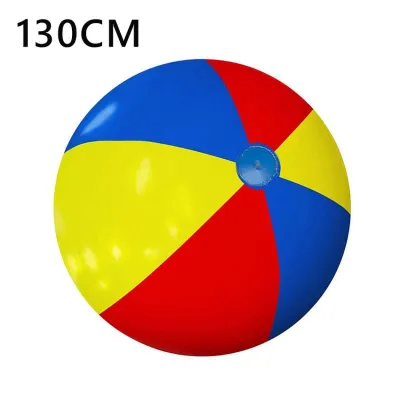
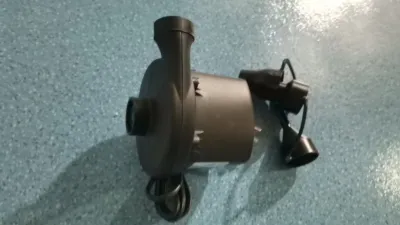
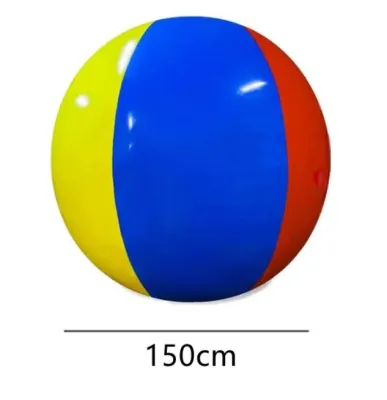
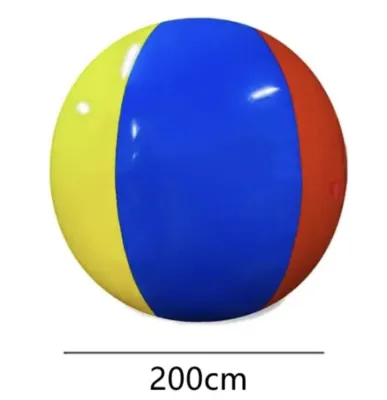
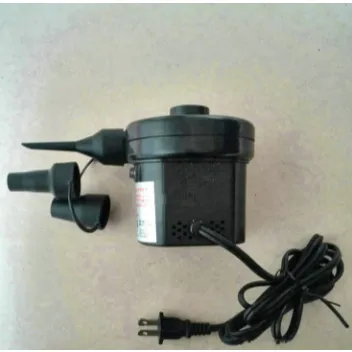
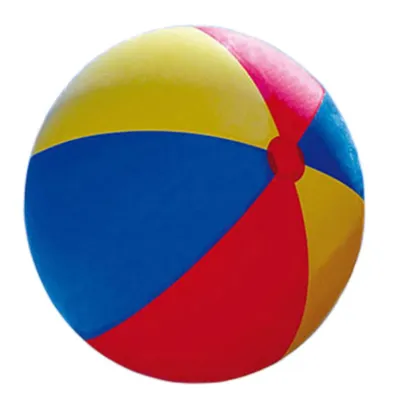
Prices are valid at publication and may change. Please refer to the product page for the latest price.
Saltwater from coastal beaches and chlorine from swimming pools act as harsh chemical agents. They can break down standard glues used in cheap inflatables, causing seams to split. Look for materials like high-grade polyvinyl chloride (PVC) or neoprene that do not absorb water or degrade when exposed to these chemicals.
Sand acts like sandpaper. When a ball is repeatedly spiked or dragged across the sand, a cheap surface will quickly scratch and lose its grip. Textured surfaces or heavy-duty PVC are better suited to resist this continuous abrasion and maintain their structural integrity.
Tracking a ball against the bright, shimmering surface of a pool or the light-colored sand of Boracay requires high-visibility colors. Neon greens, bright oranges, and high-contrast multi-colored patterns are much easier to track in mid-air under intense sunlight, preventing accidental collisions among players.
Casual adult games benefit from standard-sized balls that offer realistic flight paths and responsive handling. However, mixed-age family games are much more enjoyable with oversized, lightweight inflatable volleyballs, which slow down the pace of the game and make it easier for younger children or older family members to join in.
Recommended Inflatable Volleyball Types for Philippine Beaches and Pools
When shopping online or in local sporting goods stores across the Philippines, you will find a wide variety of brands and unbranded options. Instead of relying purely on brand names, focus on the specific design features, material compositions, and construction labels that match your primary playing environment.

Best for Pool Play: Floating and Neoprene-Coated Designs
Pool play demands excellent buoyancy and a surface that remains easy to grip even when fully wet. Neoprene-coated inflatable volleyballs are the premier choice for this environment. Neoprene, the same synthetic rubber used to manufacture wetsuits, provides a soft, textured outer layer that prevents the ball from becoming slippery when drenched in chlorinated water.
These balls are designed to sit high on the water surface, ensuring they do not become waterlogged or heavy. A waterlogged ball is not only difficult to set and spike, but it can also cause injury to fingers and wrists upon impact. The soft neoprene cover cushions the blow, making long pool sessions comfortable for players of all skill levels.
However, neoprene designs have specific trade-offs. When dry, they can feel slightly heavier than basic plastic balls, and they require thorough drying after use to prevent the fabric from holding moisture. Additionally, they generally command a higher price point, typically ranging from ₱500 to ₱1,500, making them a more significant investment than simple PVC alternatives.
Best for Beach Play: Sand-Resistant and Textured PVC Options
Beach volleyball requires a ball that can handle the transition from dry, powdery sand to wet, hard-packed shoreline sand. For this setting, look for textured PVC inflatable volleyballs. High-quality PVC (polyvinyl chloride) is naturally waterproof and highly resistant to sand adhesion, allowing you to easily brush off dry sand before serving.
The seams on beach-specific models must be incredibly durable. When a ball is spiked hard against the ground, the internal pressure spikes instantly. Reinforced, heat-welded seams are essential to prevent the ball from bursting upon impact with the beach or nearby rocks.
To combat the intense Philippine sun, verify that the PVC material features a UV-resistant coating. Without this protection, the tropical heat will cause the plastic to soften, stretch out of shape, and eventually crack along the panels. A well-constructed PVC ball will maintain its perfect spherical shape even after hours of play on hot sand.
Best for Families and Kids: Soft-Touch and Lightweight Models
If your primary goal is hosting casual family gatherings, backyard pool parties, or playing with young children, safety and comfort are the top priorities. Standard volleyballs can be intimidating for kids due to the stinging sensation they leave on bare forearms. Soft-touch, lightweight inflatable models are specifically designed to eliminate this discomfort.
These balls feature a highly flexible outer skin and operate at a much lower internal pressure. This design ensures that even a direct impact to the face or arms will not cause bruising or injury. The lightweight construction also slows down the ball’s flight path, giving younger players more time to react, coordinate their movements, and successfully volley the ball back over the net.
When selecting a family-friendly ball, always check the manufacturer’s packaging or online listing for recommended age ranges and safety certifications. Ensure the materials used are BPA-free and non-toxic, especially since younger children often carry or hold the ball close to their faces during play.
Key Specifications to Verify Before Purchase
Before finalizing your purchase, whether you are browsing local sports shops in Manila or ordering from an online marketplace, you must verify several physical specifications to ensure you are getting a durable product.
- Seam Construction: Inspect how the panels of the ball are joined. Cheap inflatable balls rely on simple adhesive glue, which easily melts or degrades when exposed to hot pool water or baking beach sand. Look for heat-welded or double-stitched seams, which fuse the materials together at a molecular level, providing superior durability under high pressure.
- Valve Type: Check the design of the inflation valve. Standard pinch valves that protrude from the surface of the ball can easily scratch players' hands during a game or snag on swimwear. Opt for recessed or hidden valves that sit completely flush with the ball's outer skin, which also significantly reduces the risk of accidental air leaks.
- Material Thickness: Look for explicit details regarding material thickness, often measured in millimeters or ply count. For a durable beach or pool ball, a PVC thickness of at least 0.20mm is recommended. Thicker materials are far more resilient against punctures from sharp shells, poolside tiles, or stray twigs.
- Inflation Guidelines: Always check the manufacturer's labeled inflation limits. Over-inflating a ball is the most common cause of premature failure. In the hot Philippine climate, air inside the ball will expand as the temperature rises. Under-inflating the ball slightly before playing in the midday heat allows the air to expand safely without putting excessive stress on the seams.
Maintenance and Storage Tips for Tropical Climates
The hot and humid climate of the Philippines can quickly ruin even the highest-quality sports gear if it is not properly maintained. Implementing a simple post-play routine will significantly extend the lifespan of your inflatable volleyball.
- Post-Play Cleaning: Always rinse the ball thoroughly with clean, fresh tap water immediately after use. This simple step removes salt crystals, chlorine, and abrasive sand particles that can slowly eat away at the outer coatings and degrade the valve seal over time.
- Drying and Deflation: Allow the ball to air-dry completely in a shaded, well-ventilated area before deflating or storing it. Never pack a wet or damp ball into a closed plastic bag or storage bin, as the high humidity in the Philippines will rapidly promote the growth of mold and mildew, which can ruin both the look and smell of the ball.
- Heat Avoidance: Never leave an inflated ball inside a parked car trunk, on a concrete driveway, or in direct sunlight for extended periods when not in use. The extreme heat can cause the internal air pressure to rise to dangerous levels, warping the plastic or causing the seams to rupture completely.
- Proper Storage: Store your deflated or partially deflated ball in a cool, dry indoor closet. Keep it flat or loosely rolled, ensuring it is away from sharp household objects or heavy storage boxes that could press permanent creases into the material, creating weak points prone to future leaks.
Frequently Asked Questions (FAQ)
Here are some of the most common questions players ask when choosing and maintaining inflatable volleyballs for recreational water and sand play.
Can I use a standard indoor volleyball for beach or pool play?
No, you should avoid using a standard indoor volleyball in wet or sandy environments. Indoor volleyballs are typically constructed from genuine leather or synthetic leather panels that are glued together. When exposed to water, these materials absorb moisture rapidly, making the ball incredibly heavy, waterlogged, and painful to hit. Furthermore, chlorine and saltwater will quickly dissolve the internal adhesives and ruin the leather texture, permanently damaging an expensive piece of equipment.
How do I prevent the air valve from leaking after inflation?
To prevent slow leaks, always lubricate the inflation needle with a drop of water or silicone lubricant before inserting it into the valve. Inserting a dry needle can tear or misalign the delicate rubber seal inside the valve. Always insert the needle straight and pull it out smoothly. Once the pump is removed, gently press down on the valve pin to ensure it is fully seated and flush with the surface of the ball.

Community discussion
Share your experience or ask a question. Comments are reviewed before publication.