
Selecting the right rescue jacket for men in the Philippines requires balancing environmental conditions, water sports activities, and the user’s technical skill level. In the tropical heat and diverse aquatic landscapes of the archipelago—ranging from turbulent whitewater rapids in Mindanao to open ocean swells in Siargao—a personal flotation device (PFD) is the most critical safety investment you can make. However, not all flotation devices are created equal, and choosing the wrong type can compromise both your safety and your performance on the water.
Finding the ideal rescue jacket for men involves understanding the precise differences between standard recreational vests and specialized rescue jackets. While recreational paddlers and swimmers require lightweight comfort, those engaging in high-risk swiftwater rescue, professional guiding, or extreme coastal sports need specialized Type V jackets equipped with quick-release harnesses and high-buoyancy foam. Selecting the correct gear ensures you stay afloat, mobile, and prepared for emergencies in any tropical water environment.
Standard Life Vests vs. True Rescue Jackets: What You Need to Know
To make an informed safety decision, you must first distinguish between a standard recreational life vest and a true, technical rescue jacket. Standard life jackets, often classified as Type III PFDs, are designed primarily as flotation aids for conscious users in calm waters where rescue is expected to be swift. These vests are typically lightweight, feature simple zippered or buckled closures, and prioritize basic flotation and arm mobility for activities like casual kayaking, jet skiing, or lakeside recreation.
Products mentioned in this guide
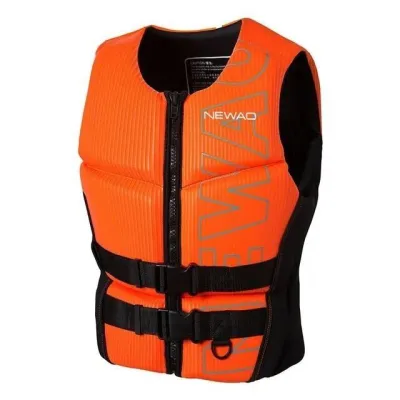
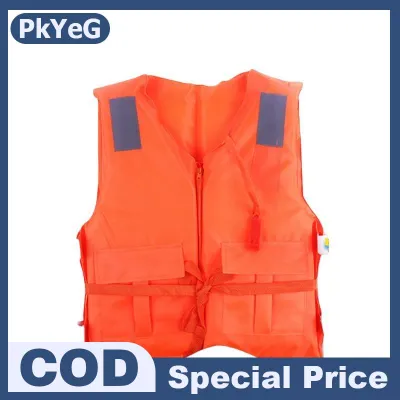
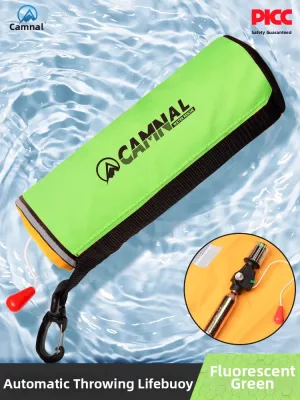
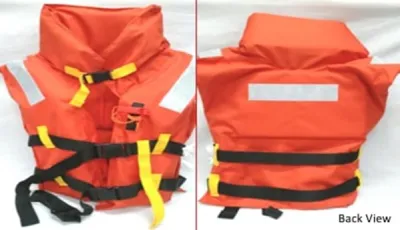
Prices are valid at publication and may change. Please refer to the product page for the latest price.
In contrast, a true rescue jacket is a highly specialized piece of safety equipment, often categorized under Type V special-use devices. These jackets are engineered with integrated technical features designed for self-rescue and partner-extraction in high-velocity or high-risk water environments. Key features include a built-in quick-release chest harness, reinforced tow-line attachment points, heavy-duty lash tabs for safety knives, and significantly higher buoyancy ratings to keep a swimmer’s head above highly aerated or turbulent water.
Understanding the distinction between Type III and Type V devices is critical for matching your gear to your actual environment. Type III flotation aids are excellent for general recreational use because they offer maximum comfort and do not require specialized knowledge to operate. Type V rescue jackets, on the other hand, are built to withstand extreme forces and facilitate active rescue operations, making them bulkier and much more complex in their utility.
Using a true rescue jacket equipped with a quick-release harness carries strict safety boundaries that every water sports enthusiast must respect. The quick-release belt is designed to allow a rescuer to tether themselves to a rope or boat and instantly release the connection if they become submerged or trapped. If an untrained individual uses this harness without formal swiftwater or marine rescue training, they face a severe risk of entanglement, rope entrapment, and drowning. Specialized safety equipment can never replace professional training, physical conditioning, and sound situational judgment.
Matching the Right Rescue Jacket Type to Your Water Sport
The Philippine archipelago offers an incredibly diverse range of water sports venues, each presenting unique environmental hazards, water temperatures, and weather conditions. A rescue jacket that performs exceptionally well on a calm volcanic lake may prove completely inadequate or even dangerous in a raging river canyon or an open ocean swell. To ensure your safety, you must match the design and specifications of your flotation device to the specific demands of your chosen sport.

Whitewater Kayaking and River Rescue
Navigating turbulent river systems, such as the white water rapids of Cagayan de Oro or the Chico River, demands specialized Type V swiftwater rescue PFDs. These environments feature highly aerated water, which has lower density and significantly reduces the natural buoyancy of standard vests. Consequently, river rescue jackets must feature high buoyancy specifications—typically verified at a minimum of 16.5 pounds (approximately 73 Newtons) of flotation—to keep a swimmer’s airway clear of foam and waves.
Beyond buoyancy, river rescue jackets require robust construction to survive impacts with submerged rocks and debris. Look for jackets constructed with high-denier Cordura or ripstop nylon outer shells, reinforced shoulder straps designed to withstand the high tensile forces of rope extractions, and a secure quick-release harness buckle. These features are strictly intended for certified rescue personnel, professional river guides, or advanced kayakers who have completed formal swiftwater rescue courses and understand how to manage river hydrology.
Flatwater Touring, SUP, and Lake Sports
For recreational activities on calm inland waters, such as stand-up paddleboarding (SUP) in the lagoons of El Nido or touring the calm waters of Lake Taal, high-mobility Type III PFDs are the preferred choice. In these lower-risk scenarios, the primary hazard is physical exhaustion rather than turbulent currents, making user comfort, breathability, and unrestricted range of motion the top priorities for long hours under the sun.
When selecting a jacket for flatwater sports, prioritize low-profile designs with large armholes that prevent skin chafing during repetitive paddling motions. Many modern touring vests incorporate rescue-friendly features without the added weight or hazard of a quick-release harness, such as high-visibility reflective trim, a dedicated safety whistle pocket, and a reinforced tow ring for assisting tired companions. Jackets featuring a mesh lower back are highly recommended for kayakers, as they sit comfortably against high-back kayak seats and promote cooling airflow in hot, humid tropical climates.
Ocean Surf and Coastal Rescue
Operating in saltwater environments, coastal bays, or open ocean surf zones presents a distinct set of challenges, including powerful breaking waves, strong tidal currents, and highly corrosive conditions. Whether you are coastal patrolling, surf kayaking, or participating in open-ocean downwind runs, your safety gear must be engineered to withstand the relentless forces of the sea and ensure high visibility over long distances.
Ocean rescue jackets must feature high-visibility colors, such as safety orange, neon yellow, or lime green, paired with marine-grade retroreflective panels to ensure you remain visible to rescue boats or aerial spotters in rough seas. The jacket must also feature a highly secure neck and shoulder fit, utilizing multiple adjustment points to prevent the vest from riding up over your face when hit by breaking waves or during deep-water swims. Additionally, verify that all zippers, buckles, and lash tabs are constructed from corrosion-resistant materials, such as marine-grade stainless steel or heavy-duty, UV-stabilized acetal plastics, to prevent hardware failure in salty environments.
Choosing a Rescue Jacket for Men: How to Ensure a Safe and Secure Fit
A rescue jacket can only perform its lifesaving function if it fits your body correctly and remains securely in place during an impact or a swim. Sizing for a rescue jacket for men is determined primarily by chest circumference rather than body weight, as adult male torsos vary widely in shape, shoulder width, and chest depth. To find your correct size, wrap a flexible measuring tape around the widest part of your chest, just below the armpits, while wearing the clothing you plan to use on the water, such as a UV-protective rash guard.
Once you have selected the correct size based on the manufacturer’s sizing chart, you must follow a systematic fitting procedure to secure the jacket to your torso. Start by loosening all the adjustment straps on the sides and shoulders of the jacket before putting it on. Zip up the front closure or fasten the primary buckles, and then begin tightening the straps starting from the bottom waist strap and working your way upward. Tightening the waist strap first is crucial, as it anchors the jacket below your ribcage and prevents it from sliding upward when you enter the water.
After tightening the side straps, adjust the shoulder straps last to ensure the collar of the jacket sits comfortably without rubbing against your neck or restricting your head movement. To verify that the fit is secure, perform the “lift test” with the help of a partner. Have your partner stand behind you, grasp the shoulder straps of the jacket firmly, and pull upward with moderate force; if the jacket slides up past your chin, nose, or ears, the straps are too loose or the jacket is too large for your torso. A properly fitted jacket should lift your body slightly without shifting its position on your chest.
In the tropical climate of the Philippines, water sports enthusiasts frequently transition between different gear configurations depending on the weather and time of day. You might wear a simple, thin rash guard during a hot afternoon session, but switch to a 2mm neoprene wetsuit top for cooler early-morning paddles or windy coastal crossings. Ensure your chosen rescue jacket features a wide range of adjustment points on the sides and shoulders so you can easily customize the fit to accommodate these changing layers without sacrificing safety or comfort.
Verifying Safety Certifications and Maintaining Gear in a Tropical Climate
With the rise of global e-commerce, the local market has seen an influx of ultra-cheap, unbranded flotation vests marketed as “rescue jackets.” Purchasing these unverified products poses a significant safety risk, as they often utilize low-grade packaging foam that compresses permanently under water pressure, or feature weak stitching that can tear away under the tension of a rescue line. To ensure your gear is legitimate and reliable, you must verify its safety certifications and commit to a strict maintenance routine tailored to tropical conditions.
Verifying Safety Certifications
Before purchasing any rescue jacket, inspect the inner lining for printed safety certification labels from recognized international maritime authorities. These certifications serve as independent proof that the jacket has undergone rigorous testing for buoyancy, material strength, and buckle durability. Look for the following recognized standards:
- United States Coast Guard (USCG) Approval: Typically labeled as Type III (flotation aid) or Type V (special-use device), indicating compliance with strict North American safety standards.
- ISO 12402 or CE Marks: European and international standards that classify PFDs by Newton ratings (e.g., ISO 12402-5 for 50N buoyancy aids, or ISO 12402-6 for special-purpose rescue devices).
- Underwriters Laboratories (UL) or ULC Listing: Indicates that the materials and manufacturing processes have been independently tested and verified for quality and consistency.
Maintaining Safety Gear in Tropical Environments
The climate of the Philippines—characterized by intense tropical UV radiation, high ambient humidity, and warm saltwater—is exceptionally harsh on synthetic fabrics, webbing, and flotation foam. Without proper care, your rescue jacket can degrade rapidly, compromising its buoyancy and structural integrity within a single season. Implement the following maintenance routine to maximize the lifespan of your gear:
- Freshwater Rinse: After every outing in saltwater, brackish water, or muddy rivers, thoroughly rinse the entire jacket inside and out with clean, fresh water. This removes salt crystals, sand, and organic debris that can abrade nylon fibers, rot stitching, and cause zippers to seize.
- Shade Drying: Never dry your rescue jacket in direct tropical sunlight or inside a hot, unventilated vehicle. Prolonged UV exposure degrades the outer nylon shell, weakens the load-bearing webbing, and makes plastic buckles brittle. Hang the jacket on a thick, plastic hanger in a well-ventilated, shaded outdoor area until it is completely dry.
- Proper Storage: Store your dry jacket in a cool, dry, and dark closet away from direct sunlight, high humidity, and chemical fumes. Avoid compressing the jacket under heavy gear, as prolonged compression can permanently damage the internal flotation foam and reduce its buoyancy.
Pre-Season Safety Inspection Checklist
Before heading out on your first major trip of the season, or at least twice a year, perform a detailed physical inspection of your rescue jacket to verify that it remains safe for use. Use the following checklist to evaluate your gear’s condition:
- Foam Compression Check: Firmly squeeze the foam panels throughout the jacket. If the foam feels thin, brittle, crumbles under pressure, or fails to immediately rebound to its original thickness, the jacket has lost its buoyancy and must be replaced.
- Webbing and Stitching Check: Inspect all load-bearing straps, shoulder seams, and harness attachment points for signs of fraying, loose threads, or significant UV-induced color fading. Any structural tearing or weakened stitching is a critical failure point.
- Hardware and Buckle Check: Test all zippers, plastic buckles, and quick-release mechanisms. Ensure that buckles snap together securely and do not slip under tension, and verify that the quick-release harness buckle releases smoothly and instantly when the pull-tab is engaged.
Frequently Asked Questions (FAQ)
Is a rescue jacket suitable for beginners in water sports?
True rescue jackets, particularly Type V models equipped with quick-release harnesses, are not recommended for beginners. These jackets are designed for technical rescue operations and swiftwater environments, and their extra straps, metal rings, and specialized hardware can become safety hazards or cause confusion for an untrained user. Beginners should opt for a high-quality, well-fitting Type III recreational PFD, which provides excellent flotation and mobility without the added complexity and risks associated with technical rescue gear.
How often should I replace my water sports rescue jacket?
There is no fixed expiration date for a rescue jacket, as its lifespan depends entirely on usage, maintenance, and environmental exposure. In a tropical climate like the Philippines, frequent exposure to salt, high humidity, and intense UV rays can accelerate the degradation of nylon and foam. You should inspect your jacket regularly and replace it immediately if the flotation foam loses its rebound, the outer fabric shows significant tearing or fading, the webbing frays, or the plastic buckles become brittle. For active water sports enthusiasts, evaluating and replacing gear every two to three years is a prudent safety practice.

Community discussion
Share your experience or ask a question. Comments are reviewed before publication.