
Selecting the right training gear is crucial for player development and safety. In the Philippines, where football is played on everything from premier artificial turf pitches to concrete barangay basketball courts, a reliable plastic cone for training is a fundamental tool for coaches and players alike. The best options are highly visible, flexible enough to survive being stepped on by metal cleats, and UV-resistant to withstand the intense local heat.
To make an informed purchase, you must evaluate the primary purpose of the cones in your training curriculum. Football drills generally fall into two categories: high-speed agility and technical dribbling, or spatial organization and tactical boundary marking. Agility drills require low-profile cones that do not present a tripping hazard, allowing players to focus entirely on their footwork and ball control without fear of injury. Boundary marking, on the other hand, requires taller, highly visible markers that players can easily spot from across the pitch, even during fast-paced small-sided games.
Core Selection Criteria for Football Training Cones
Coaches, players, and physical education instructors in the Philippines understand that the training environment dictates the gear required. Unlike professional academies with perfectly manicured, indoor, climate-controlled facilities, local football is highly grassroots and adaptable. On any given weekend, a training session might take place on a muddy natural grass pitch in a provincial sports complex, a scorching artificial turf field in a major city, or a hard concrete barangay basketball court. Each of these surfaces introduces distinct challenges for training equipment.
Products mentioned in this guide
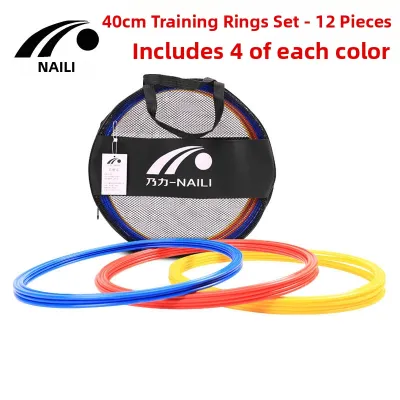
Prices are valid at publication and may change. Please refer to the product page for the latest price.
To make an informed purchase, you must first evaluate the primary purpose of the cones in your training curriculum. Agility drills require low-profile cones that do not present a tripping hazard, allowing players to focus entirely on their footwork and ball control. Boundary marking, on the other hand, requires taller, highly visible markers that players can easily spot from across the pitch, even during fast-paced small-sided games. Matching the cone’s physical specifications to the specific drill type ensures that your training sessions remain both safe and highly effective.
Additionally, the skill level of the players and the carrying method of the coach must be taken into account. Youth players and beginners need bright, distinct visual cues to understand spatial boundaries and tactical positioning. Advanced players, who move at much higher speeds, require flexible cones that can withstand high-impact collisions and immediate recovery. For coaches who travel between multiple schools or community pitches, portability is a non-negotiable factor. Transporting heavy, rigid equipment via local public utility vehicles (PUVs) or motorcycles is incredibly difficult. Therefore, selecting highly stackable, lightweight plastic cones that come with a durable carrying strap or spindle is essential for daily convenience.
Finally, the local tropical climate is a major factor that cannot be ignored. The Philippines experiences extreme weather patterns, transitioning from intense, dry heat with high UV exposure to heavy monsoon rains and high humidity. These environmental conditions rapidly accelerate the degradation of low-grade plastics, causing them to become brittle, faded, and prone to cracking. Investing in high-quality, weather-resistant plastic cones is not just a matter of convenience; it is a critical safety measure. Brittle plastic cones that shatter when stepped on can leave sharp, dangerous shards on the pitch, posing a severe risk of lacerations to players.
Best Types of Plastic Training Cones for Football Drills
Selecting the right type of plastic cone depends heavily on the specific training drills you plan to conduct. Rather than looking for a single, universal cone that claims to do everything, successful coaches utilize a strategic mix of different cone designs. By understanding the unique advantages, material compositions, and ideal use cases of each cone type, you can build a highly versatile training kit that adapts to any pitch condition and training goal.

Low-Profile Disc Cones for Agility and Dribbling
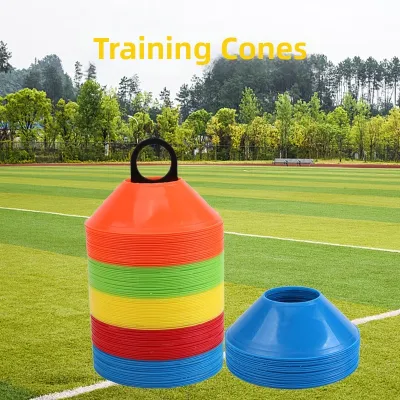
Low-profile disc cones, often referred to as saucer cones, are the undisputed workhorses of modern football training. Measuring approximately two inches in height and seven to eight inches in diameter, these flat, dome-shaped markers are designed specifically for close-ball control, rapid footwork, and high-intensity agility drills. Their primary advantage lies in their unique physical design, which prioritizes player safety and training continuity above all else.
The flat, flexible structure of a high-quality disc cone ensures that if a player accidentally steps on it during a high-speed sprint or a complex dribbling sequence, the cone simply collapses flat under the weight. Once the foot is lifted, the plastic immediately pops back up into its original shape without cracking or shifting significantly. This flexible behavior is crucial for preventing lateral ankle sprains and knee strains, which commonly occur when a player’s foot catches on a rigid, unyielding object. Furthermore, because these cones are soft and low to the ground, they will not damage the expensive studs or cleats of football boots, nor will they violently deflect a low-driven pass if the ball happens to roll over them.
When shopping for disc cones, it is vital to verify the material composition. The best disc cones are manufactured from Low-Density Polyethylene (LDPE) or soft Polyvinyl Chloride (PVC). These materials offer the perfect balance of flexibility, tensile strength, and impact resistance. Avoid cheap, rigid plastic alternatives that mimic the shape of disc cones but lack the necessary elasticity; these rigid versions will crack upon the very first impact, rendering them useless and creating dangerous, sharp plastic fragments on your training field.
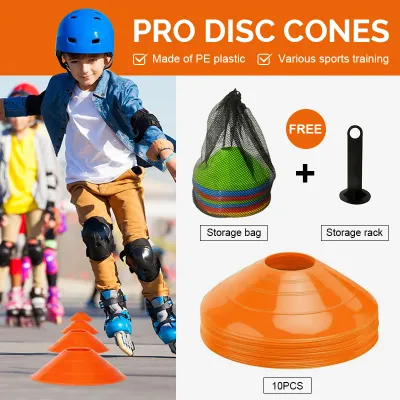
In terms of utility, disc cones are incredibly easy to stack, store, and transport. A standard set of 50 disc cones can be stacked onto a single plastic or metal spindle, taking up minimal space in a coach’s gear bag. This high level of portability makes them the ideal choice for traveling trainers, school PE teachers, and players who practice independently in local parks or barangay courts. Whether you are setting up a Coerver dribbling grid, a slalom agility run, or a tight-space passing triangle, disc cones provide the ultimate combination of safety, durability, and convenience.
Tall Marker Cones for Boundaries and Zone Marking
While low-profile disc cones excel at close-quarters agility work, they are often difficult to see from a distance, especially on large, open pitches or during fast-paced tactical scrimmages. This is where tall marker cones, typically ranging from 9 inches to 12 inches in height, become essential. These taller cones serve as highly visible physical landmarks, making them perfect for defining pitch boundaries, marking out goalposts for small-sided games, and establishing clear training zones.
The primary requirement for a tall marker cone is high visibility and stability. When players are sprinting at full speed or scanning the field for a passing option, they need to be able to instantly identify the boundaries of the playing area without having to look down at their feet. Tall cones provide a clear, vertical visual reference point that remains visible even from the opposite side of a full-sized pitch. This makes them invaluable for tactical drills, such as setting up wide channels for wingers, marking out midfield pressing zones, or establishing temporary penalty areas.
Because tall marker cones are larger and catch more wind, their base design and weight are critical factors, particularly in the windy, open-field environments common in many Philippine sports complexes. Look for cones that feature a wide, square base to distribute weight evenly and prevent tipping. Many high-quality tall cones also incorporate a hollow, aerodynamic design with slotted sides or holes. This allows wind to pass directly through the body of the cone, significantly reducing wind resistance and ensuring the cone remains upright even during sudden tropical gusts or stormy weather.
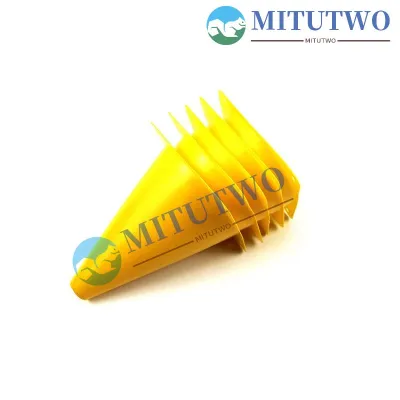
Since players are not meant to step on tall boundary cones during normal play, they are often constructed from a slightly more rigid plastic, such as High-Density Polyethylene (HDPE). However, even rigid cones must possess a degree of impact resistance. A hard-kicked size 5 football can easily shatter cheap, brittle plastic cones. High-quality tall markers are designed to flex slightly upon impact, absorbing the kinetic energy of the ball without cracking. For maximum safety, look for models that feature a collapsible or “breakaway” design, which allows the cone to fold or compress if a player accidentally collides with it during a high-intensity play.
Comprehensive Cone Sets with Carriers and Accessories
For football clubs, school teams, or dedicated coaches running structured training programs, purchasing individual cones is rarely practical or cost-effective. A comprehensive training session for a squad of 15 to 20 players typically requires a diverse array of markers, often exceeding 40 disc cones and 10 tall cones. To meet this demand efficiently, investing in a comprehensive cone set that includes dedicated carriers and integrated training accessories is highly recommended.
A high-quality bundled set offers far more than just a collection of plastic markers; it provides an organized, professional training system. Most comprehensive sets include a mix of disc cones in multiple contrasting colors, allowing coaches to set up different stations or color-coded drills simultaneously. The inclusion of a heavy-duty carrying spindle—either made of rust-resistant metal or thick, reinforced plastic—is essential for keeping the cones organized and preventing them from scattering in your gear bag. A durable mesh drawstring carrying bag is another crucial component, as it allows wet, muddy cones to breathe and air-dry during transport, preventing the growth of mold and mildew in the humid Philippine climate.
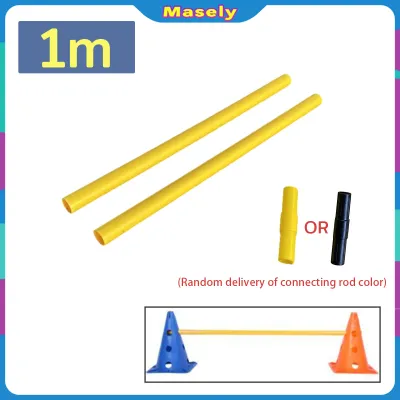
Furthermore, many advanced training sets bundle plastic cones with complementary agility equipment, such as speed ladders, adjustable hurdles, and resistance bands. This integration allows for highly varied and progressive physical conditioning sessions. For instance, some disc cones feature pre-cut slots on their top domes, allowing you to insert plastic hurdles rods to create low-profile agility hurdles. This multi-functional design provides exceptional value for money, allowing you to transition seamlessly from dribbling drills to plyometric jump training.
When evaluating a comprehensive set, it is crucial to inspect the quality of the non-plastic components. While the cones themselves may be durable, cheap carrying straps, weak plastic buckles, and thin mesh bags will quickly fail under the daily wear and tear of team training. Look for sets that feature double-stitched nylon carrying straps, heavy-duty metal zippers, and reinforced bases on the carrying spindles. Checking the total piece count and verifying that the manufacturer offers replacement cones in matching colors will ensure that your training kit remains complete and functional for multiple seasons.
Key Features to Check Before Buying
With countless options available on the market, selecting the best plastic cone for training requires a careful evaluation of specific technical features. In the demanding tropical environment of the Philippines, minor differences in material quality, design, and manufacturing can have a massive impact on the performance, safety, and lifespan of your training gear. To ensure you get the best value for your investment, keep the following key features in mind before making a purchase.
- Material and Flexibility: The single most important factor determining the safety and durability of a training cone is the type of plastic used in its construction. For agility and disc cones, always prioritize soft, highly flexible plastics such as Low-Density Polyethylene (LDPE) or high-grade Polyvinyl Chloride (PVC). These materials are specifically engineered to deform under pressure and immediately bounce back to their original shape, ensuring they do not crack when stepped on or run over. For taller boundary markers, a slightly more rigid plastic like High-Density Polyethylene (HDPE) is acceptable, but it must still retain enough elasticity to absorb high-velocity impacts from footballs without shattering. Avoid any products made from cheap, brittle polystyrene or low-grade recycled plastics, which feel hard and rigid to the touch; these will crack easily under the sun or when subjected to physical impact.
- Color and Visibility: Football is a fast-paced game that requires rapid decision-making and quick visual processing. Therefore, your training cones must stand out clearly against the playing surface. For natural grass and green artificial turf pitches, high-visibility neon colors such as bright orange, neon pink, and vibrant yellow offer the best contrast. If you frequently train on the gray concrete courts commonly found in local barangay multi-purpose centers, neon green and bright yellow are highly effective. Avoid dark or muted colors like deep blue, forest green, or dark red, as they tend to blend into the background, particularly during late-afternoon sessions or under low-lux outdoor floodlights. Utilizing a multi-colored set also allows you to run complex, cognitive drills where players must react to specific color commands.
- Weather Resistance: The Philippine climate presents unique challenges for outdoor sports equipment. Intense, direct sunlight exposes training gear to high levels of ultraviolet (UV) radiation, which can rapidly break down the polymer chains in basic plastics, leading to severe fading, brittleness, and eventual cracking. To combat this, look for cones that are explicitly labeled as "UV-stabilized" or "weatherproof." These products contain chemical additives that absorb or reflect UV light, preserving the plastic's flexibility and vibrant color over years of outdoor exposure. Additionally, the cones must be able to withstand heavy monsoon rains without absorbing water, becoming excessively slippery, or warping due to sudden temperature shifts.
- Base Design and Stability: The design of the cone's base determines how well it performs on different training surfaces. For outdoor grass pitches, look for tall cones that feature a wide, stable base with pre-drilled holes at the corners. These holes allow you to secure the cones to the turf using metal U-pegs on extremely windy days. For indoor futsal courts or polished concrete barangay pitches, the base must be completely flat, smooth, and free of sharp plastic burrs or flashing left over from the manufacturing process. A rough base can easily scratch expensive indoor court finishes or cause the cone to slide unpredictably when brushed by a ball. Some premium cones feature non-slip rubberized pads on the underside of the base to provide maximum grip on smooth, hard surfaces.
Where to Buy Football Cones in the Philippines
Acquiring high-quality plastic training cones in the Philippines is highly accessible, provided you know where to look and how to evaluate online listings. Whether you prefer the tactile experience of shopping in a physical retail store or the convenience of browsing major online marketplaces, understanding the local purchasing landscape will help you find the best deals while avoiding low-quality counterfeits.
For those who prefer to inspect the equipment before buying, visiting local sporting goods stores and specialized football equipment shops in major metropolitan areas like Metro Manila, Cebu, and Davao is highly recommended. Physical retail shopping allows you to personally test the flexibility of the plastic, feel the weight of the cones, and inspect the quality of the carrying bags and spindles. Specialized football shops often carry premium, club-grade brands that are specifically designed for high-intensity academy training, ensuring superior durability compared to generic department store options.
If you prefer the convenience of online shopping, major e-commerce platforms and online marketplaces offer an incredibly wide selection of training cones. When searching for a plastic cone for training, always filter your search results to show local sellers within the Philippines. Purchasing from local sellers significantly reduces shipping times—typically delivering within 2 to 5 days—and avoids the high international shipping fees and potential customs delays associated with overseas sellers. Be sure to look for official brand stores or highly rated preferred sellers who have a proven track record of customer satisfaction.
Before finalizing any online purchase, take the time to read customer reviews thoroughly, focusing on feedback from other football coaches or players. Look for uploaded photos and videos that demonstrate the flexibility of the cones under pressure. Pay close attention to reviews that mention whether the cones arrived warped due to improper packaging, and verify if the seller provides a clear material specification (such as LDPE or PVC) in the product description. Finally, always compare the cost of comprehensive bundles against individual packs; investing in a complete 50-piece set with a carrier is almost always more economical than buying multiple small packs, especially when factoring in local shipping costs.
Frequently Asked Questions (FAQ)
To help you get the most out of your training equipment, here are answers to some of the most common questions regarding the selection, usage, and maintenance of plastic football training cones in the Philippines.
Can I use standard traffic cones for football training?
While standard orange traffic cones are highly visible and heavy enough to withstand strong winds, they are not recommended for football training drills. Traffic cones are manufactured from thick, rigid PVC or heavy recycled rubber designed to withstand vehicular impacts, making them exceptionally stiff and heavy. If a player accidentally steps on or collides with a standard traffic cone during a high-speed sprint or agility drill, the cone will not collapse or flex. This rigid resistance poses a significant risk of severe ankle sprains, knee strains, or impact bruises. For player safety and injury prevention, it is always best to use flexible, sports-specific plastic cones that are engineered to deform under pressure and immediately absorb the force of an impact.
How do I clean and store plastic cones after training on muddy fields?
Muddy pitches are a common reality during the Philippine rainy season, and proper maintenance is key to extending the lifespan of your training cones. Immediately after a muddy training session, rinse the cones thoroughly with clean tap water to remove mud, clay, and grass clippings. For stubborn dirt, wipe the surfaces with a soft, damp cloth; avoid using harsh chemical solvents, bleach, or abrasive scrubbing brushes, as these can degrade the plastic and dull the high-visibility colors. Once clean, allow the cones to air dry completely in a shaded, well-ventilated area before stacking them. Never store wet or damp cones in a sealed plastic bag, as this promotes the growth of mold and mildew. Additionally, avoid leaving your stacked cones in direct, intense sunlight on a balcony or in the trunk of a hot car for prolonged periods, as extreme heat buildup will accelerate UV degradation and make the plastic brittle.

Community discussion
Share your experience or ask a question. Comments are reviewed before publication.