
To direct a football match or training session effectively on an open pitch, you need a reliable communication tool that can cut through ambient noise and withstand the elements. In the Philippines, where football coaches regularly manage sessions under intense tropical heat, high humidity, and sudden monsoon rains, selecting the right whistle is a practical necessity. A high-quality plastic whistle is the standard choice for coaches, trainers, and physical education teachers across the country, offering a combination of safety, durability, and acoustic performance.
While a whistle might seem like a simple accessory, the differences in design, material quality, and sound mechanics can significantly impact your coaching efficiency. A weak whistle forces you to strain your voice, while a poorly constructed one can fail during a critical drill or even pose a safety hazard. Understanding the specific features that make a plastic whistle suitable for the local climate and training environment will help you make an informed decision, ensuring your signals are heard clearly from the center circle to the touchlines.
Key Features to Look for in an Outdoor Football Whistle
Sound Projection and Pitch
Football pitches in the Philippines are often located in busy urban sports complexes, school campuses, or multi-use public parks. These venues are frequently surrounded by active traffic, cheering spectators, and adjacent training sessions, creating a dense layer of low-frequency background noise. To command attention in these environments, your whistle must produce a high-frequency pitch, typically ranging between 3,000 Hz and 4,000 Hz. The human ear is naturally highly sensitive to this frequency range, allowing the sound to cut through ambient chatter and wind shear across a standard 105-meter pitch. When selecting a whistle, prioritize models designed for outdoor sports, as they are engineered to project sound forward rather than dispersing it globally.
Products mentioned in this guide
![[COD] CISWGE SPORTS Football Soccer Referee Plastic Whistle Lanyard Emergency Loud Sound](https://img.lazcdn.com/g/p/b29fab20457b7aec679f23eb11aff2bc.jpg_400x400q80.jpg_.webp)
![[COD] SHGMYD Football Soccer Referee Plastic Whistle Lanyard Emergency Loud Sound](https://img.lazcdn.com/g/p/7655b89b7478670aa736204666cb92fc.jpg_400x400q80.jpg_.webp)
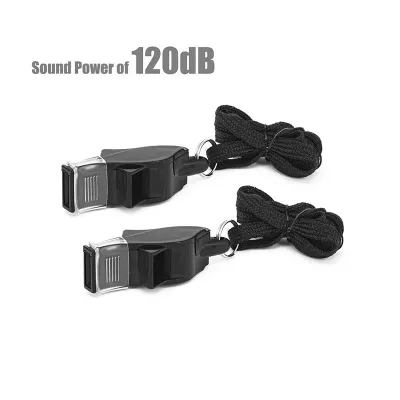
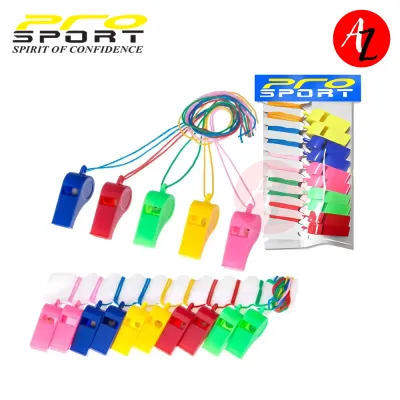
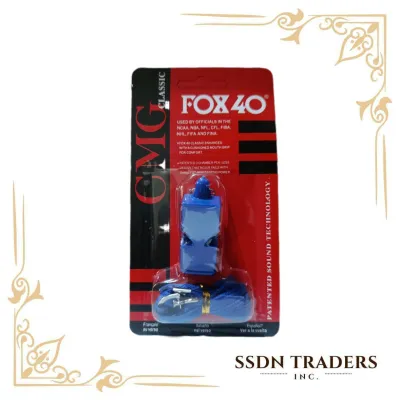
Prices are valid at publication and may change. Please refer to the product page for the latest price.
Material Durability
Coaching football involves active movement, demonstration, and frequent equipment handling, which inevitably leads to dropped gear. Your whistle will regularly make contact with hard surfaces, including concrete walkways, gravel paths, and compacted artificial turf. High-quality plastic whistles are typically constructed from engineering-grade plastics such as Acrylonitrile Butadiene Styrene (ABS) or polycarbonate. ABS plastic is highly valued for its exceptional impact resistance and structural rigidity, ensuring the whistle does not crack, chip, or shatter when dropped. This durability is essential for community coaches and school sports programs that require gear capable of surviving multiple intense competitive seasons.
Weather and Moisture Resistance
The tropical climate of the Philippines presents distinct environmental challenges, characterized by high relative humidity and sudden tropical downpours, particularly during the rainy season. Traditional metal whistles are highly susceptible to corrosion and rust when exposed to moisture, and they can develop an unpleasant metallic taste over time. High-grade plastic is completely inert and impervious to water, sweat, and humidity. It will not rust, degrade, or react with saliva, making it the most reliable material for year-round outdoor coaching. Whether you are running a summer training camp in April or managing a rainy match in September, a plastic whistle maintains its performance without structural degradation.
Hygiene and Mouthpiece Design
Because a whistle is held in the mouth for extended periods, hygiene and comfort are primary considerations. Quality plastic whistles feature smooth, non-porous surfaces that prevent bacteria, mold, and organic debris from embedding in the material. Additionally, many modern designs incorporate thermoplastic elastomer overmolds, commonly referred to as cushioned mouth grips. These rubberized mouthpieces provide a secure grip for your teeth, allowing you to hold the whistle hands-free without slipping. More importantly, they act as a shock absorber, protecting your teeth from accidental impacts if a player or a stray football collides with you during a drill.
Pealess vs. Pea Whistles: Choosing the Right Sound Profile
Selecting the internal mechanism of your whistle is the most critical decision affecting its reliability and performance on the pitch. The two primary designs—pealess and pea-style—operate on different acoustic principles and perform differently under tropical outdoor conditions.

Pealess Chamber Designs
Pealess whistles represent the modern standard for sports officiating and outdoor coaching. Instead of using a moving part to modulate the sound, these whistles utilize precisely engineered internal chambers to compress, accelerate, and split the air as you blow. This aerodynamic design creates a sharp, high-decibel trill that is incredibly consistent.
- Reliability in Wet Conditions: Because there are no moving parts inside, a pealess whistle is completely immune to jamming from water, saliva, or mud. If water enters the chambers during a heavy downpour, you can easily blow it out with a single sharp breath, restoring full volume instantly.
- Ease of Use: Pealess designs require less lung pressure to achieve their maximum volume. This allows you to blow short, rapid bursts of commands without quickly exhausting yourself during long, hot afternoon training sessions.
- Consistent Acoustic Output: The sound produced by a pealess whistle is incredibly distinct and uniform, making it easily recognizable to players even at a distance.
Classic Pea Mechanisms
Traditional whistles contain a small, spherical “pea”—historically made of natural cork, but now typically made of synthetic materials—inside a single large acoustic chamber. When you blow into the whistle, the air pressure forces the pea to rotate rapidly, intermittently blocking and opening the sound port to create a classic, rolling warble.
- Acoustic Modulation: Many veteran coaches and referees prefer the pea design because it offers excellent acoustic feedback. By varying your breath control, you can modulate the tone, intensity, and duration of the whistle blow to convey different meanings, such as a minor foul versus a serious stoppage.
- Moisture Sensitivity: The primary drawback of the pea design is its vulnerability to moisture. In high-humidity environments, saliva and rainwater can cause a natural cork pea to swell, while dirt and sweat can cause a synthetic pea to stick to the inner chamber wall. When the pea sticks, the whistle fails to vibrate, producing only a quiet, breathless hiss instead of a loud signal.
- Maintenance Requirements: To prevent jamming, pea whistles require frequent cleaning and thorough drying, making them less practical for coaches who work in dusty or highly humid outdoor conditions.
Grip Styles and Attachments for Hands-Free Coaching
How you carry and hold your whistle directly affects your mobility, safety, and response time during dynamic training drills. Different coaching styles require different attachment methods.
Lanyard and Neck Straps
Wearing your whistle on a lanyard around your neck is the most common method for keeping it accessible. However, safety is a critical consideration when active movement is involved. If you are demonstrating a tackle, running alongside players, or managing physical contact, a standard lanyard can catch on equipment or a player’s hand, posing a choking hazard.
To mitigate this risk, always choose a lanyard equipped with a safety breakaway clasp. This plastic connector is designed to pop open automatically under sudden tension, preventing neck injuries. Additionally, select lanyards made of quick-drying, lightweight polyester or nylon rather than heavy cotton, as cotton absorbs sweat and dirt, leading to unpleasant odors and skin irritation in hot weather.
Finger-Grip and Ring Whistles
For coaches who actively manage training drills while holding other tools, finger-grip whistles are an excellent alternative. These designs feature an adjustable plastic or padded metal ring that slides onto your index and middle fingers, keeping the whistle positioned securely against your palm.
This setup allows you to hold a stopwatch, a tactical clipboard, or a water bottle without dropping your whistle. When you need to signal, you simply raise your hand to your mouth, saving valuable seconds and maintaining continuous control over the training session without having to fumble for a dangling neck strap.
Handheld and Ergonomic Designs
Some coaches prefer not to wear anything around their neck or fingers, choosing instead to carry the whistle directly. Ergonomic handheld whistles are shaped to fit naturally in the palm of your hand, often featuring textured rubber grips or contoured finger rests.
These models are easy to grab quickly from a pocket or a coaching bag and are highly favored by head coaches who primarily observe and direct from the sidelines rather than running active drills on the pitch. They also eliminate any risk of neck strain or finger restriction during long coaching sessions.
Where to Buy and How to Spot Authentic Sports Whistles
Sourcing a reliable whistle in the Philippines requires careful selection to avoid low-quality counterfeits that perform poorly and degrade quickly.
Official Retailers and Authorized Sports Shops
To ensure you are purchasing a genuine, high-quality plastic whistle, buy from official brand stores, authorized physical sports retailers in major commercial centers, or verified mall stores on major online marketplaces. Authentic sports equipment brands invest heavily in acoustic engineering and food-grade materials. Purchasing from reputable sources guarantees that the whistle you receive will perform as specified, comply with safety standards, and will not degrade prematurely under the harsh tropical sun.
Evaluating Product Listings
When shopping online, carefully read the product descriptions and specifications. Look for explicit mentions of food-grade ABS plastic, BPA-free certifications, and impact-resistant construction. Be highly skeptical of listings that claim impossibly high decibel levels (such as 130 dB or more) at extremely low prices. Genuine manufacturers focus on clear, high-frequency sound projection and structural integrity rather than exaggerated volume metrics. Additionally, check customer reviews for feedback on the actual pitch and durability of the whistle, ignoring generic delivery-related comments.
Red Flags for Counterfeit or Toy-Grade Whistles
Cheap, unbranded, or counterfeit whistles are widely available but are highly unsuitable for serious coaching. These low-quality items are typically made of brittle, recycled plastics that emit toxic chemical odors and can easily crack, creating sharp, jagged edges that can cut your lips or tongue.
When inspecting a whistle, look at the seams; poor molding with visible excess plastic (flashing) indicates low-grade manufacturing. Furthermore, toy-grade whistles lack engineered internal chambers, resulting in a weak, airy sound that will easily be drowned out by wind, rain, or player chatter on an open football pitch.
Hygiene and Maintenance in Humid Conditions
Proper care and maintenance are essential to ensure your plastic whistle remains hygienic, safe, and functional in the hot and humid climate of the Philippines.
Routine Cleaning
Because coaching whistles are exposed to saliva, sweat, and outdoor dust, regular cleaning is essential to prevent the buildup of bacteria and mold. After every training session, wash your whistle with mild dish soap and lukewarm water. Use a cotton swab or a small, soft-bristled brush (such as a clean toothbrush) to gently clean the mouthpiece and the internal chambers, removing any dried saliva or debris. Avoid using harsh chemical disinfectants, bleach, or boiling water, as these can warp the plastic, degrade cushioned mouth grips, or leave harmful chemical residues that you might later inhale or swallow.
Drying and Storage
Once washed, shake out any excess water from the internal chambers. Place the whistle in a well-ventilated, shaded area to air-dry completely before placing it back into a closed coaching bag or storage case. Storing a damp whistle in a dark, sealed environment in a humid climate creates a perfect breeding ground for mold, mildew, and bacteria. Additionally, avoid leaving your whistle in direct, intense midday sunlight for extended periods when not in use, as prolonged UV exposure can eventually make plastic brittle and prone to cracking.
Inspecting for Wear
Regularly inspect your whistle and its attachments for signs of wear. Check the plastic body for hairline cracks, deep bite marks, or rough edges that could pinch your lips or collect bacteria. For whistles with cushioned mouth grips, ensure the rubberized material is not peeling or degrading. Additionally, examine your lanyard for fraying or a failing breakaway clasp. Replace any damaged components immediately to ensure safe and reliable performance during your training sessions.
Frequently Asked Questions (FAQ)
Can I use a metal whistle instead of plastic for football coaching?
While metal whistles are durable, plastic whistles are generally preferred for outdoor daytime coaching in the Philippines. Metal mouthpieces absorb heat rapidly under direct, intense tropical sunlight, making them uncomfortably hot or even painful to hold in your mouth. Furthermore, if you accidentally collide with a player or trip during a drill, a hard metal whistle poses a much higher risk of dental injury compared to a flexible or cushioned plastic whistle.
How loud does a football coaching whistle need to be?
While volume is important, the acoustic pitch and frequency of the whistle are far more critical for outdoor sports. A whistle does not need to be deafeningly loud to be effective; rather, it needs to produce a clear, high-frequency tone (typically around 115 to 120 decibels) that cuts through ambient noise. Prioritize whistles designed specifically for outdoor sports, which focus on sound projection and pitch clarity over unverified, raw decibel ratings.

Community discussion
Share your experience or ask a question. Comments are reviewed before publication.