
Car camping in the Philippines offers an incredible way to explore scenic highlands, coastal beaches, and lush forest parks without the physical strain of carrying heavy gear on your back. To make the most of these adventures, selecting a shelter that balances interior comfort with the physical limits of your vehicle’s cargo space is essential. For local travelers, finding a reliable car owning tent portable setup that fits your trunk and withstands tropical weather is the key to a successful, stress-free getaway. Unlike backpacking, where every gram counts, vehicle-based camping allows you to prioritize livability, weather protection, and ease of setup.
How to Evaluate Portable Tents for Car-Owning Campers
When transitioning from traditional hiking to vehicle-based camping, your approach to selecting gear changes dramatically. Backpacking tents are engineered for extreme weight reduction, utilizing ultra-thin fabrics, minimalist pole structures, and tight interior dimensions. While these designs are excellent for long trail hikes, they often feel cramped and fragile during a relaxed weekend camp. Car camping allows you to shift your focus toward comfort, durability, and interior volume, as your vehicle handles the heavy lifting.
Before purchasing any shelter, you must measure its packed dimensions against your vehicle’s available trunk space. A common mistake is buying an oversized family tent only to discover it occupies the entire cargo area, leaving no room for essential gear like coolers, camp stoves, folding chairs, and sleeping pads. Take physical measurements of your trunk’s width, depth, and height, and compare them directly to the packed specifications listed on the tent’s packaging.
Products mentioned in this guide
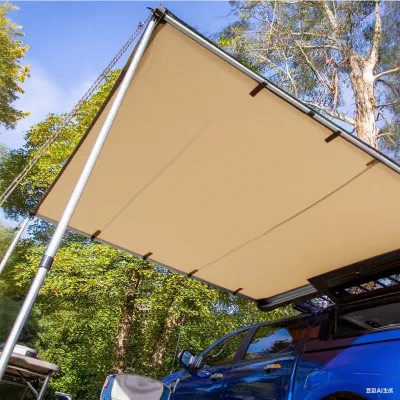
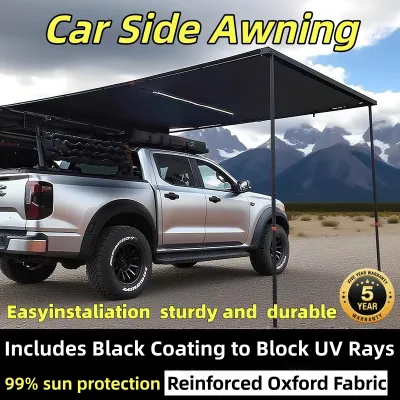
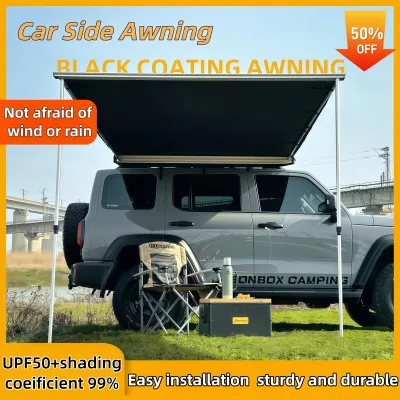
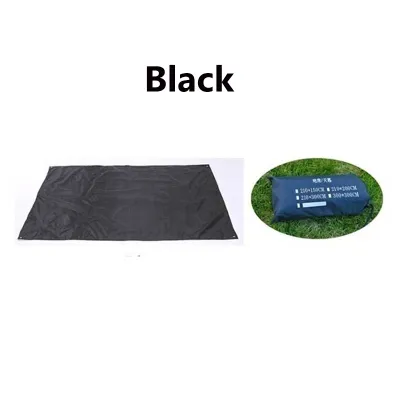
Prices are valid at publication and may change. Please refer to the product page for the latest price.
Another critical factor is understanding the difference between a tent’s stated capacity and its actual usable capacity. A manufacturer’s “4-person” rating typically assumes four adults sleeping shoulder-to-shoulder on thin pads with no personal gear inside. In the hot and humid climate of the Philippines, sleeping this close to others is highly uncomfortable and severely limits airflow. To ensure a comfortable night, it is highly recommended to size up: a couple should opt for a 3-person or 4-person tent, while a family of four will be much better served by a 6-person model.
Best Tent Styles for Car-Based Trips
Selecting the right tent architecture depends heavily on your group size, travel style, and how much time you want to spend setting up camp. Different designs offer distinct advantages in terms of headroom, wind resistance, and ease of deployment.

Pop-Up and Instant Tents
Pop-up and instant tents are designed for maximum convenience, utilizing pre-attached telescoping poles or integrated hub systems that allow the structure to be fully deployed in minutes. To set them up, you simply unpack the tent, extend the telescoping poles until they click into place, or release a spring-loaded central hub. This rapid-deployment mechanism is incredibly useful if you frequently arrive at campsites late in the evening or want to minimize physical effort after a long drive.
However, these convenience-focused designs come with notable trade-offs. Because the poles are permanently attached to the fabric, instant tents are often significantly heavier and bulkier when folded compared to traditional manual-assembly tents. Instead of a compact carrying bag, some pop-up models fold into a large, flat disc that can be difficult to pack flat in a standard sedan trunk. Additionally, the complex joints and plastic hubs in these mechanisms represent potential points of failure; if a joint snaps or a hub breaks under high mechanical stress, the entire tent can become unusable. They also tend to offer less stability in high winds compared to traditional geodetic or dome structures.
This style is ideal for solo travelers, couples, or small families who prioritize convenience and quick setups on short weekend trips. They perform exceptionally well at established, sheltered campsites with level ground and predictable weather conditions.
Tunnel and Cabin Tents
For campers who plan to stay at a single campsite for several days, tunnel and cabin tents offer unparalleled interior space and comfort. Cabin-style tents feature near-vertical walls and high ceilings, often exceeding six feet in height, allowing most adults to stand completely upright inside. This makes changing clothes, organizing gear, and moving around inside the tent incredibly easy. Tunnel tents use a series of parallel, arched poles to create a long, aerodynamic structure that maximizes floor space while offering excellent resistance to wind when pitched correctly.
These spacious designs are heavy and have large packed dimensions, making them strictly suitable for car camping where the vehicle serves as the primary transport. Many models in this category feature built-in room dividers, allowing you to separate the interior into private sleeping quarters or create a dedicated living and gear storage area. They also frequently include multiple large entry doors and vestibules, which are highly beneficial for larger groups to enter and exit without disturbing others.
If you are traveling with a large family or a group of friends to established campsites in cooler regions like Sagada, Don Salvador Benedicto, or the highlands of Bukidnon, a cabin or tunnel tent provides the home-like comfort needed for an extended stay.
Roof-Top Tents (Vehicle-Mounted)
Roof-top tents (RTTs) have surged in popularity among overlanding enthusiasts, offering an elevated sleeping platform mounted directly onto a vehicle’s roof rack system. This design keeps you completely off the wet, muddy ground, protects you from crawling insects, and provides a flat, consistent sleeping surface regardless of how rocky or uneven the campsite terrain is. Most RTTs feature integrated high-density foam mattresses and heavy-duty canvas walls, providing excellent insulation and comfort.
Before investing in a roof-top tent, you must perform critical safety and compatibility checks on your vehicle. It is mandatory to verify your vehicle manufacturer’s specified dynamic (driving) and static (parked) roof load limits, as well as the official weight rating of your aftermarket roof rack system. Dynamic limits refer to the weight the roof can safely support while the vehicle is in motion, which is significantly lower than the static limit. Never exceed these ratings, as doing so can severely compromise your vehicle’s center of gravity, handling, and structural integrity. If your vehicle or rack specifications are unclear, consult the manufacturer or a qualified automotive professional before installation.
While highly convenient once parked, roof-top tents represent a substantial financial investment, with high-quality models ranging from ₱40,000 to well over ₱100,000. They also remain semi-permanently attached to your vehicle, which increases aerodynamic drag, reduces fuel efficiency, and increases your vehicle’s overall clearance height—a vital factor to keep in mind when entering low-clearance urban parking structures.
Adapting to Philippine Weather and Campsite Conditions
The diverse geography of the Philippines exposes campers to a wide range of environmental challenges, from intense tropical heat and high humidity to sudden torrential downpours and strong coastal winds. Selecting a tent with the appropriate technical specifications is crucial for staying safe and comfortable.
Rain and Moisture Management
Tropical downpours, particularly during the southwest monsoon (habagat) season, can quickly flood a poorly constructed campsite. To prevent water from entering your sleeping area, choose a tent with a full-coverage rainfly that extends all the way to the ground, rather than a small “cap” style fly that only covers the roof. The floor of the tent should feature a bathtub-style design, where the thick, waterproof floor material wraps several inches up the lower walls before meeting the seams, preventing pooling ground water from seeping through the joints.
Do not rely solely on generic “waterproof” marketing claims. Instead, inspect the product specifications for a hydrostatic head rating, which measures the water pressure the fabric can withstand before leaking. A rating of 1,500mm to 3,000mm is generally recommended for reliable protection against heavy tropical rain. Additionally, verify that all seams on the rainfly and floor are factory-taped, which seals the tiny needle holes created during manufacturing.
Ventilation and Condensation
High humidity is a constant factor in the Philippines, especially in coastal and forest campsites. When you sleep, your body releases moisture through breathing and sweat; in a closed, poorly ventilated tent, this moisture hits the cool fabric walls and condenses into water droplets, dampening your gear. Double-wall tents, which feature a highly breathable mesh inner tent covered by a separate waterproof rainfly, are far superior to single-wall designs for tropical climates.
Look for tents with extensive mesh panels on the walls and ceiling to promote continuous cross-ventilation. Adjustable vents on the rainfly and ground-level vents are also highly effective, as they allow cool air to enter near the bottom while warm, moist air escapes through the top. This continuous airflow is essential for keeping the interior temperature bearable during warm tropical nights.
Wind Stability
If you plan to camp on exposed ridges in Benguet or along windy coastlines in Zambales, wind stability becomes a primary safety concern. Tall, flat-sided cabin tents act like sails in strong winds and can easily collapse if not properly secured. For windy environments, choose a dome or tunnel tent with a lower, aerodynamic profile that naturally channels wind over the structure.
Pay close attention to the pole materials. Aluminum poles are highly recommended for windy conditions because they offer an exceptional strength-to-weight ratio and can flex under sudden gusts without snapping. In contrast, inexpensive fiberglass poles are more rigid and prone to splintering under high stress. Always utilize all available guylines—the tension cords that secure the rainfly to the ground—and anchor them using heavy-duty stakes appropriate for the terrain, such as long, wide stakes for sandy beaches or rugged steel stakes for hard, rocky highland soils.
Pre-Purchase Checklist and Trunk Packing Strategy
A successful camping trip begins long before you arrive at the campsite. Proper preparation involves inspecting your gear’s build quality and packing your vehicle systematically to ensure safety and efficiency on the road.
Pre-Purchase Verification Checklist
Before finalizing your purchase, inspect the tent’s physical components to ensure long-term durability and ease of use:
- Zipper Durability: Examine the zippers closely. Look for robust, smooth-gliding zippers (such as YKK or certified heavy-duty equivalents) that feature storm flaps or fabric covers to prevent rain from seeping through the teeth.
- Attachment Mechanisms: Evaluate how the tent body attaches to the poles. Clip-on systems are generally faster to pitch and allow for a wider air gap between the inner tent and the rainfly, which enhances ventilation. Pole sleeves provide excellent structural support but can be more tedious to thread and can trap heat.
- Footprint Inclusion: Check if the tent package includes a footprint or ground tarp. If not, purchase a separate one. Placing a footprint beneath your tent protects the thin floor fabric from sharp rocks, twigs, and abrasive soil, preserving its waterproof coating.
- Manufacturer Instructions: Always review the manufacturer's official setup, wind limits, and care guidelines. If the instructions conflict with third-party advice, prioritize the manufacturer's manual to maintain your warranty.
Trunk Packing Strategy
Organizing your vehicle’s trunk efficiently prevents damage to your gear and makes camp setup significantly smoother:
- First-In, Last-Out (FILO): Pack your tent, tarps, and immediate shelter tools last so they are the first items you unpack when you arrive. If you encounter a sudden downpour at the campsite, you want to be able to pitch your shelter immediately without unloading your entire trunk onto the wet ground.
- Soft-Gear Buffer: Position heavy, rigid items like coolers, water containers, and camp stoves securely on the trunk floor, close to the vehicle's rear axle to maintain stable handling. Use soft items, such as sleeping bags, pillows, and clothing bags, to fill the empty spaces around hard gear, preventing them from shifting during transit along winding mountain roads.
- Weight Balance: Distribute weight evenly across the cargo area. Avoid overloading one side of the vehicle, which can negatively affect suspension wear and fuel economy.
Frequently Asked Questions (FAQ)
Can I use a regular backpacking tent for car camping?
Yes, you can physically use a backpacking tent, but it is not optimized for comfort. Backpacking models sacrifice vertical headroom and interior space to save weight. If you are car camping, weight is not a constraint, so a dedicated car camping tent will provide a much more comfortable experience with higher ceilings and thicker, more durable fabrics.
How do I prevent mold on my tent in humid climates?
Never store a tent while it is damp. If you must pack up your tent in the rain, unpack it and hang it to dry in a well-ventilated, shaded area within 24 hours of returning home. Ensure it is completely dry to the touch before long-term storage. If mildew or mold begins to form, consult the manufacturer’s specific cleaning instructions; typically, a gentle hand-wash with a soft sponge and a specialized, non-detergent gear cleaner is recommended to avoid damaging the waterproof polyurethane coatings.

Community discussion
Share your experience or ask a question. Comments are reviewed before publication.