
Finding the right roller skates for a three-year-old in the Philippines requires balancing physical development, safety, and local environmental conditions. At this early stage, a child’s bones, muscles, and coordination are still developing rapidly. The primary goal of toddler skates is not high-speed gliding, but rather building confidence, balance, and spatial awareness. Whether practicing on a smooth subdivision driveway, a local barangay basketball court, or inside a tiled living room, the right pair must offer maximum stability and a secure fit.
To make a safe and practical choice, parents must look beyond bright colors and cartoon designs. High-quality toddler skates feature robust ankle support, reliable sizing adjustments to accommodate rapid growth, and high-traction wheels that prevent slips on typical tropical surfaces. By focusing on structural integrity and protective gear, you can turn early skating attempts into a fun, injury-free outdoor adventure.
Key Features to Look for in Toddler Roller Skates
When shopping for a three-year-old’s first pair of skates, the mechanical design of the boot and frame dictates how easily your child will learn to balance. The most critical feature to prioritize is an adjustable sizing mechanism. Toddlers grow out of footwear quickly, and quality skates often feature a push-button or screw-adjust system that allows the toe cap to slide forward, expanding across three to four shoe sizes. This adjustability ensures the skates remain usable for more than a single season, but you must verify that the locking mechanism is made of durable, impact-resistant plastic or metal that will not slip or collapse under weight.
Products mentioned in this guide
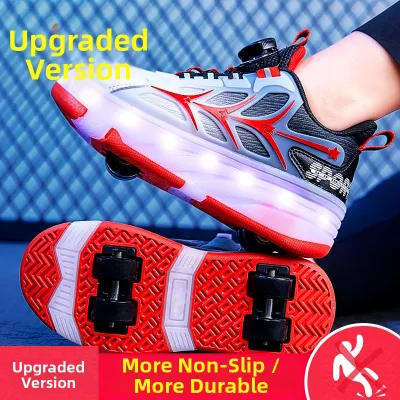
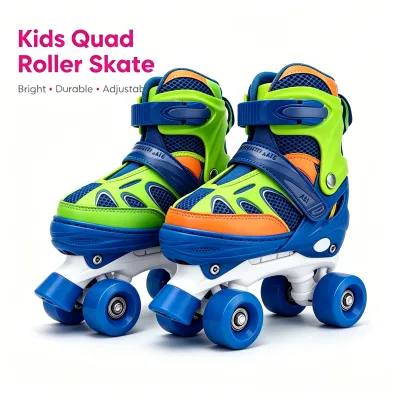
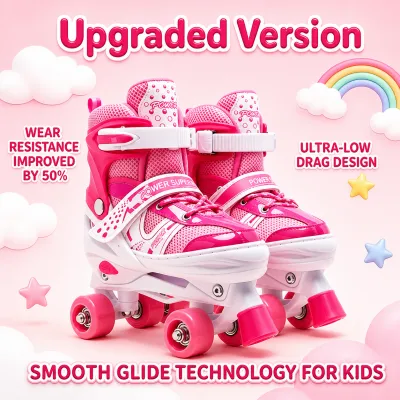
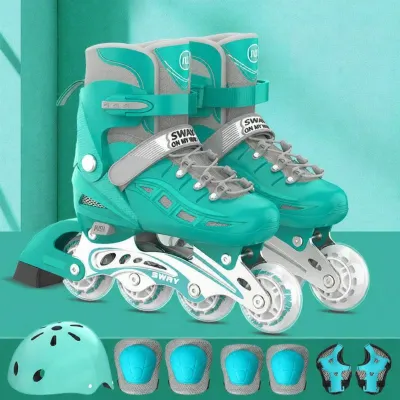
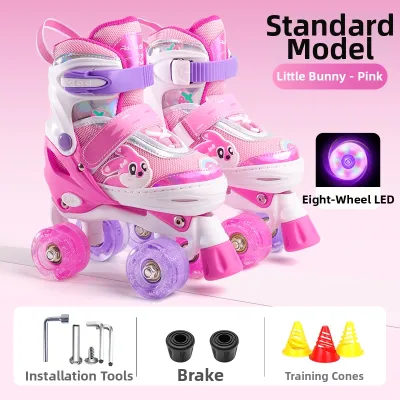
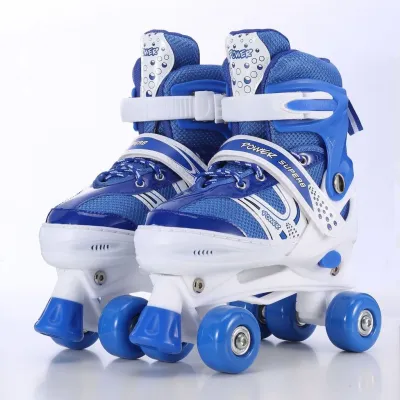
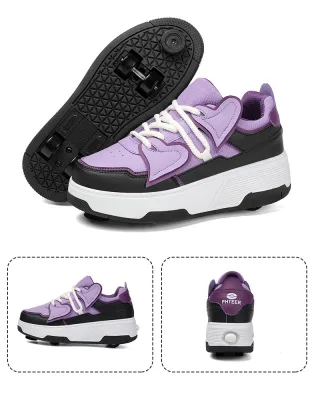
Prices are valid at publication and may change. Please refer to the product page for the latest price.
Ankle support is another non-negotiable feature for young beginners. A three-year-old’s ankles are highly flexible and prone to rolling inward if the boot is too soft. Look for a hard-shell plastic cuff that wraps securely around the ankle, holding the foot in a vertical position. While soft-boot skates are comfortable, they rarely provide the lateral stiffness required to keep a toddler’s feet aligned. The closure system should combine a secure cuff buckle, a mid-strap to lock the heel down, and laces or a secondary buckle to prevent any internal foot movement.
The material of the wheels and bearings directly influences safety and speed control. Avoid cheap skates that feature hard plastic wheels, as they offer zero grip on smooth tiles or concrete, leading to frequent slips and falls. Instead, choose polyurethane wheels, which provide excellent shock absorption and traction on both indoor and outdoor surfaces. For a three-year-old, look for wheels paired with low-precision or adjustable-tension bearings. High-speed bearings roll too freely, making it incredibly difficult for a toddler to maintain their footing. Some toddler-specific skates even feature a tension adjustment screw that allows parents to slow down the wheel rotation during the initial learning phase.
Finally, pay close attention to the brake system. On quad skates, a wide, non-marking polyurethane toe stop is essential for stopping and pushing off. Ensure the toe stop is securely bolted to the frame and made of a rubbery material rather than hard plastic, which can slide dangerously on smooth floors. For inline configurations, a sturdy heel brake on the right or both skates is necessary. The brake pad should be thick enough to make contact with the ground with minimal ankle extension, allowing a small child to slow down naturally without losing their balance.
Quad vs. Inline Skates for 3-Year-Olds
Choosing between quad skates (the classic four-corner wheel layout) and inline skates (wheels in a single line) is a common dilemma for parents. For a three-year-old, quad skates generally offer superior lateral stability when standing still. The wide, rectangular footprint makes it easier for a toddler to find their center of gravity and stand upright without their ankles wobbling side to side. This immediate sense of balance can boost a young child’s confidence, making them more willing to take their first steps on wheels.

However, inline skates have distinct advantages that should not be overlooked. While they require more lateral ankle strength to stand straight, inline skates offer better forward and backward stability because the wheelbase is typically longer than the boot itself. Additionally, inline wheels roll much more smoothly over cracks, pebbles, and uneven outdoor surfaces, which are common on Philippine pavements and neighborhood streets. If your child will be skating primarily outdoors on rougher concrete, inline skates with small, soft wheels can actually provide a less frustrating experience than quads, which can catch on tiny debris and cause sudden trips.
For parents who want the best of both worlds, transitional or convertible skates are an excellent alternative. These designs allow you to rearrange the wheel configuration as your child’s skills progress. They often start as a three-wheel setup—with two wheels in the back for stability and one in the front—and can later be converted into a standard inline configuration. This adaptability makes them a highly cost-effective stepping-stone, allowing the skates to evolve alongside your child’s developing motor skills and balance.
Ultimately, the choice depends on where your child will skate and their natural physical coordination. If you plan to practice mostly indoors on smooth tiles or at a dedicated indoor rink, quad skates provide an excellent, stable foundation. If you anticipate skating outdoors on subdivision roads, parks, or barangay courts, a convertible skate or a supportive pair of inline skates with soft polyurethane wheels will handle the terrain much better.
Essential Safety Gear and Protective Checks
No three-year-old should step onto roller skates without a complete set of protective gear. At this age, falls are not just likely; they are an essential part of the learning process. The most critical piece of equipment is a properly fitted helmet. Ensure the helmet is specifically rated for multi-impact sports like skateboarding or roller skating, rather than a standard bicycle helmet, as skate helmets offer more coverage at the back of the head. Look for recognized safety certification labels on the inside of the helmet shell. The helmet must sit flat on the head, positioned about two finger-widths above the eyebrows, with the chin strap adjusted snugly enough that only one or two fingers can fit underneath.
In addition to a helmet, a full set of pads—including wrist guards, knee pads, and elbow pads—is mandatory. For a three-year-old, finding pads that fit snugly without slipping down can be a challenge. Look for gear sets designed specifically for toddlers, featuring adjustable elastic straps and a sleeve-style design that slides over the limbs before the straps are fastened. Wrist guards are particularly important, as children instinctively put their hands out to break a fall; the guard must feature a rigid plastic splint on the palm side to absorb the impact and prevent hyperextension of the wrist.
Before every single skating session, parents must perform a quick safety inspection of all gear. Check that the plastic shells of the knee and elbow pads are free of deep cracks, and ensure the hook-and-loop straps still grip firmly and do not peel away under tension. Inspect the skates themselves: wiggle the wheels to ensure the axle bolts are tight, and press down on the toe stop or heel brake to verify it is securely attached. If any strap is frayed, a buckle is cracked, or a wheel feels loose, do not allow your child to skate until the issue is resolved.
Establishing clear stop conditions is vital for keeping the experience positive and safe. If you notice the protective pads shifting out of place, sliding down the limbs, or twisting during movement, stop the session immediately to readjust them. Furthermore, pay close attention to your child’s physical cues. A three-year-old’s muscles fatigue quickly, and tired legs lead to poor form, ankle rolling, and hard falls. If your child begins to drag their feet, complains of sore ankles, or loses focus, it is time to take off the skates and rest.
How to Measure and Fit Skates for Growing Feet
Achieving a precise fit is essential to prevent painful blisters, foot fatigue, and ankle instability. Because toddler feet grow rapidly and vary widely in shape, you should never rely solely on your child’s current street shoe size when purchasing roller skates. Instead, take accurate measurements at home. To do this, place a sheet of paper flat against a wall on a hard floor. Have your child stand upright on the paper with their heel gently touching the wall. Ensure they are bearing weight evenly on both feet. Trace the outline of the foot, keeping the pencil completely vertical. Measure the distance from the wall to the tip of the longest toe in millimeters or centimeters, and repeat the process for the other foot, as one foot is often slightly larger.
Once you have the exact measurement, compare it directly to the manufacturer’s specific size chart. Do not guess or round up excessively. While it is tempting to buy a size larger to get more use out of the skates, a boot that is too big will cause the heel to slip, leading to severe friction blisters and a lack of control that makes balancing nearly impossible. If the skates are adjustable, set them to the size that matches your child’s current foot length, ensuring there is no more than half a centimeter of extra space at the toe.
When trying on the skates, look for clear physical signs of a proper fit. Have your child stand up (with your assistance) and check if their heel lifts when they try to take a step. If the heel slips upward inside the boot, the skates are too loose or the closure system is not tight enough. Ask your child to wiggle their toes; they should be able to move them slightly, but their toes should not be pressed hard against the front of the boot. Watch for any lateral tilting of the foot inside the shell, which indicates the boot is too wide or lacks sufficient ankle support.
To ensure maximum comfort, always measure your child’s feet in the afternoon or evening, as feet naturally swell slightly throughout the day. Additionally, have your child wear the exact socks they will use while skating. Choose thick, moisture-wicking athletic socks that extend higher than the top of the skate cuff. This prevents the hard plastic shell of the boot from rubbing directly against their skin, reducing the risk of painful chafing and hot spots.
Where to Buy and What to Avoid in the Philippines
In the Philippines, finding high-quality roller skates for toddlers requires careful navigation of local retail options. While it can be tempting to purchase cheap, unbranded skates from general online marketplaces or local toy stores, these products often prioritize low prices over safety. Many toy-grade skates feature brittle plastic frames, non-functional bearings, and hard plastic wheels that offer no traction on typical local surfaces like smooth garage tiles or outdoor concrete. To ensure your child’s safety, look for reputable sporting goods stores, specialized skate shops, or the official online flagship stores of established sports brands.
When browsing product listings online, learn to spot red flags that indicate poor quality. Avoid listings that do not specify the materials used for the wheels and frame. If the description mentions plastic wheels or fails to mention polyurethane and ABEC ratings, it is highly likely a toy-grade product. Be skeptical of skates that lack clear safety certifications or those with flimsy, single-strap closure systems that offer no lateral ankle support. A quality pair of toddler skates in the local market typically ranges from ₱1,500 to ₱3,500; options priced significantly lower often compromise on structural integrity and material safety.
Whenever possible, visiting a physical sporting goods store in a major shopping mall is highly recommended for a child’s first pair of skates. This allows you to assess the stiffness of the boot shell, test the smoothness of the wheel rotation, and have your child try them on in person. You can immediately check for heel slippage and ensure the ankle support is rigid enough. If you must buy online due to convenience or limited local availability, prioritize sellers that offer clear, hassle-free return and exchange policies. Verify that you can swap the skates for a different size if the fit is not perfect upon arrival, and always double-check the seller’s sizing guide before finalizing your purchase.
Frequently Asked Questions (FAQ)
At what age can a child safely start roller skating?
Most children develop the gross motor skills, balance, and ankle strength required to start roller skating around the age of three. At this stage, their bones are still developing, so sessions should be short, playful, and highly supervised. Always check the manufacturer’s minimum age and weight recommendations, as some skates are structurally rated for older children. If your child can run, jump, and balance on one foot for a few seconds, they likely have the physical readiness to try toddler-specific skates.
Should I buy skates with light-up wheels for a 3-year-old?
Light-up wheels can be a fun feature that increases your child’s enthusiasm for skating, and they offer a minor safety benefit by improving visibility during late afternoon sessions in neighborhood streets. Most modern light-up wheels use magnetic kinetic energy, meaning they do not require batteries, which keeps them lightweight. However, ensure the wheels are still made of high-quality polyurethane rather than cheap, slippery plastic. If the light-up feature distracts your child from focusing on their balance, it may be better to stick to standard wheels.
How long do adjustable toddler skates typically last?
A quality pair of adjustable toddler skates can typically last between one to two years, depending on how quickly your child’s feet grow and how often they skate. Because these skates adjust across three to four sizes, they easily accommodate rapid growth spurts. However, the lifespan also depends on the wear and tear of the mechanical parts. Regularly inspect the adjustment buttons, buckles, and wheel bearings to ensure they remain functional. Once your child reaches the maximum size limit of the adjustable range, or if the boot shell shows signs of structural cracking, it is time to upgrade.

Community discussion
Share your experience or ask a question. Comments are reviewed before publication.