
Squeezing a resilient, palm-sized object is one of the most accessible and practical ways to manage daily anxiety or rebuild hand strength. However, finding the right stress balls for adult users in the Philippines requires balancing your physical goals with the realities of a tropical climate. High humidity, elevated temperatures, and daily hand sweat can quickly degrade cheap materials, turning a helpful desk accessory into a sticky, unusable mess. To get the most out of your purchase, you must first determine whether your body needs gentle mental decompression, structured strength training, or a hybrid tool that addresses both.
For pure mental decompression, soft polyurethane (PU) foam or gel-filled balls work best because they offer low resistance and high tactile comfort. Conversely, if your goal is to build forearm strength, improve your grip for sports, or recover from a hand injury, solid silicone or thermoplastic elastomer (TPE) balls are the ideal choice. These materials resist tropical humidity, do not absorb sweat, and provide the progressive resistance necessary to challenge your muscles. By matching the material and resistance level to your specific intent, you can find a durable tool that fits seamlessly into your daily routine.
Why Hand Grip and Stress Relief Require Different Tools
Many people assume that any squeeze ball can serve both to calm a racing mind and to build impressive forearm strength, but these two goals rely on entirely different physiological mechanisms. Mindless squeezing for stress relief is a low-intensity, high-repetition activity. Its primary purpose is to promote local blood flow, ease joint stiffness, and provide a soothing physical outlet for nervous energy. This rhythmic contraction and relaxation stimulates the parasympathetic nervous system, which helps lower your heart rate and reduce cortisol levels without causing muscle fatigue.
Products mentioned in this guide
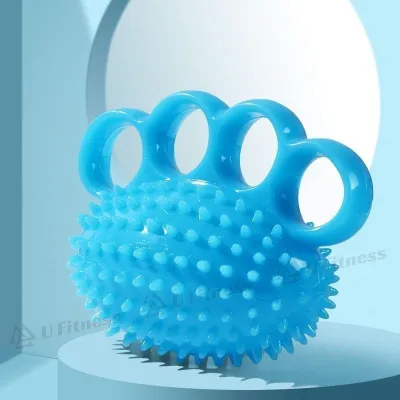
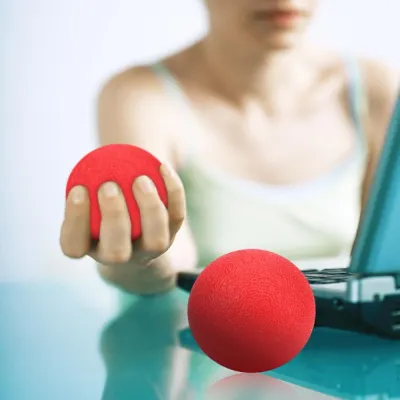
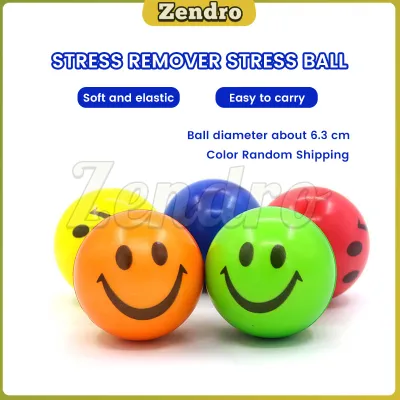
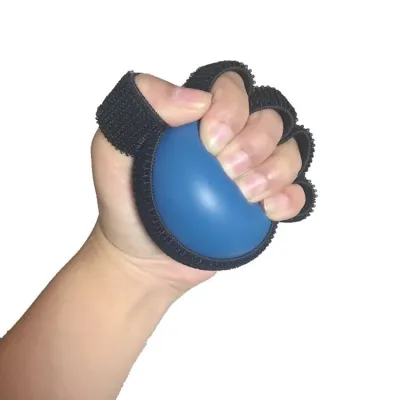
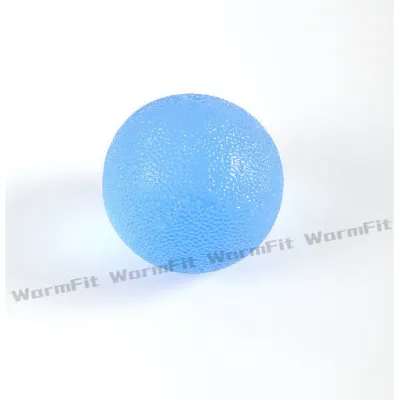
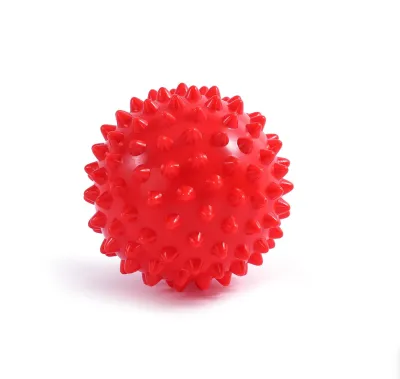
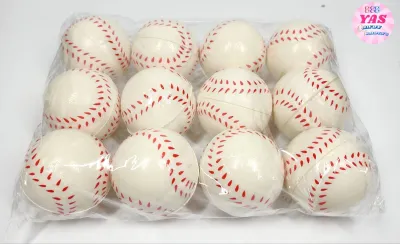
Prices are valid at publication and may change. Please refer to the product page for the latest price.
In contrast, building hand grip strength is an exercise in progressive resistance training. To stimulate muscle hypertrophy and increase tendon density, you must challenge the muscles of your hand and forearm with a force that is difficult to compress. This type of training engages the flexor digitorum profundus, the flexor digitorum superficialis, and the various intrinsic muscles of the palm. Because grip training requires high-intensity muscular exertion, it triggers a brief sympathetic nervous system response, which is the exact opposite of the calming effect desired during a high-stress workday.
Using a high-resistance grip trainer for mindless, continuous squeezing while working at your desk can easily lead to overexertion and injury. Repetitive strain injuries, such as tendonitis or joint inflammation, often occur when tired muscles are forced to work against heavy resistance without adequate recovery time. Conversely, attempting to build grip strength using a soft, highly compressible foam ball will yield negligible results, as the resistance is simply too low to trigger muscle adaptation. Recognizing these distinct biomechanical pathways is the first step toward choosing a tool that safely and effectively meets your needs.
How to Choose the Right Stress Balls for Adult Needs
Selecting the perfect stress ball involves evaluating several key factors, ranging from your physical hand dimensions to the local environment in which you will use the tool.

Material and Climate Considerations The tropical climate of the Philippines presents a unique challenge for synthetic polymers and foam materials. High relative humidity and warm ambient temperatures accelerate the chemical degradation of low-grade polyurethane (PU) foams and cheap liquid-filled plastics. Over time, these materials can become sticky, emit unpleasant chemical odors, or even rupture under pressure. For long-term durability, medical-grade silicone and thermoplastic elastomer (TPE) are highly recommended. These materials are chemically stable, completely waterproof, and resistant to the natural oils and sweat produced by your hands.
Resistance Levels Stress balls are generally categorized into light, medium, and heavy resistance levels, each serving a distinct purpose. Light resistance (typically requiring under 10 pounds of force to compress) is ideal for immediate stress relief, gentle joint mobilization, and early-stage injury rehabilitation. Medium resistance (10 to 30 pounds) is best for active desk breaks, joint maintenance, and light toning. Heavy resistance (over 30 pounds) is designed specifically for athletes, rock climbers, and fitness enthusiasts looking to build serious forearm power. If your primary goal is mental decompression, avoid heavy resistance, as it will quickly fatigue your hands and distract you from your work.
Ergonomics and Size The physical size of the ball must match your hand span to prevent joint strain and ensure comfortable use. For most adult hands, a ball diameter of 5 to 7 centimeters is the optimal range. If a ball is too small, your fingers will over-flex, which can cause painful cramping in your palm and fingers. If the ball is too large, you will not be able to wrap your fingers around it fully, making it impossible to achieve a complete contraction and reducing the effectiveness of the exercise.
Texture and Sensory Feedback The surface texture of a stress ball dictates the type of sensory feedback you receive during use. Smooth surfaces provide a predictable, uniform compression that is highly comforting for continuous, mindless squeezing. On the other hand, textured surfaces—such as those with raised nodules, ridges, or soft spikes—provide localized sensory stimulation. These textures act similarly to acupressure, stimulating the nerve endings in your palm, promoting local circulation, and offering a powerful grounding sensation that can help manage acute anxiety.
Best Stress Ball Types for Pure Stress Relief
If your primary goal is to relieve mental tension, reduce anxiety, or keep your hands busy during long virtual meetings, you should focus on highly compressible, tactilely pleasing materials.
PU Foam Squeeze Balls Polyurethane foam is the classic material used for novelty and promotional stress balls. These balls are incredibly lightweight, highly compressible, and instantly snap back to their original shape when released. Because they require very little effort to squeeze, they are perfect for continuous, mindless use throughout a busy workday. However, because PU foam is porous, it can absorb sweat and dirt over time. When purchasing these from online marketplaces, look for high-density foam options with a smooth, sealed outer skin that resists moisture absorption.
Gel-Filled or Liquid-Core Balls Gel-filled stress balls consist of a flexible, elastic outer membrane filled with a thick silicone gel, water, or micro-beads. Squeezing these balls provides a fluid, semi-solid resistance that many adults find incredibly satisfying and soothing. A unique benefit of gel-filled balls is that the core naturally retains a slightly cool temperature, offering a refreshing sensation to warm, sweaty hands during hot afternoons. The primary trade-off is durability; a single sharp fingernail or excessive squeezing force can puncture the outer membrane, resulting in a messy leak.
Slow-Rise Squishy Balls Originally popularized as sensory toys, slow-rise memory foam shapes have become highly popular among adults seeking stress relief. Unlike standard foam that bounces back instantly, slow-rise materials compress completely and take several seconds to gradually expand back to their original shape. This slow, predictable visual and physical feedback encourages a slower, more deliberate squeezing rhythm. Using these balls can help you pace your breathing and practice mindfulness during moments of high anxiety or panic.
Best Stress Ball Types for Hand Grip Strengthening
For those looking to build forearm muscle, improve grip endurance for sports like badminton or basketball, or undergo physical therapy, firmer and more durable materials are required.
Solid Silicone or TPE Grip Balls Solid silicone and thermoplastic elastomer (TPE) grip balls are the gold standard for progressive hand strengthening. These balls are made of dense, solid polymers that provide consistent, uniform resistance that will not break down or soften over time. They are virtually indestructible, completely waterproof, and highly resistant to the humid climate of the Philippines. Because they do not absorb sweat, they remain highly hygienic and can be washed easily with soap and water after a heavy workout session.
Adjustable Resistance Rings or Balls If you want to progressively build hand strength without purchasing multiple different balls, adjustable resistance rings or multi-tension ball sets are highly efficient. Many ring-style grip trainers can be rotated to alter the compression angle, effectively changing the resistance level. Other options include color-coded sets that allow you to transition from light warm-up tensions to heavy, athletic-grade resistance. This versatility makes them an excellent investment for fitness enthusiasts who want to track their strength progress over time.
Textured Massage Balls Firm rubber or dense silicone balls featuring raised spikes or nodules offer a dual-benefit approach to hand health. Squeezing a textured ball forces your fingers to adapt to an uneven surface, which engages and strengthens the smaller stabilizing muscles of your hand. Additionally, rolling these firm, textured balls between your palms or against a desk provides deep myofascial release. This targeted massage helps break up muscle tension, increases blood flow, and quickly relieves the deep fatigue caused by hours of typing or intense physical labor.
Hybrid Options for Both Grip Training and Tension Release
If you find yourself caught between the need for mental decompression and physical hand strengthening, several versatile hybrid tools can bridge the gap effectively.
Therapy Putty (Silicone-based) Therapy putty is a highly moldable, non-toxic silicone compound that is widely used in physical and occupational therapy. Unlike a pre-shaped ball, therapy putty can be stretched, twisted, pinched, and rolled into any shape, allowing you to target individual fingers or perform complex hand exercises. It is available in color-coded containers representing different resistance levels, from ultra-soft to extra-firm. The highly tactile, creative nature of putty makes it an exceptional hybrid tool; it provides the soothing, fidget-friendly benefits of a stress toy while offering the structural resistance needed for hand rehabilitation.
Multi-Density Core Balls These innovative tools feature a dual-layer design, typically consisting of a soft, comfortable outer foam or gel layer wrapped around a firm, solid inner core. When you squeeze the ball gently, you experience the soft, low-resistance sensation of a standard stress ball, which is perfect for mindless desk fidgeting. However, when you apply maximum force, your fingers sink through the soft outer layer and engage the firm inner core, forcing your hand and forearm muscles to contract deeply. This unique design allows you to transition seamlessly from stress relief to active grip training in a single squeeze.
Choosing the Right Path A hybrid option like therapy putty or a multi-density ball is ideal if you have limited desk space, travel frequently, or are recovering from a mild hand strain. However, if you have highly specific goals, specialized tools are usually the safer and more effective choice. For instance, if you are training for a high-grip sport like rock climbing or powerlifting, you will achieve better results using a dedicated silicone grip ring. Conversely, if you simply need to calm your nerves during high-pressure work calls, a soft gel-filled ball will serve you far better without causing muscle fatigue.
Quick Comparison of Materials and Resistance Levels
To help you quickly identify the best material for your primary goals, this structured comparison table outlines the key characteristics of each option.
| Material Type | Primary Best Use | Resistance Level | Humidity/Sweat Resistance | Expected Lifespan |
|---|---|---|---|---|
| PU Foam | Light stress relief & desk fidgeting | Very Light to Light | Low (absorbs sweat, degrades in heat) | Short (6 to 12 months) |
| Gel / Liquid Core | Sensory satisfaction & hand cooling | Light | Moderate (membrane can degrade or puncture) | Moderate (under careful use) |
| Silicone / TPE | Grip strength & physical therapy | Medium to Very Heavy | High (completely waterproof and stable) | Long (several years) |
| Therapy Putty | Finger isolation & customized rehab | Progressive (Very Light to Firm) | High (does not dry out or absorb moisture) | Long (if kept clean in container) |
| Multi-Density Core | Dual-action stress relief & moderate grip | Light to Medium | Moderate to High (depends on outer fabric) | Moderate to Long |
When shopping on e-commerce platforms or online marketplaces in the Philippines, always read the product specifications carefully to verify the exact material composition. Avoid listings that use generic terms like “soft rubber” without specifying whether the material is silicone, TPE, or latex, as cheaper latex and low-grade plastics tend to degrade rapidly under tropical conditions.
Maintenance Tips to Prevent Stickiness in Humid Climates
Proper maintenance is essential to extend the lifespan of your stress ball and maintain hygiene, especially when dealing with the high humidity of the Philippines.
Cleaning Protocols Regular cleaning is necessary to remove the buildup of sweat, skin oils, and environmental dust. For solid silicone, TPE, and silicone-based therapy putty, wash the item using mild dishwashing soap and lukewarm water. Avoid using harsh chemical sanitizers, rubbing alcohol, or bleach, as these solvents can break down the polymer chains, leading to permanent stickiness or structural cracking. For fabric-covered gel balls, wipe the surface gently with a damp cloth and allow it to air-dry completely before use.
Managing Stickiness If your silicone ball or therapy putty begins to feel tacky due to exposure to humidity and skin oils, you can easily restore its original texture. After washing and thoroughly air-drying the ball, apply a very light dusting of baby powder or cornstarch to the surface. Roll the ball between your palms to distribute the powder evenly, then shake off any excess. This simple step creates a smooth, dry barrier that eliminates stickiness without affecting the ball’s elasticity.
Storage and Replacement Store your stress balls in a cool, dry place away from direct sunlight, which can cause UV degradation and color fading. Avoid leaving them in hot environments, such as inside a parked car or near a sunny window. Replace your stress ball immediately if you notice permanent physical deformation, deep tears, structural leaks in gel cores, or persistent odors that cannot be washed away, as these are clear indicators of material failure and hygiene risks.
Frequently Asked Questions (FAQ)
Can squeezing a stress ball cure carpal tunnel syndrome?
Squeezing a stress ball cannot cure carpal tunnel syndrome, which is a medical condition caused by the compression of the median nerve in the wrist. While gentle squeezing can help promote local blood circulation and maintain joint flexibility, aggressive or repetitive gripping can actually increase pressure within the carpal tunnel, potentially worsening your symptoms. If you experience persistent numbness, tingling, or pain in your hand and wrist, you should consult a doctor or a physical therapist for a proper diagnosis and a targeted treatment plan.
How often should I use a grip stress ball to see strength improvements?
To build hand and forearm strength safely, you must treat your grip muscles like any other muscle group in your body, allowing them adequate time to rest and recover. A general, effective routine is to perform three to four sets of 10 to 15 repetitions, two to three times a week, rather than squeezing a high-resistance ball continuously throughout the day. Giving your muscles 48 hours of rest between intense sessions helps prevent tendon strain, joint inflammation, and overuse injuries while encouraging optimal muscle growth.

Community discussion
Share your experience or ask a question. Comments are reviewed before publication.