
Selecting the right shelter for peaks like Mt. Pulag or Mt. Apo requires balancing pack weight, weather resistance, and thermal management. For high-altitude mountain camping in the Philippines, a double-wall, freestanding dome tent equipped with aluminum poles and a high-waterproof-rated rainfly is generally the most reliable choice. This configuration provides the structural integrity needed to withstand sudden ridge winds, manages the intense humidity of mossy forests, and simplifies setup on rocky or uneven terrain.
While casual campers might succeed with basic shelters in low-altitude beach settings, high-altitude environments demand a technical approach to gear selection. The transition from warm, humid lowlands to cold, wind-swept summits introduces unique environmental stressors that can quickly compromise a poorly chosen tent. Understanding these variables allows you to evaluate specifications objectively and select a shelter that ensures safety and comfort throughout your expedition.
Understanding the High-Altitude Camping Environment
High-altitude campsites in the Philippines present a unique combination of tropical humidity and alpine-like cold. At elevations exceeding 2,000 meters, temperatures can drop significantly, sometimes reaching near-freezing levels during the cooler months from November to February. This temperature drop is compounded by high relative humidity, which creates a damp, penetrating cold that makes moisture management inside your shelter a primary survival concern.
Products mentioned in this guide
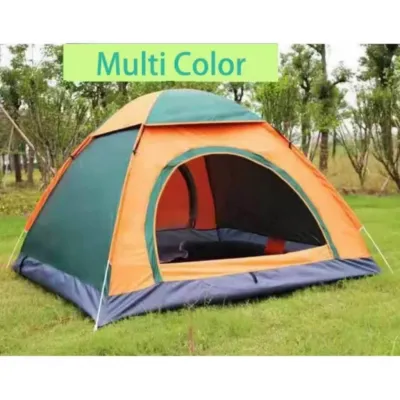
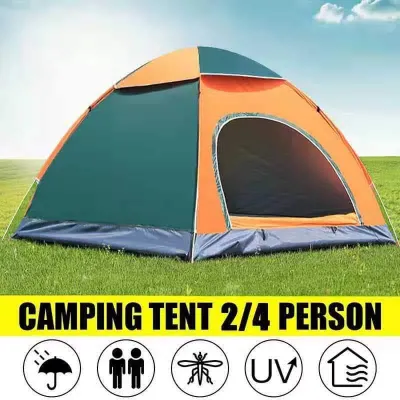
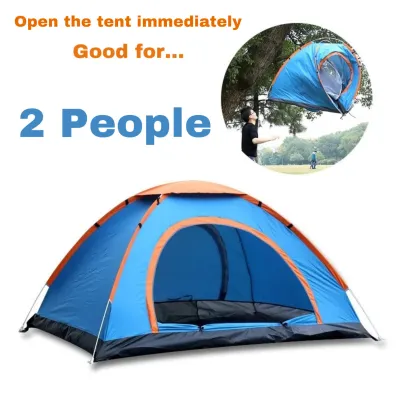
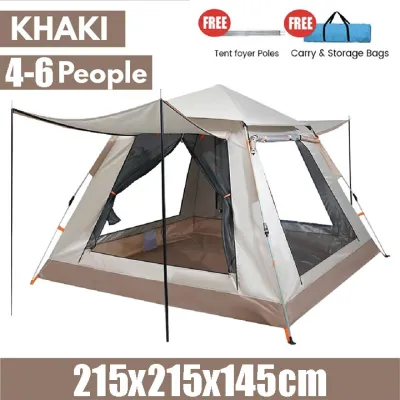
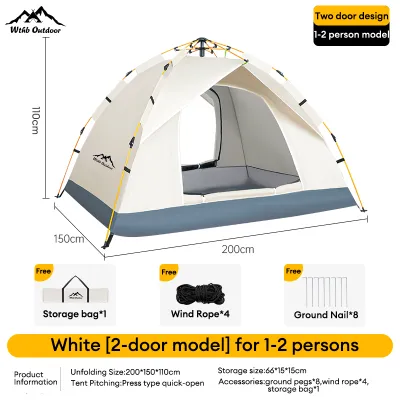
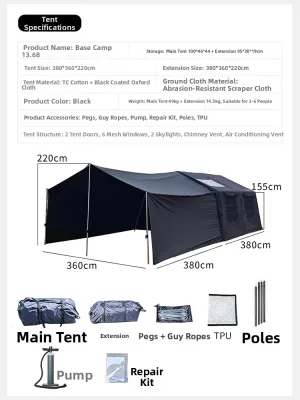
Prices are valid at publication and may change. Please refer to the product page for the latest price.
Condensation is an ever-present challenge in these environments. As you sleep, your breath releases moisture into the air, which quickly condenses on the cold fabric of your tent. Without adequate ventilation and physical separation between the inner tent and the outer rainfly, this moisture will accumulate and drip onto your sleeping bag, reducing its insulating properties and increasing the risk of hypothermia.
Furthermore, tropical mountain weather is highly unpredictable. Clear skies can rapidly give way to heavy downpours, dense fog, and violent wind gusts along exposed ridges. Your tent must serve as a reliable barrier against driving rain and wind, maintaining its structural integrity even when pitched on saturated ground or rocky surfaces.
Finally, the physical demands of Philippine mountain trails must be factored into your decision. Many popular peaks require long, steep ascents through dense jungle and muddy terrain. Carrying an excessively heavy tent increases physical fatigue, which can impair your judgment and coordination on the trail. Your shelter must offer a manageable base weight without sacrificing essential protective features.
Essential Tent Specifications to Check
When evaluating tents for high-altitude climbs, you must look beyond marketing claims and verify specific technical specifications. The materials and construction methods used by the manufacturer directly determine how well the shelter will perform under stress.

First, examine the pole material and structural geometry. Aluminum poles, typically designated as 7001 or 7075 alloy, are highly recommended for mountain camping. Unlike fiberglass poles, which are heavy and prone to shattering under sudden gusts, aluminum poles offer an excellent strength-to-weight ratio and can flex safely in high winds. The pole structure should feature multiple intersection points, as this geometry distributes wind loads more evenly across the entire tent frame.
Second, verify the hydrostatic head ratings of the rainfly and the tent floor, which indicate waterproof capability measured in millimeters. For high-altitude trails in the Philippines, look for a rainfly with a rating of at least 1,500mm to 3,000mm to ensure it can withstand prolonged, heavy tropical rain. The tent floor requires a higher rating, ideally between 3,000mm and 5,000mm, because your body weight exerts pressure on the fabric against the wet, saturated ground, which can force water through less durable materials.
Third, prioritize double-wall construction over single-wall designs. A double-wall tent utilizes a breathable inner canopy—often constructed from a mix of nylon mesh and solid ripstop fabric—covered by a separate, waterproof rainfly. This design creates an insulating air gap and allows condensation to pass through the inner mesh and run down the inside of the rainfly, keeping your living space dry. Single-wall tents, while lighter, lack this separation and are prone to severe condensation issues in humid tropical climates.
Fourth, assess the dimensions and design of the vestibules. A vestibule is an extension of the rainfly that creates a sheltered storage area outside the inner tent door. Having a spacious vestibule is essential for storing muddy boots, wet backpacks, and cooking gear. Keeping these items outside the main sleeping compartment prevents mud and moisture from entering your dry living space and helps maintain interior organization.
Comparing Tent Designs for Mountain Trails
Selecting the right tent design involves matching the structural shape and seasonal rating of the shelter to your specific route, experience level, and expected weather conditions. Different designs offer distinct trade-offs in terms of weight, stability, and ease of use.
Three-Season vs. Four-Season Tents
Three-season tents are the most practical and versatile choice for the vast majority of mountain climbs in the Philippines. These shelters are designed to handle rain, wind, and light cold while maximizing ventilation through mesh panels. They are lightweight, packable, and highly effective for dry-season climbs when temperatures are cool but manageable.
In contrast, true four-season tents are engineered to withstand heavy snow loads and extreme sub-zero winds. They feature heavy-duty fabrics, reinforced pole structures, and minimal mesh panels to trap body heat. For typical Philippine climbs, a four-season tent is generally unnecessary and can cause severe overheating and excessive condensation due to the lack of airflow. However, if you plan to camp on highly exposed, wind-swept ridges during the monsoon season, a specialized “three-to-four-season” hybrid tent with adjustable fabric panels can provide extra wind protection without the weight of a full winter expedition shelter.
Dome vs. Tunnel Tents
Dome tents are characterized by intersecting poles that form a self-supporting dome shape. Because they are freestanding, they do not require stakes to maintain their structure, making them incredibly easy to pitch on rocky summits, wooden camping platforms, or hard-packed clay where driving stakes is difficult. Their symmetrical design also allows them to shed wind efficiently from any direction, making them highly forgiving during sudden weather shifts.
Tunnel tents utilize parallel, non-intersecting pole arches to create a tunnel-like shape. They offer an exceptional space-to-weight ratio and often feature very large vestibules. However, tunnel tents are not freestanding and must be staked out securely at both ends to stand. They are highly stable when aligned perfectly with the wind, but if the wind shifts and hits the tent from the side, the structure can experience significant stress. This makes them less suitable for unpredictable ridge weather where wind directions change constantly.
Setup, Maintenance, and Trail Safety
Even the most advanced mountain tent can fail if it is pitched incorrectly or used in conditions that exceed its design limits. Safe camping at high altitudes requires careful site selection, proper pitching techniques, and a clear understanding of when to prioritize safety over continuing a climb.
When selecting a campsite, look for natural windbreaks such as low vegetation, rock formations, or designated forested camping zones. Avoid pitching your tent directly on exposed ridgelines where wind speeds are highest. Never camp directly under dead trees or loose branches that could fall during a storm, and avoid low-lying depressions or dry creek beds that can quickly flood during sudden downpours.
Proper pitching is critical to maximizing your tent’s wind resistance and waterproofing. Always secure every guyline and tension the rainfly fully so that it does not sag or touch the inner tent wall. This tension prevents the fabric from flapping violently in the wind—which can damage zippers and seams—and ensures that condensation drains away properly. If the ground is too hard or sandy for standard stakes, use heavy rocks or log anchors to secure your guylines.
Finally, recognize the limits of your equipment and your physical capabilities. If weather conditions deteriorate rapidly and exceed the limits of your shelter, do not hesitate to abort the climb. Identify safe descent routes before setting up camp, and be prepared to retreat to lower elevations or seek emergency trail shelters if your tent suffers structural damage. Equipment is a tool to support your outdoor activities, but it cannot replace sound judgment, training, and situational awareness.
After returning from your climb, perform essential maintenance to prolong the life of your gear. Dry your tent completely in a shaded, well-ventilated area before packing it away to prevent mold, mildew, and the breakdown of waterproof polyurethane coatings. Clean the zippers with a soft brush to remove trail dust, mud, and salt residue, and inspect the poles for any hairline fractures or bent sections that may need replacement before your next adventure.
Frequently Asked Questions (FAQ)
Can I use a standard beach or park tent for mountain camping?
Using a standard beach or park tent for high-altitude mountain camping is highly discouraged and can be dangerous. These tents are designed for warm, low-altitude environments and typically feature single-layer construction, weak fiberglass poles, and minimal waterproof coatings. In a high-altitude mountain setting, they can easily leak during heavy rain, collapse under moderate wind gusts, and trap excessive condensation, leaving you wet and exposed to cold temperatures that increase the risk of hypothermia.
How do I prevent condensation inside the tent at high elevations?
To minimize condensation, ensure that all built-in rainfly vents are kept fully open, even during cold nights, to promote continuous airflow. Pitch your tent in a location that receives a gentle breeze rather than in a stagnant, low-lying hollow where moisture accumulates. Additionally, avoid bringing wet clothing, muddy boots, or damp gear inside the main sleeping compartment; instead, store these items in the vestibule to keep the interior air as dry as possible.

Community discussion
Share your experience or ask a question. Comments are reviewed before publication.