
When planning a camping trip or a mountain hike in the Philippines, finding reliable gear that does not break the bank is a major challenge for many outdoor enthusiasts. The brand blackpongo has emerged as a popular option for budget-conscious adventurers, but deciding whether to choose it over other entry-level brands requires a clear understanding of your specific camping needs.
If you are a casual camper, beginner, or weekend warrior, blackpongo offers an accessible entry point with functional, budget-friendly basics. This gear is highly suitable for fair-weather camping, coastal beach trips, and established campsites where weather conditions are predictable. However, if your adventures demand specialized ultralight designs, precise sizing options, or high technical specifications for extreme mountain conditions, you should consider alternative budget-friendly brands that specialize in those specific niches.
Opting for budget gear always involves trade-offs. Affordable brands typically use heavier fabrics and standard manufacturing processes rather than proprietary, high-performance materials. Consequently, thorough inspection before your trip and diligent post-hike maintenance are critical to ensuring your safety and extending the lifespan of your equipment, regardless of the brand you select.
Products mentioned in this guide
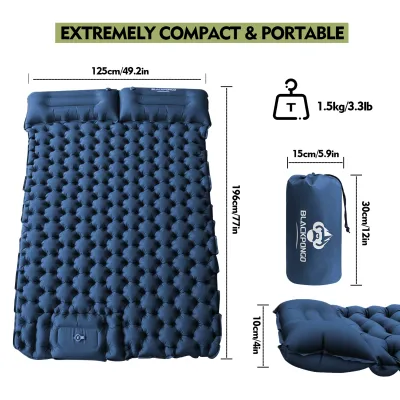
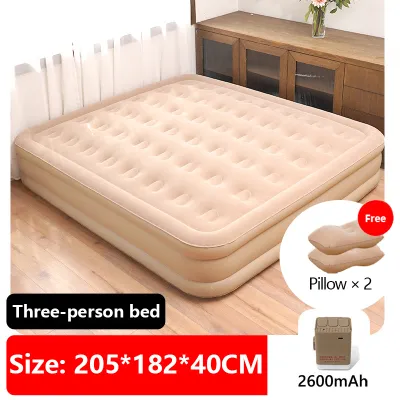
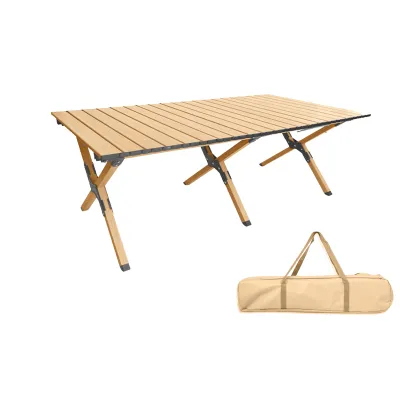
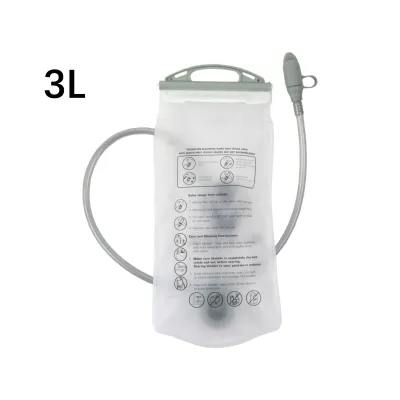
Prices are valid at publication and may change. Please refer to the product page for the latest price.
Tents: Comparing Black Pongo and Budget Alternatives for Weather Resistance
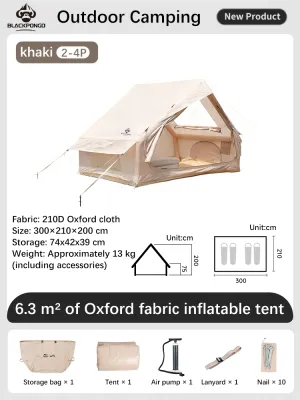
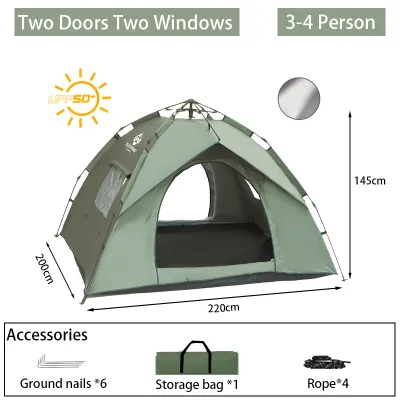
Selecting a tent in the Philippines requires careful consideration of tropical downpours, high humidity, and sudden wind shifts. When comparing blackpongo tents to other budget brands, you must look beyond the color and price tag to evaluate how the structure handles moisture, wind, and condensation.
The build quality of budget tents often hinges on the materials used for the poles and the rainfly. Most budget options, including blackpongo, utilize fiberglass poles in their entry-level models. While fiberglass is cost-effective, it is heavier and more brittle under high winds than aluminum. If you plan to camp on exposed ridges, check if the brand offers an aluminum pole upgrade or if you can purchase compatible aluminum poles separately. Additionally, verify the waterproof rating of the rainfly, which is measured as a hydrostatic head rating in millimeters (e.g., 1500mm to 3000mm). A higher rating generally indicates better resistance to heavy rain, but only if the seams are properly sealed.
Ventilation is arguably the most critical feature for tents used in hot, humid climates. Without proper airflow, condensation will build up inside the tent, leaving your sleeping area damp even if it does not rain. Look for tents that feature large mesh panels on the inner body and adjustable vents on the rainfly. A full-coverage rainfly provides superior protection against driving rain but can restrict airflow if it lacks dedicated vents. In contrast, a partial rainfly allows better breeze but exposes the inner tent body to splashing water during sudden tropical storms.
To ensure a dry night, inspect the tent’s footprint and floor design. Look for a “bathtub” floor, where the waterproof floor material extends several inches up the sides of the tent before meeting the wall fabric. This design prevents ground-level pooling water from seeping through the seams. Furthermore, check the product specifications or user photos to confirm that the floor seams are elevated off the ground and fully taped.
Before making a purchase, use this checklist to evaluate any budget tent:
- Pole Material: Confirm whether the poles are fiberglass or aluminum based on your wind-resistance needs.
- Hydrostatic Head Rating: Look for a minimum rating of 2000mm for the rainfly and floor to handle typical Philippine rain.
- Seam Taping: Verify that all major seams on the rainfly and floor have a visible polyurethane tape seal applied at the factory.
- Rainfly Coverage: Choose a full-coverage rainfly for stormy mountain areas and a well-ventilated partial rainfly for hot beach camping.
- Mesh Panels: Ensure the inner tent has sufficient micro-mesh to keep out small insects like midges and mosquitoes while allowing airflow.
Backpacks: Evaluating Comfort, Capacity, and Durability
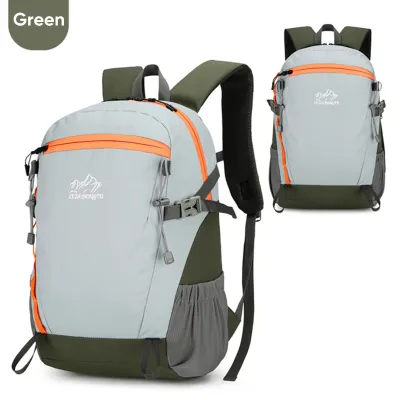
An ill-fitting backpack can turn a scenic trail into an exhausting ordeal. When comparing blackpongo backpacks to other budget competitors, your primary focus should be on how the pack distributes weight and how well the materials withstand abrasion.

The suspension system is the backbone of any multi-day pack. Budget backpacks frequently skip complex internal frames in favor of simple internal plastic sheets or basic aluminum stays. Because of this, you must closely examine the padding on the shoulder straps, hip belt, and lumbar support. A thick, high-density foam padding prevents the straps from digging into your shoulders under heavy loads. Look for adjustable sternum straps and load-lifter straps, which allow you to pull the pack closer to your body to stabilize the center of gravity. Proper back panel ventilation, often achieved through raised foam ridges covered in breathable mesh, is also essential to reduce sweating along your spine.
Material durability in budget packs is typically determined by the denier (D) rating of the fabric. Many budget outdoor brands use polyester or nylon fabrics ranging from 420D to 600D. A higher denier rating indicates a thicker, more abrasion-resistant thread, which is vital for preventing tears when squeezing through dense tropical brush or resting your pack on sharp rocks. While these materials are often coated with a water-resistant layer, they are rarely fully waterproof. Therefore, check if the backpack includes an integrated rain cover, usually stored in a dedicated bottom pocket, or budget to buy a separate waterproof cover.
To assess the overall construction quality of a backpack, perform a detailed inspection of the physical components. Test the zippers to ensure they slide smoothly without catching on the fabric lining; budget packs often use standard zippers that can split under pressure, so look for reinforced or branded zippers like SBS or YKK when available. Check the stitching at high-stress points, such as where the shoulder straps and hip belt meet the main pack body. Double or bar-tack stitching in these areas is a strong indicator that the pack can handle its rated capacity without tearing.
Consider the layout and accessibility of the compartments. A good budget pack should feature deep side pockets for water bottles, a spacious front pocket for quick-access items like rain gear, and hip belt pockets for trail snacks or a phone. If you plan to use a hydration bladder, verify that the pack has an internal sleeve and a dedicated exit port for the drinking tube.
Sleeping Bags: Balancing Warmth, Weight, and Packability
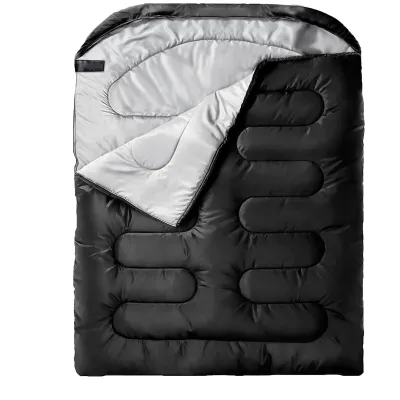
While the Philippines is a tropical country, temperatures at high-altitude campsites can drop significantly. When comparing sleeping bags from blackpongo and other budget brands, you must balance your need for warmth against the weight and bulk you are willing to carry.
Budget-tier sleeping bags almost exclusively utilize synthetic insulation, such as hollow-fiber polyester, rather than natural down. Synthetic fill is highly practical for the humid Philippine climate because it retains a portion of its insulating properties even if it gets damp from condensation or rain. It is also hypoallergenic, easy to wash, and dries relatively quickly. The trade-off is that synthetic sleeping bags are heavier and do not compress as tightly as down bags, meaning they will occupy more space inside or on the outside of your backpack.
Understanding temperature ratings is crucial for your safety on the trail. Manufacturers typically list three ratings: Comfort, Limit, and Extreme (or Survival). The “Comfort” rating represents the temperature at which a cold-sensitive sleeper can sleep comfortably in a relaxed position. The “Limit” rating is the threshold for a warm sleeper, while the “Extreme” rating is a survival-only limit where hypothermia is still a risk. For popular high-altitude destinations like Mt. Pulag or Mt. Apo, where nighttime temperatures can drop to single digits Celsius, you must verify that the sleeping bag’s comfort rating—not its survival rating—matches the expected low temperatures. If a budget bag does not explicitly state a certified comfort rating, err on the side of caution and assume it is rated for warmer beach or low-elevation camping.
Packability is another major consideration for backpackers. Synthetic bags can be bulky, so check if the product comes with a compression sack. A compression sack features adjustable straps that allow you to squeeze excess air out of the bag, reducing its volume significantly. If the bag only includes a simple drawstring stuff sack, you may need to purchase a separate compression dry bag to save space and protect the sleeping bag from water damage during river crossings or heavy downpours.
To maximize the warmth of a budget synthetic sleeping bag, consider using a layering system. Pairing a lightweight, compact sleeping bag with a thermal liner can lower the effective temperature rating by several degrees without adding significant bulk. Additionally, sleeping on an insulated sleeping pad is essential, as the cold ground will quickly sap your body heat regardless of how thick your sleeping bag is.
How to Verify Quality When Buying Budget Gear Online
Purchasing outdoor gear online through e-commerce platforms or local online shops offers convenience and access to a wide variety of budget brands. However, because you cannot handle the products physically before buying, you must adopt a systematic verification process to avoid low-quality or defective items.
Begin by scrutinizing the product descriptions and technical specifications. Avoid listings that rely heavily on vague marketing buzzwords like “professional-grade,” “ultra-waterproof,” or “indestructible” without providing concrete data. Look for specific measurements, such as fabric denier, hydrostatic head ratings in millimeters, exact dimensions, and weight in grams or kilograms. If these details are missing, message the seller directly to ask for the manufacturer’s technical sheet.
Customer reviews and ratings are invaluable tools, but they require careful interpretation. Focus on reviews that contain actual photos or videos of the gear in use. Pay close attention to feedback written after the buyer has actually taken the gear on a trip, rather than initial “out-of-the-box” impressions. Look for recurring complaints about specific issues, such as broken zippers, leaking seams, or snapped tent poles, as these patterns often point to systemic design or manufacturing flaws.
Once your gear arrives, perform an immediate and thorough inspection at home before heading out on a trip. Pitch your new tent in your yard or living room to ensure all poles, stakes, and guy lines are included and undamaged. Pull on the seams of the tent and backpack to check for loose threads or gaps in the stitching. Test every zipper multiple times, pulling them around corners to ensure they glide smoothly without binding. For sleeping bags, inspect the loft of the insulation and check that the zipper draft tube is properly aligned.
Remember that budget outdoor gear requires meticulous care to maintain its functionality and maximize its lifespan, especially in the humid Philippine climate. Never store your tent, backpack, or sleeping bag while they are damp, as this will quickly lead to mold, mildew, and the degradation of waterproof coatings. After every trip, wipe down your gear with a damp cloth and mild soap, rinse thoroughly, and hang it to dry completely in a shaded, well-ventilated area before packing it away in a dry storage space.
Frequently Asked Questions (FAQ)
Is Black Pongo gear waterproof enough for heavy tropical rain?
Water resistance in budget gear depends heavily on the specific product’s specifications and construction quality rather than the brand name alone. While many blackpongo products feature water-resistant fabrics, they may not withstand prolonged, heavy tropical downpours or monsoons if they lack fully taped seams and a high hydrostatic head rating (preferably 2000mm or higher). To ensure you stay dry during heavy rain, check the product label for these metrics. It is highly recommended to use an additional waterproof groundsheet (footprint) under your tent and suspend an extra tarp overhead to provide a secondary barrier against driving rain.
Can budget synthetic sleeping bags handle high-altitude Philippine hikes?
Yes, budget synthetic sleeping bags can be used for high-altitude hikes, provided you match the bag’s comfort temperature rating to the expected nighttime lows of your destination. For mountains like Mt. Pulag, where temperatures can plummet, a standard budget bag may not offer sufficient insulation on its own. To stay safe and warm, verify the comfort rating on the product tag before your trip. You can also enhance your warmth by wearing high-quality thermal base layers, using a sleeping bag liner, and sleeping on an insulated sleeping pad to block cold from the ground.
How can I ensure I am buying authentic budget outdoor gear online?
To avoid counterfeit or substandard imitations when shopping on e-commerce platforms, always purchase directly from official brand stores, authorized local outdoor distributors, or well-known physical outdoor shops. Be skeptical of listings with prices that are significantly lower than the average market rate for that specific model. Always check the seller’s overall rating, read customer reviews that include real product photos, and verify that the seller has a clear, reasonable return and refund policy in case the item arrives with manufacturing defects.

Community discussion
Share your experience or ask a question. Comments are reviewed before publication.